You might see people at the gym chugging protein shakes before, during or after their workouts, but when is the best time to take a protein shake?
For most people, the best time is whenever it helps you hit your daily protein target. If you're training to build muscle, a shake before or after your workout is a convenient way to get some of that protein in, but your total protein intake across the day matters more than the exact timing. Read on to find out how to make whey work for your goals.
- What is whey protein?
- When to take a protein shake
- Whey protein for weight loss
- Whey protein for muscle gain and recovery
- Frequently asked questions
What is whey protein?
Whey protein is a high-quality protein that comes from milk during the cheese-making process. Whey makes up around 20% of the protein in cow's milk,2 and it's one of the most popular protein supplements around.
It comes in a few different forms, depending on how much it's processed:
Concentrate: The most common form, containing protein, some fat and lactose. Isolate: Processed further to remove most of the fat and lactose, so it has a higher percentage of protein. Hydrolysate: Broken down further (pre-digested) so it's absorbed faster. Whey and collagen blends: Combine whey protein with bovine collagen peptides and vitamin C, which contributes to normal collagen formation for the normal function of cartilage.
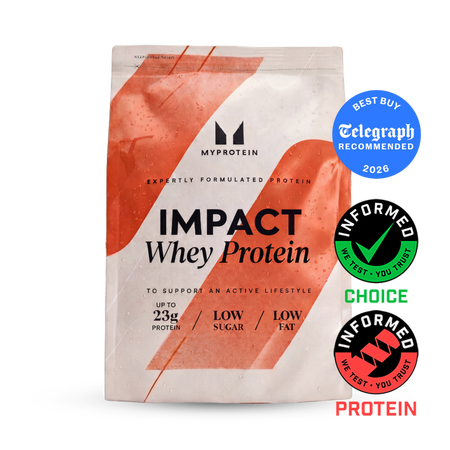
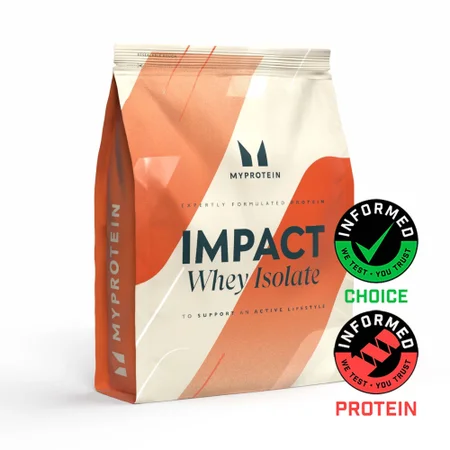
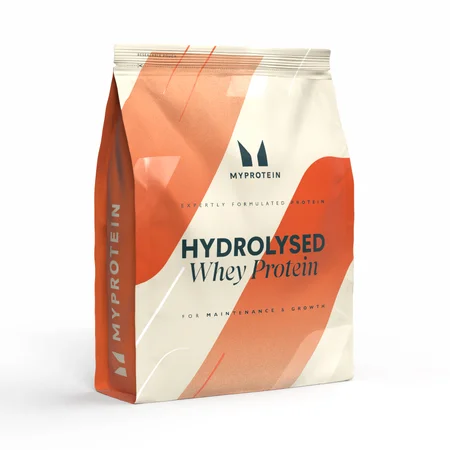
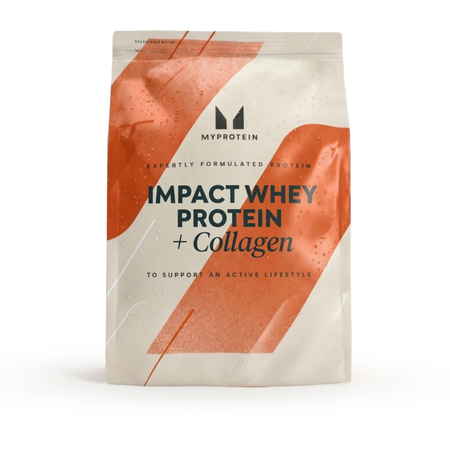

Whey Protein Explained: Concentrate, Isolate & Collagen Blends
It's a battle of the best....
When to take a protein shake
The best time to take a protein shake depends on your goals and your training schedule. Most people use a protein supplement, usually whey, to do one or more of the following:
- Increase their overall calorie and protein intake to support mass gain.
- Maintain muscle while cutting calories for weight loss.
- Support muscle repair after exercise.
- Support strength gains alongside their training.

How Many Protein Shakes a Day Is Healthy?
An expert's advice on what you need, depending on your goals....
Whey protein for weight gain
To gain mass, you need to eat more calories than you burn, which is known as a calorie surplus.1,3 If you're using whey protein simply to increase your overall calorie and protein intake, the timing matters less.
For the best results, spread your shakes out between your main meals so they don't curb your appetite for whole foods. If you need a higher-calorie shake, blend your whey with milk or a nut butter for a more energy-dense drink.

Whey protein for weight loss
Losing weight means eating fewer calories than you burn, known as a calorie deficit.1 Protein shakes are a simple, measured way to get high-quality protein while keeping your total calorie intake down, and protein contributes to the maintenance of muscle mass, which matters when you're eating less.
A plain shake isn't designed to replace a full meal, but you can turn it into a quick, balanced option with a few additions.
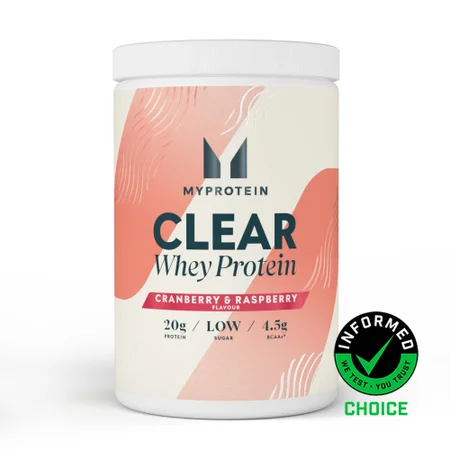
To make a more balanced meal replacement shake, add some carbohydrates, healthy fats and micronutrients. Try blending your shake with nut butter, oats and a piece of fruit like a banana or a handful of berries.

Macro Calculator | How To Calculate Your Macros For Flexible Dieting & IIFYM
Use our calculator to work out your macros....
Whey protein for muscle gain and recovery
The idea of a strict "anabolic window", where you need to have your protein within 30 minutes of a workout, is now considered less important. Current research suggests the benefits of a high protein intake can extend up to 24 hours after your workout, as muscles take a day or more to fully rebuild.3
That said, having a shake shortly before or after your workout still gives your body the amino acids it needs to kickstart muscle protein synthesis. To maximise muscle gain, spread your protein intake across the day, aiming for 3-4 meals or snacks, rather than having it all in one sitting.3
If you'd like collagen alongside your protein, a whey and collagen blend after training adds collagen peptides and vitamin C, which contributes to normal collagen formation for the normal function of cartilage.

57 Meal Prep Recipes For Muscle Building & Fat Loss
Your next favourite prep is in here......
Whey protein to improve performance
High-intensity exercise breaks down muscle tissue, which then needs protein to rebuild. Think of your muscles like a structure: intense exercise partially breaks it down, and protein provides the building blocks to rebuild it.
Research shows that supplementing with extra protein, like whey, can lead to greater gains in muscle mass and strength, and a higher rate of muscle protein synthesis, when combined with consistent training.1
Frequently asked questions
When is the best time to take whey protein?
For most people, the best time is whenever it helps you hit your daily protein target. If you're training to build muscle, a shake before or after your workout is a convenient option, but your total protein intake across the day matters more than the exact timing.
When should I take whey protein for weight loss?
Timing matters less than your overall calorie intake. A protein shake can be a convenient, measured way to get protein between meals or as part of a balanced breakfast while you're in a calorie deficit.
Should I have a protein shake before or after a workout?
Either works. The idea of a strict 30-minute window after training is now considered less important, so choose whichever fits your routine. Read more in our guide to protein before or after a workout.
Can I have a protein shake before bed?
Yes. A shake before bed is another way to add protein to your day, and many people choose slower-digesting casein in the evening. Find out more about protein shakes before bed.
How many protein shakes should I have a day?
It depends on how much protein you already get from food and your total daily target. Our guide to how many protein shakes a day explains more.
Take home message
Whey protein is a convenient supplement for a wide range of people, from seasoned athletes to those who are less active. Alongside a balanced diet and regular training, it can help you hit your protein target, whether you're looking to build muscle, maintain muscle while cutting calories or simply get more protein into your day.
When it comes to timing, consistency matters most. Making whey protein a regular, daily habit will do more for your progress than the exact time you drink it.
How To Take Creatine: Loading, Maintenance & Best Forms
All your must-know creatine knowledge and which you should be taking....

Vegan Protein Powder | Best Vegan Alternatives To Whey Protein
Nutritionist unpacks your options....


1. Pasiakos, S. M., McLellan, T. M., & Lieberman, H. R. (2015). The effects of protein supplements on muscle mass, strength, and aerobic and anaerobic power in healthy adults: a systematic review. Sports Medicine, 45(1), 111-131.
2. USDA. 2015. Agricultural Marketing Service. AMS – USDA. [Online] April 24, 2015. [Cited: January 15, 2019.] https://www.ams.usda.gov/sites/default/files/media/Whey%20Protein%20Concentrate%20TR.pdf.
3. Campbell, B., Kreider, R. B., Ziegenfuss, T., La Bounty, P., Roberts, M., Burke, D., … & Antonio, J. (2007). International Society of Sports Nutrition position stand: protein and exercise. Journal of the International Society of Sports Nutrition, 4(1), 8.
4. Ji, X., Ye, X., Ji, S., et al. (2025). Whey Protein Supplementation Combined with Exercise on Muscle Protein Synthesis and the AKT/mTOR Pathway in Healthy Adults: A Systematic Review and Meta-Analysis. Nutrients, 17(16), 2579. DOI: 10.3390/nu17162579.
5. (2025). An investigation into how the timing of nutritional supplements affects the recovery from post-exercise fatigue: A systematic review and meta-analysis. Frontiers in Nutrition. DOI: 10.3389/fnut.2025.1567438.
6. Aussieker, T., Hilkens, L., Holwerda, A.M., et al. (2023). Collagen Protein Ingestion during Recovery from Exercise Does Not Increase Muscle Connective Protein Synthesis Rates. Medicine and Science in Sports and Exercise. DOI: 10.1249/MSS.0000000000003214.
7. Gwin, J.A., Church, D.D., Allen, J.T., et al. (2024). Consuming Whey Protein with Added Essential Amino Acids, not Carbohydrate, Maintains Post-Exercise Anabolism while Underfed. Medicine and Science in Sports and Exercise. DOI: 10.1249/mss.0000000000003541.