Vitamin C
7 Results
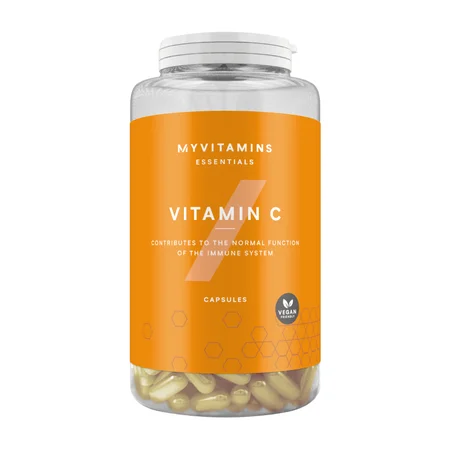
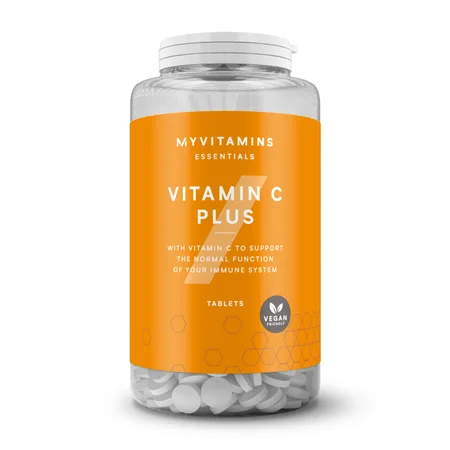




Shop Vitamin C at Myprotein
Vitamin C, also known as ascorbic acid, is a water-soluble vitamin that plays numerous roles throughout the body. From supporting collagen formation to acting as a powerful antioxidant, it's one of the most widely recognised and researched nutrients in human nutrition.
Whether you're looking for vitamin C tablets, capsules, or powder, you'll find a range of high-quality vitamin C supplements at Myprotein. Each product is developed by expert nutritionists and manufactured to rigorous quality standards, giving you confidence in what you're putting into your body.
Who Vitamin C Supplements Are For
Vitamin C supplements are popular across a broad spectrum of people, from gym-goers and athletes to busy professionals and anyone looking to support their daily nutritional intake. Because the body can't store vitamin C, regular intake through diet or supplementation is essential.
If you train intensely, work long hours, or simply want a convenient way to maintain your vitamin C levels, a supplement offers a practical solution. Available in various formats from tablets to capsules, there's an option to suit every lifestyle and preference.
When to Use Vitamin C
Vitamin C supplements can be taken at any time of day that fits your routine. Some people prefer taking them in the morning with breakfast, whilst others include them as part of their evening supplement stack. The most important thing is consistency.
Because vitamin C is water-soluble, taking it with food can help support absorption and reduce the likelihood of any stomach discomfort. If you're taking multiple supplements, spacing them throughout the day can help maintain steady nutrient levels.
Vitamin C Benefits
Supports Immune Function
Vitamin C contributes to the normal function of the immune system1, making it one of the most sought-after nutrients during winter months and periods of increased training load. For those engaging in intense physical exercise, vitamin C contributes to maintaining normal immune function during and after such activity2.
Collagen Formation
One of vitamin C's key roles is its contribution to normal collagen formation. This matters for multiple body structures: vitamin C contributes to normal collagen formation for the normal function of skin3, bones4, cartilage5, gums6, teeth7, and blood vessels8.
Antioxidant Protection
Vitamin C contributes to the protection of cells from oxidative stress9. This antioxidant function is particularly relevant for active individuals whose training generates increased oxidative processes. Vitamin C also contributes to the regeneration of the reduced form of vitamin E10, supporting the antioxidant network in the body.
Energy and Fatigue
Vitamin C contributes to normal energy-yielding metabolism11 and to the reduction of tiredness and fatigue12. Additionally, it contributes to normal psychological function13 and normal functioning of the nervous system14, supporting both physical and mental aspects of daily performance.
Popular Picks
Looking for a straightforward, high-dose option? Vitamin C Capsules delivers a blend of nutrient-dense greens including sources of natural vitamin C, offering a convenient way to increase your intake of plant-based nutrients alongside your regular supplement routine.
FAQs
What is vitamin C?
Vitamin C, chemically known as ascorbic acid, is a water-soluble vitamin that the body cannot produce or store in significant amounts. This means regular intake through diet or supplementation is necessary to maintain adequate levels.
Found naturally in fruits and vegetables like oranges, strawberries, bell peppers, and broccoli, vitamin C is involved in numerous bodily processes. It's perhaps best known for its role in immune function and collagen synthesis, though it serves many other purposes throughout the body.
What's the difference between vitamin C tablets and capsules?
The main difference lies in the delivery format rather than the nutrient itself. Tablets are compressed powder that may include additional ingredients for binding and coating, whilst capsules contain powder or liquid within a gelatine or vegetarian shell.
Some people find capsules easier to swallow, whilst others prefer tablets for their typically longer shelf life. Both formats deliver vitamin C effectively when taken as directed, so the choice comes down to personal preference and convenience.
How much vitamin C should I take?
The appropriate amount varies based on individual circumstances, diet, and lifestyle factors. The UK's recommended daily amount is 40mg, though many vitamin C supplements contain significantly higher doses.
Because vitamin C is water-soluble, excess amounts are typically excreted through urine rather than stored in the body. Always follow the dosage instructions on your chosen product, and consider your dietary intake of vitamin C-rich foods when determining your supplementation needs.
Can I take vitamin C with other supplements?
Vitamin C can generally be taken alongside most other supplements. In fact, it works synergistically with certain nutrients—for instance, vitamin C increases iron absorption, making it beneficial to take alongside iron supplements.
It also contributes to the regeneration of vitamin E, supporting the body's antioxidant network. If you're taking multiple supplements, spacing them throughout the day can help optimise absorption and reduce the likelihood of stomach discomfort.
When is the best time to take vitamin C supplements?
Vitamin C can be taken at any time of day that suits your routine. Many people take it with breakfast or their first meal, whilst others prefer splitting their dose between morning and evening if taking higher amounts.
Taking vitamin C with food may help reduce the chance of stomach upset and can support absorption. The key is consistency—taking your supplement at the same time each day helps establish a routine you're more likely to maintain.
What foods contain vitamin C?
Citrus fruits like oranges, lemons, and grapefruits are famous sources, but vitamin C appears in numerous other foods. Bell peppers, strawberries, kiwi fruit, broccoli, Brussels sprouts, and tomatoes all provide significant amounts.
Fresh produce generally contains more vitamin C than cooked foods, as heat can degrade the vitamin. Including a variety of fruits and vegetables in your diet provides natural vitamin C alongside other beneficial nutrients and fibre that supplements alone can't replicate.
Are there different types of vitamin C?
Ascorbic acid is the most common and well-researched form found in supplements. Some products use mineral ascorbates like sodium ascorbate or calcium ascorbate, which are buffered forms that may be gentler on the stomach.
Certain formulations include bioflavonoids from citrus sources, compounds that naturally occur alongside vitamin C in whole foods. Whilst the basic function remains the same across forms, some people find particular formulations suit them better based on digestive comfort and personal preference.
Who developed Myprotein's vitamin C supplements?
All Myprotein supplements, including the vitamin C range, are developed by expert nutritionists who understand both the science of nutrition and the practical needs of active individuals. Each formulation goes through rigorous quality checks and testing.
The team focuses on creating products that deliver effective doses in convenient formats, whether that's high-strength capsules for simplicity or combination formulas that bring together complementary nutrients for comprehensive support.
Do vitamin C supplements expire?
Like all supplements, vitamin C products have a best-before date printed on the packaging. This date indicates how long the product will maintain its full potency when stored correctly—typically in a cool, dry place away from direct sunlight.
Vitamin C can degrade over time, especially when exposed to moisture, heat, or light. Always check the expiry date before purchasing and consuming, and ensure you store your supplements properly to maintain their quality throughout their shelf life.
Can I get enough vitamin C from diet alone?
Many people can meet basic vitamin C requirements through a varied diet rich in fruits and vegetables. However, factors like cooking methods, food storage, and individual dietary patterns all affect actual vitamin C intake.
Those with restricted diets, high training loads, or limited access to fresh produce may find supplementation a practical way to ensure consistent intake. A supplement doesn't replace a balanced diet but can complement it when circumstances make optimal nutrition challenging.
1. Vitamin C contributes to the normal function of the immune system.
2. Vitamin C contributes to maintain the normal function of the immune system during and after intense physical exercise.
3. Vitamin C contributes to normal collagen formation for the normal function of skin.
4. Vitamin C contributes to normal collagen formation for the normal function of bones.
5. Vitamin C contributes to normal collagen formation for the normal function of cartilage.
6. Vitamin C contributes to normal collagen formation for the normal function of gums.
7. Vitamin C contributes to normal collagen formation for the normal function of teeth.
8. Vitamin C contributes to normal collagen formation for the normal function of blood vessels.
9. Vitamin C contributes to the protection of cells from oxidative stress.
10. Vitamin C contributes to the regeneration of the reduced form of vitamin E.
11. Vitamin C contributes to normal energy-yielding metabolism.
12. Vitamin C contributes to the reduction of tiredness and fatigue.
13. Vitamin C contributes to normal psychological function.
14. Vitamin C contributes to normal functioning of the nervous system.
Whey Protein Powders FAQ
Vitamin C, also known as ascorbic acid, is a water-soluble vitamin that is essential for various bodily functions.
Vitamin C supplements provide vitamin C, which contributes to normal immune system function, normal collagen formation for the normal function of bones, cartilage, gums, skin, and teeth, and increases iron absorption.
Vitamin C also contributes to the protection of cells from oxidative stress and the reduction of tiredness and fatigue.
The recommended daily intake of vitamin C varies by age, sex and lifestyle. Generally, adults need 60-90mg per day, while pregnant or breastfeeding women may require up to 120mg per day. It's best to consult with a healthcare professional or registered dietitian to determine your individual needs.
Some of the best food sources of vitamin C include citrus fruits like oranges, lemons, and grapefruits, as well as bell peppers, broccoli, Brussels sprouts, and leafy greens like spinach and kale. Other good sources include strawberries, kiwis, and potatoes.
Many vitamin C supplements are suitable for vegetarians and vegans, but always check the label to ensure the product is free from animal-derived ingredients and by-products.