Vitamin B
8 Results
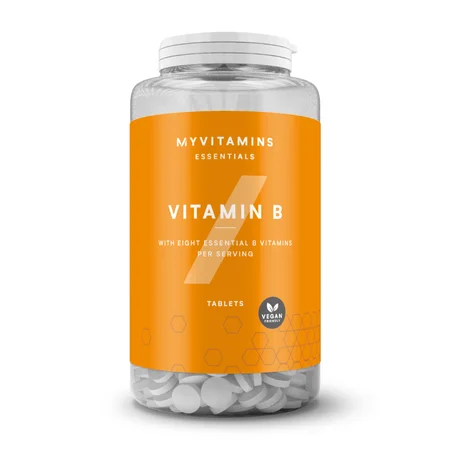
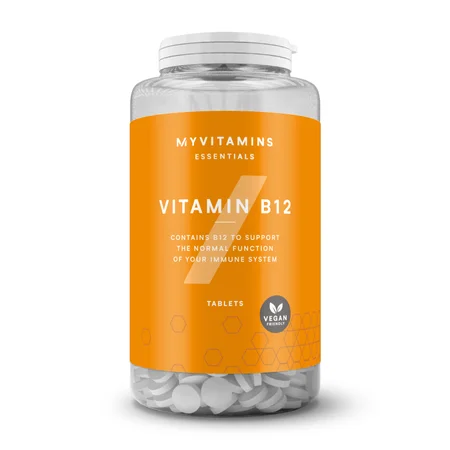


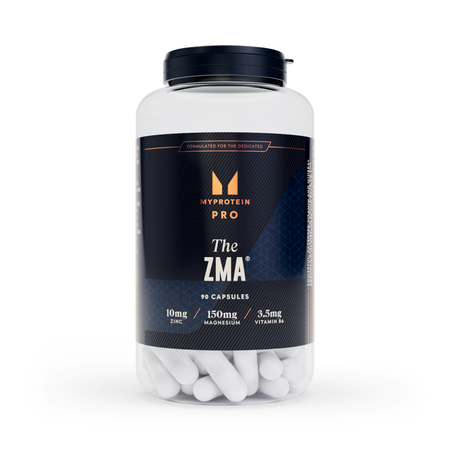

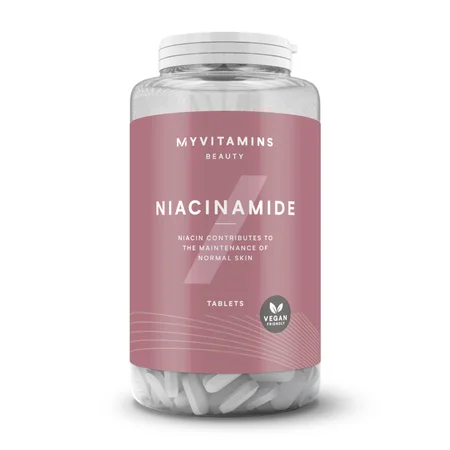

Shop Vitamin B Supplements at Myprotein
B vitamins are a group of eight water-soluble vitamins that play essential roles throughout the body. From supporting normal energy-yielding metabolism1 to contributing to the reduction of tiredness and fatigue2, these nutrients are involved in numerous bodily processes. Each B vitamin has specific functions, yet they often work together synergistically.
Our vitamin B range includes individual B vitamins and comprehensive B complex formulations designed to provide convenient daily support. Whether you're looking for targeted supplementation or a complete B vitamin blend, you'll find options that fit into your routine. Available in tablets and capsules, these supplements offer flexible ways to maintain your intake of these important nutrients.
Who Vitamin B Supplements Are For
B vitamin supplements suit anyone looking to maintain their intake of these essential nutrients through convenient daily supplementation. From busy professionals managing demanding schedules to fitness enthusiasts following structured training programmes, B vitamins fit various lifestyles. Those following plant-based diets may find B12 supplementation particularly relevant, as this vitamin is primarily found in animal-derived foods.
The variety in our range means there's something for different preferences. If you're after comprehensive support, a B complex provides all eight B vitamins in one formulation. Those preferring targeted supplementation can choose individual B vitamins like B6, B12, or riboflavin. The choice between tablets and capsules comes down to personal preference and ease of use in your daily routine.
When to Use Vitamin B Supplements
Most people take B vitamin supplements once daily, typically with a meal. Water-soluble vitamins like B vitamins aren't stored in the body in significant amounts, so regular intake helps maintain consistent levels. Taking them with food can enhance absorption and reduce the likelihood of stomach discomfort that some people experience with supplements on an empty stomach.
Timing is flexible based on what works for your schedule. Some prefer morning supplementation as part of their breakfast routine, whilst others incorporate B vitamins into their evening meal. The key is consistency rather than a specific time of day. If you're taking multiple supplements, B vitamins can generally be taken alongside other vitamins and minerals without interaction concerns.
Vitamin B Benefits
Energy Metabolism Support
Several B vitamins contribute to normal energy-yielding metabolism1, playing roles in the biochemical processes that convert food into usable energy. Riboflavin, niacin, pantothenic acid, vitamin B6, and vitamin B12 all share this authorized function. This doesn't mean B vitamins provide energy themselves, but rather that they're involved in the metabolic pathways that release energy from carbohydrates, fats, and proteins.
Reduction of Tiredness and Fatigue
Vitamin B6, vitamin B12, riboflavin, niacin, pantothenic acid, and folate all contribute to the reduction of tiredness and fatigue2. This reflects their roles in various physiological processes throughout the body. A B complex formulation provides these vitamins together in one convenient supplement.
Nervous System Function
Vitamins B1, B2, B3, B6, B12, and biotin contribute to normal functioning of the nervous system3. The nervous system relies on these nutrients for various biochemical processes. This authorized claim underscores the importance of maintaining adequate B vitamin intake through diet and, where appropriate, supplementation.
Psychological Function
Thiamine, niacin, vitamin B6, vitamin B12, biotin, and folate contribute to normal psychological function4. This encompasses cognitive and mental processes. B vitamins' role in psychological function makes them relevant nutrients across different life stages and circumstances.
Popular Picks
Looking for a comprehensive B vitamin blend? Vitamin B Tablets combine milk thistle extract with choline and inositol, plus vitamin B6 and niacin. Vitamin B6 contributes to normal energy-yielding metabolism1 and normal psychological function4, whilst niacin supports the normal functioning of the nervous system3.
FAQs
What is a vitamin B complex?
A vitamin B complex is a supplement containing all eight B vitamins: thiamine (B1), riboflavin (B2), niacin (B3), pantothenic acid (B5), vitamin B6, biotin (B7), folate (B9), and vitamin B12. These water-soluble vitamins each have distinct roles in the body, yet they often work together in metabolic processes.
B complex supplements provide a convenient way to obtain all eight B vitamins in one formulation rather than taking multiple individual supplements. The vitamins are typically present in balanced amounts designed to meet or exceed recommended daily intakes.
How do B vitamins differ from each other?
Each B vitamin has specific functions despite sharing some common roles. For instance, vitamin B12 contributes to normal red blood cell formation10, whilst biotin contributes to the maintenance of normal hair11. Riboflavin supports the maintenance of normal vision12, whereas folate has a role in the process of cell division13.
Some B vitamins share certain authorized claims. Both vitamin B6 and vitamin B12 contribute to normal homocysteine metabolism14 and the normal function of the immune system15. Several B vitamins contribute to normal energy-yielding metabolism1, including thiamine, riboflavin, niacin, pantothenic acid, vitamin B6, and vitamin B12.
Should I take individual B vitamins or a B complex?
The choice between individual B vitamins and a B complex depends on your specific needs and preferences. A B complex provides comprehensive coverage of all eight B vitamins in one supplement, which suits those wanting overall B vitamin support without managing multiple bottles.
Individual B vitamins make sense when you're focusing on specific nutrients. For example, someone following a plant-based diet might prioritize vitamin B12 supplementation since this vitamin is primarily found in animal-derived foods. Your dietary intake, lifestyle factors, and personal preferences all play into this decision.
What foods contain B vitamins?
B vitamins are found across various food groups. Whole grains provide thiamine, niacin, and vitamin B6. Meat, poultry, and fish offer vitamin B12, niacin, and vitamin B6. Eggs contain riboflavin, vitamin B12, and biotin. Legumes deliver folate, thiamine, and vitamin B6.
Leafy green vegetables are sources of folate, whilst dairy products provide riboflavin and vitamin B12. Nuts and seeds contain several B vitamins including thiamine and niacin. A varied diet incorporating foods from different groups naturally provides B vitamins, though some people choose supplementation for convenience or to address specific dietary patterns.
Can I take B vitamins with other supplements?
B vitamins are generally compatible with other vitamin and mineral supplements. Many multivitamins already include B vitamins alongside other nutrients. Water-soluble vitamins like B vitamins aren't stored in the body long-term, so regular intake is more important than avoiding combinations.
If you're taking multiple supplements, check the total amounts of each nutrient to ensure you're staying within appropriate ranges. Our product labels clearly list vitamin content, making it straightforward to track your intake across different supplements in your routine.
When is the best time to take vitamin B supplements?
Most people take B vitamin supplements with a meal, which can enhance absorption and minimize potential stomach discomfort. The specific meal doesn't matter as much as consistency in your routine. Some prefer morning supplementation with breakfast, whilst others incorporate B vitamins into lunch or dinner.
As water-soluble vitamins, B vitamins aren't stored significantly in the body, so daily intake maintains consistent levels. Choose a time that fits naturally into your schedule to support adherence. There's no need to split doses throughout the day unless you're taking particularly high amounts of individual B vitamins.
Are B vitamin tablets and capsules different?
The primary difference between tablets and capsules is the delivery format rather than the nutrients themselves. Tablets are compressed powders that dissolve in the digestive system, whilst capsules consist of gelatin or vegetarian shells containing powder or liquid.
Some people find capsules easier to swallow due to their smooth coating, whilst others prefer tablets for their typically longer shelf life. Both formats effectively deliver B vitamins once they reach the digestive system. The choice comes down to personal preference and any dietary considerations around capsule shell materials.
How were these vitamin B supplements developed?
Our vitamin B supplements were formulated by Myprotein's expert nutritionists who understand both the science of these nutrients and practical supplementation needs. The team considers factors like bioavailability, dosing convenience, and how products fit into broader nutrition and training regimens.
Each formulation undergoes rigorous quality testing to ensure it meets our standards for purity and potency. From selecting raw materials to final product testing, multiple quality checkpoints verify that what's on the label matches what's in the bottle.
What makes vitamin B12 particularly important?
Vitamin B12 stands out among B vitamins because it's primarily found in animal-derived foods like meat, fish, eggs, and dairy products. This makes it particularly relevant for people following plant-based diets who may have limited dietary sources. Vitamin B12 contributes to normal red blood cell formation10 and has a role in the process of cell division13.
Additionally, vitamin B12 contributes to normal functioning of the nervous system3 and normal psychological function4. It also supports normal energy-yielding metabolism1 and contributes to the reduction of tiredness and fatigue2. These multiple roles underscore why maintaining adequate B12 intake is important across different dietary patterns.
Do vitamin B supplements contain all the same amounts of each B vitamin?
Not necessarily. Different B complex formulations may contain varying amounts of each B vitamin. Some products provide equal amounts of all eight B vitamins, whilst others offer different ratios based on typical requirements or usage patterns.
Individual B vitamin supplements naturally focus on delivering specific amounts of just one B vitamin. When choosing a B complex, check the product label to see the exact amounts of each vitamin. This helps you understand whether the formulation aligns with your needs and how it fits alongside your dietary intake and any other supplements you're taking.
1. Riboflavin, niacin, pantothenic acid, vitamin B6, and vitamin B12 contribute to normal energy-yielding metabolism.
2. Vitamin B6, vitamin B12, riboflavin, niacin, pantothenic acid, and folate contribute to the reduction of tiredness and fatigue.
3. Thiamine, riboflavin, niacin, vitamin B6, vitamin B12, and biotin contribute to normal functioning of the nervous system.
4. Thiamine, niacin, vitamin B6, vitamin B12, biotin, and folate contribute to normal psychological function.
5. Zinc contributes to the maintenance of normal testosterone levels in the blood.
6. Vitamin B6 contributes to the regulation of hormonal activity.
7. Magnesium contributes to normal muscle function and normal protein synthesis.
8. Zinc contributes to normal protein synthesis.
9. Vitamin B6 contributes to normal protein and glycogen metabolism.
10. Vitamin B12 contributes to normal red blood cell formation.
11. Biotin contributes to the maintenance of normal hair.
12. Riboflavin contributes to the maintenance of normal vision.
13. Folate and vitamin B12 have a role in the process of cell division.
14. Vitamin B6, vitamin B12, and folate contribute to normal homocysteine metabolism.
15. Vitamin B6, vitamin B12, and folate contribute to the normal function of the immune system.