Instant overview
- Vitamin K is a fat-soluble nutrient that supports bone health and blood clotting; adults should aim for 90-120mcg per day
- Dark leafy greens such as spinach, kale, and collard greens are among the richest dietary sources
- Spring onions are a surprising high source, containing around 207mcg per cup
- Those taking blood-thinning medications should monitor vitamin K intake and consult a doctor before making significant dietary changes
Foods high in vitamin K include dark leafy greens, cruciferous vegetables, soya-based foods, and some animal products. Spinach (145mcg per cup), spring onions (207mcg per cup), and kale (140mcg per cup) are among the most concentrated sources. Adults need 90-120mcg per day, which is achievable through a varied diet containing these foods regularly.
Foods high in vitamin K: at a glance
- Food | Vitamin K content | Serving size
- Spring onions | 207mcg | 1 cup
- Spinach | 145mcg | 1 cup raw
- Kale | 140mcg+ | 1 cup raw
- Brussels sprouts | 120mcg | ½ cup
- Collard greens | 105mcg | 2 tbsp cooked
- Turnip greens | 105mcg | 2 tbsp cooked
- Broccoli (cooked) | 110mcg | 1 cup
- Broccoli (raw) | 90mcg | 1 cup
- Beef liver | 92mcg | 100g
- Green leaf lettuce | 100mcg | 1 cup
- Romaine lettuce | 60mcg | 1 cup raw
- Cabbage | 58mcg | 1 cup
- Avocado | 50mcg | 1 cup
- Edamame | 45mcg | 1 cup
- Asparagus | 70mcg | 1 cup
- Soya beans | 33mcg | 1 serving
- Soya bean oil | 3.4mcg | 1 tbsp
Jump to:
Vitamin K is a fat-soluble nutrient with crucial roles supporting bone health and blood clotting. It's recommended that adults consume between 90-120mcg of vitamin K per day.1 But where should you get it from? We've put together a list of 16 foods high in vitamin K, so getting enough in your diet should never again be an issue. It's well known that many vitamins and minerals are crucial to our health, but vitamin K is unique in that its intake needs to be monitored in those taking blood-thinning medications, so you should talk to your doctor before making any significant dietary changes.
16 foods high in vitamin K
Collard greens
Dark, leafy greens are typically associated with high levels of vitamin K, and collard greens contain 105mcg in just two tablespoons of cooked greens. While dense in many other nutrients, these greens are especially high in vitamin K.
Turnip greens
Turnip greens, while less commonly consumed than collard greens, contain the same amount (105mcg) of vitamin K in just two cooked tablespoons. These may be used in any dish of braised greens or added to a leaf lettuce assortment.
Spinach
Spinach is a commonly consumed source of vitamin K, containing 145mcg in one cup of raw spinach. Packed with nutrients, spinach can be added to smoothies without changing the flavour too much, scrambled with eggs, or served as a salad. Spinach is also a good plant-based source of iron.
Kale
Kale is another popular green high in vitamin K, containing more than 140 mcg in two cooked tablespoons or one cup raw. Kale is also high in vitamin A, calcium, and potassium, making it very nutrient dense for so few calories (about 35kcal in one cup).
Romaine lettuce
While not as dark in colour as kale or spinach, romaine lettuce is another green that is high in vitamin K, with about 60mcg in a cup of raw lettuce. Popular in caesar salads, romaine also contains high levels of vitamins C, K, and folate (B9).
Green leaf lettuce
Green leaf lettuce is higher in vitamin K than romaine lettuce, containing about 100mcg in one cup. Popular in salads, leaf lettuce has a deep green colour but a milder taste than kale or spinach. One cup contains only five calories.
Broccoli
Broccoli is high in vitamin K, with 90mcg in one cup of raw broccoli and about 110mcg in a cup of cooked broccoli. A good source of calcium, iron, and other minerals, broccoli also adds fibre and flavour to many dishes.
Cabbage
Popular as a diet food all on its own, cabbage can be cooked in soups, eaten shredded in salads, or even put in stir fries. This versatile vegetable is low in calories (about 6 calories per leaf), but it has a moderate amount of vitamin K (58mcg per cup), and makes up about 15% of your daily vitamin C needs.
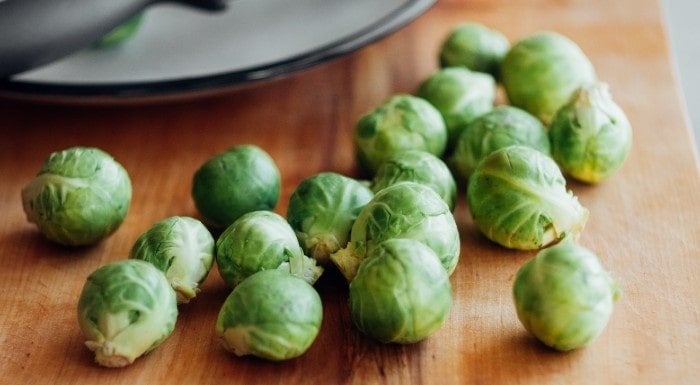
Brussels sprouts
Popular the world over, brussels sprouts look like mini cabbages and contain similar nutrients, with sprouts containing about 120mcg of vitamin K per half cup. Very nutrient dense, they also contain more than your daily requirement of vitamin C per cup, plus about 13g of dietary fibre.
Spring onions
While spring onions are not a traditional dark leafy green vegetable, they still contain plenty of vitamin K, with about 207mcg per cup. Often used for garnishes or cooked into dishes, they are also rich in vitamins A and C.
Asparagus
Asparagus contains about 70mcg of vitamin K per cup. It is low in calories, and also contributes fibre and folate to your diet as well as some protein (about 4g per cup).
Soya beans
Soya beans are a great vegan protein source, with 33mcg of vitamin K per serving. They are also good sources of fibre, phosphorus, and potassium.
Soya bean oil
Like soya beans, soya bean oil can contribute to your daily vitamin K intake. Often found in salad dressings or used as a cooking oil, soya bean oil contains 3.4mcg of vitamin K in a single tablespoon.
Edamame
Packed with fibre and protein, edamame is another form of soya bean that is popular for its flavour and nutrition. It's also a good vegan source of iron, containing about 45mcg per cup.
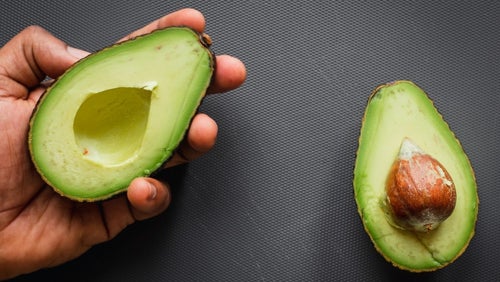
Avocado
Avocado is a fruit high in vitamin K, with one cup containing up to 50mcg. It's also a source of healthy fat and contains 3g of protein per cup. The avocado isn't a one trick pony either. Get the low-down on its other benefits below...
Beef liver
Beef liver is far from the most popular food, but it's incredibly nutrient dense, with 100g of beef liver containing 92mcg of vitamin K, as well as vitamin A, folic acid and iron.
Frequently asked questions
What food is highest in vitamin K?
Spring onions are one of the highest dietary sources of vitamin K, containing around 207mcg per cup. Dark leafy greens such as spinach (145mcg per cup) and kale (140mcg+ per cup) are also among the most concentrated sources and are more commonly consumed.
How much vitamin K do adults need per day?
90-120mcg of vitamin K per day is the recommended intake for adults.1 This is achievable through a varied diet that regularly includes dark leafy greens, cruciferous vegetables, and soya-based foods.
Is vitamin K found in animal foods as well as plant foods?
Yes. Beef liver is a notable animal source, with 100g containing 92mcg of vitamin K alongside vitamin A, folic acid, and iron. Most other concentrated sources are plant-based, particularly dark leafy greens.
Should I take a vitamin K supplement?
For most people, adequate vitamin K intake is achievable through diet. If you consistently struggle to consume enough through food, a supplement may be worth considering — but always consult your doctor first, particularly if you take blood-thinning medications, as vitamin K can interact with these.
Why is vitamin K important for people on blood-thinning medication?
Vitamin K plays a key role in blood clotting, which means significant changes in intake can affect how blood-thinning medications work. People taking these medications should monitor their vitamin K consumption and speak to their doctor before making major dietary changes.
Take home message
Vitamin K is crucial for our overall health, so it's important we try to consume foods rich in the vitamin. It's worth keeping these in mind to support getting your daily recommended intake. And if you still struggle to get enough of it in your diet, you may consider getting vitamin K from a supplement if your doctor thinks it would be beneficial.
Want more advice on vits? READ THESE NEXT:
10 Foods High In Vitamin B12
11 Foods High In Zinc

16 Foods High In Calcium

Claire is a registered dietitian and a certified health and wellness coach. She holds a master's degree in Clinical Dietetics and Nutrition from the University of Pittsburgh. With a strong background in both nutrition and coaching, Claire is passionate about using her expertise to help others achieve their health goals. In addition to her professional work, she is a certified indoor cycling instructor who enjoys running and yoga. When she’s not keeping active, she loves to cook for her family and cheer on her favourite sports teams from her hometown of Pittsburgh.
- Russell, Robert, et al. “Dietary reference intakes for vitamin A, vitamin K, arsenic, boron, chromium, copper, iodine, iron, manganese, molybdenum, nickel, silicon, vanadium, and zinc.” A Report of the Panel on Micronutrients, Subcommittees on Upper Reference Levels of Nutrients and of Interpretation and Uses of Dietary Reference Intakes, and the Standing Committee on the Scientific Evaluation of Dietary Reference Intakes Food and Nutrition Board Institute of Medicine (2001).
- U.S. Department of Agriculture, Agricultural Research Service. Food Data Central, 2022. fdc.nal.usda.gov.