Amino acids act as the fundamental building blocks of the body. They are the specific forms of protein used for growth and repair, making them a staple for anyone looking to build muscle or recover faster. Beyond physical structure, they are also used to create the hormones and neurotransmitters that send vital messages throughout our systems.
Because they can support everything from athletic performance to mood balance, many people turn to amino acid supplements to gain an extra edge. These compounds are categorised into three distinct groups: essential, conditionally essential, and non-essential amino acids. But how essential are they really when it comes to reaching your fitness goals?
Jump to:
- What are amino acids and why are they important?
- What is the difference between essential and non-essential?
- What are the essential amino acids?
- What are the non-essential amino acids?
- Conditionally-essential amino acids
- Why you should take amino acid supplements
- Benefits of amino acid supplements
- Different types of amino acid supplements
- FAQs about amino acids

What are amino acids, and why are they important?
Amino acids are the fundamental components that join together to form proteins. When you eat protein, your body breaks it down into these individual amino acids so they can be absorbed and repurposed for various biological functions.
They are important because they are involved in almost every biological process within the human body. They help build and repair tissues, support the immune system, and are necessary for the production of enzymes and neurotransmitters that keep your brain and body communicating effectively.
What is the difference between essential and non-essential amino acids?
The main difference lies in whether your body can produce them on its own or if you need to get them through your diet. There are 20 amino acids that make up human proteins, and they are categorised based on their availability.
Essential amino acids are those that your body cannot make, meaning it is vital that you consume them through food or supplements. Non-essential amino acids, on the other hand, are produced naturally by your body even if you don’t get them from the food you eat.
Within the essential group, you will find a specific subgroup known as branched-chain amino acids (BCAAs). These include leucine, isoleucine, and valine, which are often considered the most anabolic (muscle-building) because they account for over one-third of the protein found in your muscles.1,2

What Are BCAAs? Benefits, Best Food Sources and FAQs
A complete guide to branched-chain amino acids...
What are the essential amino acids?
There are nine essential amino acids that must be obtained from dietary sources. Each plays a specific role in maintaining your health and performance:
Leucine: A key driver for protein synthesis, muscle growth, and repair.3 Isoleucine: Involved in wound healing, hormone production, and immune function.4 Lysine: Crucial for tissue growth and the repair of muscle fibres.5 Methionine: Helps regulate metabolism, supports the immune system, and aids digestion.6,7 Phenylalanine: A precursor for other amino acids and neurotransmitters vital for brain function.8,9 Threonine: Supports the nervous system and plays a role in fat metabolism.10 Tryptophan: Helps regulate mood, appetite, and sleep cycles.11 Valine: A BCAA that works alongside leucine and isoleucine to support muscle repair.12 Histidine: Important for the production of hormones and enzymes, and particularly vital for growth in children.13

What are the non-essential amino acids?
Your body is clever enough to produce non-essential amino acids itself, so you don’t strictly need to focus on them in your diet. However, they still perform critical tasks:
Alanine: Key for energy production and metabolism in the muscles and brain.14 Aspartate: Supports the creation of other amino acids and hormones.15 Taurine: Acts as an antioxidant and supports heart and brain health.16
Conditionally-essential amino acids
Some amino acids are usually non-essential, but they become "essential" when your body is under significant stress or dealing with illness. During these times, your body might not be able to produce enough to meet its needs.
Arginine: Supports healthy circulation and oxygen flow.17 Cysteine: Necessary for protein synthesis and metabolic functions.18 Glutamine: The most abundant amino acid in the body, supporting repair and gut health.19 Tyrosine: Essential for producing neurotransmitters involved in brain function.20 Glycine: Important for cell growth, repair, and protein synthesis.21 Research suggests glycine may also improve sleep quality.22 Ornithine: Helps regulate important metabolic processes.23 Proline: Supports immune function and the repair of tissues.24
For more supplements that can help you sleep:

Why you should take amino acid supplements
While a balanced diet provides many amino acids, getting a high enough dose of certain ones—like the essential amino acids—can be a challenge. This is particularly true if you are physically active or following specific dietary patterns.
For example, leucine is vital for muscle growth, and studies suggest that you may need 3-4g per serving to fully stimulate muscle protein synthesis.25 Animal-based proteins like meat and eggs are "complete" sources, but plant-based options are often "incomplete," meaning they lack one or more essential amino acids.

Vegan Protein Powder | Best Vegan Alternatives To Whey Protein
Nutritionist unpacks your options....
Because plant proteins might lead to lower rates of muscle repair compared to animal sources, supplementing can help bridge the gap.26 Even if you aren't vegan, the modern shift toward reducing meat intake for environmental reasons makes amino acid supplements a convenient way to ensure you're covered.

Benefits of amino acid supplements
Supplementing with amino acids can offer several advantages for your training and general wellbeing. Here is how they might help:
Support muscle growth: By increasing your overall intake of amino acids, particularly BCAAs, you can help the rate of muscle protein synthesis exceed the rate of breakdown.27 Preserve lean muscle mass: Studies suggest that BCAAs may help reduce muscle breakdown, which is especially useful if you are training while in a calorie deficit.28,29 Reduce perceived fatigue: BCAA supplementation may help delay tiredness during exercise by influencing neurotransmitter levels in the brain.30,31,32 Faster post-workout recovery: Amino acids are absorbed more quickly than whole food proteins, which may help reduce muscle soreness (DOMS) and get you back to training sooner.33 Improve sleep quality: Specifically, glycine has been linked to better sleep quality. Research suggests it helps lower core body temperature, making it easier to fall and stay asleep.22

Different types of amino acid supplements
You can find amino acids as individual supplements or in specialised blends designed for specific goals.
BCAA supplements
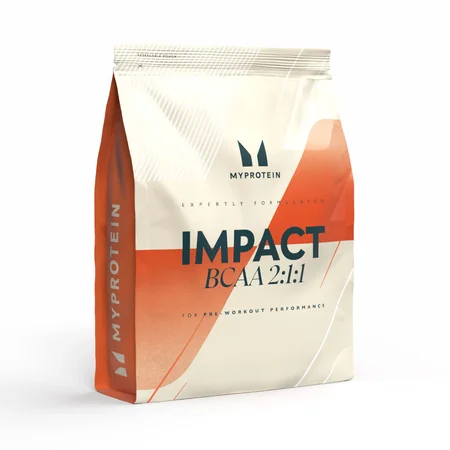
These usually feature a 2:1:1 ratio of leucine, isoleucine, and valine. Some blends offer a higher 4:1:1 ratio for those wanting an extra boost of leucine for muscle synthesis.
EAA supplements
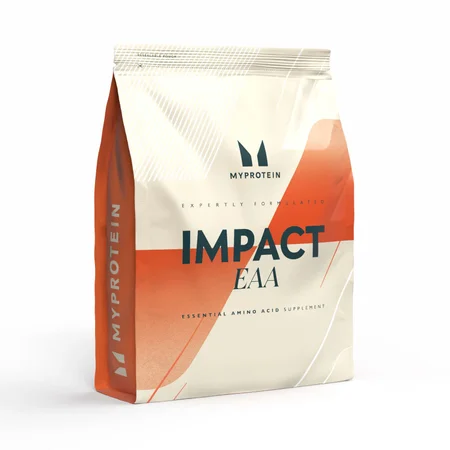
Essential amino ccid (EAA) supplements provide a concentrated dose of all nine essential amino acids. They offer a more comprehensive profile than BCAAs alone, ensuring your body has all the tools it needs for repair.
L-Glutamine Powder
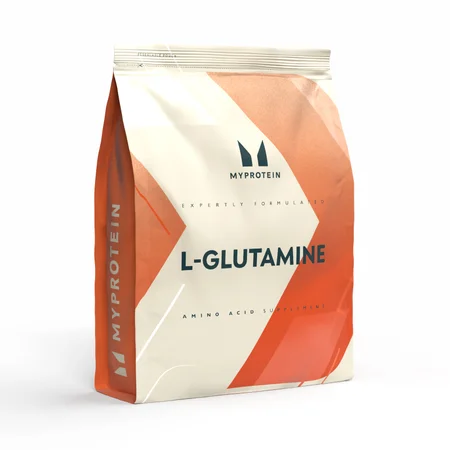
Glutamine is vital for protein formation and may support gut health and immune function.34 While the body makes it, high-intensity training can deplete your stores, making a supplement helpful.
Beta Alanine
This is a unique non-essential amino acid that isn't used to build protein. Instead, it helps produce carnosine, which reduces lactic acid build-up in your muscles during hard sets.14
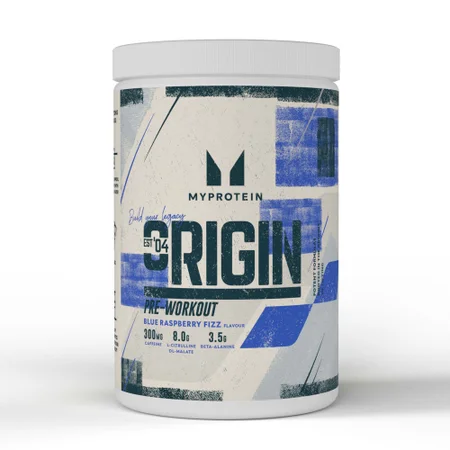
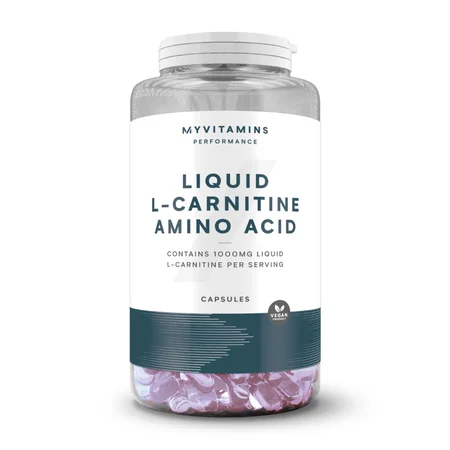
Carnitine
Synthesised from lysine and methionine, carnitine helps your body use fat for energy. It is associated with reduced inflammation and may help spare other amino acids for muscle building during exercise.35,36,37,38
FAQs about amino acids
Who are amino acid supplements suitable for?
Almost everyone can benefit from ensuring they have a complete amino acid profile, but they are particularly useful for active individuals and those with restrictive diets. If you have any medical concerns, it is always best to chat with a healthcare provider first.
When should you take amino acids?
Taking them before or after exercise is ideal for supporting muscle repair and reducing soreness. However, because your body is constantly breaking down and repairing tissue, spreading your intake throughout the day is often recommended.
Whey Protein Timing: When Is the Best Time to Take Protein?
We reckon any time is a good time, but here's what the experts say....
Can you take amino acids every day?
Yes, you can. Unlike fats or carbohydrates, your body cannot store protein, so you need a fresh supply every day to stay on top of your recovery and health goals.39,40
What foods are high in amino acids?
High-protein foods like meat, fish, eggs, and dairy are the most complete sources. Plant-based options like soy, quinoa, and buckwheat are also great, though they may have lower concentrations of certain amino acids.

10 Natural Food Sources High in Amino Acids
How you can get that protein power from your daily diet....
Are amino acids proteins?
Proteins are made of long chains of amino acids, so while they are the foundation of proteins, they aren’t protein themselves. It’s a bit like building a house – bricks are the foundation, but bricks in isolation are not a house.
Do amino acids help you sleep?
Specific amino acids like tryptophan and glycine are known to support sleep. Tryptophan helps produce serotonin, while glycine may help regulate your body temperature for a more restful night.41,22
Take home message
Amino acids are indispensable for health, especially if you lead an active lifestyle where muscle turnover is high. While they aren't a magic fix, ensuring you get a full spectrum of essential and non-essential amino acids can significantly support your recovery, mood, and performance. Whether through whole foods or convenient supplements, keeping your "building blocks" topped up is a smart move for your long-term goals.
FIND MORE HERE:

Guide To Pre-Workout: What Is It? When To Take It?
It's time to re-energise your exercise routine....
Myprotein's Best Whey Protein Flavours According To You
If you’ve ever found yourself in a protein-picking dilemma, a good place to star...

Whey Protein Explained: Concentrate, Isolate & Collagen Blends
It's a battle of the best....

-
Patel, K. (2022). Branched-chain amino acids. Examine.com. https://examine.com/supplements/branched-chain-amino-acids/
-
Shimomura, Y., Murakami, T., Nakai, N., Nagasaki, M., & Harris, R. A. (2004). Exercise promotes BCAA catabolism: Effects of BCAA supplementation on skeletal muscle during exercise. The Journal of Nutrition, 134(6), 1583S–1587S. https://doi.org/10.1093/jn/134.6.1583S
-
National Center for Biotechnology Information. (2021). PubChem Compound Summary for CID 6106, Leucine. https://pubchem.ncbi.nlm.nih.gov/compound/Leucine
-
National Center for Biotechnology Information. (2021). PubChem Compound Summary for CID 6306, l-Isoleucine. https://pubchem.ncbi.nlm.nih.gov/compound/l-Isoleucine
-
National Center for Biotechnology Information. (2021). PubChem Compound Summary for CID 5962, Lysine. https://pubchem.ncbi.nlm.nih.gov/compound/Lysine
-
National Center for Biotechnology Information. (2021). PubChem Compound Summary for CID 6137, Methionine. https://pubchem.ncbi.nlm.nih.gov/compound/Methionine
-
Martínez, Y., Li, X., Liu, G., Bin, P., Liao, P., & Yin, Y. (2017). The role of methionine on metabolism, oxidative stress, and diseases. Amino Acids, 49(12), 2091–2098. https://doi.org/10.1007/s00726-017-2494-2
-
National Center for Biotechnology Information. (2021). PubChem Compound Summary for CID 6140, Phenylalanine. https://pubchem.ncbi.nlm.nih.gov/compound/Phenylalanine
-
Akram, M., Daniyal, M., Ali, A., Zainab, R., Shah, S. M. A., Munir, N., & Tahir, I. M. (2020). Role of phenylalanine and its metabolites in health and neurological disorders. In Synucleins-Biochemistry and Role in Diseases. IntechOpen.
-
National Center for Biotechnology Information. (2021). PubChem Compound Summary for CID 6288, l-Threonine. https://pubchem.ncbi.nlm.nih.gov/compound/l-Threonine
-
National Center for Biotechnology Information. (2021). PubChem Compound Summary for CID 6305, Tryptophan. https://pubchem.ncbi.nlm.nih.gov/compound/Tryptophan
-
National Center for Biotechnology Information. (2021). PubChem Compound Summary for CID 6287, Valine. https://pubchem.ncbi.nlm.nih.gov/compound/Valine
-
National Center for Biotechnology Information. (2021). PubChem Compound Summary for CID 6274, Histidine. https://pubchem.ncbi.nlm.nih.gov/compound/Histidine
-
National Center for Biotechnology Information. (2021). PubChem Compound Summary for CID 5950, Alanine. https://pubchem.ncbi.nlm.nih.gov/compound/Alanine
-
National Center for Biotechnology Information. (2021). PubChem Compound Summary for CID 5960, Aspartic acid. https://pubchem.ncbi.nlm.nih.gov/compound/Aspartic-acid
-
National Center for Biotechnology Information. (2021). PubChem Compound Summary for CID 1123, Taurine. https://pubchem.ncbi.nlm.nih.gov/compound/Taurine
-
National Center for Biotechnology Information. (2021). PubChem Compound Summary for CID 6322, Arginine. https://pubchem.ncbi.nlm.nih.gov/compound/Arginine
-
National Center for Biotechnology Information. (2021). PubChem Compound Summary for CID 5862, L-Cysteine. https://pubchem.ncbi.nlm.nih.gov/compound/L-Cysteine
-
National Center for Biotechnology Information. (2021). PubChem Compound Summary for CID 5961, Glutamine. https://pubchem.ncbi.nlm.nih.gov/compound/Glutamine
-
National Center for Biotechnology Information. (2021). PubChem Compound Summary for CID 6057, Tyrosine. https://pubchem.ncbi.nlm.nih.gov/compound/Tyrosine
-
National Center for Biotechnology Information. (2021). PubChem Compound Summary for CID 750, Glycine. https://pubchem.ncbi.nlm.nih.gov/compound/Glycine
-
Bannai, M., & Kawai, N. (2012). New therapeutic strategy for amino acid medicine: Glycine improves the quality of sleep. Journal of Pharmacological Sciences, 118(2), 145–148. https://doi.org/10.1254/jphs.11r04fm
-
National Center for Biotechnology Information. (2021). PubChem Compound Summary for CID 6262, L-Ornithine. https://pubchem.ncbi.nlm.nih.gov/compound/L-Ornithine
-
National Center for Biotechnology Information. (2021). PubChem Compound Summary for CID 145742, Proline. https://pubchem.ncbi.nlm.nih.gov/compound/Proline
-
Waskiw-Ford, M. (2022). The impact of essential amino acid supplementation on free-living protein metabolism and recovery following resistance exercise in healthy adults (Doctoral dissertation, University of Toronto).
-
Pinckaers, P. J. M., Trommelen, J., Snijders, T., & van Loon, L. J. C. (2021). The anabolic response to plant-based protein ingestion. Sports Medicine, 51(Suppl 1), 59–74. https://doi.org/10.1007/s40279-021-01540-8
-
Jackman, S. R., Witard, O. C., Philp, A., Wallis, G. A., Baar, K., & Tipton, K. D. (2017). Branched-chain amino acid ingestion stimulates muscle myofibrillar protein synthesis following resistance exercise in humans. Frontiers in Physiology, 8, 390. https://doi.org/10.3389/fphys.2017.00390
-
Dudgeon, W. D., Kelley, E. P., & Scheett, T. P. (2016). In-workout supplementation with branched-chain amino acids helps maintain lean body mass while under a ketogenic diet. Journal of the International Society of Sports Nutrition, 13(1).
-
Mourier, A., Bigard, A. X., de Kerviler, E., Roger, B., Legrand, H., & Guezennec, C. Y. (1997). Combined effects of caloric restriction and branched-chain amino acid supplementation on body composition and exercise performance in elite wrestlers. International Journal of Sports Medicine, 18(1), 47–55. https://doi.org/10.1055/s-2007-972594
-
Smith, J. E., Garbutt, G., Lopes, P., & Pedoe, D. T. (2004). Effects of prolonged strenuous exercise on biochemical and haematological markers used in the investigation of patients in the emergency department. British Journal of Sports Medicine, 38(3), 292–294.
-
Holeček, M. (2018). Branched-chain amino acids in health and disease: Metabolism, alterations in blood plasma, and as supplements. Nutrition & Metabolism, 15, 33. https://doi.org/10.1186/s12986-018-0271-1
-
Cordeiro, L. M. S., Rabelo, P. C. R., Moraes, M. M., et al. (2017). Physical exercise-induced fatigue: The role of serotonergic and dopaminergic systems. Brazilian Journal of Medical and Biological Research, 50(12), e6432. https://doi.org/10.1590/1414-431X20176432
-
Weber, M. G., Dias, S. S., de Angelis, T. R., et al. (2021). The use of BCAA to decrease delayed-onset muscle soreness after a single bout of exercise: A systematic review and meta-analysis. Amino Acids, 53(11), 1663–1678.
-
Demling, R. H. (2009). Nutrition, anabolism, and the wound healing process: An overview. Eplasty, 9, e9.
-
Ferreira, G. C., & McKenna, M. C. (2017). L-Carnitine and acetyl-L-carnitine roles and neuroprotection in developing brain. Neurochemical Research, 42(6), 1661–1675. https://doi.org/10.1007/s11064-017-2288-7
-
Haghighatdoost, F., Jabbari, M., & Hariri, M. (2019). The effect of L-carnitine on inflammatory mediators: A systematic review and meta-analysis of randomized clinical trials. European Journal of Clinical Pharmacology, 75(8), 1037–1046. https://doi.org/10.1007/s00228-019-02666-5
-
Gnoni, A., Longo, S., Gnoni, G. V., & Giudetti, A. M. (2020). Carnitine in human muscle bioenergetics: Can carnitine supplementation improve physical exercise? Molecules, 25(1), 182. https://doi.org/10.3390/molecules25010182
-
Peeling, P., Binnie, M. J., Goods, P. S. R., Sim, M., & Burke, L. M. (2018). Evidence-based supplements for the enhancement of athletic performance. International Journal of Sport Nutrition and Exercise Metabolism, 28(2), 178–187. https://doi.org/10.1123/ijsnem.2017-0343
-
Poortmans, J. R., Carpentier, A., Pereira-Lancha, L. O., & Lancha Jr, A. (2012). Protein turnover, amino acid requirements and recommendations for athletes and active populations. Brazilian Journal of Medical and Biological Research, 45, 875–890.
-
Kerksick, C. M., Arent, S., Schoenfeld, B. J., et al. (2017). International Society of Sports Nutrition position stand: Nutrient timing. Journal of the International Society of Sports Nutrition, 14(1), 33.
-
Sutanto, C. N., Loh, W. W., & Kim, J. E. (2022). The impact of tryptophan supplementation on sleep quality: A systematic review and meta-analysis.