Creatine is proven to increase physical performance in short, high-intensity exercise, such as sprinting and weightlifting... but when should you take it?
The best time to take creatine is ultimately the time you'll remember to take it every day, as consistency matters more than a specific pre or post-workout window. Here's what you need to know about taking it before and after a workout, on rest days, and how much to take.
Jump to:
- What is creatine?
- The best time to take creatine
- How to take creatine
- Myprotein's best creatine supplements
- Frequently asked questions
What is creatine?
Creatine is a supplement shown to increase physical performance in short, high-intensity exercise, like sprinting and weightlifting.1 It plays a role in releasing energy in our cells for optimal muscle function. Although it's mostly used for improving performance, it has also been shown to aid muscle recovery after a workout.2
Most of the creatine in our bodies is found in skeletal muscle. It plays a crucial role in freeing energy from the cell's stores for use, and it also helps to rebuild one of the body's main sources of cellular energy, adenosine triphosphate (ATP). About half of the body's creatine comes from animal sources in our diet, and the liver and kidneys produce the rest.3
When creatine runs low, performance can decline,4 which is why it's worth keeping your stores topped up every day.
Summary: Creatine is a molecule found in the muscles that helps release energy for use during anaerobic exercise.

Why take creatine?
Creatine can help increase your performance during short-duration, high-intensity exercise, such as heavy lifting and power exercises.3 Regular diets provide 1-2g of creatine a day (found mainly in red meat and some seafood), which is about 60-80% of the maximum amount of creatine the muscles can store.3 This is why supplementing with creatine monohydrate powder is useful.
Creatine is also linked to increased body mass during training. Research has shown gains of up to 0.9-2.2kg (2-5lbs) more in athletes who supplement with creatine over several months compared to those who don't.2
Some of the potential performance-enhancing benefits of creatine include:
- increased performance during max effort lifts
- increased anaerobic threshold
- increased work capacity
- increased mental performance (eg memory, cognitive function)5

Athletes in the following sports may benefit from using creatine:
- max effort sports, like bodybuilding and weightlifting
- sprints (track, swimming, cycling) and track and field events
- sports with constant movement and running, like basketball, hockey, lacrosse, rugby, football and American football
- ice hockey
- volleyball
- skiing
- tennis
- combat sports6
Summary: Creatine is proven to be an effective supplement for sports and exercise performance.

Who should take creatine?
Creatine is suitable for anyone who wants to optimise their training. It's particularly beneficial for those trying to get stronger in explosive exercises, such as weightlifting or sprinting.
Those who follow vegan or vegetarian diets might see greater benefits from supplementing, as their regular diet may not contain much creatine.
If you're in a cutting phase, creatine can help preserve your creatine stores for your next training cycle. If you're bulking, it helps optimise creatine levels to support performance.
The best time to take creatine
The most common question people ask about creatine is when to take it. The short answer? It's not about a magical pre or post-workout window, it's about consistency.
Creatine works by saturating your muscles' energy stores over time, not through an immediate, one-off effect. This means the most important thing is to take your daily dose consistently, whether that's in the morning, before a workout or with your evening meal.
That said, there are some small benefits to taking it before and after your workout.
Pre-workout
Taking creatine around 30 minutes before your training session can help ensure your muscles are primed for action. While the effects aren't instant, having a small amount in your system can contribute to the energy needed for those short, high-intensity bursts.
Post-workout
Some experts recommend taking creatine after your workout, as this is when your muscles are most receptive to nutrients, helping them replenish the creatine stores used during exercise. Taking it with a combination of protein and carbohydrates can also help with recovery and muscle building.
It's been shown that creatine can help increase glycogen storage in the muscles post-workout when taken with carbohydrates (more than carbohydrates alone). Glycogen is stored energy for the muscles to use in the future, which helps performance and delays fatigue. Creatine also increases the fluid inside muscle cells, which can make muscles appear fuller.3
On rest days, consistency is key
Taking creatine on rest days is a great way to make sure you maintain a high level of it in your muscles. Because your creatine stores need replenishing, taking it on rest days helps your muscles prepare for your next workout.4
Ultimately, the best time to take creatine is the time you'll remember to take it every day. Creatine isn't a stimulant, so taking it before bed isn't a problem and has the same benefits. Just make sure you don't take it alongside a supplement that contains stimulants (eg many pre-workouts).

How to take creatine
There are two main approaches to creatine dosage: the loading phase and the maintenance phase.
Creatine loading
A loading phase involves taking higher doses for several days in a row to quickly saturate your muscle stores. You might try this if you've never used creatine before or haven't been using it for a while.
- The International Society of Sports Nutrition recommends loading with about 0.3g per kg of body weight a day for five to seven days.3
- For most people, this works out at about 5g, four times a day.
- Vegetarians, vegans, or people with a larger body mass may need larger doses of creatine to maximise their stores initially.
- If you choose to load, you can take doses throughout the day, including before bed.
Loading isn't essential. If you'd rather keep things simple, skip it and start with your daily maintenance dose.
Maintenance dosage
Once you've optimised your creatine stores, a daily dose is enough to maintain the higher level.
- The recommended maintenance dosage is typically 3-10g per day, depending on your body size.3
- Take it daily, on both training and rest days. Our creatine supplements provide 3-5g per serving, and the performance benefit comes from a daily intake of 3g.
Creatine cycling
Some people choose to cycle their creatine by taking it for a period, stopping, then starting again. However, there's no real evidence that this improves results.
Myprotein's best creatine supplements
Ready to add creatine to your routine? Here are some of our top picks, each designed to fit your lifestyle.
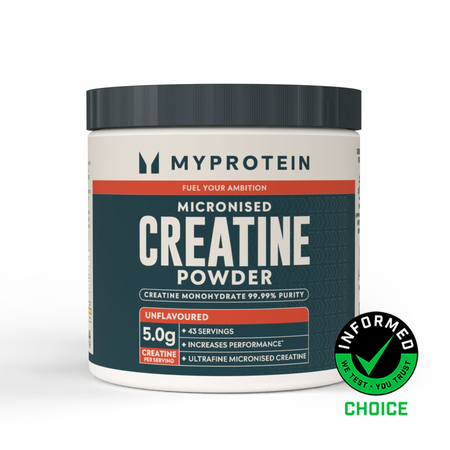
Impact Creatine
- Our most popular creatine, rated 4.7 out of 5 by over 5,000 customers.
- Each serving contains 3g of creatine monohydrate to help you break PBs.
- Developed alongside our Performance Advisory Board and certified by Informed Choice.
Micronised Creatine Powder
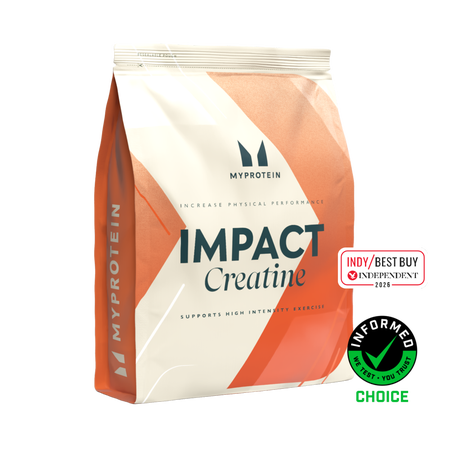
- Made from 99.99% pure creatine monohydrate, micronised for improved solubility and easy mixing.
- Each serving provides 5g of creatine monohydrate.
- Every batch is tested for purity and certified by Informed Choice.
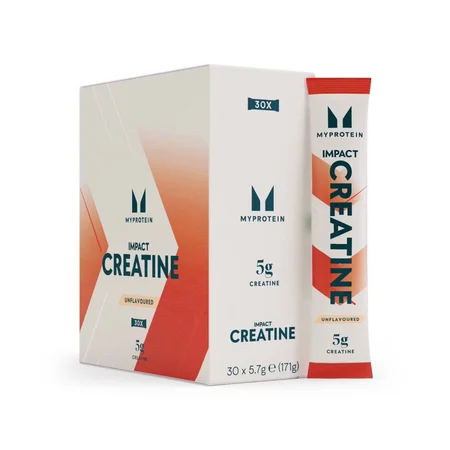
Impact Creatine Sachets
- Ready-to-go sachets, with no scoops and no measuring. Just grab, mix and go.
- Each sachet delivers 5g of creatine.
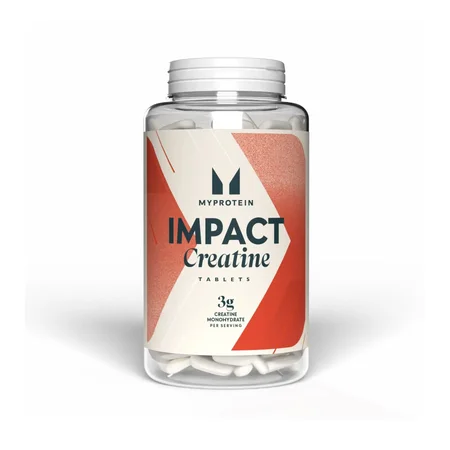
Creatine Monohydrate Tablets
- Convenient and hassle-free, perfect for taking on the go without the need for mixing.
- A great option for anyone looking for an easy-to-use creatine supplement.
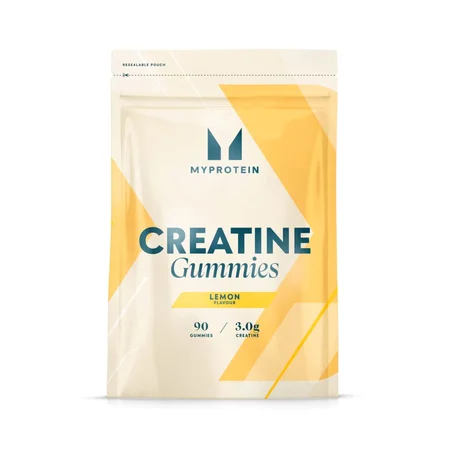
Creatine Gummies
- A tasty alternative to powders or tablets, with 1g of creatine monohydrate in every gummy.
- Three gummies give you your full 3g daily dose.
- No powders, no mixing, no mess... just grab, chew and go.
- Also available as Sugar-Free Creatine Gummies, with zero sugar.

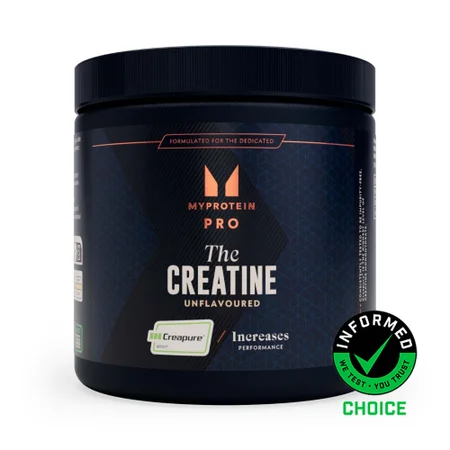
THE Creatine (Creapure®)
- Powered by Creapure®, 99.99% pure creatine monohydrate, trusted by elite athletes worldwide.
- Formulated for athletes who demand the highest quality.
- Delivers 3g of creatine per serving to fuel repeated bursts of high-intensity effort.
- Informed Choice certified.
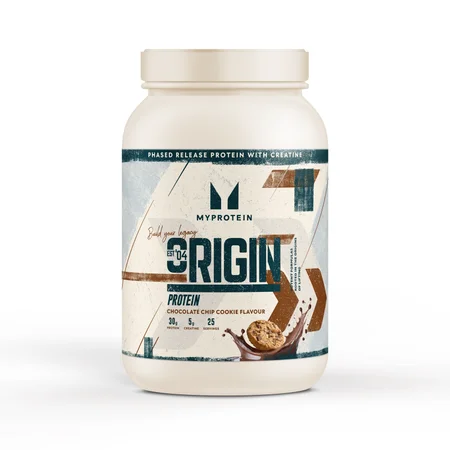
Origin Protein (with Creatine)
- Combines 30g of protein and 5g of creatine in a single serving.
- Features a phased-release blend of whey protein concentrate and micellar casein.
- An all-in-one option if you want your protein and creatine in one shake.
Frequently asked questions
What is creatine?
Creatine is a molecule found in the body that frees energy from cells for use and helps rebuild the cellular form of energy (ATP).
When should I take creatine?
The best time is whenever you can take it consistently. There are small benefits to taking creatine before and after a workout. If it's your first time supplementing creatine, you can start with a loading phase of four doses a day for five to seven days.
How should I take creatine pre-workout?
If you take creatine before training, aim to take it around 30 minutes before your workout.
How should I take creatine post-workout?
Post-workout, it's best to take creatine with carbohydrate and protein sources to support recovery.
What are the benefits of a creatine supplement?
Supplementing creatine helps maximise the creatine stored in your muscles. This contributes to an increased anaerobic threshold, increased work capacity and better performance during max effort lifts and sprints. Check out our creatine supplements.
Is it good to take creatine before bed?
Yes, taking creatine at any time of day, including before bed, can have benefits. Creatine isn't a stimulant, so taking it before bed isn't a problem.
Should you take creatine with food?
Yes, taking creatine with food or a shake containing carbohydrates can increase its absorption.
Should you take creatine with water?
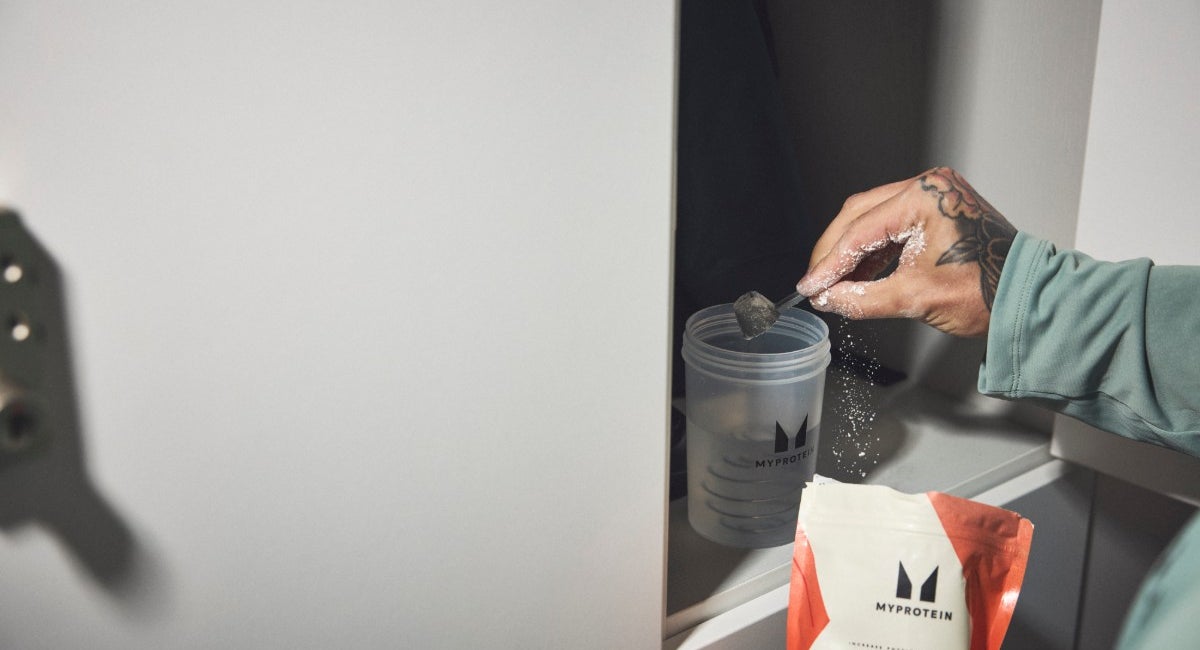
Yes, creatine can be taken with water or mixed into a pre or post-workout shake. Creatine can cause some water retention in the muscle tissue, but this isn't caused by the water you take it with.
Can you take creatine with other supplements?
Creatine can easily be taken with other supplements, as it is a naturally occurring substance in our bodies and is not competing for absorption with others. There are no well-documented detrimental effects on healthy individuals.3
Take home message
The best time to take creatine is whenever suits you and your routine. You can take it before or after workouts and on rest days, so there isn't a single rule to follow.
The most important thing is that you take it consistently.
Want more creatine advice?


Claire is a registered dietitian and a certified health and wellness coach. She holds a master's degree in Clinical Dietetics and Nutrition from the University of Pittsburgh. With a strong background in both nutrition and coaching, Claire is passionate about using her expertise to help others achieve their health goals. In addition to her professional work, she is a certified indoor cycling instructor who enjoys running and yoga. When she’s not keeping active, she loves to cook for her family and cheer on her favourite sports teams from her hometown of Pittsburgh.
References
- Rodriguez, N. R., DiMarco, N. M., & Langley, S. (2009). Position of the American Dietetic Association, Dietitians of Canada, and the American College of Sports Medicine: Nutrition and athletic performance. Journal of the American Dietetic Association, 109(3), 509-527.
- Kreider, R. B., Wilborn, C. D., Taylor, L., Campbell, B., Almada, A. L., Collins, R., … & Kerksick, C. M. (2010). ISSN exercise & sport nutrition review: research & recommendations. Journal of the International Society of Sports Nutrition, 7(1), 7.
- Kreider, R. B., Kalman, D. S., Antonio, J., Ziegenfuss, T. N., Wildman, R., Collins, R., … & Lopez, H. L. (2017). International Society of Sports Nutrition position stand: safety and efficacy of creatine supplementation in exercise, sport, and medicine. Journal of the International Society of Sports Nutrition, 14(1), 18.
- Harris, R. (2011). Creatine in health, medicine and sport: an introduction to a meeting held at Downing College, University of Cambridge, July 2010.
- Kreider, R.B., Jung, Y.P. (2011). Creatine supplementation in exercise, sport, and medicine. Journal of Exercise Nutrition Biochemistry, 15(2), 53-69.
- Williams, M. H. (1999). Facts and fallacies of purported ergogenic amino acid supplements. Clinics in sports medicine, 18(3), 633-649.