Multivitamin and mineral supplements are among the most widely available supplements on the market, sold everywhere from pharmacies to supermarkets. But do you actually need one? This article explains what multivitamins contain, who might benefit from taking them, and when a different approach might make more sense.
- What does a multivitamin contain?
- Do you actually need a multivitamin?
- What about vitamin D?
- What about calcium and magnesium?
- Should you take a multivitamin or individual supplements?
- Frequently asked questions
What does a multivitamin contain?
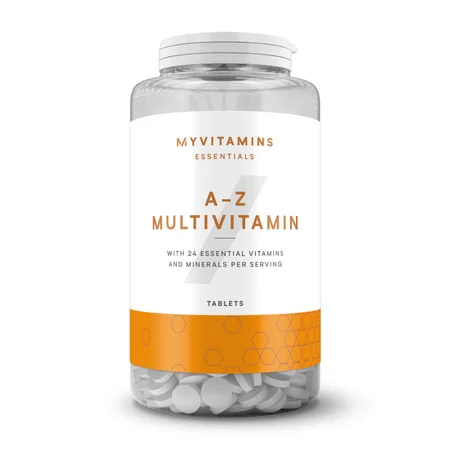
There is no set recipe for a multivitamin. They can contain almost any combination of vitamins, minerals and other substances, in whatever dose the manufacturer chooses.
That said, many multivitamin supplements follow established guidelines, particularly the Reference Nutrient Intakes (RNIs) in the UK. RNIs are set at a level designed to meet the nutrient needs of 95% of the population, so that most people don't become deficient in that nutrient. As a result, many multivitamins aim to provide at least 100% of the RNI for each nutrient they contain.
If you look at a multivitamin label, you'll typically see two values next to each nutrient: the amount, expressed in milligrams (mg, one thousandth of a gram) or micrograms (one millionth of a gram), and a percentage figure showing how much of the RNI that amount represents.
Vitamins and minerals are referred to as micronutrients because we need them in very small amounts. Protein, fats and carbohydrates, by contrast, are macronutrients, consumed in much larger quantities.
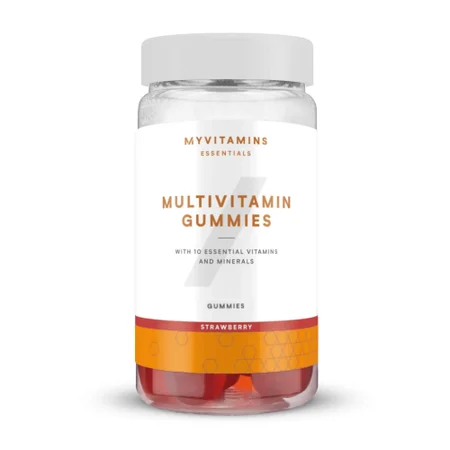
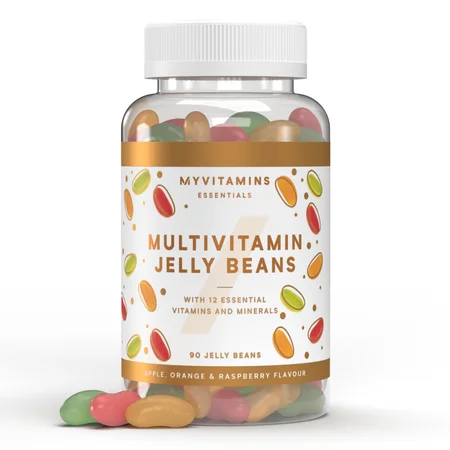
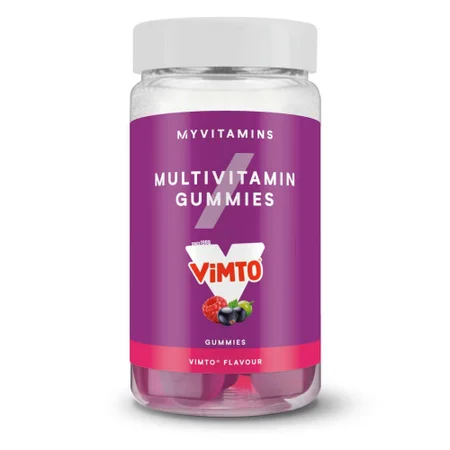
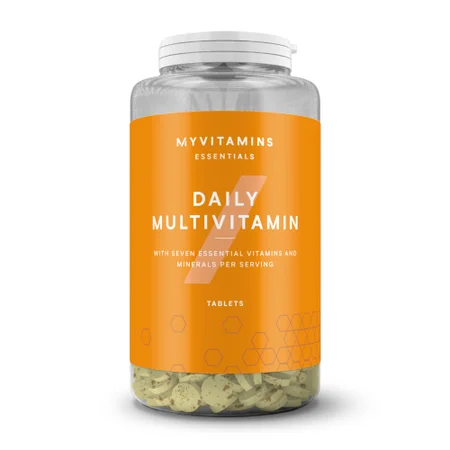
Do you actually need a multivitamin?
If you eat a well-balanced diet with enough calories and don't restrict any specific foods or food groups, the answer is probably no. A varied diet should provide everything you need.
However, UK population data suggests it's actually quite common for people not to get enough of certain nutrients, particularly calcium, iron, zinc, vitamin D and vitamin B12. This is often the result of unbalanced diets or restrictive eating patterns that eliminate entire food groups.
Some specific examples:
- People who don't eat red meat have a higher risk of being deficient in iron.
- People who don't eat dairy products have a higher risk of being deficient in calcium or iodine.
- Vegans tend to have higher rates of deficiency than the general population, because they avoid many nutrient-dense animal products. This doesn't mean vegan diets are inherently problematic, but vegans should be more proactive about making sure they're meeting their RNIs.
Another situation where a multivitamin might be useful is during an extended calorie-restricted diet. Eating less food over a prolonged period means taking in fewer vitamins and minerals overall, which increases the likelihood of falling short of requirements. For someone preparing for a physique or bodybuilding competition, for example, a multivitamin could be a practical way to cover nutritional bases during a long dieting phase.
In summary, if you're cutting out entire food groups or following a calorie-restricted diet, a multivitamin can act as a useful safety net.
What about vitamin D?
Vitamin D is something of a special case. It is not found in meaningful amounts in most common foods. The main source is sunlight: your body produces vitamin D when your skin is exposed to sunlight. The problem is that most people don't get anywhere near enough sun exposure to meet their needs.
For this reason, supplementing vitamin D is a good idea for many people, regardless of how balanced their diet otherwise is.
What about calcium and magnesium?
While most nutrients in a multivitamin are typically provided at 100% of the RNI, calcium and magnesium are two common exceptions. The RNI for calcium is 800-1000mg per day, and for magnesium it is 300mg per day. These are relatively large amounts in the context of vitamins and minerals, and it simply isn't possible to include full doses of both alongside all the other nutrients in a single capsule.
If you're concerned about your calcium or magnesium intake, it may be worth taking these as separate supplements rather than relying on a multivitamin to cover them.

The Health Benefits Of Magnesium & The Best Supplements To Take
Unlock peak performance and deeper rest with the ultimate guide to magnesium....
Should you take a multivitamin or individual supplements?
If you know that your diet is lacking in a specific nutrient or that your levels of a particular vitamin or mineral are low, it may make more sense to supplement that nutrient on its own rather than taking a multivitamin. You may not need everything a multivitamin contains, and a targeted supplement will address the specific gap more effectively.
Frequently asked questions
Who should consider taking a multivitamin?
People following restrictive diets that exclude whole food groups, those on extended calorie-restricted diets, and vegans who may not be meeting all their nutritional requirements are among those who may benefit most.
Does a well-balanced diet mean you don't need a multivitamin?
For most nutrients, yes. A varied diet with enough calories and no major food group restrictions should cover your needs. The one notable exception is vitamin D, which is difficult to get from food alone and is commonly low in people who don't get enough sun exposure.
Why don't multivitamins contain full doses of calcium and magnesium?
The daily requirements for calcium (800-1000mg) and magnesium (300mg) are too large to fit alongside all the other nutrients in a single capsule. If these are a concern, they're better taken as standalone supplements.
Is it better to take individual supplements or a multivitamin?
If you have a known deficiency or a specific nutrient gap in your diet, a targeted supplement is likely to be more effective. A multivitamin is better suited as a general safety net when the specific gaps are unclear.
Take home message
Multivitamins are a good option for people whose diets may be missing key nutrients, whether due to food restrictions, reduced calorie intake or limited food variety. For those eating a well-balanced, unrestricted diet, they're generally not necessary.
The one consistent exception is vitamin D, which most people struggle to get in sufficient amounts from food and sunlight alone. If you have a specific nutritional concern, a targeted supplement addressing that nutrient directly may be a better option than a multivitamin.