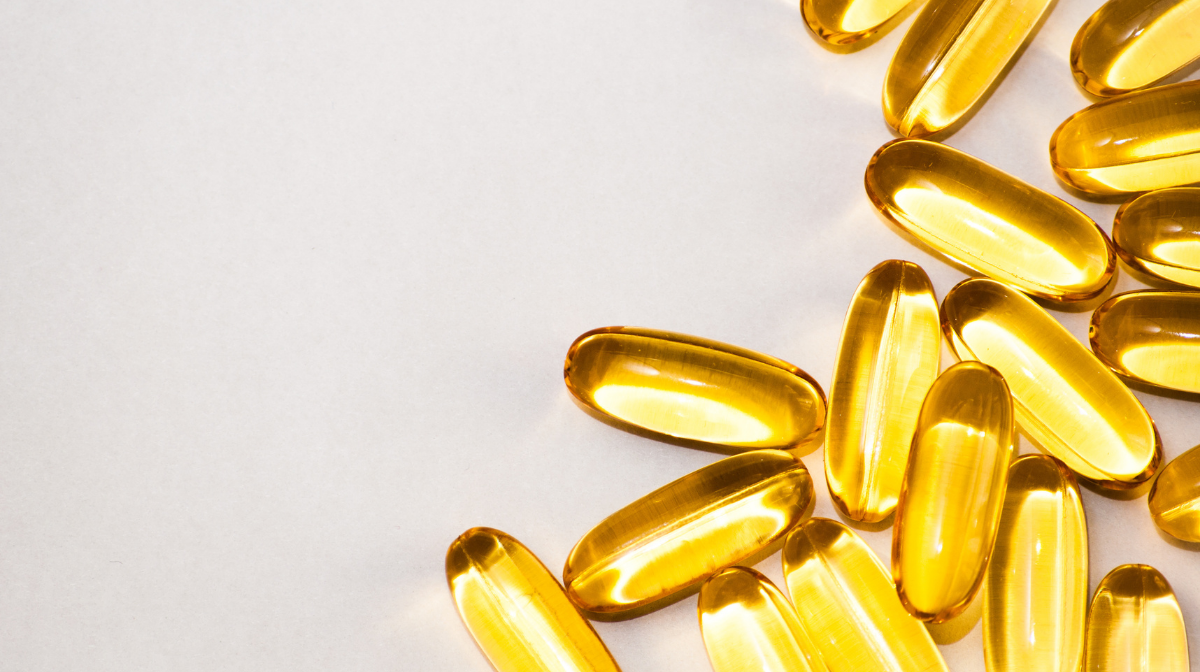
Essential fatty acids are among the most important nutrients in the diet, and omega-3 is one of the most widely discussed. Here’s what omega-3 actually is, where it comes from, what EPA and DHA do in the body, and what to look for in a fish oil supplement.
What are fats?
Fats are macronutrients made up of three fatty acids combined with a molecule of glycerol. Fatty acids can be divided into three main categories based on the type of bonds they contain.
Saturated fatty acids, found in foods like butter, meat and coconut oil, have no double bonds. This means their chains are straight and can pack together tightly, which is why saturated fats are often solid at room temperature.
Unsaturated fatty acids have at least one double bond, which creates a bend or kink in the chain. This prevents them from packing together as tightly, which is why they tend to be liquid at room temperature. If there is only one double bond, it is called a monounsaturated fatty acid, with oleic acid in olive oil being a well-known example. If there is more than one double bond, it is called a polyunsaturated fatty acid.
What are omega-3 and omega-6 fatty acids?
Polyunsaturated fatty acids can be further classified by where the first double bond appears in the chain.
If the first double bond appears at the sixth carbon atom from the end of the chain, it is called an omega-6 fatty acid. Omega-6 fatty acids are commonly found in plant fats such as sunflower oil, rapeseed oil and other vegetable oils, as well as in most seeds.
If the first double bond occurs at the third carbon atom from the end, it is called an omega-3 fatty acid. Omega-3 fatty acids are found in flax seeds, chia seeds, walnuts and oily fish.
Some unsaturated fatty acids cannot be made by the body, which means they must come from the diet. This is why they are called essential fatty acids. There are two: linoleic acid, the omega-6 essential fatty acid, and alpha-linolenic acid (ALA), the omega-3 essential fatty acid.
What are EPA and DHA?
ALA needs to be converted in the body to a more active, longer and more unsaturated form. These are known as long-chain polyunsaturated fatty acids. One of these longer fatty acids is eicosapentaenoic acid, or EPA. EPA is then converted further into docosahexaenoic acid, or DHA.
It is EPA and DHA that appear to have the most significant health benefits. They play a major role in a range of the body's processes, from immunity and brain development to heart health.
Where do you get EPA and DHA?
Oily fish is the best dietary source of EPA and DHA. White fish such as cod contains so little fat that it cannot be considered a meaningful source of omega-3. By oily fish, the key examples are salmon, trout, sardines, tuna and mackerel.
Mackerel is one of the richest sources, containing around 3.2g of omega-3 per 100g.
One commonly overlooked fact is that farmed salmon actually contains more omega-3 than wild salmon, because of the consistent feed it receives, which is already high in omega-3s.
The reason oily fish is so rich in EPA and DHA is that algae is at the base of the ocean food chain. These fatty acids build up progressively in the flesh of fish that consume it. This is also why algal oil supplements are an option for vegetarians and vegans who want to obtain EPA and DHA without eating fish.

Why take fish oil supplements?
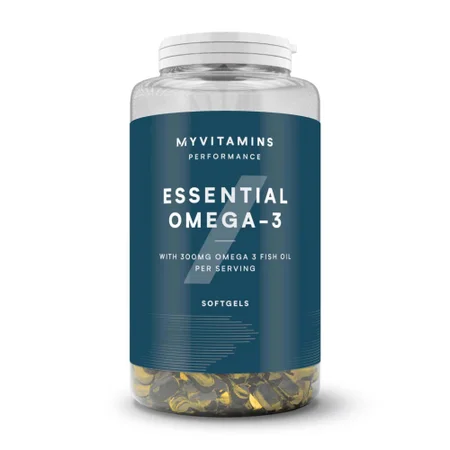
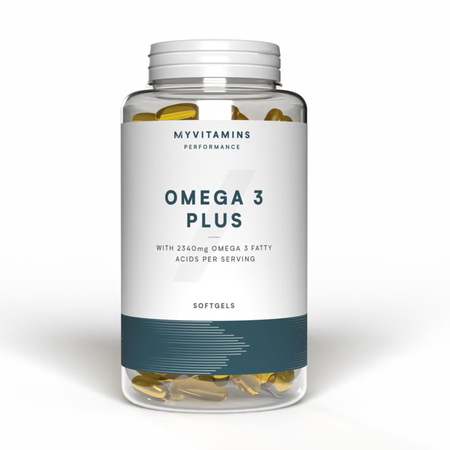
For those who don't eat enough oily fish, fish oil supplements offer a practical alternative. A dose of 1-3g per day provides EPA and DHA at a maximum of around 27 calories. When choosing a supplement, it's important to read the label carefully and check the amount of combined EPA and DHA per capsule, as this varies considerably between products. A good daily target is 1000-2000mg of combined EPA and DHA, and depending on the product, that may require several capsules.

What are the health benefits of EPA and DHA?
EPA and DHA are called essential fatty acids for a reason. Here is a brief overview of some of the evidence on their effects.
Brain development and function
DHA is essential for proper brain development and function, including before birth. Population studies that look at what people eat regularly have found that people with diets higher in DHA have a lower risk of declining brain function as they age.
For more direct evidence, we can look at intervention studies, where a specific supplement is given to a group of people to observe a specific effect. One intervention study found that high doses of DHA, around 2g per day, reduced brain shrinkage seen in older adults showing early signs of cognitive decline.1 There is also some evidence to suggest that fish oil supplements may help improve memory function in older people.
It is important to note that none of this research is yet definitive. A lot more evidence is needed before any firm conclusions can be drawn about the effect of fish oil supplements on brain health.
Muscle maintenance as we age
As we get older, we naturally lose muscle mass and strength, a process known as sarcopenia. EPA and DHA are among the supplements that show promise for helping older people maintain muscle size and strength.
One intervention study in adults aged 60 to 85 found that a little over 3g per day of combined EPA and DHA helped to increase muscle size, grip strength and one rep max strength in a number of exercises, including leg press and chest press.2
Triglycerides
One of the most well-established effects of fish oil is on triglycerides, which are one of the main blood lipids measured in a standard blood test, alongside total and HDL cholesterol.
Excessively high triglycerides are associated with a greater risk of cardiovascular problems. The good news is that triglycerides are very responsive to lifestyle changes: maintaining a healthy body weight, exercising and following a healthy diet can all help to reduce them.
Eating fish is also associated with reduced triglyceride levels, and for those who don't eat fish, fish oil or algal oil supplements may be a useful alternative.
Frequently asked questions
What is the difference between omega-3 and omega-6?
Both are polyunsaturated fatty acids, but they differ in where the first double bond appears in the chain. In omega-6, it is at the sixth carbon atom from the end. In omega-3, it is at the third. Omega-6 is found mainly in plant oils and seeds; omega-3 is found in oily fish, flax seeds, chia seeds and walnuts.
What are EPA and DHA?
EPA (eicosapentaenoic acid) and DHA (docosahexaenoic acid) are long-chain omega-3 fatty acids produced when the body converts ALA (alpha-linolenic acid). They are the most biologically active forms of omega-3 and appear to be responsible for most of its health benefits.
Can vegetarians and vegans get EPA and DHA?
Yes. Algae oil supplements provide EPA and DHA directly without any fish. This is also the original source of these fatty acids in the marine food chain, as fish accumulate them by consuming algae.
How much EPA and DHA should I take?
A daily intake of 1000-2000mg of combined EPA and DHA is a reasonable target. Always check the label of your supplement, as the amount of EPA and DHA per capsule varies significantly between products.
Is farmed salmon lower in omega-3 than wild salmon?
Actually, the opposite is true. Farmed salmon typically contains more omega-3 than wild salmon, because its feed is consistent and already high in omega-3s.
Take home message



14 Healthy Fat Foods You Should Eat
Here’s what to include and what to avoid when it comes to fats. ...

A Healthy Shopping List For Muscle Gain & Weight Loss
These are the foods that need to be on your list....

57 High-Protein Meal Prep Ideas for Weight Loss & Muscle
57 high-protein meal prep ideas, with macros for every recipe......