Instant overview
- You can bulk on a vegan diet by eating a calorie surplus of 400-600 calories per day alongside adequate protein
- Aim for 0.8-1g of protein per lb (1.8-2.2g per kg) of body weight, with protein making up at least 30% of daily calories
- Key vegan bulking foods include legumes, whole grains, nuts, seeds, dried fruit, meat alternatives, and protein powders
- Tracking calories, monitoring weight weekly, and staying hydrated are essential habits for successful vegan bulking
A vegan bulking diet is built on a calorie surplus, adequate protein, and smart food choices. Plant-based foods like legumes, whole grains, nuts, and protein powders can provide everything you need to add muscle — you just need to plan ahead and know which foods to prioritise.
Vegan bulking: at a glance
| Factor | Target | Key vegan sources |
|---|---|---|
| Calorie surplus | 400-600 calories above daily expenditure | Nuts, nut butters, avocado, dried fruit, oils |
| Protein intake | 0.8-1g per lb / 1.8-2.2g per kg of body weight | Legumes, tofu, tempeh, seitan, protein powder |
| Healthy fats | Incorporated at each meal to support calorie goals | Olive oil, avocado, nuts, seeds |
| Carbohydrates | Whole grain sources preferred | Brown rice, quinoa, farro, oats, whole grain bread |
| Hydration | At least 8 glasses per day, more on training days | Water; additional intake needed when sweating heavily |
Jump to:
- Can you bulk on a vegan diet?
- Which vegan foods are good for bulking?
- 7-day vegan bulking meal plan
- Vegan bulking tips
- Frequently asked questions

Can you bulk on a vegan diet?
When it comes to adding bulk, there are three key factors: an exercise routine that challenges your muscles enough to grow, adequate calories to support the exercise, and adequate protein to make your muscles grow and recover.
Once you have your workout routine down, make sure your foods provide enough calories to add bulk (about 400-600 more than you burn per day). You can use our calculator to check out our estimates.
Which vegan foods are good for bulking?
When bulking, we want to choose plant-based foods that are high in calories and those high in protein. As you'll see below, many of them are great sources of both.
Whole grains: whole grains, like brown rice, quinoa, farro, and others, are less processed than typical grain products, which often leaves them higher in protein and nutrition than their refined counterparts.
Legumes: beans, peas, and lentils are key for a well-rounded plant-based diet. Entire cultures have survived on beans and rice for years - a combination that provides all of the necessary amino acids. Beans, peas, and lentils can be shelf stable, easy to prepare, and very cost-effective sources of protein.
Foods high in fat: because fat contains 9 calories per gram (versus 4 calories per gram in protein and carbs), high fat foods are often high in calories as well. Choosing heart healthy fats are key - the idea is to add calories and make sure you stay in a calorie surplus for successful bulking. High fat foods like avocado, olive oil, coconut, nuts, nut butters and seeds are great for snacking and adding to meals.
Dried fruits: while fresh fruit is delicious and should be plentiful in a vegan diet, dried fruits contain the same number of calories in a smaller, easy to take on-the-go package. Add some dried fruits to your oatmeal, snacks, or salads for an extra calorie boost.
Meat alternatives: while tofu is super versatile - from extra firm tofu for sauteing and frying to silken tofu for smoothies and ramen bowls - there are many other high protein meat alternatives on the market. Plant based burgers and breakfast sausage are easy to find, and seitan (made from wheat) and tempeh (made from fermented soy beans) are used in a variety of vegan recipes.

Vegan bulking meal plan
Exact serving sizes and quantities will vary based on your calorie needs. Use our calculator for guidance.
Day 1
Breakfast
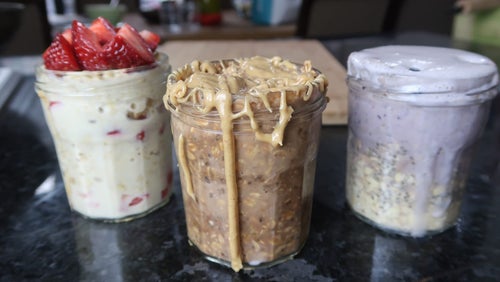
Protein Oats 8 Ways: High-Fibre Breakfast Recipes
Check oat these awesome oaty creations for breakfasts you'll never get bored of....
Soy Protein Shake with frozen banana and spinach Try our 3 vegan protein shakes using pea protein if banana and spinach isn't getting you excited.
Morning snack
Trail mix (dried fruit, nuts)
Lunch
Spinach salad with grilled tempeh, tomato, roasted red peppers, and avocado
Afternoon snack
Guacamole and tortilla chips
Dinner
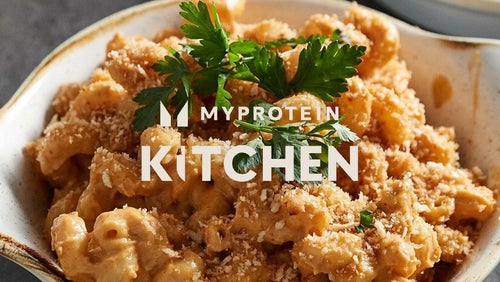
10 High-Protein Vegan Meals That You Can Make In 15 Minutes
No meat? No problem....
Veggie burger on potato bun, roasted cauliflower and sweet potato wedges Don't fancy a meat alternative? Try out our veggie bean burger recipe.
Day 2
Breakfast
Granola with maple syrup and high protein vegan yogurt
Morning snack
Chia seed pudding Try out some of our chia pudding recipes below.
Lunch
Roasted veggie wraps with hummus
Afternoon snack
Apple with peanut butter
Dinner
Roasted spaghetti squash with soy chorizo and tomato sauce
Day 3
Breakfast
Tofu scrambled with vegetables and nutritional yeast
Morning snack
Vegan Blend Protein Shake
Lunch
Spicy Seitan wings with side salad and corn bread
Afternoon snack
Edamame sauteed in olive oil with a pinch of salt
Dinner
Quinoa bowl with roasted veggies and tahini
Day 4
Breakfast
Avocado toast with tomato slices, lemon zest, and olive oil
Morning snack
Mixed berries and vegan yogurt
Lunch
Lentil vegetable soup with massaged kale salad
Afternoon snack
Crackers, cucumbers, and hummus
Dinner
Veggie stir fry with edamame and sauteed noodles
Day 5
Breakfast
Toast with peanut butter and banana
Morning snack
Vegan yogurt with almond butter and berries
Lunch
10 High-Protein Vegan Meals That You Can Make In 15 Minutes
No meat? No problem....
Veggie burger on a salad with vinaigrette dressing
Afternoon snack
Popcorn with nutritional yeast
Dinner
Gnocchi with sauteed mushrooms and spinach
Day 6
Breakfast
Smoothie with vegan yogurt, soy milk, frozen fruit, and chia seeds
Morning snack
Whole grain tortilla roll up with almond butter and granola
Lunch
Soy chorizo stuffed sweet potato with tahini
Afternoon snack
Protein Oats 8 Ways: High-Fibre Breakfast Recipes
Check oat these awesome oaty creations for breakfasts you'll never get bored of....
Pea Protein Shake
Dinner
Spicy roasted tofu, eggplant, and cashews with brown rice
Day 7
Breakfast
Porridge with soy protein powder, peanut butter, and banana Try out some of these recipes, and make them vegan by swapping out any whey protein for soy.
Morning snack
½ avocado and an orange
Lunch
Mashed chickpea salad (vegan mayo, chives, and lemon juice) on whole grain bread and side salad
Afternoon snack
Carrots and hummus
Dinner
Black bean quesadillas with avocado, salsa, and rice

How can vegans bulk?
1. Eat enough protein
When adding bulk, you want to aim for between 0.8-1g of protein per lb or 1.8-2.2g per kg of body weight.1 Protein should make up at least 30% of your daily calories.
2. Track your calories
While it seems tedious and time consuming, tracking your calories is one way to make sure you're hitting the necessary goals to add bulk. Staying between 400-600 extra calories per day ensures the fuel your muscles need to grow.
3. Monitor your weight weekly
While before and after photos are awesome, it's best to monitor your weight once a week under the same conditions - i.e., first thing in the morning or right before bed for consistency. Adding 1-2 pounds per week is a reasonable goal that won't compromise your health.
4. Stay hydrated
Eating more calories and protein makes your body do more work digesting and absorbing those nutrients; enough water and staying hydrated will allow your body to work efficiently. The more you sweat during your workouts, the more water you'll need to drink - in addition to your regular 8 glasses per day.
5. Don't neglect fats
Many plant-based foods are packed full of nutrition, but fat sources are not as plentiful as in animal-based proteins. Make sure you're finding ways to incorporate healthy fats (like olive oil, avocado, nuts, and seeds) to hit your calorie goals.
Frequently asked questions
Can you build muscle on a vegan diet?
Yes. A vegan diet can provide all the protein and calories needed to build muscle, provided you eat a sufficient calorie surplus and hit your protein targets. Planning ahead and choosing a variety of protein sources — including legumes, whole grains, tofu, tempeh, and protein powder — is key.
How much protein do vegans need to bulk?
0.8-1g of protein per lb of body weight (1.8-2.2g per kg) is the recommended target when bulking. Protein should make up at least 30% of your daily calorie intake. Blended plant-based protein powders can help bridge any gaps.
How many extra calories do you need to bulk?
400-600 calories above your daily expenditure is the recommended surplus for bulking. This provides the fuel your muscles need to grow without adding excessive body fat. Use a macro calculator to find your individual target.
What are the best vegan protein sources for bulking?
The best vegan protein sources for bulking include legumes (beans, lentils, peas), tofu, tempeh, seitan, whole grains such as quinoa and farro, and plant-based protein powders such as pea, soy, or brown rice protein blends.
How quickly should you gain weight when vegan bulking?
1-2 pounds per week is a reasonable and sustainable rate of weight gain when bulking. Monitoring your weight once a week under the same conditions — such as first thing in the morning — is the most reliable way to track progress.
Take home message
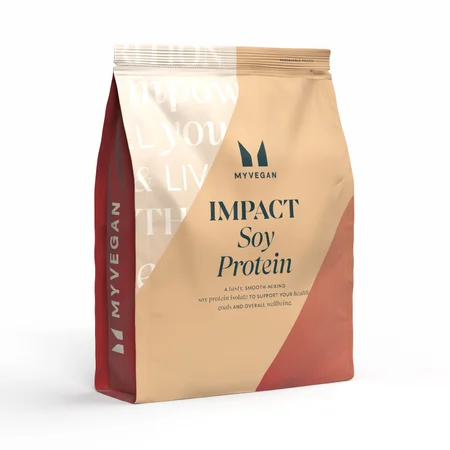
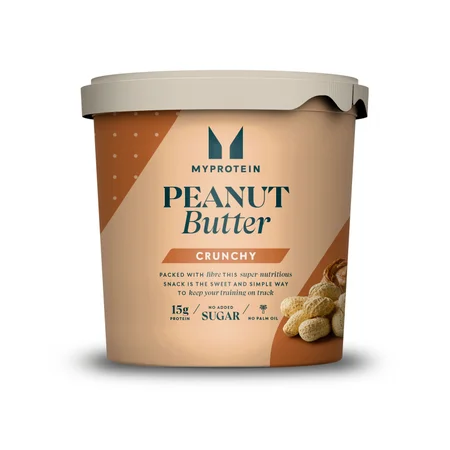

Eating a vegan diet does not mean you can't add mass and muscle. Vegan foods are nutritious and can be packed with the protein and calories you need to be successful with your bodybuilding goals. Planning ahead and keeping track of your nutrients are two keys to success. So get cooking!

1.Phillips, S. M., & Van Loon, L. J. (2011). Dietary protein for athletes: from requirements to optimum adaptation. Journal of sports sciences, 29 Suppl 1, S29–S38.