Instant overview
- Ditching animal products does not mean sacrificing muscle mass; a diverse plant-based diet easily covers structural recovery needs.
- Active individuals pursuing muscle hypertrophy can safely scale intakes up to **2g** of protein per kilogram of body weight daily.
- Whole grains like quinoa and seeds like chia provide comprehensive amino acid profiles alongside vital micronutrients and healthy fats.
- Highly concentrated plant isolates and tri-blends offer a convenient, rapid-digesting strategy to hit macronutrient targets.
Transitioning away from meat and dairy often triggers unnecessary anxiety regarding muscle retention and overall protein intake. In reality, the plant kingdom is filled with dense, highly bioavailable protein options capable of supporting intense athletic training and daily metabolic functions. By strategically combining diverse whole foods, legumes, nuts, and clean plant-based isolates, you can effortlessly hit your performance goals. This nutritionist-approved guide profiles the 18 best vegetarian and vegan protein sources to optimize your daily meal structure.
Plant-based protein profiles at a glance
| Protein source | Protein per **100g** | Primary carbohydrate type | Key micronutrient advantage |
|---|---|---|---|
| Organic Hemp Protein Powder | **50g** | Complex / Dietary fibre | Rich in magnesium, zinc, iron, and essential omega fatty acids. |
| Soybeans (Raw Baseline) | **36g** | Slow-digesting complex carbs | Provides a highly bioavailable, complete essential amino acid blueprint. |
| Peanuts (Whole Nut Raw) | **26g** | Complex with low glycemic impact | High concentration of heart-healthy monounsaturated fats. |
| Black Beans | **22g** | High-fibre complex starch | Packed with dense iron stores and cellular antioxidants. |
| Organic Chia Seeds | **17g** | Mucilaginous soluble fibre | Unmatched plant-based source of alpha-linolenic acid (omega-3). |
| Quinoa (Uncooked Grain) | **14g** | Low-glycemic complex starch | Supplies balanced magnesium, systemic iron, and cellular fibre. |
Ditching the meat and dairy, but not sure you’ll meet your protein requirements? Stop worrying right now. There are plenty of plant-based sources of protein for you to sink your teeth into.
Are vegans deficient in protein?
While most vegans are not deficient in protein, they simply need to pay closer attention to choosing high-protein, plant-based foods to include regularly in their meals. While vegans avoid meat, dairy, eggs, and other traditional animal-based sources of protein, there are many plant-based protein food sources and supplements that easily satisfy daily structural requirements.
How much protein do vegans need?
The daily recommended intake (DRI) for protein does not change for vegans. The official baseline recommendation for adults is **0.8–1.2g** of protein per kilogram of body weight per day. Those who are less active require around **0.8g** per kilogram of body weight, whereas those who lead highly active lifestyles need up to **1.2g** per kilogram.1 If you are actively trying to bulk or add lean muscle tissue, scientific literature recommends scaling your intake up to **2g** per kilogram of body weight each day.2
1. Quinoa

Quinoa (pronounced keen-wah, for the record!) is arguably one of the greatest protein and carbohydrate sources for vegetarians and vegans. Its couscous-like consistency makes it highly versatile for use in salads, casseroles, and even warm breakfast bowl recipes.
Quinoa is also remarkably high in iron, dietary fibre, and magnesium, making it an excellent, nutritionally complete whole food.
Protein: **14g** Carbohydrates: **64g** Fat: **6g**
2. Chia seeds
Chia seeds have grown significantly in popularity due to their exceptional omega-3 fatty acid content — which is higher than any other plant-based food. Their unique gel-like consistency when mixed with liquids makes them excellent across various recipes, particularly as a clean substitute for eggs in vegan baking.
They are also packed with bioavailable iron, zinc, calcium, and protective antioxidants.
Protein: **17g** Carbohydrates: **42g** Fat: **31g**
3. Soy
Soybeans are a brilliant addition to any fresh salad, stir-fry recipe, or enjoyed simply as a standalone mid-day snack. There are dozens of incredibly versatile products derived directly from whole soybeans, including tofu, tempeh, and fresh edamame beans.
It remains one of the highest-yielding, complete sources of protein for vegetarians and vegans, which is why it is widely utilized in high-quality lifestyle protein shakes.
Protein: **36g** Carbohydrates: **30g** Fat: **20g**
4. Beans
There are dozens of fantastic varieties of beans available, ranging from classic black beans to pinto and kidney beans. They form an excellent foundation for cold salads and can be easily combined with whole grains like rice to create a delicious dish rich in both complete proteins and complex carbohydrates.
Protein: **22g** Carbohydrates: **62g** Fat: **1.4g**
5. Hempseed

Hempseed is an outstanding source of plant protein, naturally rich in magnesium, zinc, iron, and calcium. It boasts significant amounts of all nine essential amino acids, as well as crucial anti-inflammatory fatty acids like omega-3.
While great whole, they are most commonly consumed in concentrated supplement forms. The baseline macronutrients for our organic hemp protein powder include:
Protein: **50g** Carbohydrates: **26g** Fat: **12g**
6. Nuts
Whole raw nuts — such as almonds, peanuts, and cashews — serve as exceptional daily sources of plant-based protein. For ultimate convenience, they can also be easily integrated into your dietary plan in the form of completely natural nut butters.
Protein: **26g** Carbohydrates: **49g** Fat: **16g**
7. Chickpeas

Chickpeas are highly versatile legumes, packing critical essential amino acids alongside a robust baseline protein content.
They are also the foundational ingredient used to make fresh hummus, which serves as a delicious, macro-friendly topping or dip for almost any savory snack.
Protein: **19g** Carbohydrates: **61g** Fat: **6g**
8. Green peas
Great tasting, highly affordable, and an easy way to tick off one of your daily vegetable portions while remaining low in overall calories. While they do not contain as much raw protein per gram as some heavier legumes on this list, their volumetric macronutrient ratios remain stellar for a green vegetable:
Protein: **1.8g** Carbohydrates: **7g** Fat: **1.2g**
9. Peanuts
Peanuts stand out as an incredibly cost-effective vegan source of dense protein. They can be enjoyed raw, roasted, or bought in highly concentrated forms such as completely all-natural nut butters to easily spread across snacks.
Protein: **26g** Carbohydrates: **49g** Fat: **16g**
10. Almonds
A fantastic whole-food alternative for anyone navigating a distinct peanut allergy, almond-based products are readily available everywhere. From fine almond flour to smooth almond butter, you can find dozens of creative ways to enjoy this classic vegan protein source. Opt for raw, completely unsalted varieties to ensure the highest nutritional value.
Protein: **20g** Carbohydrates: **20g** Fat: **50g**
11. Walnuts
Boasting a distinct flavor profile and brain-like shape, walnuts are a highly effective vegan protein source frequently used to elevate crisp salads or clean desserts. Because they are structurally calorie-dense, they are perfect for hardgainers who need to efficiently boost total daily energy intake.
Protein: **14g** Carbohydrates: **14g** Fat: **64g**
12. Cashews
Another popular and highly sought-after alternative to traditional peanuts, cashews are perfect when tossed into a raw trail mix for a quick boost of midday energy and healthy fats. They are also brilliant when blended directly into post-workout smoothies; a high-powered blender transforms them into a creamy texture with a naturally sweet flavor.
Protein: **18g** Carbohydrates: **30g** Fat: **44g**
13. Brussels sprouts
Packed with protective phytonutrients and insoluble dietary fibre, Brussels sprouts are a surprisingly solid vegetable source of vegan protein. While their raw yields per **100g** are lower than dense beans, they are so low in baseline calories that you can easily consume large, volumetrically filling portions without exceeding your nutritional macro targets.
Protein: **3.4g** Carbohydrates: **9g** Fat: **0.3g**
14. Sweet corn
Sweet corn is a crisp, popular vegetable that doubles as a subtle, low-fat source of vegan protein. Enjoying it boiled directly on the cob without excessive added salt or dairy butter is the most nutritious method of preparation, while plain air-popped corn can be utilized as a light, high-fibre snack.
Protein: **3.4g** Carbohydrates: **21g** Fat: **1.5g**
15. Oat bran
While the majority of fitness enthusiasts instinctively reach for quick oats or standard rolled oats, oat bran represents the specific part of the whole grain that contains the absolute highest concentration of vegan protein. Oat bran can be easily introduced into warm morning oatmeal bowls or consumed as a standalone hot cereal.
Protein: **17g** Carbohydrates: **66g** Fat: **7g**
16. Wild rice
Consider swapping out your conventional white or brown rice varieties for nutrient-dense wild rice if you want to naturally step up your daily vegan protein sources. Exceptionally low in calories, wild rice forms a fantastic, robust side dish to help safely scale up your total macronutrient intake for the day.
Protein: **4g** Carbohydrates: **21g** Fat: **0.3g**
17. Couscous
If you occasionally experience palate fatigue from repetitive batches of rice and quinoa, swap them out for couscous. This versatile, small grain cooks instantly and serves as an excellent vegan protein source to use as a side dish for savory stews, roasted vegetables, or filling protein soups.
Protein: **3.8g** Carbohydrates: **23g** Fat: **0.2g**
18. Vegetarian & vegan supplements
Many of the highly effective raw protein sources detailed above can be easily purchased in convenient, hyper-concentrated supplement forms, such as soy isolates, multi-source vegan protein powders, and pea protein isolates. These variations offer a significantly higher total protein percentage per scoop than their raw whole-food counterparts while being exceptionally fast and easy to consume on the go.
For a delicious and highly convenient option, our signature Vegan Protein Blend — precisely formulated from pure pea and fava bean isolates — delivers premium macros across five delicious flavors. The targeted macronutrient breakdown includes:
Protein: **73g** Carbohydrates: **14g** Fat: **1.8g**
Take-home message
You absolutely do not have to be a stereotypical, meat-reliant lifter to make serious physical gains today. There is an incredibly vast array of powerful plant-based protein sources and macro-friendly recipes available to help you build satisfying, delicious meals that support your long-term fitness ambitions.
Focus on stepping up your culinary skills, integrate a handful of these nutrient-dense protein sources into your weekly meal prep rotation, and watch your ve-gains take off.


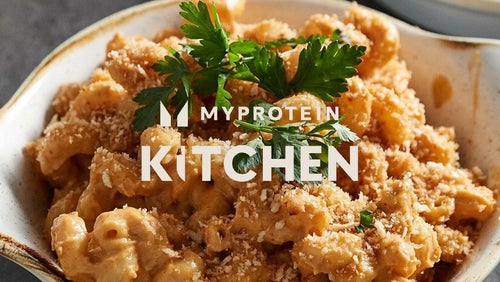
10 High-Protein Vegan Meals That You Can Make In 15 Minutes
No meat? No problem....
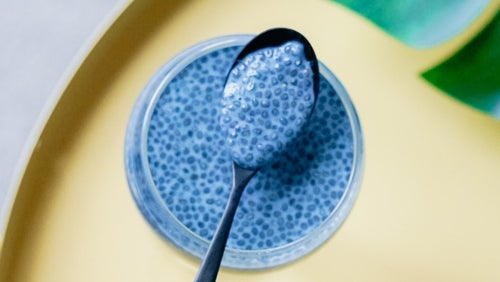
11 Health And Nutrition Benefits Of Chia Seeds
Who knew you could pack so much into one little seed?...

- U.S. Department of Health and Human Services. (n.d.). Nutrient recommendations: Dietary reference intakes (dri). NIH Office of Dietary Supplements. Retrieved September 24, 2021, from https://ods.od.nih.gov/HealthInformation/Dietary_Reference_Intakes.aspx.
- Helms, E. R., Aragon, A. A., & Fitschen, P. J. (2014). Evidence-based recommendations for natural bodybuilding contest preparation: nutrition and supplementation. Journal of the International Society of Sports Nutrition, 11(1), 1-20.