As we get older, most of us will lose some muscle and strength, whether we like it or not. Here's why that happens, what it means for your health, and what you can do to slow it down, or even build new muscle, regardless of your age.
Jump to:
- What is sarcopenia?
- When does muscle loss start?
- What are the health risks of losing muscle?
- Why do we lose muscle and strength as we age?
- Can you rebuild muscle as you age?
- What supplements can help reduce muscle loss?
- Frequently asked questions
What is sarcopenia?
The medical term for age-related loss of muscle and strength is sarcopenia. It's an extremely common process: some people lose as much as 40% of their muscle mass between their prime in their twenties and their eighties.1
When does muscle loss start?
For most people, muscle loss begins as early as their late twenties. It then speeds up considerably from the late fifties or sixties onwards. It isn't just muscle size that declines either: muscle strength tends to drop even faster than muscle mass itself.
What are the health risks of losing muscle?
Muscle isn't just about how you look. It also plays a real role in your health and quality of life.2 Low muscle mass, low muscle strength, and especially the combination of low muscle mass with high body fat, are linked to a wide range of negative health outcomes, including a higher risk of dying from any cause.
Muscle's wider role in the body
Exactly why isn't fully understood, but part of the explanation may lie in myokines, chemical messengers produced by muscle tissue that appear to help reduce inflammation throughout the body and influence cholesterol levels.3
Muscle, bone strength and falls
Sarcopenia is also linked to lower activity levels, which raises the risk of osteoporosis, or brittle bones. This is because the main signal that keeps bones strong comes from the pull of muscle on bone during movement, which is likely why strength athletes tend to have some of the highest bone densities on record.
Losing strength also increases the risk of falls and fractures, and the fear of falling can make some older people even less active, creating a vicious cycle of further muscle loss.
Frailty and independence
For many people, the biggest concern with low muscle and strength is becoming weak and frail, to the point where everyday tasks like getting out of bed, standing up from a chair, climbing stairs or carrying groceries become difficult or even impossible. This can make it much harder to live independently.4 The reduced quality of life that comes with it has also been linked to a greater risk of depression.
Why do we lose muscle and strength as we age?
There are several reasons behind age-related muscle loss.
Reduced activity
By far the biggest factor is a drop in activity. It's common for people to walk less and do less physical work as they get older, and many see retirement as a time to take things easier.
In reality, this isn't necessarily a healthy approach: exercise, especially resistance exercise, is the main stimulus for building or even just maintaining muscle, and without it, the body has little reason to hold onto what it has.
Research shows that older adults who stay active throughout life tend to have larger, healthier muscles, and those who lift weights throughout their life have the largest and strongest muscles of all.5
Anabolic resistance and muscle protein synthesis
Alongside inactivity, older adults also experience anabolic resistance, meaning the body doesn't respond as well to muscle-building signals as it once did. Muscle protein synthesis (MPS) is the process that maintains and builds muscle, and it can be stimulated in two ways: through exercise and by eating protein.
With anabolic resistance, older people may need more intense exercise and higher protein intakes than younger people to trigger the same amount of MPS.
Other contributing factors
A number of other factors can also contribute to anabolic resistance and muscle loss as we age, many of which are connected to reduced activity and ageing itself:
- Insulin resistance
- Higher levels of inflammation
- Reduced protein digestion
- Lower levels of anabolic hormones such as testosterone and oestrogen
- Reduced appetite
- Lower blood flow to the muscles
- Increased fat stored within the muscle itself
Can you rebuild muscle as you age?
The good news is that we're not destined to lose all our muscle as we age. While some decline is inevitable, lifestyle changes can slow it down considerably, and it's even possible for older adults to build new muscle, including well into their seventies and eighties.
The importance of resistance exercise
The most important step is simply becoming more active: any increase counts, so for someone who spends most of their time sitting, just walking more can be a good starting point. From there, progressing to resistance exercise, whether that's bodyweight exercises, resistance bands, weight machines or free weights, depending on ability, can help improve both muscle strength and size.
Protein and muscle maintenance
High protein diets that include foods such as lean meats, fish, eggs and low-fat dairy can help build and maintain more muscle than exercise alone.6 A 2022 meta-analysis combining the results of multiple studies found that protein supplementation enhances the effect of resistance exercise on muscle mass and strength in older adults.7
What supplements can help reduce muscle loss?
Getting at least 25-40g of protein per meal is especially important for maintaining muscle, though this isn't always easy for older adults with smaller appetites. Protein-dense foods like meat and dairy, along with certain supplements, can help make up the shortfall.
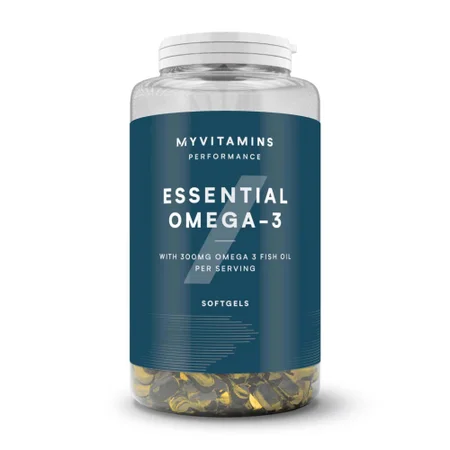
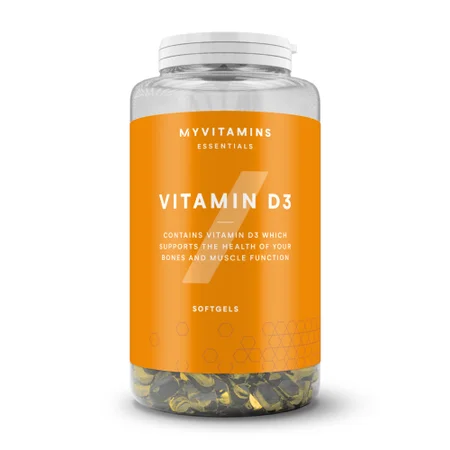
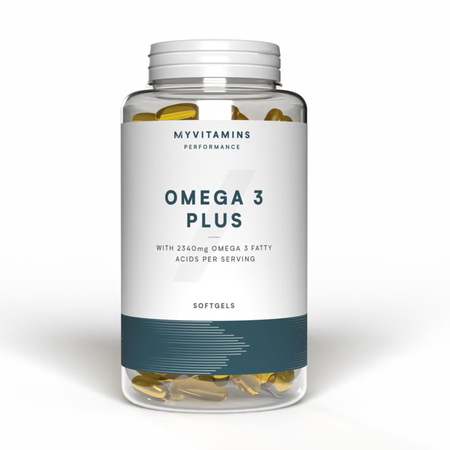
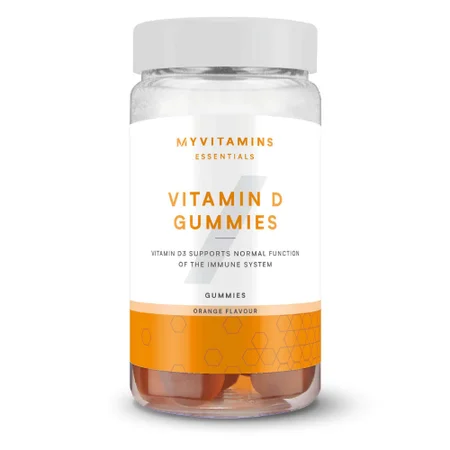
Other supplements, including creatine, vitamin D and fish oil, may also help people hold onto more muscle and improve their quality of life as they age.

Frequently asked questions
How much muscle can you lose as you age?
Some people lose up to 40% of their muscle mass between their twenties and their eighties. Muscle loss typically starts in the late twenties and speeds up significantly from the late fifties or sixties onwards, with strength declining even faster than muscle size.
What is anabolic resistance?
Anabolic resistance is the reduced ability of an older person's body to respond to muscle-building signals like exercise and protein, compared to a younger person's body. It means older adults may need more intense training and higher protein intakes to stimulate the same amount of muscle protein synthesis.
Can you build muscle in your seventies or eighties?
Yes. While some muscle loss is a normal part of ageing, it's still possible for older adults to build new muscle, even well into their seventies and eighties, through a combination of increased activity, resistance exercise and adequate protein intake.
How much protein do older adults need to maintain muscle?
Aiming for at least 25-40g of protein per meal is particularly important for maintaining muscle as you age. This can be harder to achieve for older adults with smaller appetites, so protein-dense foods like meat and dairy, or supplements, can help close the gap.
What supplements can help support muscle as you age?
Alongside a high protein diet, supplements including creatine, vitamin D and fish oil may help older adults hold onto more muscle and support their quality of life as they age.
Take home message
Losing muscle and strength is a normal part of ageing, but it isn't inevitable at the rate many people assume. Most muscle loss comes down to reduced activity and the body's declining response to exercise and protein, known as anabolic resistance.
Staying active, prioritising resistance exercise and getting enough protein, ideally 25-40g per meal, can slow this process considerably and even help build new muscle at any age. Making these changes isn't just about looking good: it plays a real role in protecting long-term health, strength and independence as you get older.
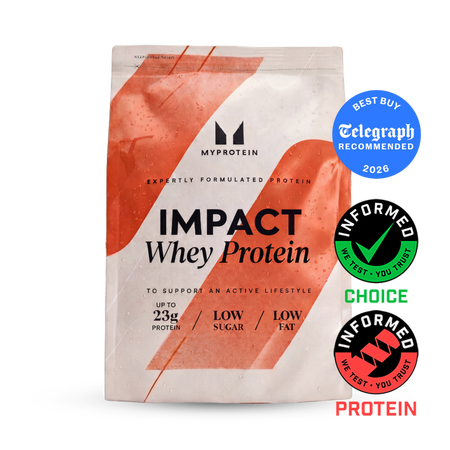
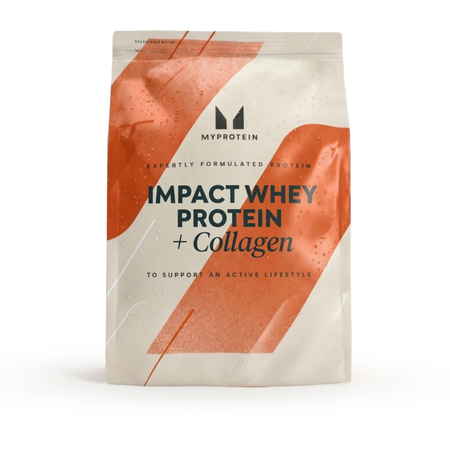
Looking for ways to support your muscles as you age? Browse our whey protein supplements and collagen blends:


Enjoy this article?
READ MORE HERE:


Dr Richie Kirwan is a Senior Lecturer at Liverpool John Moores University, where his research on muscle mass and cardiometabolic health has influenced health policy across the UK, Ireland and the USA. A leading authority on high-protein diets and resistance training, Richie translates complex science into actionable fitness advice. When off duty, you’ll find him in the gym, on the hurling pitch, or the salsa dance floor.
References
References
- Lexell, J., Taylor, C. C., & Sjöström, M. (1988). What is the cause of the ageing atrophy? Total number, size and proportion of different fiber types studied in whole vastus lateralis muscle from 15- to 83-year-old men. Journal of the Neurological Sciences, 84(2-3), 275–294.
- Kirwan, R., McCullough, D., Butler, T., Pérez de Heredia, F., Davies, I. G., & Stewart, C. (2020). Sarcopenia during COVID-19 lockdown restrictions: long-term health effects of short-term muscle loss. GeroScience, 42(6), 1547–1578.
- Pedersen, B. K., & Febbraio, M. A. (2012). Muscles, exercise and obesity: skeletal muscle as a secretory organ. Nature Reviews Endocrinology, 8(8), 457–465.
- Landi, F., Calvani, R., Cesari, M., Tosato, M., Martone, A. M., Bernabei, R., & Marzetti, E. (2015). Sarcopenia as the Biological Substrate of Physical Frailty. Clinics in Geriatric Medicine, 31(3), 367–374.
- Aagaard, P., Magnusson, P. S., Larsson, B., Kjaer, M., & Krustrup, P. (2007). Mechanical muscle function, morphology, and fiber type in lifelong trained elderly. Medicine & Science in Sports & Exercise, 39(11), 1989–1996.
- Morton, R. W., McGlory, C., & Phillips, S. M. (2015). Nutritional interventions to augment resistance training-induced skeletal muscle hypertrophy. Frontiers in Physiology, 6, 245.
- Kirwan, R. P., Mazidi, M., Garcia, C. R., Lane, K. E., Jafari, A., Butler, T., et al. (2021). Protein interventions augment the effect of resistance exercise on appendicular lean mass and handgrip strength in older adults: a systematic review and meta-analysis of randomized controlled trials. The American Journal of Clinical Nutrition, 114(5), 1735–1744.