If you want to eat more protein but aren't sure where to start, you're not alone. Protein helps build muscle, supports muscle maintenance when losing weight, and keeps you feeling full for longer. As a general rule, aiming for around 30g of protein per meal is a decent target for most people. Here are seven practical ways to get there.
1. Start the day with protein
Breakfast is typically the lowest protein meal of the day. In the UK, the average breakfast contains around 12g of protein, with most people defaulting to cereals, toast, fruit or a cup of tea or coffee.
Increasing protein at breakfast is one of the most effective ways to boost total daily intake. It also gives you an extra opportunity to support muscle growth, or to keep hunger under control until lunch.
High protein breakfast options to consider:
- Low-fat dairy products such as Greek yoghurt, cottage cheese or quark
- Eggs
- A protein shake
- Protein powder stirred into porridge
- A high protein smoothie made with fruit, oats, nuts and protein powder or high protein dairy
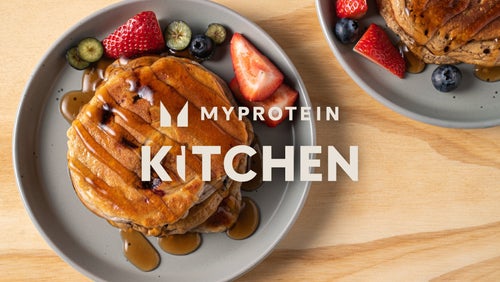
11 High-Protein Breakfast Recipes
No more boring breakfasts around here. You deserve better....
2. Build meals around a protein source
When planning meals, start by thinking about the protein. Whether that's meat, fish, chicken, eggs, beans or tofu, work out how much you need of that source to hit your protein target, then build the rest of the meal around it.
For example, to get 30g of high quality protein, you'd need at least 130g of chicken breast per serving.
Many people currently build meals around carbohydrates like pasta, rice or potatoes, with protein and vegetables as a secondary thought. This can result in meals that are calorie-heavy with relatively little protein. By focusing on the protein source first and completing the meal with vegetables and carbohydrates, you're more likely to hit your targets.
Kitchen scales and calorie tracking apps can be genuinely useful for learning how much protein is in the foods you eat, and for building more nutritionally balanced meals over time.
3. Eat more dairy
If dairy works for you, it's one of the easiest and most affordable ways to get high quality protein into your diet. Key options include:
Greek yoghurt: around 10g of protein per 100g, compared to around 5g or less in regular yoghurt Quark: similar to a thick yoghurt, also high in protein - Grated cheese added to meals
- A glass of milk or a small yoghurt alongside lower protein meals
Dairy is also a good source of other nutrients including calcium and iodine. It's widely available, comes in plenty of lower fat options if that's a consideration, and is relatively inexpensive.
4. Swap regular pasta for legume pasta
High protein pastas made from legumes such as chickpeas, lentils or peas are now widely available and can be used just like regular pasta. They offer two benefits: extra protein, and an easy way to include more legumes in your diet.
Legumes, including beans, peas and lentils, are high in fibre, polyphenols and minerals, making them a valuable addition to most diets. They're not especially common in the average UK diet, however, which makes legume pasta a practical way to incorporate them.
One tip: don't overcook legume pasta or it will turn to mush. You can also find pastas with added protein isolates, but whole food legume pastas are a solid addition to the diet in their own right.
5. Stock up on high protein snacks
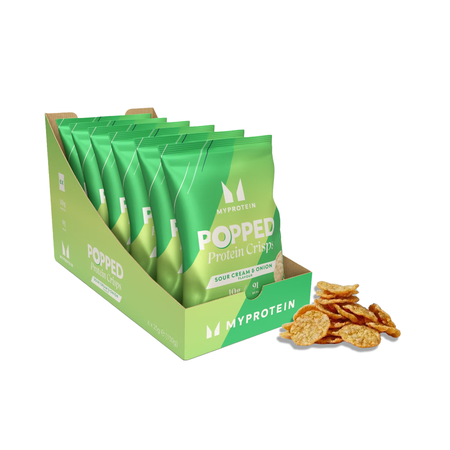
Keeping high protein snacks within easy reach makes it much easier to hit your daily protein target. Good options for your gym bag, locker or desk include:
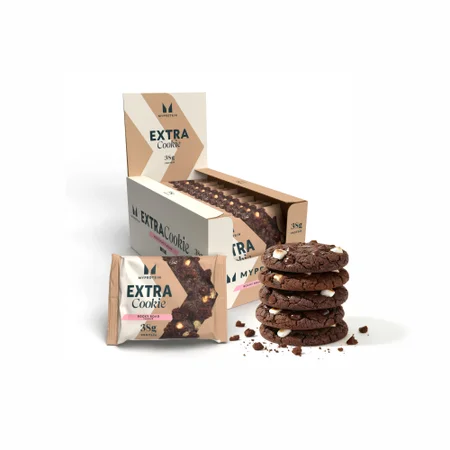
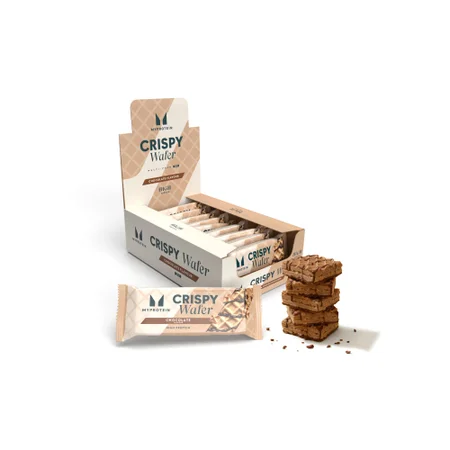
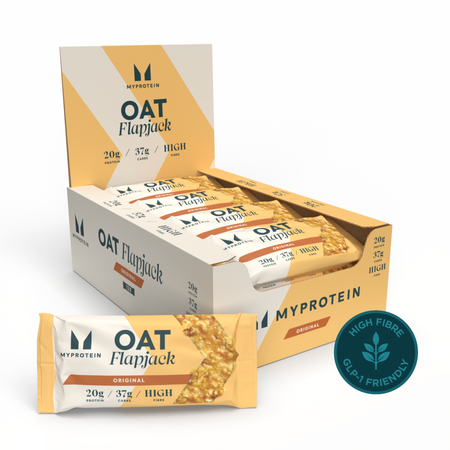
- Protein bars
- Jerky
- Sachets of protein powder, which can be mixed quickly whenever needed
For the fridge, yoghurts, dairy snacks, mini cheese wheels and hard-boiled eggs are all useful for topping up protein at otherwise low protein meals.
A standard supermarket sandwich might only contain around 20g of protein. Adding a small pack of jerky or a protein yoghurt can easily push that to 30 or even 40g.

6. Think protein per calorie
When cutting calories, it's common to hit your calorie target well before you hit your protein target. Choosing foods that deliver more protein per calorie makes it easier to meet both goals simultaneously.
To illustrate the difference: a piece of lean beef steak providing 25g of protein contains around 130 calories. The same amount of protein from almonds would come with around 684 calories. Nuts can be a great food, but they're not an efficient protein source if you're managing calorie intake.
7. Add a protein shake
If you're still struggling to hit your protein target after trying the above, a protein shake is a straightforward solution. Protein powder exists to do exactly this: to provide a convenient, easy way to increase protein intake without having to overhaul your cooking or eating habits.
You don't have to drink it as a shake either. Protein powder can be added to Greek yoghurt to make a high protein dessert, or stirred into oats for a protein-packed breakfast.
Frequently asked questions
How much protein should I aim for per meal?
As a general rule, around 30g of protein per meal is a reasonable target for most people. Requirements vary depending on body size, goals and activity level.
Why is breakfast so low in protein?
Most typical UK breakfasts are built around cereals, toast, fruit or drinks, which tend to be low in protein. On average, breakfast provides around 12g of protein, making it the most common meal where protein can be improved.
Are legume pastas worth trying?
Yes, particularly if you want to increase both protein and fibre intake without major changes to your diet. Chickpea, lentil and pea pastas are increasingly easy to find and can be used exactly like regular pasta.
Is dairy a good protein source?
Yes. Greek yoghurt, quark, milk and cheese are all high quality protein sources that are also affordable and widely available. Greek yoghurt in particular, at around 10g of protein per 100g, compares favourably with many other options.
Are nuts a good way to increase protein?
Nuts are a healthy food overall, but they're not an efficient protein source if you're also managing calorie intake. The same amount of protein that comes from 130 calories of lean beef would require around 684 calories from almonds.
Take home message