Eating healthily or hitting specific body composition goals does not have to be expensive. Richie Kirwan, nutritionist and researcher for Myprotein, shares the practical tips that have kept his food bill down since his university days, from shopping smarter to storing food so nothing goes to waste.
- Shop at discount supermarkets
- How to compare unit prices
- Buy in bulk
- Store food properly to reduce waste
- Buy frozen fruit and vegetables
- Take advantage of special offers
- Prepare more food at home
- Is organic food worth the extra cost?
- Frequently asked questions
Shop at discount supermarkets
Shopping at a discount supermarket is one of the simplest and most effective ways to cut your food bill. While it might sound obvious, many people still do their main shop at larger, more expensive supermarkets and end up paying more for products they could buy cheaper elsewhere.
Discount supermarkets price everything lower than larger chains, so you do not need to hunt for the cheapest items individually. Protein sources like meat, eggs and dairy, whole grains and unrefined carbs like oats, potatoes, brown rice and brown bread, fruit and vegetables, nuts and seeds, and even olive oil can all be bought for significantly less at these stores. These foods make up the bulk of a healthy diet, whether you are bulking, cutting or just maintaining.
How to compare unit prices
Unit price is the cost per standard quantity, such as per 100g or per 100ml, and is the most reliable way to compare products sold in different sized packages. When similar products come in different sizes, comparing the sticker price alone can be misleading.
In most supermarkets, the unit price is displayed beneath the product price on the shelf. This lets you compare two similar products even when the package sizes differ, and it is a particularly useful way of comparing popular brand products with own-brand versions.
Switch to own-brand products
Most big-name brands rely on their name and reputation to charge a higher price, even when the quality is not significantly different. Comparing the unit price of a brand-name cereal with the supermarket's own version often reveals a large gap, and in many cases you are simply paying for a name or a product you grew up eating at home.
Buy in bulk
Most stores sell bigger quantities of products like meat, rice or vegetables at a cheaper unit price. While a 1kg pack of chicken breasts costs more upfront than a 300g pack, the unit price works out significantly cheaper over time.
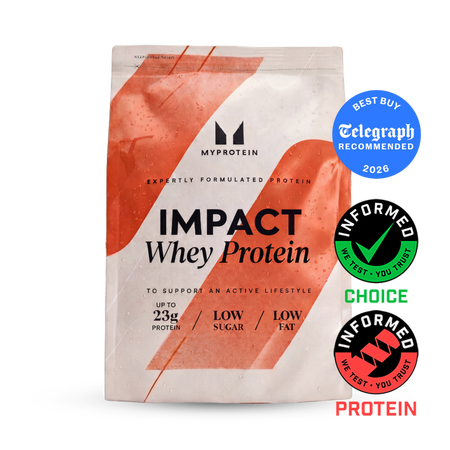
The same applies to supplements. A 5kg bag of whey protein is considerably cheaper per serving than a 1kg bag when you compare the unit price. For any food or supplement you use regularly, buying the larger quantity is usually the better deal.
Store food properly to reduce waste
Buying in bulk only saves money if you store food well enough to stop it going bad. The simplest approach is freezing, and you can freeze almost anything.
Portion out extra meat into individual zip-lock bags and freeze them. Bread can go straight into the freezer. Leftover pasta sauce can be stored in a small container and frozen. Cooked rice freezes well too. Portioning food before freezing makes defrosting easier and means you only thaw what you need, reducing waste further.
As a practical example, basil pesto often grows mouldy within a couple of weeks of opening. Pouring a fresh jar into a zip-lock bag and freezing it flat means you can snap off a piece whenever you need it, and it lasts indefinitely.
Buy frozen fruit and vegetables
Pre-frozen foods like meat, fruit and vegetables can be significantly cheaper than buying fresh. While fresh produce is often cheapest when bought in season, most people are used to having access to all fruit and vegetables year round. The price of frozen fruit and veg stays fairly constant and can work out cheaper than fresh, particularly for out-of-season produce.
Frozen food also has a nutritional advantage: it is usually frozen very soon after harvesting, which means it can retain more vitamins than fresh produce that may spend weeks in transport, storage and on supermarket shelves before being eaten.1,2,3
Take advantage of special offers
Buying groceries and supplements on special offer is one of the easiest ways to make significant savings. Look out for two-for-one or similar deals in the supermarket. Many supermarkets also discount food as it approaches its best-before date, which is a good time to pick up items like meat or fish that you can freeze as soon as you get home.
For supplements, it is worth waiting for sales and special offers and then buying what you need in bulk to make the biggest savings.
Prepare more food at home
Preparing food at home and eating out less can save a significant amount of money. Many people do not realise how large the markup is on food, even on cheaper items like sandwiches. If you have the time to prepare your lunches at home instead of buying them from a shop, cafe or restaurant, the savings add up quickly.
Cooking at home also gives you more control over your calories and macros, rather than trying to balance a meal from a supermarket or restaurant menu. There is also research suggesting that people tend to eat more when they eat out compared to eating at home.4,5
It is worth keeping in mind that cooking more at home can be time-consuming, and because time is a form of currency too, you need to consider whether the extra time investment is worth it for your situation.
Easy Ways to Increase Your Protein Intake
How to add more protein to every meal...
Is organic food worth the extra cost?
When it comes to organic food, you pay a significant premium for a product that nutritionally has no meaningful differences to conventional alternatives in terms of macronutrients, vitamins and minerals, and that does not really have any proven additional health benefits.6,7
There is some evidence that organic produce may be higher in certain phytonutrients,7 but how beneficial this is to health is difficult to determine. Organic produce can still use some approved pesticides and fertilisers,6 and in terms of environmental impact, it may not be better than conventional farming because of lower yields, more land usage and more intensive labour.8,9,10
If the price of organic produce is stopping you from buying plenty of fruit and vegetables, you would likely be better off buying and eating more conventional fruit and veg, which still provides plenty of vitamins, minerals, fibre and other phytonutrients.
Frequently asked questions
Do you have to spend a lot of money to eat healthily?
No. Eating a healthy diet that supports your physique goals does not require a large budget. Staple foods like oats, potatoes, brown rice, eggs and frozen vegetables are among the cheapest items in any supermarket, and shopping at discount stores brings costs down further.
Is frozen fruit and veg as nutritious as fresh?
Frozen produce can actually retain more vitamins than fresh, because it is typically frozen soon after harvesting. Fresh produce, by contrast, may spend weeks in transport and storage before it reaches your plate, during which time nutrient levels can decline.
What is unit price and why does it matter?
Unit price is the cost of a product per standard quantity, such as per 100g or per 100ml. It allows you to compare the true cost of similar products sold in different sized packages, making it easier to find the cheapest option.
Is it worth buying organic food?
Organic food costs significantly more but has no proven nutritional advantages over conventional products in terms of macronutrients, vitamins and minerals. If the higher price is limiting the amount of fruit and vegetables you eat, conventional produce is the better choice.
What is the best way to reduce food waste on a budget?
Freezing is the simplest way to prevent food waste. Portion out meat, bread, cooked rice and sauces into individual servings and freeze them. This makes defrosting easier and ensures you only use what you need.
Take home message
Eating a healthy, balanced diet that supports your physique goals does not need to be expensive. Shopping at discount supermarkets, comparing unit prices, buying in bulk, freezing food to reduce waste and preparing meals at home are all practical steps that can make a real difference to your food bill. Not every tip will suit every lifestyle or schedule, but even applying one or two of them can lead to meaningful savings.


- Bouzari A, Holstege D, Barrett DM. Vitamin retention in eight fruits and vegetables: a comparison of refrigerated and frozen storage. J Agric Food Chem. 2015;63(3):957-62.
- Rickman JC, Barrett DM, Bruhn CM. Nutritional comparison of fresh, frozen and canned fruits and vegetables. Part 1. Vitamins C and B and phenolic compounds. Journal of the Science of Food and Agriculture. 2007;87(6):930-44.
- Rickman JC, Bruhn CM, Barrett DM. Nutritional comparison of fresh, frozen, and canned fruits and vegetables II. Vitamin A and carotenoids, vitamin E, minerals and fiber. Journal of the Science of Food and Agriculture. 2007;87(7):1185-96.
- Nielsen SJ, Siega-Riz AM, Popkin BM. Trends in Energy Intake in U.S. between 1977 and 1996: Similar Shifts Seen across Age Groups. Obes Res. 2002;10(5):370-8.
- McCrory MA, Fuss PJ, Saltzman E, Roberts SB. Dietary Determinants of Energy Intake and Weight Regulation in Healthy Adults. The Journal of nutrition. 2000;130(2):276S-9S.
- Bourn D, Prescott J. A Comparison of the Nutritional Value, Sensory Qualities, and Food Safety of Organically and Conventionally Produced Foods. Critical Reviews in Food Science and Nutrition. 2002;42(1):1-34.
- Brandt K, Mølgaard JP. Organic agriculture: does it enhance or reduce the nutritional value of plant foods? Journal of the Science of Food and Agriculture. 2001;81(9):924-31.
- Klonsky K. Comparison of Production Costs and Resource Use for Organic and Conventional Production Systems. American Journal of Agricultural Economics. 2012;94(2):314-21.
- Gomiero T, Pimentel D, Paoletti MG. Environmental Impact of Different Agricultural Management Practices: Conventional vs. Organic Agriculture. Critical Reviews in Plant Sciences. 2011;30(1-2):95-124.
- Mondelaers K, Aertsens J, Van Huylenbroeck G. A meta-analysis of the differences in environmental impacts between organic and conventional farming. British food journal. 2009.