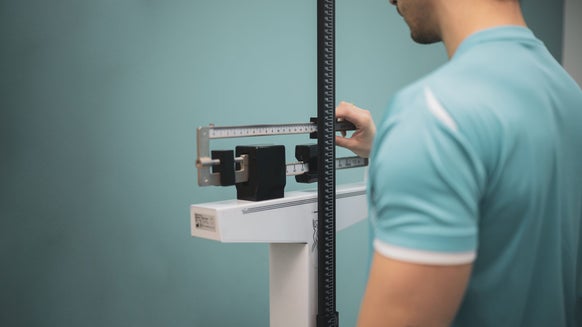
Most people know that losing weight means eating less. The hard part is doing it without feeling hungry all the time. A calorie deficit is essential for weight loss, but sticking to one for long enough to see results is far easier said than done… and that's where your food choices come in.
There's a lot of research into strategies, and specific foods, that help keep hunger at bay and make eating less a little easier. And remember, you don't win any points for making a diet more difficult than it needs to be.
Jump to:
- What is satiety?
- Why does protein keep you full?
- Can dairy help reduce hunger?
- Which high-fibre foods keep you full?
- Does caffeine reduce appetite?
- What is energy density and how does it affect hunger?
- Are liquid calories less filling than solid food?
- Why don't processed foods keep you full?
- What should you eat to stay full in a calorie deficit?
- Frequently asked questions
What is satiety?
Satiety is the process that stops you eating more, by reducing hunger and increasing fullness after a meal. It's what stops you feeling hungry until your next meal, and it may even lead you to eat less at that next meal.
There's good research showing that your food choices can and do affect satiety, and the total amount of food you eat.1,2 So anything that makes a lower-calorie diet more filling makes it easier to stick to.
Why does protein keep you full?
Protein is the most filling macronutrient: it's far more likely to keep you full than carbs or fat.3 In one long-term study, a high-protein diet providing about 30% of daily calories reduced the total amount of food people ate each day, which led to weight loss over time without feelings of hunger.4
How does protein affect your hunger hormones?
Protein seems to act on several of the hormones that control appetite:
- Leptin is a hormone released by fat cells.5 When leptin levels drop, which is what happens when you lose weight, it can lead to hunger. This is why people often feel hungry while they're losing weight.6 A high-protein diet might increase your body's sensitivity to leptin, so lower levels don't cause as much hunger.4
- PYY and GLP-1 are two hormones that increase satiety and lead us to eat less, and higher-protein diets seem to increase levels of both.7,8
These are probably some of the reasons why high-protein diets are so successful for weight loss. A higher protein intake can help with weight loss in other ways too, such as better muscle retention and an increased thermic effect of food.
Which protein foods keep you full?
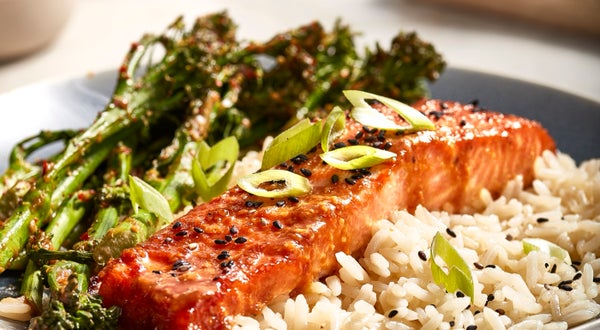
Low-fat dairy products (including protein powders), fish, lean meats, eggs and legumes are protein sources that have been shown to have strong effects on keeping you fuller for longer.9 Make sure you include plenty of protein with every meal.
Can dairy help reduce hunger?
Yes: eating more dairy has been shown to reduce hunger and calorie intake when dieting.10,11 Part of this effect may come from the protein in milk, as both whey and casein have satiating effects. It may also be down to milk's high calcium content.
One possible, but not proven, explanation is that low calcium levels in the body may increase appetite, especially for fatty, energy-dense foods.12 Low-fat dairy is an excellent source of calcium, and the calcium in dairy is well absorbed when digested.13,14 So increasing your calcium levels over the long term might also help to reduce appetite.
Reduced-fat milk, yoghurt, cottage cheese and quark are excellent sources of both protein and calcium, and milk-based protein powders are another option.
Which high-fibre foods keep you full?
Wholegrain cereal products, legumes, fruit, vegetables, nuts and seeds are all excellent sources of fibre, and high-fibre foods can help improve satiety and promote weight loss.15 Fibre is a type of carbohydrate that can't be digested by the enzymes our digestive system produces. It reduces appetite in three main ways:
- It slows the absorption of digested food in the small intestine, giving a steadier release of nutrients into the bloodstream, which can influence some of the appetite-control hormones above.
- It tends to reduce the energy density of food (more on that below).
- It can increase the volume of food in the stomach by absorbing liquid and expanding.
Which types of fibre work best?
Highly viscous fibres, which absorb water and thicken, seem to work best for satiety.16 You'll find them in foods like oats, rye, barley and psyllium seeds.
Fruit and vegetables have also been shown to help reduce appetite, thanks to their high fibre content and low energy density, but they need to be eaten in large enough amounts to have an effect.17 My advice is to eat plenty of fruit and vegetables with every meal.
Does caffeine reduce appetite?
Caffeine, found in coffee and tea among other sources, has been shown to reduce food intake when taken before a meal.18 It's one of a group of non-nutrients (substances in food that are neither macronutrients nor micronutrients) with some evidence that they can help reduce appetite.
What is energy density and how does it affect hunger?
Energy density is the amount of energy in a given weight of food, or the calories per gram, and lower-energy-density meals help reduce hunger. One of the biggest factors in a food's energy density is its water content. For example:
- 100g of spinach, which has a very high water content, contains about 30 calories
- 100g of cookies, which have a very low water content, contain about 460 calories
That makes the cookies about 15 times more energy dense than the spinach. Fibre mostly passes through the body without providing energy, so a higher fibre content also lowers a food's energy density.
Lowering the energy density of a meal by adding foods that are high in water and fibre has been shown to reduce hunger and the amount people eat later in the day.
How to lower the energy density of your meals
A simple way to do this is to add vegetables that are high in water and fibre, and low in energy, to a meal. You could also have a salad or soup before your main meal. The extra volume of food, with a lower energy density, can keep you feeling fuller for longer.
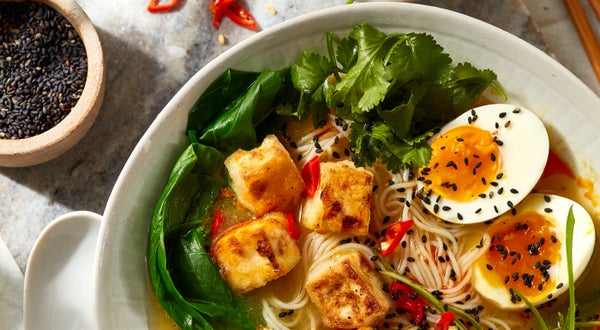
Making low-energy-density foods a bigger part of your diet does more than help you avoid hunger. Most of them, like fruit and vegetables, are also high in vitamins and minerals, so you'd be eating a much healthier diet overall.
Are liquid calories less filling than solid food?
Generally, yes. When foods were compared in solid and liquid forms with the same calories and macronutrients, the solid forms were usually much better at reducing appetite. One theory is that the body just isn't very good at recognising calories when they come in liquid form. That would explain why it's so easy to overconsume sweetened soft drinks, which can lead to weight gain.
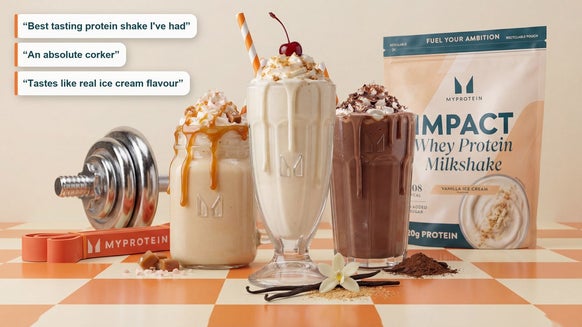
The simplest way to apply this is to try not to drink your calories. I'd make obvious exceptions for protein shakes and whole-fruit smoothies, but in general, getting your food in solid form is a better idea.
Why don't processed foods keep you full?
Most processed foods, such as biscuits, cakes, buns, muffins and many desserts, are made mostly with refined flour, sugar and fat. That makes them very low in protein and fibre and very energy dense. On top of that, they're delicious, which encourages you to keep eating, so they're very easy to overeat. It's no wonder that eating a lot of processed food is associated with weight gain.
These foods aren't intrinsically bad, as long as you eat them in moderation. Their nutritional make-up, however, makes moderation very difficult, because they just don't make you feel full.
How to fit less filling foods into a calorie deficit
With my clients, I like to focus on moderation rather than restriction: if you want to eat something, eat it, provided it fits your needs and goals. One way to fit less filling foods into your diet is to eat them alongside foods that increase satiety. For example:
- Have a slice of pizza with a salad, for added fibre and a lower energy density
- Have ice cream with some berries, for added fibre and volume
What should you eat to stay full in a calorie deficit?
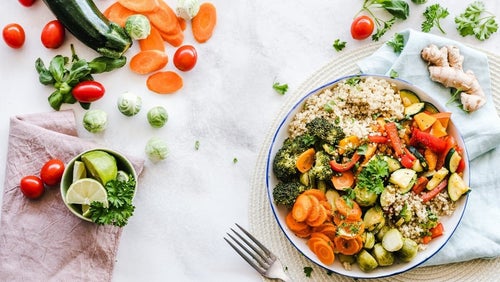
A meal built from a lean protein source, plenty of vegetables and some wholegrains or legumes might be the smartest way to stave off hunger while losing weight. Most of the research on appetite tested foods on their own, but it stands to reason that combining them in one meal would have an even greater effect on satiety.
Appetite control is only one piece of the weight-loss puzzle, but the science shows that reducing feelings of hunger on a diet is key to long-term success.
Frequently asked questions
What foods keep you full in a calorie deficit?
Protein foods (low-fat dairy, fish, lean meat, eggs and legumes), high-fibre foods (wholegrains, oats, fruit, vegetables, nuts and seeds) and low-energy-density foods like vegetables, salads and soups all help keep you full. Combining a lean protein source, plenty of vegetables and some wholegrains or legumes in one meal may be the most effective approach.
Why do you feel hungrier when losing weight?
Leptin, a hormone released by fat cells, drops when you lose weight, and lower leptin levels can lead to hunger. A high-protein diet might increase your body's sensitivity to leptin, so lower levels don't cause as much hunger.
How much protein helps keep you full?
In one long-term study, a high-protein diet providing about 30% of daily calories reduced the total amount of food people ate, leading to weight loss without feelings of hunger. A simple way to apply this is to include plenty of protein with every meal.
Are protein shakes OK if you are trying not to drink your calories?
Yes. Solid food is generally more filling than liquids with the same calories, so it's best to avoid drinking your calories in general, but protein shakes and whole-fruit smoothies are obvious exceptions.
Does coffee reduce appetite?
Research has shown that caffeine, found in coffee and tea, can reduce food intake when taken before a meal. It's one of several non-nutrients in food with some evidence that they can help reduce appetite.
Can you still eat treats in a calorie deficit?
Yes, in moderation, provided they fit your needs and goals. Processed treats aren't very filling, so pair them with foods that are, such as pizza with a salad or ice cream with berries.
Take home message
Hunger is one of the main reasons a calorie deficit is hard to stick to, but your food choices can make a real difference. Protein, dairy, high-fibre foods and low-energy-density foods like vegetables all help keep you fuller, and solid food tends to be more filling than drinks. Building meals around lean protein, plenty of vegetables and wholegrains or legumes, while still making room for foods you enjoy, makes a diet much easier to stick to.
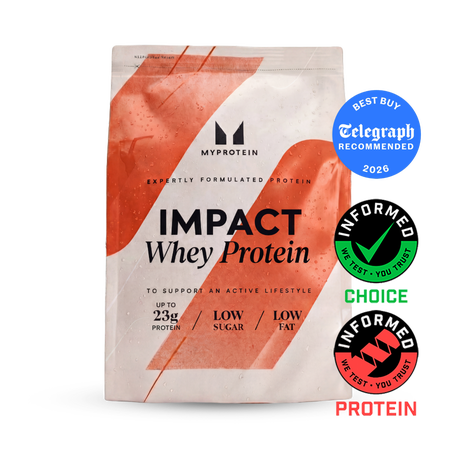
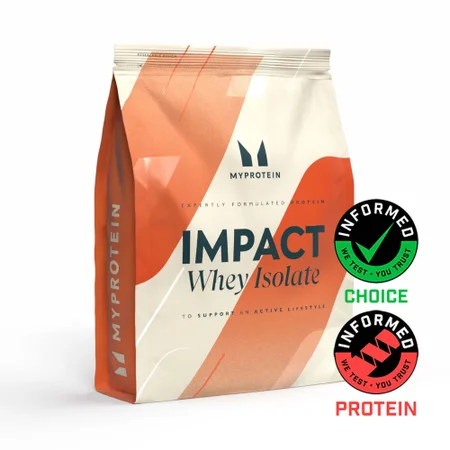
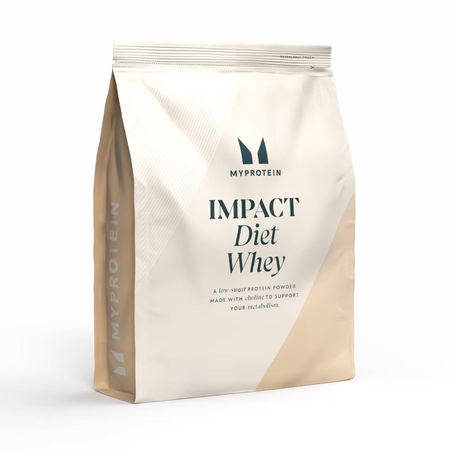
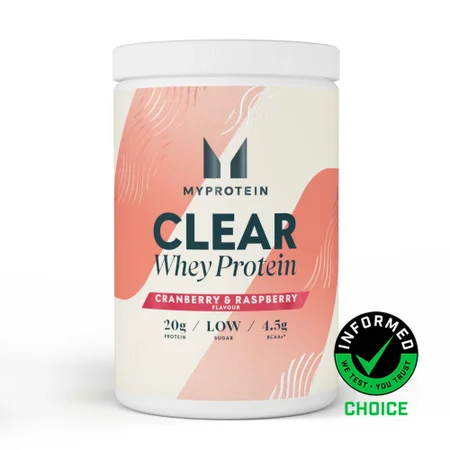
Looking for more ways to hit your nutrition goals? Browse our whey protein supplements and collagen blends:
Enjoy this article?
READ MORE HERE:



Dr Richie Kirwan is a Senior Lecturer at Liverpool John Moores University, where his research on muscle mass and cardiometabolic health has influenced health policy across the UK, Ireland and the USA. A leading authority on high-protein diets and resistance training, Richie translates complex science into actionable fitness advice. When off duty, you’ll find him in the gym, on the hurling pitch, or the salsa dance floor.
References
- Rebello, C. J., Liu, A. G., Greenway, F. L., & Dhurandhar, N. V. (2013). Dietary strategies to increase satiety. Advances in Food and Nutrition Research, 69, 105-182. https://doi.org/10.1016/B978-0-12-410540-9.00003-X
- Tremblay, A., & Bellisle, F. (2015). Nutrients, satiety, and control of energy intake. Applied Physiology, Nutrition, and Metabolism, 40(10), 971-979. https://doi.org/10.1139/apnm-2014-0549
- Westerterp-Plantenga, M. S., Nieuwenhuizen, A., Tomé, D., Soenen, S., & Westerterp, K. R. (2009). Dietary protein, weight loss, and weight maintenance. Annual Review of Nutrition, 29, 21-41. https://doi.org/10.1146/annurev-nutr-080508-141056
- Weigle, D. S., Breen, P. A., Matthys, C. C., Callahan, H. S., Meeuws, K. E., Burden, V. R., & Purnell, J. Q. (2005). A high-protein diet induces sustained reductions in appetite, ad libitum caloric intake, and body weight despite compensatory changes in diurnal plasma leptin and ghrelin concentrations. The American Journal of Clinical Nutrition, 82(1), 41-48. https://doi.org/10.1093/ajcn/82.1.41
- Zhang, Y., Proenca, R., Maffei, M., Barone, M., Leopold, L., & Friedman, J. M. (1994). Positional cloning of the mouse obese gene and its human homologue. Nature, 372(6505), 425-432. https://doi.org/10.1038/372425a0
- Rosenbaum, M., Kissileff, H. R., Mayer, L. E. S., Hirsch, J., & Leibel, R. L. (2010). Energy intake in weight-reduced humans. Brain Research, 1350, 95-102. https://doi.org/10.1016/j.brainres.2010.05.062
- Batterham, R. L., Heffron, H., Kapoor, S., Chivers, J. E., Chandarana, K., Herzog, H., et al. (2006). Critical role for peptide YY in protein-mediated satiation and body-weight regulation. Cell Metabolism, 4(3), 223-233. https://doi.org/10.1016/j.cmet.2006.08.001
- Lejeune, M. P. G. M., Westerterp, K. R., Adam, T. C. M., Luscombe-Marsh, N. D., & Westerterp-Plantenga, M. S. (2006). Ghrelin and glucagon-like peptide 1 concentrations, 24-h satiety, and energy and substrate metabolism during a high-protein diet and measured in a respiration chamber. The American Journal of Clinical Nutrition, 83(1), 89-94. https://doi.org/10.1093/ajcn/83.1.89
- Holt, S. H., Miller, J. C., Petocz, P., & Farmakalidis, E. (1995). A satiety index of common foods. European Journal of Clinical Nutrition, 49(9), 675-690.
- Gilbert, J.-A., Joanisse, D. R., Chaput, J.-P., Miegueu, P., Cianflone, K., Alméras, N., & Tremblay, A. (2011). Milk supplementation facilitates appetite control in obese women during weight loss: A randomised, single-blind, placebo-controlled trial. British Journal of Nutrition, 105(1), 133-143. https://doi.org/10.1017/S0007114510003119
- Dove, E. R., Hodgson, J. M., Puddey, I. B., Beilin, L. J., Lee, Y. P., & Mori, T. A. (2009). Skim milk compared with a fruit drink acutely reduces appetite and energy intake in overweight men and women. The American Journal of Clinical Nutrition, 90(1), 70-75. https://doi.org/10.3945/ajcn.2008.27411
- Tordoff, M. G. (2001). Calcium: Taste, intake, and appetite. Physiological Reviews, 81(4), 1567-1597. https://doi.org/10.1152/physrev.2001.81.4.1567
- Institute of Medicine. (2011). Dietary Reference Intakes for Calcium and Vitamin D (A. C. Ross, C. L. Taylor, A. L. Yaktine, & H. B. Del Valle, Eds.). National Academies Press. https://doi.org/10.17226/13050
- Guéguen, L., & Pointillart, A. (2000). The bioavailability of dietary calcium. Journal of the American College of Nutrition, 19(Suppl 2), 119S-136S. https://doi.org/10.1080/07315724.2000.10718083
- Wanders, A. J., van den Borne, J. J. G. C., de Graaf, C., Hulshof, T., Jonathan, M. C., Kristensen, M., et al. (2011). Effects of dietary fibre on subjective appetite, energy intake and body weight: A systematic review of randomized controlled trials. Obesity Reviews, 12(9), 724-739. https://doi.org/10.1111/j.1467-789X.2011.00895.x
- Kristensen, M., & Jensen, M. G. (2011). Dietary fibres in the regulation of appetite and food intake. Importance of viscosity. Appetite, 56(1), 65-70. https://doi.org/10.1016/j.appet.2010.11.147
- Gustafsson, K., Asp, N.-G., Hagander, B., & Nyman, M. (1995). Satiety effects of spinach in mixed meals: Comparison with other vegetables. International Journal of Food Sciences and Nutrition, 46(4), 327-334. https://doi.org/10.3109/09637489509012564
- Tremblay, A., Masson, E., Leduc, S., Houde, A., & Després, J.-P. (1988). Caffeine reduces spontaneous energy intake in men but not in women. Nutrition Research, 8(5), 553-558. https://doi.org/10.1016/S0271-5317(88)80077-0