Often called the "glue" that holds the body together, collagen is your body's most abundant protein — and one of the most talked-about supplements of 2026.
As natural production begins to slow from your mid-twenties, many people turn to collagen supplements to support everything from skin elasticity and joint health to sleep quality. Understanding how collagen works — and which type suits your goals — could make a real difference to your daily routine.
Here's what the evidence says.
Jump to:
- What is collagen?
- How does collagen protein work?
- What are the different types of collagen?
- Collagen supplements
- What are the benefits of collagen protein?
- Collagen side effects
- Collagen foods and boosters
- The best way to take collagen protein
- FAQs

What is collagen?
Collagen is the most abundant protein in the human body and accounts for nearly a third of your total protein content.1 It serves as the primary structural protein in connective tissues like your muscles, tendons, and ligaments.1 This provides the necessary flexibility and strength for your muscles to stretch and move.
Your body produces its own collagen naturally, but production typically begins to slow down from your mid-twenties. Many people choose to enhance their diet with collagen supplements to provide additional support for their body's structural needs.
How does collagen protein work?
Collagen functions differently compared to other protein sources like whey or soy. Because the body maintains a balance between collagen production and breakdown, it responds to the presence of specific amino acids in the system.
When you consume hydrolysed collagen, the body detects these broken-down protein fragments. This suggests to the body that collagen is being depleted, and this may trigger an increase in natural collagen production.2
What are the different types of collagen?
While there are more than 10 different forms of collagen, four primary types play the most significant roles in your health. Understanding these can help you choose the right supplement for your specific needs.
Type 1 collagen
This type accounts for up to 90% of the collagen in your body.3 It is a dense variety that provides essential structure to your skin, bones, teeth and cartilage.
Type 2 collagen
Type 2 is less densely packed and offers more elasticity.3 It is primarily found in the cartilage that provides vital cushioning for your joints.
Type 3 collagen
This type supports the structure of your muscles, organs and arteries.3 It is often paired with Type 1 in supplements designed to support skin and hair health.
Type 4 collagen
Type 4 collagen is found in the layers of your skin.3 It acts as a filter between your internal systems and the external environment.

Collagen Supplements
Collagen is naturally found in animal products, meaning most supplements are sourced from bovine (cow) or marine (fish) origins. The most effective supplements are usually hydrolysed, meaning the protein is partially broken down for easier absorption.4
Bovine collagen (sourced from cow hides or bones) is rich in type I and type III collagen, making it suited for all-round structural support.
Marine collagen (sourced from fish skin) is predominantly type I and is considered more bioavailable by some researchers, making it a popular choice for skin, hair and nail-focused goals.
Both are effective — the best choice depends on your dietary preferences and specific health goals.
For those already using a protein supplement, collagen blends offer a convenient way to combine daily protein intake with structural support in a single product.
Collagen Powder
Collagen Protein Powder is a highly versatile way to top up your daily intake without changing the flavour of your favourite drinks.
High protein: Provides 23g of hydrolysed bovine collagen per serving. Dual support: Contains both type I and type III collagen. Efficiency: Low molecular weight ensures fast absorption. High-purity formula: 90% protein with zero fat and zero sugar.

Whey Protein + Collagen Blends
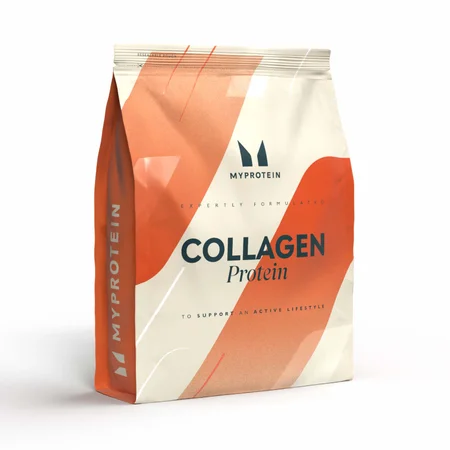
For those already using a daily protein supplement, Impact Whey Protein + Collagen offers a practical way to cover both muscle and structural support in a single serving — without adding another product to your routine.
Dual protein source: 10g whey protein + 10g bovine collagen peptides (Type I) per serving. Added vitamin C: 52mg per serving (65% NRV) to support normal collagen formation. Lean formula: Just 89 kcal, under 1g fat, under 1g carbs per serving. Practical habit: Replaces a standalone whey shake while adding daily collagen support.
Collagen Gummies
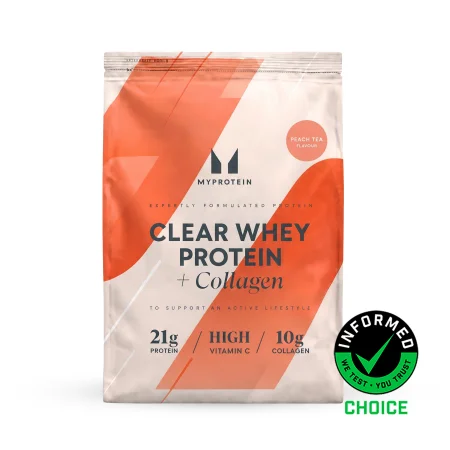
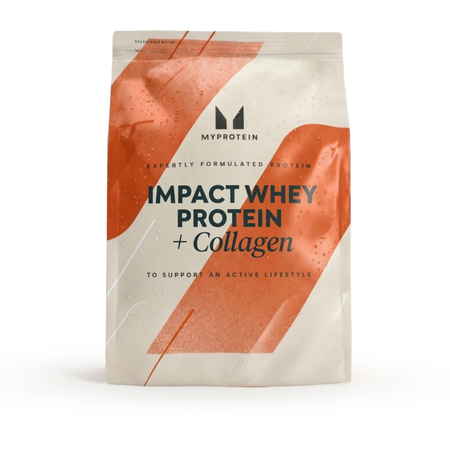
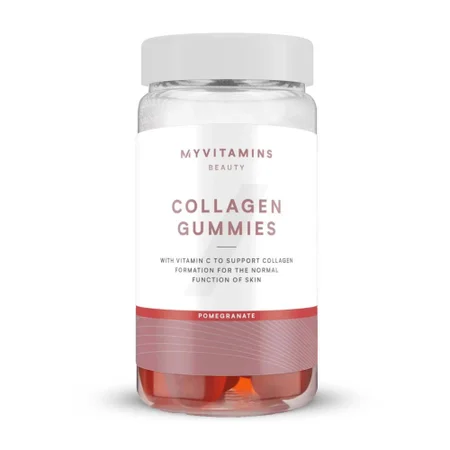
Collagen Gummies are the tastiest way to stay topped up on collagen, especially for those who prefer a "beauty-from-within" treat.
Marine source: Provides 500mg of marine collagen per serving. Skin health: Includes vitamin A and vitamin C to maintain normal skin health and formation. Delicious flavour: Refreshing pomegranate flavour.
Collagen Capsules
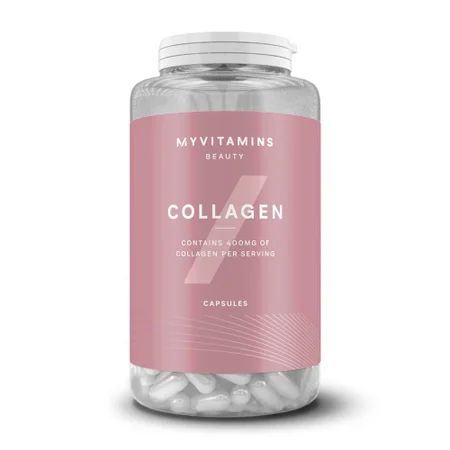
Designed for maximum convenience, Collagen Capsules are perfect for a busy lifestyle with zero preparation required.
Targeted formula: Packed with naturally occurring bovine type I collagen. Simple habit: A super-convenient way to boost natural levels every day. Quality: Sourced from hydrolysed collagen for better efficiency.
Collagen Shots
Collagen Shots are a comprehensive all-in-one daily formula for those looking for a quick, concentrated fix of essential nutrients.
High dose: Provides 5g of marine collagen per serving. Hydrating: Includes 25mg of hyaluronic acid. Total support: Contains biotin and selenium to help maintain hair, skin and nails. Fatigue: Includes magnesium to help reduce tiredness and fatigue.

| Supplement Form | Key Features | Best For |
|---|---|---|
| Powder | 23g protein, type I & III, zero sugar | Mixing into coffee, shakes or smoothies |
| Whey + Collagen Blend | 10g whey + 10g collagen, 52mg vitamin C, 89 kcal | Replacing a daily whey shake with added structural support |
| Gummies | 500mg marine collagen + vitamin C & A | A tasty, sweet daily supplement |
| Capsules | Type I bovine collagen | Maximum convenience and ease of use |
| Shots | 5g marine collagen + hyaluronic acid | All-in-one support on the go |
What are the benefits of collagen protein?
Collagen plays several key roles in the body. While you probably know that some of its benefits are similar to other sources of protein, collagen protein has some unique properties.5
1. Collagen supports skin, hair and nails
Collagen is a staple for those looking to maintain healthy skin and a youthful appearance. Studies suggest that regular intake can lead to a visible reduction in wrinkles and improved skin elasticity.6
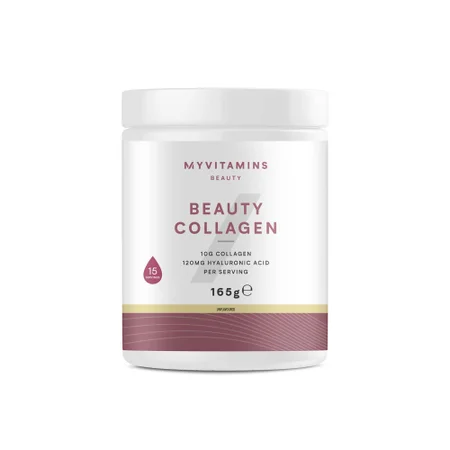
Evidence suggests that collagen supplementation is consistently associated with better outcomes for skin hydration and elasticity.5
2. Collagen and joint health
Joint discomfort is a common issue for both athletes and those who are ageing. Because collagen is a major component of cartilage, supplements may help maintain the integrity of your joints.7

Minimise Bloating & Support Gut Health With Nutritionist Approved Supplements
#guttok has got nothing on Katie....
Recent research suggests that collagen can provide meaningful relief from symptoms associated with joint conditions.5
3. Muscle and bone health
When combined with resistance training, collagen can help support lean muscle mass and strength.8 It is particularly useful for protecting the structural health of your bones and muscles as you age.5

The Best Supplements for Your Joints: Glucosamine, Collagen, Omega-3 and More
This is how you train harder for longer....
However, while it supports the "structure" of muscles, studies suggest it may not directly have much effect on athletic performance compared with other protein sources.5
4. Digestive support

The walls of your intestines rely on proteins like collagen to function effectively. Some early-stage research suggests it may support the gut lining, though the evidence here is less established than for skin and joint benefits.9
5. Potential for improved sleep
Collagen is rich in the amino acid glycine, which has been linked to better sleep quality.10 By supporting relaxation, the glycine in collagen might help you wake up feeling more refreshed.
6. Collagen and weight loss support
As more people use GLP-1 medications to support weight management, collagen has become an increasingly relevant supplement. Rapid weight loss can place strain on skin elasticity, and some research suggests that collagen peptides may help support skin firmness during this process.6
Collagen is also naturally low in calories and high in protein, making it a practical addition for those prioritising nutrient density while eating less overall.
Collagen side effects
Collagen is a naturally occurring protein that is generally well-tolerated. Most research indicates that it poses a very low risk for side effects.11
If you have specific allergies, check the source (fish vs bovine). Vegans should look for specifically labelled plant-based alternatives that support natural collagen production.
How can I get more collagen in my diet?
While supplements are a convenient way to boost your levels, you can also support your body's collagen stores through your diet. This can be done by consuming collagen directly or by eating foods rich in the nutrients required for collagen synthesis.
Collagen sources
Focus on animal products that are rich in connective tissue:
Poultry: Chicken and turkey with the skin left on. Fish: Canned fish with bones, such as sardines or salmon. Gelatine: Used in various desserts and as a thickening agent. Broths: Homemade bone broths made from beef or chicken bones.
Nutrients that can boost collagen production
Your body requires specific vitamins and minerals to effectively build and repair collagen fibres. Including these in your diet can help "boost" your natural production:
Vitamin C: Found in various fruits and vegetables, this well-known vitamin is an important part of the collagen-building process. Essential Minerals: Elements like zinc and copper, found in a range of whole foods, play a supportive role in protein maintenance and overall skin health.

Benefits Of Calcium Supplements
Why calcium is essential for more than just bone health....
FAQs
What is the best way to take collagen protein?
The most versatile way to take collagen is in a powdered, hydrolysed form. Unlike gelatine, collagen peptides dissolve easily in both hot and cold liquids.
For the best results regarding joint health, some research suggests taking your supplement about an hour before exercise.7
Is it better to take collagen in the morning or at night?
There is no strict rule, as collagen works effectively whenever you take it. Some prefer it in the morning coffee for routine, while others take it at night to benefit from the amino acid glycine, which may support relaxation and sleep quality.10
Can vegans take collagen?
Natural collagen is only found in animal sources. However, "vegan collagen" supplements typically contain the specific amino acids, vitamins and minerals your body needs to boost its own natural production. Always check the label for "vegan" or "plant-based" certification.
How long does it take for collagen supplements to work?
Results vary, but most studies suggest that consistent daily use for 8 to 12 weeks is needed to see visible improvements in skin hydration, elasticity, and joint comfort.5,6
Does collagen count towards my daily protein goal?
Yes, collagen is a protein and contributes to your daily total. However, because it lacks the essential amino acid tryptophan, it is not considered a "complete" protein. If you want to support muscle growth, it is best used alongside a complete protein source like whey protein, a whey and collagen blend, or a plant-based protein like soy protein.
What is the difference between marine and bovine collagen?
Bovine collagen (from cows) contains type I and type III collagen, making it well-suited for all-round structural support. Marine collagen (from fish) is predominantly type I and is often cited for its higher bioavailability, making it a popular choice for skin, hair and nail-focused goals. Both are hydrolysed for better absorption — the choice typically comes down to dietary preferences and specific goals.
Is collagen worth taking for women over 40?
Collagen production declines naturally with age, making supplementation increasingly popular among women in their forties and beyond. Evidence points to benefits for skin and joint health, and many people find it a straightforward addition to their daily routine at this life stage.
Can I stack collagen with other supplements?
Yes. Collagen works well alongside vitamin C, which supports the body's natural collagen synthesis. It is also commonly combined with whey protein to ensure you are getting a complete amino acid profile alongside your collagen intake. Some products, such as whey and collagen blends, combine both in a single serving for added convenience.
Take home message
Collagen is the most abundant protein in your body — and one of the most evidence-backed supplements for skin hydration, joint comfort, and structural health. Whether you're looking to support healthy ageing, recover from exercise, or simply fill a nutritional gap, the key is consistency: daily supplementation for 8 to 12 weeks is where the evidence points to real results. Pair it with vitamin C and a varied diet for the best results.

FIND OUT MORE ABOUT SUPPLEMENTS HERE:

You Might Need To Increase Your Iron Intake, Nutritionist Explains
'Roughly 25% of the entire world’s population is anaemic.'...

Probiotics & Prebiotics 101: What Are They?
Hint: they support immunity and digestive health....


-
Lodish, H., et al. (2000). Collagen: the fibrous proteins of the matrix. Molecular Cell Biology, 4.
-
Borumand, M., & Sibilla, S. (2014). Daily consumption of the collagen supplement Pure Gold Collagen® reduces visible signs of ageing. Clinical Interventions in Aging, 9, 1747.
-
Plant, A. L., et al. (2009). Cell response to matrix mechanics: focus on collagen. Biochimica Et Biophysica Acta (BBA), 1793(5), 893-902.
-
Hashim, P., et al. (2015). Collagen in food and beverage industries. International Food Research Journal, 22(1), 1.
-
Ravindran, R., et al. (2026). Collagen supplementation for skin and musculoskeletal health: An umbrella review of meta-analyses on elasticity, hydration, and structural outcomes. Aesthetic Surgery Journal Open Forum, ojag018.
-
Proksch, E., et al. (2014). Oral intake of specific bioactive collagen peptides reduces skin wrinkles. Skin Pharmacology and Physiology, 27(3), 113-119.
-
Shaw, G., et al. (2016). Vitamin C–enriched gelatin supplementation before intermittent activity. AJCN, 105(1), 136-143.
-
Zdzieblik, D., et al. (2015). Collagen peptide supplementation in combination with resistance training improves body composition. British Journal of Nutrition, 114(8), 1237-1245.
-
Koutroubakis, I. E., et al. (2003). Serum laminin and collagen IV in inflammatory bowel disease. Journal of Clinical Pathology, 56(11), 817-820.
-
Bannai, M., & Kawai, N. (2012). New therapeutic strategy for amino acid medicine: Glycine improves the quality of sleep. Journal of Pharmacological Sciences, 118(2), 145–148.
-
Maughan, R. J., et al. (2018). IOC consensus statement: dietary supplements and the high-performance athlete. BJSM, 28(2), 104-125.