Branched-chain amino acids (BCAAs) have been a gym-bag staple for decades, but there is often a bit of confusion about what they actually do.
Whether you're looking to bounce back faster from a heavy leg day or want to protect your hard-earned gains while dieting, these essential nutrients play a vital role.
From sparking muscle growth to fighting off mid-workout fatigue, here is everything you need to know about making BCAAs work for you.
Jump to:
- What are BCAAs?
- How do BCAAs work?
- Benefits of BCAAs
- How can BCAA supplements be helpful?
- When to take BCAAs
- BCAA dosage and side effects
- BCAA food sources
- FAQs
What are BCAAs?
Muscle protein is made up of 20 amino acids. While your body can produce some of these, there are nine "essential" amino acids that you must get through your diet.
Branched-chain amino acids (BCAAs) are a specific group of three essential amino acids. They get their name from their chemical structure, which features a "branch" off to the side.
Leucine
Leucine is often considered the most critical BCAA for muscle building. Studies suggest it acts as a chemical signal to "switch on" muscle protein synthesis, which is the process your body uses to build new muscle tissue.1
Isoleucine
Isoleucine plays a role in energy regulation and helps with glucose uptake into the muscles. It is a vital component for ensuring your muscles have the fuel they need during strenuous activity.
Valine
Valine supports muscle coordination and mental focus. Like the other BCAAs, it is essential for tissue repair and maintaining a healthy nitrogen balance in the body.
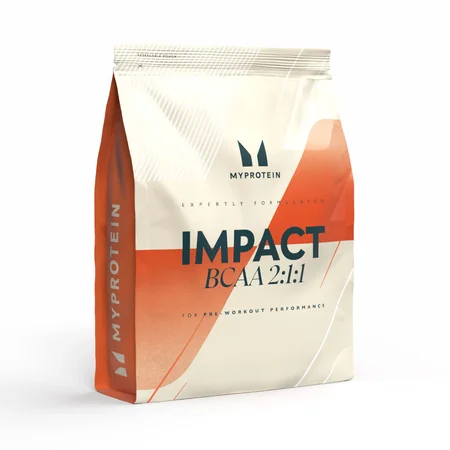
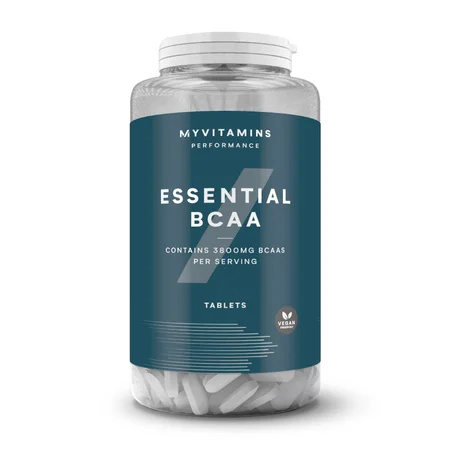
While BCAAs are found naturally in high-protein foods, many people use supplements in powder or capsule form to support recovery and performance.1
How do BCAAs work?
When you consume BCAAs or a high-protein meal, you increase your body's rate of muscle protein synthesis (MPS).2 This is the key to muscle maintenance and growth.
Your body is in a constant state of "turnover," alternating between building muscle (MPS) and muscle protein breakdown (MPB).3 To gain muscle mass, your rate of synthesis must be higher than the rate of breakdown.

57 Meal Prep Recipes For Muscle Building & Fat Loss
Your next favourite prep is in here......
Using a BCAA supplement helps tip the scales. By providing the body with the necessary signals and building blocks, BCAAs can help maintain a positive protein balance.4,5
BCAA benefits
Supporting muscle growth
BCAA supplements are widely used to maximise muscle growth. However, it is important to note that BCAAs alone may not be enough to build significant mass.2
Think of BCAAs as the "spark" that starts the engine. To sustain muscle building, your body needs a full spectrum of all nine essential amino acids, which is why many people combine BCAAs with a high-quality protein supplement.2
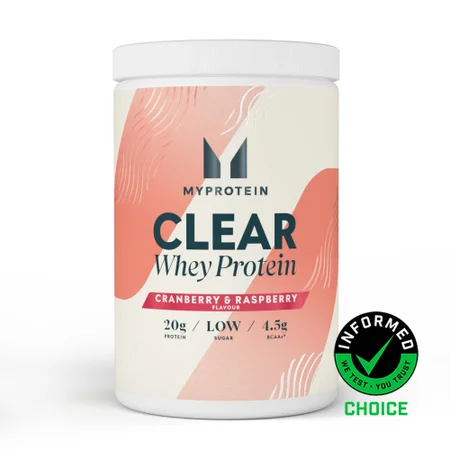
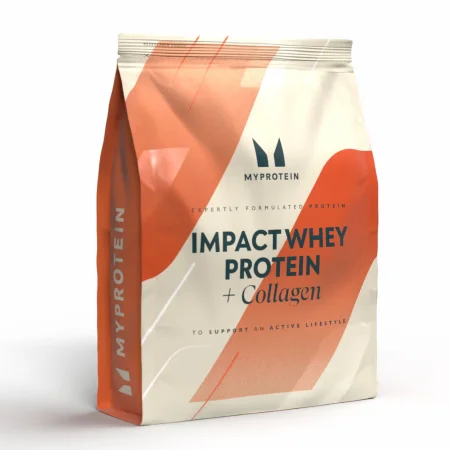
Whey protein is the most popular choice, and a whey and collagen blend is worth considering if you also want to support the tendons, ligaments, and cartilage that take on load during training — collagen forms the building blocks of these connective structures, making it a practical complement to muscle-focused supplementation.


Master the Push, Pull, Legs Workout Split for Muscle Growth
The most efficient workout split for building mass....
Reducing muscle soreness
If you have ever struggled to walk after a heavy leg day, BCAAs might help. Research suggests that BCAA supplementation can reduce the feeling of muscle soreness after intense weight training.6,7
While they are excellent for easing discomfort, their direct impact on immediate athletic performance — such as how high you can jump the next day — appears to be minimal.7 Consistent daily protein intake remains the most important factor for long-term recovery.8

Macro Calculator | How To Calculate Your Macros For Flexible Dieting & IIFYM
Use our calculator to work out your macros....
How can BCAA supplements be helpful?
Supplementing low-protein meals
One of the best uses for BCAA powder is "rescuing" a meal that lacks protein. For example, if you are busy at work and can only grab a quick sandwich, your protein intake for that meal may be too low to trigger muscle building.
Research has shown that adding 5g of leucine to a low-protein drink can have a similar effect on muscle protein synthesis as a much larger serving of whey protein.4 Keeping BCAAs on hand ensures every meal contributes to your goals.

Improving plant-based diets
Not all protein sources are created equal. Plant-based proteins like hemp, wheat, or soy often have lower BCAA concentrations than meat, eggs, or dairy.9
For vegans and vegetarians, BCAA supplements offer a simple way to boost the amino acid profile of plant-based meals. This ensures you are getting the same muscle-building signals as those on an omnivorous diet.
Managing appetite
High-protein diets are great for making you feel full. However, if you are struggling to eat enough whole foods to meet your targets, BCAAs can help you maximise protein synthesis without feeling overly stuffed.
Additionally, training at high altitudes can naturally suppress your appetite.10 In these environments, BCAAs can help protect your muscles by enhancing the impact of the smaller meals you do manage to eat.
When to take BCAAs
Your body can only process a certain amount of amino acids at once. To get the most benefit, it is best to spread your BCAA intake throughout the day.11
Before and during a workout: Taking BCAAs during exercise may help reduce muscle fatigue. One study suggested that fatigue could be reduced by up to 15% during a session.12 After a workout: Supplementing post-training can help kickstart the recovery process and may reduce delayed onset muscle soreness (DOMS) in the following days.13,14

BCAA for Women | What are BCAAs & Should You Take Them?
Could this get you through that gruelling gym sesh?...
BCAA dosage and side effects
As a general guide, a dose of 3–5g of BCAAs is typically enough to stimulate muscle protein synthesis.3 For the best results in muscle building, these should be consumed alongside other essential amino acids found in whole proteins.
Side effects
BCAAs are generally considered safe for most people, and side effects are rare. However, if you have any underlying health conditions, you should consult your doctor before starting a new supplement.
Due to a lack of specific research on the topic, BCAA supplementation is not currently recommended for those who are pregnant or breastfeeding.
BCAA food sources
You can find high concentrations of BCAAs in many common foods. Incorporating these into your diet will help you maintain a steady supply of essential amino acids:
- Meat (beef, lamb, pork)
- Poultry (chicken, turkey)
- Fish and seafood
- Dairy (milk, cheese, Greek yoghurt)
- Eggs
- Soy products (tofu, tempeh, soy milk)
- Legumes (beans, lentils)
- Nuts and seeds
FAQs
What are the three BCAAs?
The three branched-chain amino acids are leucine, isoleucine, and valine. These are essential nutrients that your body cannot produce on its own.
What foods are high in BCAAs?
High-BCAA foods include animal proteins like chicken, beef, and fish, as well as plant-based options like soy, beans, nuts, and lentils.
What are the benefits of BCAAs?
BCAAs can help stimulate muscle protein synthesis, reduce muscle soreness after exercise, and improve the nutritional value of low-protein meals.
When should I take BCAAs?
For the best results, take BCAAs around your workout — either before, during, or immediately after training — to support recovery and reduce fatigue.

Why and When Should You Take BCAAs?
Find out when, why and how to take BCAAs...
Take home message
While BCAAs alone aren't a magic wand for muscle growth, they are an incredibly useful tool when used correctly. Adding them to low-protein meals or taking them during intense training blocks can help maximise your recovery and protect your hard-earned muscle.
Focus on a balanced diet rich in all essential amino acids, and use BCAAs to fill the gaps when life gets busy.

What Is L-Ornithine? | Benefits, Side Effects & Dosage
This amino acid is good for you inside and out....

What Is L-Theanine? | L-Theanine Benefits, Dosage & Side Effects
Weight loss, immune support & relaxation......

- Wilkinson, D. J., Hossain, T., Hill, D. S., Phillips, B. E., Crossland, H., Williams, J., … & Atherton, P. J. (2013). Effects of leucine and its metabolite B-hydroxy-β-methylbutyrate on human skeletal muscle protein metabolism. The Journal of Physiology, 591(11), 2911-2923.
- Jackman, S. R., Witard, O. C., Philp, A., Wallis, G. A., Baar, K., & Tipton, K. D. (2017). Branched-chain amino acid ingestion stimulates muscle myofibrillar protein synthesis following resistance exercise in humans. Frontiers in Physiology, 8, 390.
- Churchward-Venne, T. A., Breen, L., Di Donato, D. M., Hector, A. J., Mitchell, C. J., Moore, D. R., … & Phillips, S. M. (2014). Leucine supplementation of a low-protein mixed macronutrient beverage enhances myofibrillar protein synthesis in young men: a double-blind, randomized trial. The American Journal of Clinical Nutrition, 99(2), 276-286.
- Mitchell, C. J., Churchward-Venne, T. A., Cameron-Smith, D., & Phillips, S. M. (2015). What is the relationship between the acute muscle protein synthesis response and changes in muscle mass? Journal of Applied Physiology, 118(4), 495-497.
- Jackman, S. R., Witard, O. C., Jeukendrup, A. E., & Tipton, K. D. (2010). Branched-chain amino acid ingestion can ameliorate soreness from eccentric exercise. Medicine & Science in Sports & Exercise, 42(5), 962-970.
- Van Dusseldorp, T. A., Escobar, K. A., Johnson, K. E., Stratton, M. T., Moriarty, T., Cole, N., … & Mermier, C. M. (2018). Effect of branched-chain amino acid supplementation on recovery following acute eccentric exercise. Nutrients, 10(10), 1389.
- Cintineo, H. P., Arent, M. A., Antonio, J., & Arent, S. M. (2018). Effects of protein supplementation on performance and recovery in resistance and endurance training. Frontiers in Nutrition, 5, 83.
- Gorissen, S. H., Crombag, J. J., Senden, J. M., Waterval, W. H., Bierau, J., Verdijk, L. B., & van Loon, L. J. (2018). Protein content and amino acid composition of commercially available plant-based protein isolates. Amino Acids, 50(12), 1685-1695.
- Matu, J., Gonzalez, J. T., Isaacs, T., Duckworth, L., & Deighton, K. (2018). The effects of hypoxia on hunger perceptions, appetite-related hormone concentrations and energy intake: A systematic review and meta-analysis. Appetite, 125, 98-108.
- Atherton, P. J., Etheridge, T., Watt, P. W., Wilkinson, D., Selby, A., Rankin, D., … & Rennie, M. J. (2010). Muscle full effect after oral protein: time-dependent concordance and discordance between muscle protein synthesis and mTORC1 signaling. The American Journal of Clinical Nutrition, 92(5), 1080-1088.
- Blomstrand, E., Hassmén, P., Ek, S., Ekblom, B., & Newsholme, E. A. (1997). Influence of ingesting a solution of branched‐chain amino acids on perceived exertion during exercise. Acta Physiologica Scandinavica, 159(1), 41-49.
- Leahy, D. T., & Pintauro, S. J. (2013). Branched-chain amino acid plus glucose supplement reduces exercise-induced delayed onset muscle soreness in college-age females. ISRN Nutrition, 2013.
- Shimomura, Y., Inaguma, A., Watanabe, S., Yamamoto, Y., Muramatsu, Y., Bajotto, G., … & Mawatari, K. (2010). Branched-chain amino acid supplementation before squat exercise and delayed-onset muscle soreness. International Journal of Sport Nutrition and Exercise Metabolism, 20(3), 236-244.