Instant overview
- BCAAs (branched-chain amino acids) are three essential amino acids: leucine, isoleucine, and valine.
- They support muscle maintenance, protein synthesis, and protection against muscle breakdown (catabolism).
- Most effective taken intra- or post-workout, within 30–60 minutes of exercise.
- A daily intake of 10–20g is recommended; choose a supplement with at least a 2:1:1 leucine:isoleucine:valine ratio.
You should take BCAAs intra- or post-workout — ideally within 30 to 60 minutes of exercise — to support muscle recovery and protein synthesis. They are particularly valuable when training in a calorie deficit, as they help prevent muscle breakdown. A daily intake of 10–20g is recommended, split across your training window.
BCAAs: at a glance
| Factor | Detail | Recommendation |
|---|---|---|
| What they are | Three essential amino acids: leucine, isoleucine, and valine | Look for a minimum 2:1:1 leucine:isoleucine:valine ratio |
| When to take | Intra- or post-workout | Within 30–60 minutes of exercise |
| Daily dosage | 10–20g total | 5g during cardio; 5–10g post-workout |
| Who benefits most | Bodybuilders, weight lifters, and cross trainers | Anyone training intensely or managing muscle soreness |
| Form | Powder, pills, or within whey protein | Standalone supplement for faster absorption |
Jump to:
- What are BCAAs?
- BCAAs composition
- Why should I take BCAAs?
- When should I take BCAAs?
- Who should take BCAAs?
- BCAA dosage
- Best BCAA supplements
- Frequently asked questions

What are BCAAs?
In the body, there are 2 main types of amino acids: essential and non-essential. Within the 9 essential amino acids that are known to exist there are 3 BCAAs, but this group of amino acids have a set of specific and unique chemical properties.
As a whole, the body requires BCAAs for sustaining muscle, maintaining an anabolic environment, and sometimes increasing athletic performance through the stimulation of protein synthesis — an important process in muscle growth and recovery.
BCAAs composition
BCAAs exist as 3 individual compounds: leucine, isoleucine, and valine. Each of these amino acids holds unique properties, with leucine being a key component. Unlike other amino acids, BCAAs have a unique chemical structure which allows them to be absorbed and metabolised directly in the muscles rather than the stomach. This means they are more quickly absorbed than any other amino acids.
Why should I take BCAAs?
Let's consider a guy who wants to achieve a lean physique and aspires for the perfect beach body through training and good nutrition. For leaning up, a training programme would involve some extensive cardio with a calorie deficit diet — meaning your body is not getting the total amount of calories it requires to sustain your size. BCAAs can protect you from catabolism, which is when your body breaks down muscle, as well as fat, for energy.
So if you are cutting and in a calorie deficit then BCAAs are very important to prevent muscle loss. Exercising in a calorie deficit means there are no glycogen stores available for energy, so muscle protein is broken down into amino acids that can be utilised as energy. By supplementing with BCAAs you can saturate your muscles to provide adequate muscle energy and an anabolic environment.
When should I take BCAAs?
BCAAs are effective intra- and post-workout supplements. This means that you should be consuming BCAAs during your gym session or immediately after.
This is because BCAAs are effective in helping to build and repair muscle damaged from intense sessions. BCAAs' effects peak about 30 to 60 minutes post-consumption.
In turn, you're going to want to drink your BCAAs in that window to maximise muscle recovery and to help build muscle. This will help with muscle soreness post-workout.
Who should take BCAAs?
BCAAs are important sports nutrition tools for building and repairing muscle damaged from high-intensity training. They help to reduce muscle soreness.
In this way, BCAAs are great tools for anyone experiencing rough recovery from weekly workouts. They may be effective for helping alleviate some of the soreness you're experiencing.
BCAAs, in combination with protein powder, are effective in helping to build muscle. If gaining muscle or maintaining muscle are part of your fitness goals, BCAAs are a good avenue for you to explore.
In short, athletes experiencing muscle soreness or wanting to build muscle should take BCAAs. They are especially important for bodybuilders, weight lifters, and cross trainers.

BCAA dosage
Cardio
Many people incorporate cardio into their regimes multiple times a week, both in the mornings and evenings. During cardio, BCAAs can come in handy — especially in the case of HIIT cardio routines or steady-state cardio.
When performing intense levels of cardio this can often burn fat and muscle too. Incorporating a low-calorie diet and more cardio will initiate muscle breakdown at a higher rate, which we want to avoid. To counteract this, try supplementing with BCAAs the moment you start your cardio. Add 5g to your shaker and sip on them throughout your cardio regime.
Pre & post-workout
There are two crucial times to supplement with BCAAs: pre- and post-workout. Many pre-workout formulas contain BCAAs. Make sure before hitting the gym you take BCAAs with your pre-workout meal.
Following the gym, make sure you consume a further 5–10g of BCAAs either on their own or within a post-workout shake. Many people benefit from supplementing with BCAAs upon waking and just before bed, to promote muscle recovery and growth.
Sources
You can supplement 10–20g of BCAAs daily. BCAAs come in a number of different sources including as pills, powders, or within whey protein, such as Impact Whey.
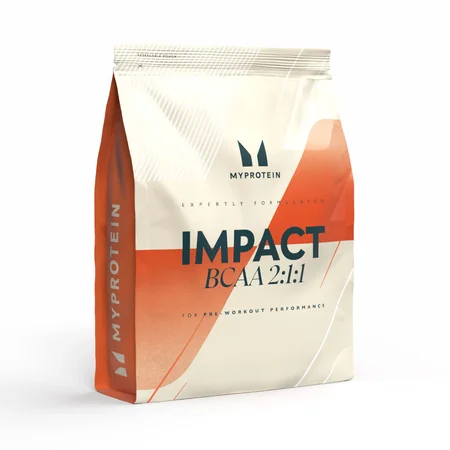
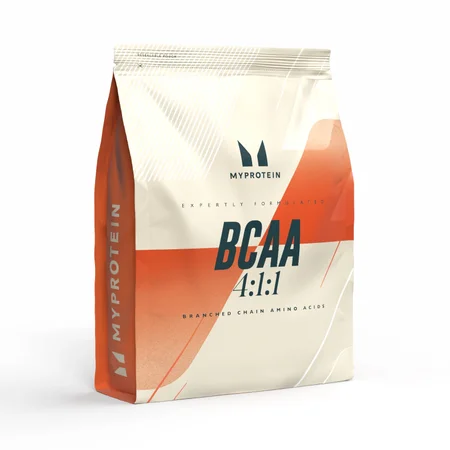
Within whey protein, these amino acids are peptide bound. Being peptide bound still provides the same benefits, but these BCAAs are thought to be less bioavailable than those found in BCAA supplements. This means they are not absorbed as quickly by muscles in the body. If you are going to purchase a BCAA supplement it is important to consider the leucine:isoleucine:valine ratio, which should be at least 2:1:1 — with leucine being a chief muscle recovery component.
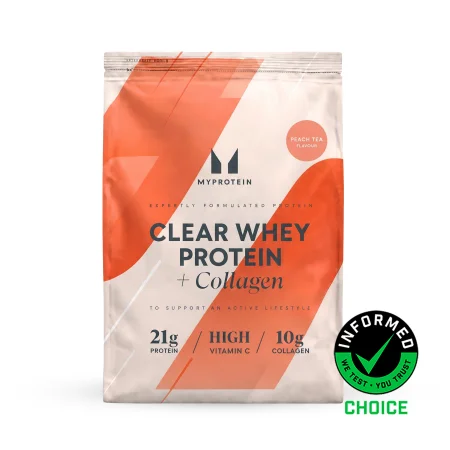
For those who also want to support joints and connective tissue alongside their training, a whey and collagen blend is worth considering — it provides whey-derived BCAAs alongside collagen peptides, which form the building blocks of tendons, ligaments, and cartilage, in a single post-workout serving.

Best BCAA supplements
Frequently asked questions
Do BCAAs help with muscle soreness?
Yes. BCAAs help to reduce muscle soreness by repairing muscle damaged from high-intensity training. Their effects peak around 30 to 60 minutes post-consumption, so taking them intra- or post-workout gives your muscles the best opportunity to recover.
How many grams of BCAAs should I take per day?
10–20g of BCAAs daily is the recommended intake. A practical split is 5g during cardio, followed by a further 5–10g post-workout. Some people also find benefit in supplementing upon waking and just before bed to support overnight muscle recovery and growth.
Are BCAAs useful during cardio?
Yes. During intense cardio — particularly HIIT or steady-state sessions — the body can break down both fat and muscle for energy. Supplementing with 5g of BCAAs at the start of your session can help counteract muscle breakdown and protect lean muscle mass.
Should I take BCAAs when cutting?
Yes. When training in a calorie deficit, the body lacks glycogen stores and may break down muscle protein for energy — a process known as catabolism. Supplementing with BCAAs saturates your muscles with amino acids, helping to maintain an anabolic environment and protect against muscle loss.
Are BCAAs in whey protein as effective as standalone supplements?
No. While whey protein naturally contains BCAAs, they are peptide bound in this form and thought to be less bioavailable than those found in dedicated BCAA supplements. This means they are not absorbed as quickly by the muscles, making standalone supplements the faster-acting option.
Take home message
BCAAs are essential to reduce the catabolism process and the breaking down of cells to release amino acids for fuelling the body. Taking BCAAs reduces muscle breakdown and increases protein synthesis, while also providing energy for workouts. BCAAs should be incorporated into your dietary regime and workouts whether your aim is to gain mass or cut.
BCAAs are an absolute essential for anyone consistently bodybuilding or weight lifting. If you work out on a consistent and intense exercise schedule, BCAAs are must-haves.
They help prevent or reduce muscle soreness by repairing damaged muscle and they even help to build muscle mass. If those are aspects of your workout routine that you're looking to improve, you should definitely be taking BCAA supplements.

READ THESE NEXT:

Want To Know How Many Calories You Burn In A Day?
Washing up, typing and even watching TV, it all burns calories....

Gareth Gray is an experienced sports nutrition new product development technologist. He holds a Bachelor of Science in Nutrition and Health and a Master of Science in Sports and Exercise Nutrition.
Gareth’s scientific research expertise involves the investigation into the effects of recovery drinks upon sports performance and recovery. He has several years’ experience in designing, formulating and developing sports nutrition products using evidence-based research, from laboratory testing to full-scale production and manufacturing. He regularly attends continuing professional development events and sports nutrition conferences to ensure his practise remains at the highest level.
Find out more about Gareth’s experience here.
In his spare time, Gareth enjoys working on his own physique in the gym, as well as cooking nutritious meals – where he believes balance is key and advocates the odd cheat meal now and again.