
Instant overview
- Plant-based tri-blends combining pea, hemp, and brown rice provide a complete essential amino acid profile that rivals whey.
- Slow-digesting casein isolates protect lean muscle mass from degradation during prolonged overnight fasting periods.
- Highly bioavailable egg white and soy isolates maximize protein density while remaining entirely lactose-free.
- Specialized additions like collagen and grass-fed beef support connective tissues alongside muscular adaptation goals.
Whey protein may be the conventional gold standard for muscle protein synthesis, but it is far from the only path to hitting your daily macronutrient targets. Whether you are navigating lactose intolerance, adhering to a plant-based diet, or searching for functional benefits like joint and tissue recovery, modern alternative proteins offer exceptional bioavailability and complete amino acid profiles. Certified by our expert nutrition team, this guide breaks down the ten best whey protein alternatives to optimize your training and support your recovery strategy.
Protein alternatives and biological profiles: at a glance
| Protein source | Average protein per serving | Digestion speed | Primary therapeutic benefit |
|---|---|---|---|
| Vegan Protein Blend | ~22g | Medium | Delivers a complete amino acid profile optimized for plant-based muscle growth. |
| Soy Protein Isolate | ~27g | Medium-Fast | Supplies high-density protein with minimal fat and carbohydrates, ideal for cutting. |
| Casein Protein Powder | ~23g | Slow | Provides sustained amino acid release to preserve muscle tissue overnight. |
| Egg White Powder | ~24g | Fast-Medium | Offers exceptional biological value and high natural BCAA concentrations. |
| Pea Protein Isolate | ~23g | Medium | Supports training recovery while promoting fullness and weight management. |
| Collagen Protein Powder | Variable (~90% pure) | Fast | Protects and reinforces connective tissues, tendons, and joint cartilage. |
Many gym goers, weightlifters and athletes think whey supplementation is the only way forward when it comes to protein. But as the protein kings ourselves, we're here to say that's not the case.
Whey protein is just one option, which derives from milk, along with casein. Whey is created in the production of cheese, from the liquid whey that remains when curds come together. When whey protein is made, the whey liquid is processed and refined to separate the proteins from the fats and lactose, and then dried to produce a powder. Whey protein contains all nine essential amino acids, making it a great and very popular go-to for protein supplementation. But there are other complete protein sources out there well worth considering.
There are plenty of other alternatives to whey protein that may suit allergies, fulfil certain dietary requirements such as vegan and vegetarian bodybuilders, or just give any flexitarians a different option.
- Vegan/vegetarian
- Lactose-free
- Collagen
- Pea
- Soy
- Casein
- Grass-fed beef
- Egg white
- Hemp
- Brown rice
- Protein powder alternatives
- FAQs
Want the low-down on whey protein first? Nutritionist Richie has all the info here...

1. Vegan protein blend
First up is the Vegan Protein Blend, a blend that contains protein derived from plant-based sources. Myprotein's tri-blend of pea protein, brown rice protein, and hemp protein combines these top sources of BCAAs (the building blocks of protein, which add to the structure of your new muscle tissues), creating a complete amino acid profile.
Along with these essential amino acids, this plant-powered product packs a whopping 22g of protein.

2. Lactose-free protein powder
One of the most common concerns for gainers trying to get their daily recommendation of protein is lactose. As the mighty whey derives from milk and cheese, lactose intolerant folk and those of us simply wishing to avoid lactose-containing products in our diets need to look for an alternative dairy-free protein powder.
The answer is to seek out plant or egg-based proteins including brown rice, hemp, and pea protein powders. The good news is that you'll be pleasantly surprised to learn the protein per serving content rivals that of whey, so take a look at our vegan and vegetarian protein powders.
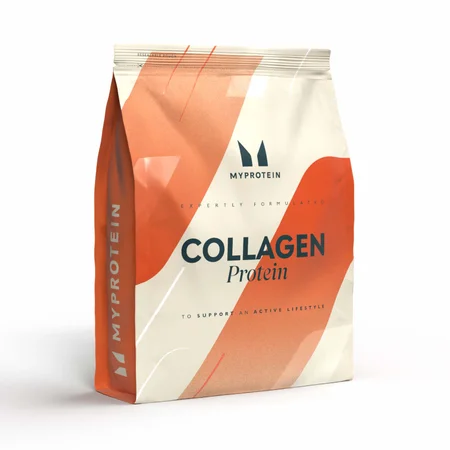

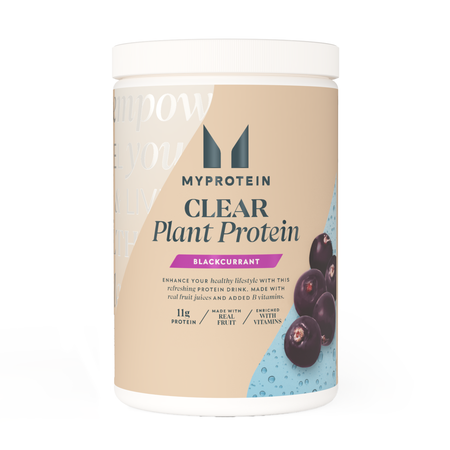
3. Collagen protein powder
Collagen is the most abundant protein in the body, forming the structural foundation of skin, hair, nails, joints, and connective tissue. Unlike whey, its amino acid profile is not optimised for muscle protein synthesis — but it serves a different and complementary purpose, supporting the tissues that surround and protect your muscles rather than the muscles themselves.
Standalone Collagen Protein Powder contains up to 90% protein, making it a clean way to boost total protein intake without added fats or carbohydrates.
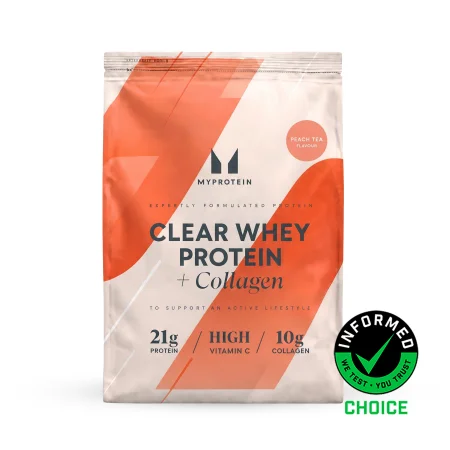
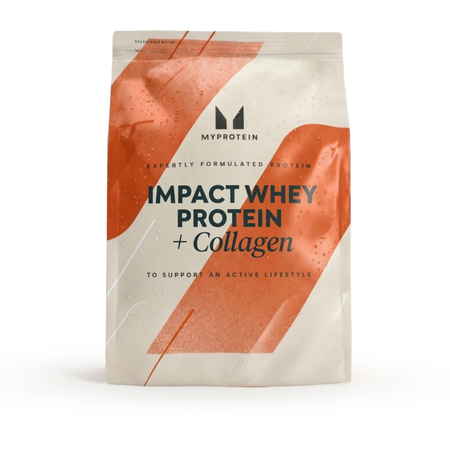
For those who want to combine the muscle-supporting benefits of whey with collagen's connective tissue benefits in a single serving, a whey and collagen blend is worth considering. These blends typically pair whey protein with bovine collagen peptides and added vitamin C — which contributes to normal collagen formation for the normal function of cartilage — making them a practical all-in-one option for active people who want to support their whole body, not just their muscles.
4. Pea protein powder
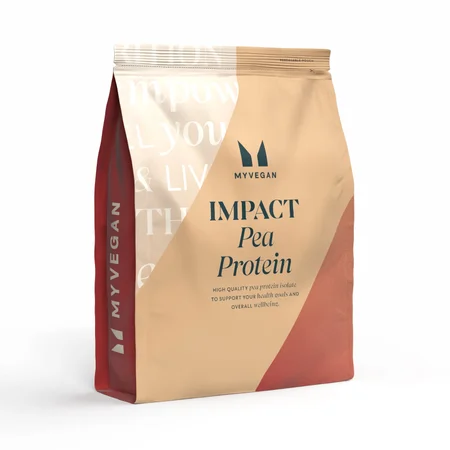
Pea Protein Isolate contains around 23g of protein per scoop, making it a real contender in the absence of whey. It's also known to help with weight management for anyone looking to cut body fat because of its ability to leave you feeling fuller between meals.
5. Soy protein powder
Soy protein powder is just as effective as many animal-based proteins. It's also a great source of protein for anyone looking to trim fat. Soybeans are a legume that are naturally high in protein and also fairly low in fat.
Soybean meal is processed into soy protein isolate, which consists of around 90-95% protein. This process minimises fats and carbs.
Our Soy Protein Isolate packs a mighty 27g of protein per serving.
6. Casein protein powder
Casein, like whey, is a product of milk. The foremost benefit of casein is its ability to keep you satiated (feeling full).
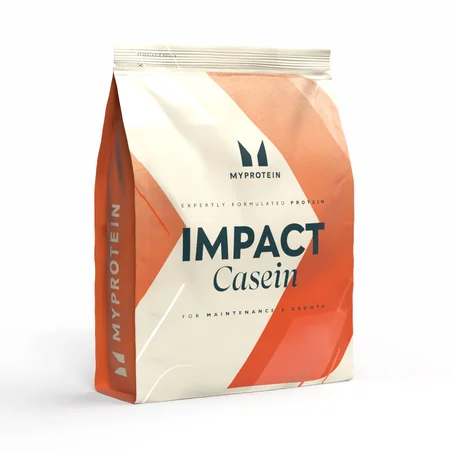
It's a slow-digesting protein, which makes it perfect for taking last thing at night to ward off cravings and avoid that 8-hour fast when you sleep. The benefit of this is greater muscle retention and fat loss. Try our Impact Casein Powder with 23g of slow-absorbing protein per serving.
7. Grass-fed beef protein isolate
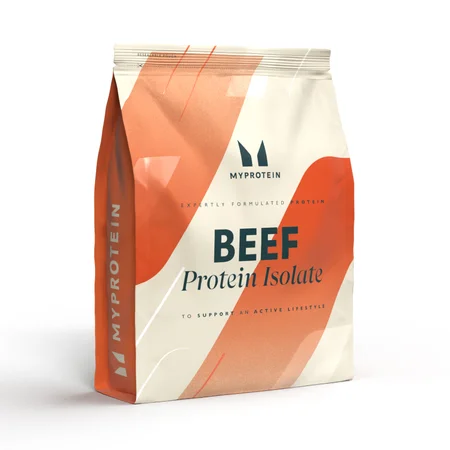
Our Grass-Fed Beef Protein Isolate is a high-quality, dairy-free protein that delivers up to 24g of protein per serving, designed to support muscle growth and recovery.1 It contains all nine essential amino acids and is low in fat and sugar, with just 101 calories or less per serving.
It's naturally rich in collagen — the most abundant protein in the body — and is lactose- and dairy-free, making it a strong option for those moving away from whey or looking to avoid dairy entirely.
8. Egg white protein powder
Egg whites are widely known as a top dietary source of protein for building muscle. Egg protein is highly bioavailable, meaning that your body — namely muscles — uses more of it when it is digested.
Our 100% Egg White Powder is also higher in branched-chain amino acids (BCAAs) — 6.7g of BCAA compared to the 5.5g you get from whey. Egg white protein powder is also naturally free of fat and carbs.
9. Hemp protein powder
Hemp is considered one of the most popular plant-based proteins. It features a substantial number of the nine essential amino acids and so is perfect for the development of lean muscle and recovery.
Further to this is its high content of omega-6 and omega-3 fatty acids, which you usually get from foods such as fish. Good news for vegetarians, as these massively contribute to the wellbeing of your heart and joints.
10. Brown rice protein powder
Brown rice protein features 23g of protein per serving and gives those of us avoiding whey a great option that suits vegetarians and vegans. It's also chock full of iron, providing you 10% of your daily recommendation in just one tablespoon.
You may usually think of rice as a source of carbs, but it's good news for anyone looking to limit their carb intake as brown rice protein is isolated, containing only 2g of carbs per tablespoon.

8 whole-food protein alternatives
Layered Protein Bar
With many delicious flavour options, 20g of protein, and 4g of sugar per bar, our Layered Protein Bar is a great snack or addition to your meal plan — especially on the go — when you need to increase your protein intake.
All-Natural Peanut Butter
A natural source of plant-based protein, our All-Natural Peanut Butter contains nothing but peanuts. Combined with healthy fats, peanut butter is a great addition to any meal or snack to keep you satisfied and increase your protein intake. A 100g serving of peanut butter contains 30g of protein.
Protein Pancake Mix
If you want to start your day with a protein-packed breakfast, our Protein Pancake Mix is the perfect option. Boasting 34g of protein per serving, it's hard to beat this muscle-building breakfast.
Eggs
Rocky Balboa was onto something when he started his day with eggs — but we recommend cooking them first. Large eggs contain about 6g of protein each, or 13g per 100g. You can hard boil them in large batches for snacks, eat them as an omelette in the morning, or even stir egg whites into your porridge as it cooks to boost your protein intake as a whey protein alternative.
Greek yoghurt
Greek yoghurt is an excellent source of protein, because it's concentrated in casein protein. Most of the liquid part of the yoghurt is strained out, which contains the whey. Casein protein digests slowly and helps repair your muscles overnight or throughout the course of the day.
A 100g serving of Greek yoghurt contains about 10g of protein, and can be eaten alone, with berries and almond butter, or mixed into oats (among many other meals and snacks).
Cottage cheese
Cottage cheese is another concentrated source of casein protein, with most of the whey protein removed in the production process. Cottage cheese is an easy way to boost your protein intake as a snack or part of a meal. It comes in varying fat contents so it can fit into your plan whether you're trying to bulk or cut.
Beef jerky
Beef jerky is a nice option to boost your protein intake when you're on the go because it doesn't have to be kept cold and has a long shelf life. On average, a 100g serving of beef jerky contains about 22g of protein, making it a very high-protein whey alternative.
Chia seed overnight oats
Overnight oats are a versatile breakfast (or snack) that can vary in protein content, depending on whether you add milk, protein powder, or yoghurt (or all three). To get an extra boost of protein, add chia seeds — they contain 17g of protein per 100g and absorb the liquid in your oats to help them thicken, plus they add fibre and texture.
Take-home message
It's important to remember, particularly for vegans, vegetarians, or those trying to reduce the amount of animal products in their diet, that whey is not the be all and end all for protein supplementation. There are plenty of plant and egg-based powders out there with an equally high protein content, although amino acid content might vary.
Changing up your protein powder sources along with a healthy diet can lead to greater results and a more balanced protein intake.
READ THESE NEXT:

Does Creatine Really Make You Gain Fat?
It's time for some myth-busting......
Why Carbs Aren't The Enemy | Different Types of Carbohydrates & Benefits
It's time to make friends with carbs......

The 6 Best Recovery Supplements
The supplements that help your body bounce back faster...
FAQs
What are the alternatives to whey protein?
The most common alternatives to whey protein are vegan proteins such as hemp, pea, brown rice, and soy. Other non-vegan alternatives include egg white, casein, collagen, and grass-fed beef protein. For those who want to keep whey but add further benefits, whey and collagen blends combine whey protein with collagen peptides to support joints and connective tissue alongside muscle.
Why should I consider whey protein alternatives?
Whey protein alternatives may be more suitable for those with allergies or certain dietary requirements such as vegan or vegetarian athletes. Some people also choose alternatives — or blends — to target specific goals beyond muscle growth, such as joint health or connective tissue support.
What types of vegan protein powder are there?
The most common vegan protein powders include those sourced from soy, hemp, pea, and brown rice. There are also vegan blends which contain protein from a mix of vegan sources.
What types of lactose-free protein powder are there?
For those avoiding lactose-containing products, there are a range of protein powders including those from vegan, egg-based, or grass-fed beef sources.