Fibre is one of those things you know you should probably get more of, but you might not be sure why. Often called the "forgotten carbohydrate," fibre plays a role in everything from your digestive health to your body composition.
Jump to:
- What is fibre?
- Soluble vs insoluble fibre
- Why is fibre important?
- Do I eat enough fibre?
- How to increase your fibre intake
- A note of caution
- Frequently asked questions
What is fibre?
Fibre is classed as a carbohydrate, just like sugar or starch. While simple sugars like glucose and fructose are easily absorbed, many common forms of fibre are made of long chains that our bodies cannot digest.
One of the defining features of fibre is that it passes through our digestive system without being absorbed. While some argue this means it isn't essential, think of it like shoes: you don't need them to survive, but life is better with them.
Because we don't digest it, fibre provides unique benefits that you can't get from other nutrients. It plays a role in waste removal, metabolism, and even feeding the "good" bacteria in your gut.
Soluble vs insoluble fibre
Fibre can be broadly divided into two main types.
Insoluble fibre
Insoluble fibre comes mostly from whole-grain cereals and products like whole-grain bread, oats, or brown rice. Its primary job is to help bulk up your stool.
- It stimulates movement in your digestive system to keep things moving.
- This type of fibre is important for preventing constipation.
- It helps your body dispose of metabolic waste products more effectively.
Soluble fibre
Soluble fibre dissolves in water and is found mostly in fruits, vegetables, and legumes like peas and beans.
Why is fibre important?
Fibre may not be the "sexiest" topic in nutrition, but its benefits are considerable. Beyond just helping you poop, it may support weight management and long-term health.
Weight management and satiety
Focusing on a high-fibre, whole-foods diet may help reduce the amount of food you eat overall. Fibre swells and expands in your digestive system, and by eating more low-calorie, fibre-rich foods like fruit and vegetables, you may naturally eat fewer calorie-dense processed foods. There's nothing magic about fibre for weight loss specifically, but it can make maintaining a healthy weight easier as part of an overall diet approach.
Blood sugar and cholesterol
Higher-fibre diets are associated with a reduced risk of insulin resistance — a dulled ability to react to insulin — and people with higher-fibre diets also tend to have lower long-term blood glucose levels, a sign of good glucose control.
Specific fibres, like beta-glucans found in oats and barley, have also been associated with healthier cholesterol levels, as they bind to waste cholesterol in the gut and help prevent it from being reabsorbed.
The gut microbiome
Your gut microbiome is the environment of different bacteria that live inside you. Eating more fibre, and more varied types of fibre, helps feed these bacteria and allows many potentially beneficial species to survive. These bacteria play roles in your immune response, insulin sensitivity, and digestion.
While we can't digest fibre ourselves, our gut bacteria can digest some of it, turning it into short-chain fatty acids that provide energy for the cells lining your digestive system.

Signs Your Gut Microbiome Needs Help
It's never too late to start looking after your gut....
Do I eat enough fibre?
Most countries recommend getting between 25g and 35g of fibre per day. Unfortunately, most people in Europe are getting much less — typically between 16g and 24g. The reason for this low intake is the massive increase in processed and ultra-processed foods. Many modern manufacturing techniques specifically remove fibre to create refined products.
White flour is made by stripping fibre from whole wheat. White rice is the result of removing the outer layers of brown rice. Fruit juice removes the fibre found in the whole fruit.
How to increase your fibre intake
The most important step is to increase the amount of whole foods you eat. You can do this through simple switches and being mindful of your portion sizes.
Make whole-grain switches
Start by switching your daily staples to their less-processed versions. These small changes add up quickly over the course of a day.
- Switch from refined cereals to whole-grain cereals or oats.
- Choose whole-wheat bread over white bread.
- Swap white rice for brown rice, and regular pasta for whole-wheat pasta.
- Try frozen or tinned legumes like peas, beans, and lentils — or look out for pastas made from chickpeas, green peas, or lentils.
Use the "cupped hand" rule
If you're not sure what a portion of fruit or veg looks like, use your hand as a guide. A portion is roughly what will fit in your cupped hand.
- Think of a medium apple, a couple of plums, or a handful of berries.
- Aim to have at least two portions of fruit or vegetables at every meal.
- Try to reduce ultra-processed snacks like sweets, cakes, and pastries — you don't need to eliminate them entirely, but eating less of them will make a real difference to your overall fibre intake.
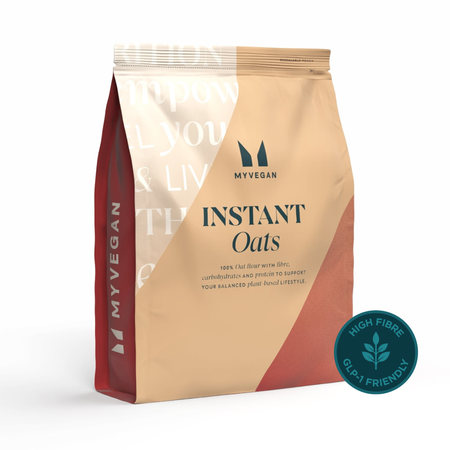
Fibre supplements
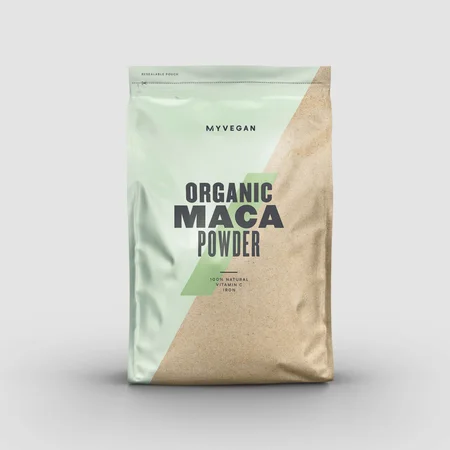
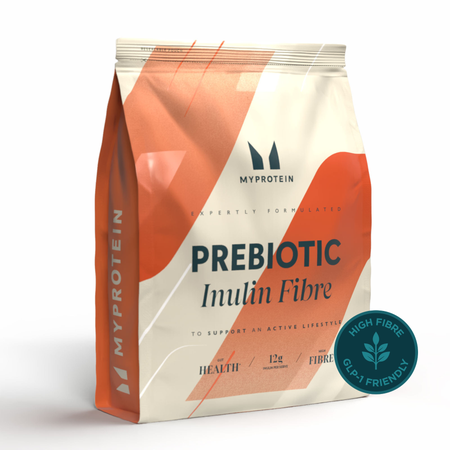
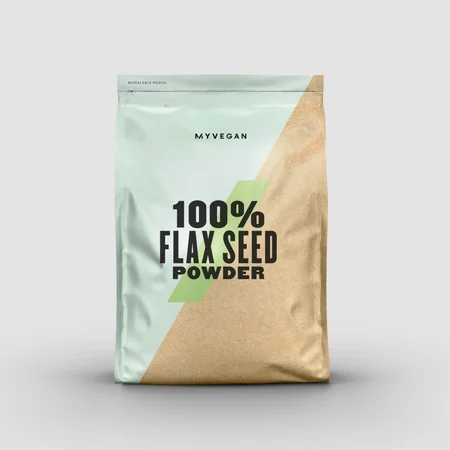
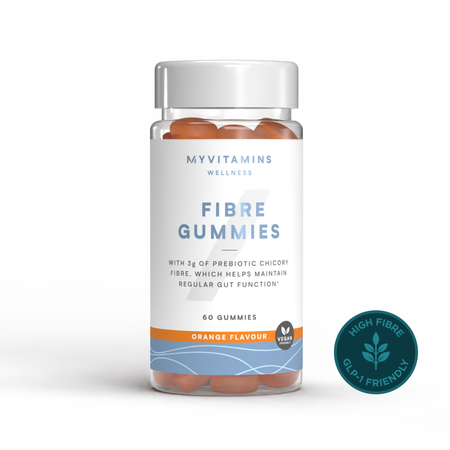
If you're struggling to hit your daily targets through diet alone, a fibre supplement can be a convenient way to top up your intake.
A note of caution
If you currently have a low-fibre diet, add more fibre gradually. It can take time for your digestive system and gut bacteria to get used to the extra work. Increasing your intake too suddenly can cause digestive discomfort, flatulence, or even diarrhoea. Take it slowly to build up your tolerance without the side effects.
Important note: If you have any existing digestive conditions, be extra cautious about increasing your fibre intake. Always consult with your dietitian before making any major changes to your diet.
Frequently asked questions
What is fibremaxxing?
Fibremaxxing is a term used to describe the practice of intentionally increasing your fibre intake to hit or exceed daily recommended targets. It's less of a trend and more of a sensible approach to eating — prioritising whole, unprocessed foods like legumes, whole grains, and plenty of fruit and vegetables over refined alternatives.
Is it true we can't digest fibre?
Yes, humans cannot digest fibre, but the bacteria in our gut can. They ferment some of it to create short-chain fatty acids, which provide energy for your digestive cells.
How much fibre do I actually need?
You should aim for 25g to 35g per day. For context, some hunter-gatherer populations like the Hadza eat well over 80g per day, so our modern targets are quite modest by comparison.
Does fibre support gut health?
Yes — a well-fed gut microbiome is one of the most significant benefits of a high-fibre diet. Fibre feeds the beneficial bacteria in your gut, which in turn produce short-chain fatty acids that nourish the cells lining your digestive system.
Take home message
Fibre has wide-ranging benefits for your health, potentially affecting everything from insulin sensitivity to your immune response. By making whole-grain switches and eating more fruit and vegetables, you can meaningfully increase your intake. Remember to build up your tolerance gradually and to focus on variety. Small, consistent changes to your diet can make a real difference to your long-term wellbeing.
READ MORE HERE:

Why Fibre is So Good For You + 28 High-Fibre Foods
Good news: Popcorn made the list...

Probiotics & Prebiotics 101: What Are They?
Hint: they support immunity and digestive health....

Essential Amino Acids | Everything You Need To Know
Find out more about this “essential” ingredient that makes protein so powerful....