Rapid weight loss is often the headline of a GLP-1 journey, but the real goal is bigger than seeing a smaller number on the scale. You want to keep hold of your hard-earned muscle even while losing fat. From protein targets to essential training tips, here's what you need to do if you want to maintain muscle on GLP-1.
Jump to:
- Does GLP-1 cause muscle loss?
- Why muscle preservation is critical for metabolism
- How much protein do you need on GLP-1?
- The best foods for maintaining muscle on GLP-1
- Strength training on GLP-1
- GLP-1 resistance training plan
- Best supplements and vitamins for GLP-1
- Recovery: The role of sleep and stress
- FAQs
Does GLP-1 cause muscle loss?
This is one of the frequent questions regarding GLP-1s. The current consensus suggests that the medication itself does not target muscle tissue for breakdown.1
What it does do is cause the body to slow down gastric emptying, release insulin, and send feelings of fullness to the brain, leading to a reduced appetite and energy intake.
Muscle loss is typically a consequence of this significant calorie deficit and rapid weight reduction. When you lose weight quickly, your body naturally looks for energy sources, and if not properly supported, it can tap into muscle tissue.1
So, while GLP-1 receptor agonists are highly effective for weight loss, a substantial portion of that loss can come from lean mass if you are not careful. Your aim should be to tilt this ratio through your diet and exercise so that you lose maximum fat and minimum muscle.
Why preserving muscle is critical for your metabolism
Preserving muscle isn't just about aesthetics; it's about maintaining your metabolic health. More muscle means you burn calories even when you are at rest.
If you lose significant muscle mass, your metabolism can be affected, making it harder to maintain your weight in the future.2 This is because your calorie needs will be lower, therefore it will be easier to overeat and gain body fat. Protecting your muscle ensures that your body remains efficient at burning energy throughout your journey.
Losing a significant amount of muscle can also significantly affect your quality of life, leaving you weaker and less able to carry out daily tasks without having to rest more frequently.
How much protein do I need on GLP-1?
If you want to prevent muscle loss on GLP-1, the first step is prioritising your protein intake. Because your total food volume is lower, the percentage of your calories coming from protein needs to increase. Without enough protein, your body is more likely to break down its own muscle to function.
Aim for approximately 1.4g to 2g of protein per kilogram of body weight as a baseline. For someone weighing 80kg, this equates to roughly 112g to 160g of protein per day.3
Distributing this protein evenly across 4 to 5 small meals helps keep the muscle-building process active throughout the day. This can also be supported by additional essential amino acids or BCAAs throughout the day.
What to eat on GLP-1
Your GLP-1 nutrition plan should be built around nutrient density rather than just calorie restriction. Because your appetite is suppressed, you have a smaller "window" of opportunity to provide your body with the nutrients it needs.
This means choosing items that are high in protein and vitamins but low in potential digestive triggers. Whole foods should be the cornerstone of your diet to ensure you are meeting your fundamental health requirements.
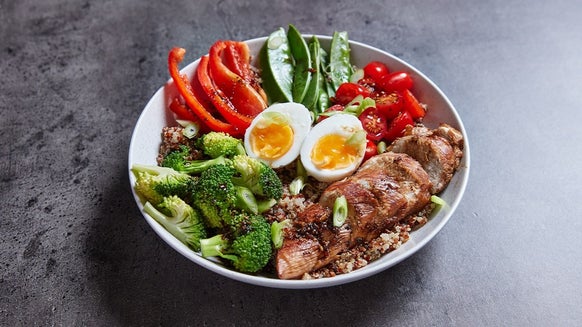
Lean white meats: Chicken, turkey, and white fish are easy to digest and provide high-quality, complete protein. Plant proteins: Tofu, tempeh and seitan are excellent for muscle support if you prefer plant-based options. Complex carbs: Quinoa, oats and sweet potatoes provide the energy required for your daily activity alongside the necessary vitamins and minerals to support bodily functions and protein synthesis. Fibrous vegetables: Spinach, broccoli and kale offer vital vitamins without adding excessive volume to the stomach.

GLP-1 Nutrition Guide: What to Eat on Mounjaro, Ozempic & Wegovy
Food choices are key to maximising weight loss, preserving muscle, and maintaini...
Strength training on GLP-1: Why it's vital
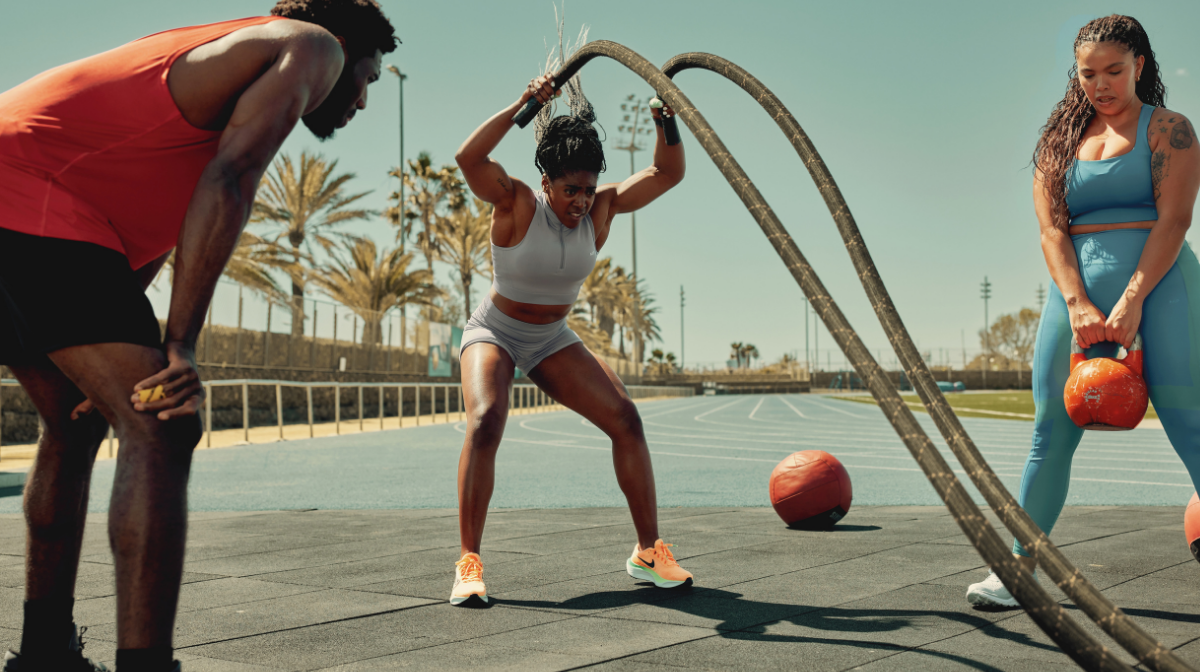
Many people wonder if you can exercise on GLP-1. The answer is that exercise — specifically weight training on GLP-1 — is probably the most powerful tool for preserving muscle.
Lifting weights or using resistance bands sends a "use it or lose it" signal to your nervous system. Even in a calorie deficit, resistance training tells your body that the muscle is essential, forcing it to prioritise burning fat stores instead.
Resistance exercise provides the mechanical tension necessary to prevent muscle loss.4 Without this stimulus, the body may view muscle as "expensive" tissue to maintain during weight loss.
Try to incorporate at least two to three strength training sessions per week. Focus on compound movements like squats, lunges, and rows that target multiple muscle groups at once. You don’t want to perform too much activity or too high a volume, as this could add too much to the calorie deficit, making it harder to maintain lean mass.

Resistance training plan for GLP-1
When your energy levels are fluctuating due to reduced calorie intake, efficiency is key. This full-body circuit is designed for weight training, focusing on large muscle groups to maximise the "muscle-sparing" signal.
Perform this routine 2-3 times per week, allowing 48 hours of rest between sessions. Aim for 2-3 sets of each exercise with a 90-second rest between sets.
The focus should be on control: smooth, slower movements on the way down, and power on the way up to preferentially recruit and preserve type II x fibres (the ones that hold more size).
Bodyweight or goblet squats: 6-10 reps. Focus: Lower body strength and bone density. Incline push-ups (or traditional push-ups): 8-10 reps. Focus: Chest, shoulders, and triceps (use a kitchen counter or bench if needed). Dumbbell or resistance band rows: 8-10 reps. Focus: Upper back and posture. Reverse lunges: 6 reps per leg. Focus: Balance and leg strength. Plank: Hold for 30-45 seconds. Focus: Core stability and protecting the lower back.
The goal of strength training on GLP-1 is consistency over intensity. If you feel tired, reduce the volume first and the weight second if necessary, but try to complete the movements to keep the muscle tissue active.
Best supplements and vitamins for GLP-1
When your food intake drops, your intake of essential micronutrients often drops with it. This makes GLP-1 vitamin support a key part of your daily routine to ensure your metabolism stays optimised.
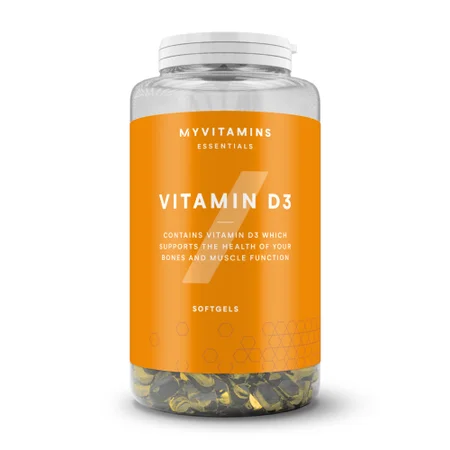
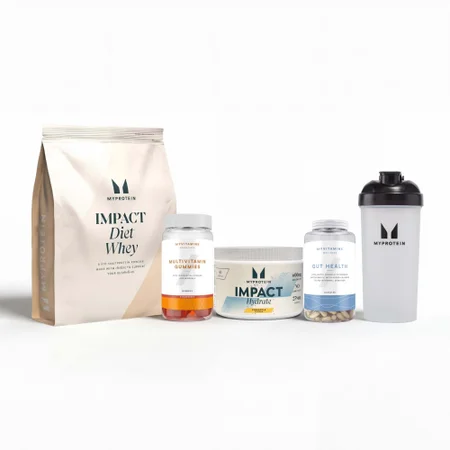
Micronutrients like vitamin D, magnesium, and B vitamins are essential for the processes that allow your body to use energy, repair muscle and bones, and keep a healthy immune system. Without these, your body can feel sluggish even if your protein intake is high.

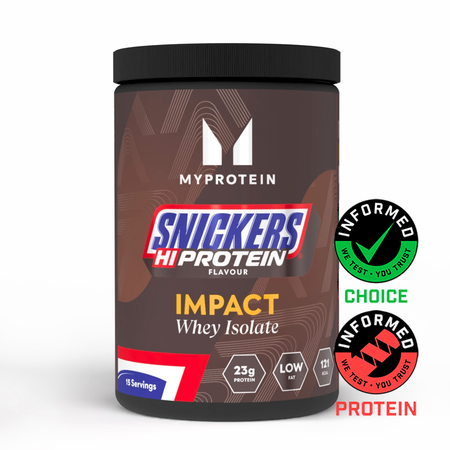
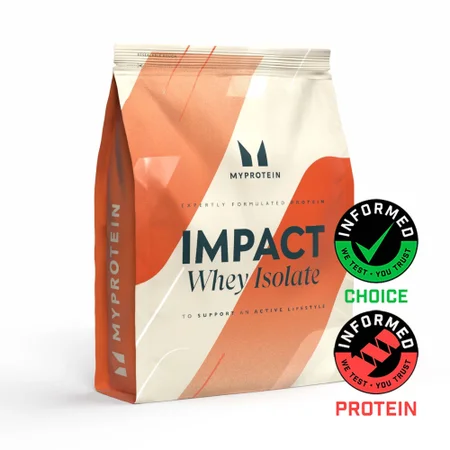
For GLP-1 users, a high-quality isolate is often considered the best protein shake for GLP-1. These are processed to be very light and are quickly absorbed, making them ideal for someone with slowed digestion.
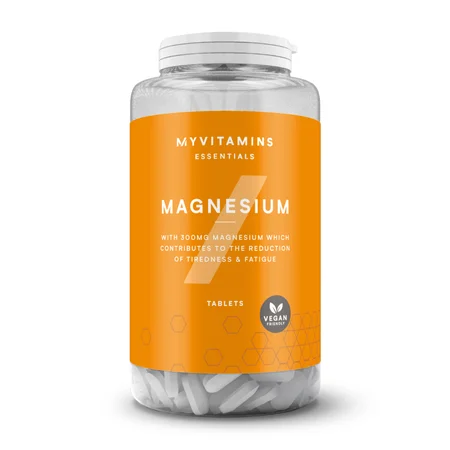
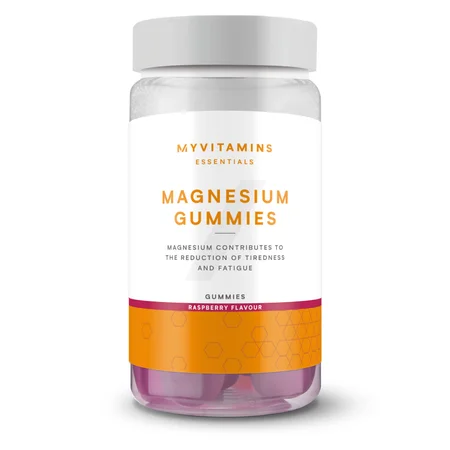
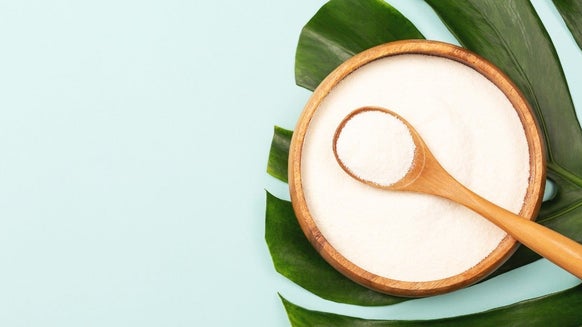
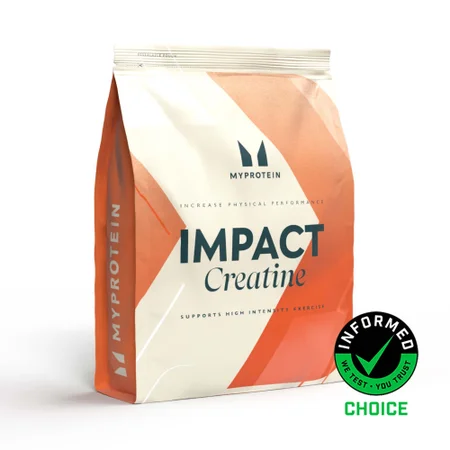
In addition to basic vitamins, specific GLP-1 support supplements can help you maintain your edge. Creatine monohydrate is one of the most researched supplements in existence and helps support strength and muscle preservation during weight loss.

Recovery: The role of sleep and stress
Nutrition and training are two sides of the triangle. The other side is recovery. Your nutrition and training plans won't be as effective if your body is under constant stress or suffering from a lack of sleep.
You would also suffer from a lack of muscular repair without your body’s ability to rest and digest. When you sleep, your body releases hormones that facilitate tissue repair and muscle growth.
Sleep deprivation can also increase cortisol, which can encourage muscle breakdown.5 Aim for 7-9 hours of quality rest per night.
FAQs: Muscle and GLP-1
Can you build muscle while on GLP-1?
Yes, you can build muscle while on GLP-1. While it is challenging in a large calorie deficit, those new to training can achieve "body recomposition" by losing fat and gaining muscle simultaneously with a high protein intake.
Why does GLP-1 cause muscle loss?
It is a misconception that GLP-1 medication directly attacks muscle. The reason some people believe this is because rapid weight loss usually involves the body burning both fat and muscle for fuel if not properly supported by protein and exercise.
What is the best protein shake for GLP-1?
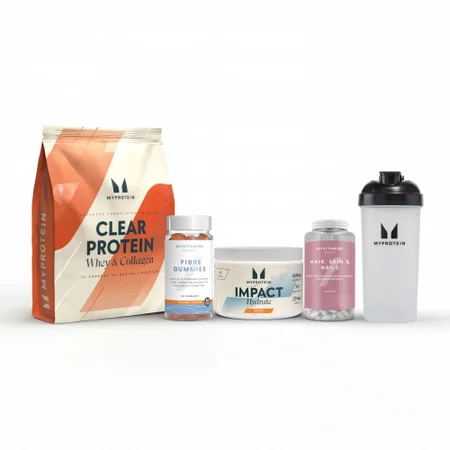
The best protein shake for GLP-1 is probably Whey Isolate or Clear Whey. These are processed to be much thinner and easier on a stomach that is digesting food more slowly.
Take home message
Maintaining muscle on your GLP-1 journey is the key to a healthy, sustainable transformation. By focusing on a high-protein GLP-1 nutrition plan, staying consistent with strength training on GLP-1, and using targeted GLP-1 support supplements, you can ensure that you emerge from your weight loss stronger and more energised.
As with any new plan, make sure you understand the risks of starting and seek medical support or the support of a professional if you are unsure. Protecting your lean mass today is the best investment you can make for your metabolic health tomorrow. Stay hydrated, eat your protein, and keep moving.
GLP-1 Side Effects: Nutritionist Tips for Managing Discomfort
A few proactive changes can really make the difference ......
GLP-1 Side Effects: Nutritionist Tips for Managing Discomfort
A few proactive changes can really make the difference ......

- Anyiam, A., Ardavani, A., Rashid, M., Panesar, K., & Idris, I. (2025). How do glucagon-like Peptide-1 receptor agonists affect measures of muscle mass in individuals with, and without, type 2 diabetes: A systematic review and meta-analysis. Obesity Reviews.
- Emanuelsson, E., & Horwath, O. (2024). Body composition matters: Preserving muscle and function in the era of GLP–1–based weight loss therapies. The Journal of Physiology.
- Jäger, R., Kerksick, C. M., Campbell, B. I., Cribb, P. J., Wells, S. D., Skwiat, T. M., … & Antonio, J. (2017). International Society of Sports Nutrition Position Stand: Protein and exercise. Journal of the International Society of Sports Nutrition.
- Suchomel, T. J., Nimphius, S., Bellon, C. R., & Stone, M. H. (2018). The Importance of Muscular Strength: Training Considerations. Sports Medicine.
- Braun, T. P., & Marks, D. L. (2015). The regulation of muscle mass by endogenous glucocorticoids. Frontiers in physiology, 6, 12. https://doi.org/10.3389/fphys.2015.00012