Tired of the same four walls of the gym? It might be time to take your workout outside.
From the fresh air to the challenge of training on uneven ground, working out outdoors can refresh your fitness routine at any time of year. And with the right kit and a bit of planning, the colder, darker months don't have to bring your outdoor training to a halt.
This guide covers everything you need to know, from the benefits of outdoor training to staying safe whatever the weather.
- Benefits of outdoor training
- Staying safe whatever the weather
- Types of outdoor workouts
- Nutrition for outdoor workouts
- Frequently asked questions
Benefits of outdoor training
Working out in the park, on a trail or even in your garden offers a refreshing change of scenery from your usual gym session, and the benefits can go beyond physical fitness.
It can also give you a more dynamic workout. Varied terrain and natural obstacles can engage muscles you might not use on a flat gym floor, helping you build functional strength and stability.
A change of scene: Many people find that getting outside, even on a grey day, leaves them feeling more energised and clear-headed after a workout. More challenge and variety: The uneven ground of a park or trail makes your stabilising muscles work harder, improving balance and coordination. You can use natural features like benches, hills and trees for a more dynamic workout. Accessible workouts: Outdoor spaces are often free to use, making fitness more accessible. A park workout needs little to no equipment. Higher calorie burn: Things like wind resistance and varied terrain can make your body work harder, potentially increasing the calories you burn compared with a gym workout of the same length.

Staying safe whatever the weather
Training outdoors is great, but it pays to be prepared. Check the forecast, think about how your body will respond to the conditions and adjust your plans accordingly. There's no need to push yourself to the point of exhaustion.
In cold and wet weather
Layer up: Wear thin layers you can take off as you warm up: a sweat-wicking base layer, a warmer mid-layer and a windproof or waterproof outer layer. A hat and gloves will help keep your head and hands warm. Warm up properly: Your muscles can take longer to warm up in the cold, so spend a little longer on your warm-up before the main part of your session. Be seen: With shorter days, you're more likely to be training in the dark. Wear bright or reflective clothing, and a head torch if you're running on unlit paths. Watch your footing: Wet leaves, mud and ice can make surfaces slippery, so slow down on uneven ground and stick to well-lit, familiar routes. Keep drinking: You might not feel as thirsty in the cold, but you still lose fluid through sweat and breathing, so drink water before, during and after your workout. Change quickly: Swap damp kit for something warm and dry soon after you finish, so you don't get cold. Think about vitamin D: From about late March to the end of September, most people can make all the vitamin D they need from sunlight. In autumn and winter, the NHS advises everyone to consider a daily vitamin D supplement.
In hot weather
Train early or late: Schedule your workouts for the cooler parts of the day, such as early morning or late evening, to avoid the peak heat. Sun protection: Even on cooler days the sun can be strong, so always use a sun cream with an SPF of at least 30 and 4* UVA protection. A hat and UV-protective sunglasses can also provide extra defence. Hydration is key: Drink plenty of water before, during and after your workout. Bring a water bottle and an electrolyte supplement to replace minerals lost through sweat. Know the symptoms: Be aware of the signs of heat exhaustion and heatstroke, such as dizziness, headache, excessive sweating or a rapid pulse. If you feel any of these, stop immediately and find a cool, shaded area.
Whatever the season, the weather can turn quickly in the UK, so always be prepared. A light extra layer and a waterproof jacket can be the difference between a great workout and a miserable one.
Types of outdoor workouts
One of the best things about outdoor training is the variety. You're not limited to a single machine or type of exercise. Here are a few ideas for working out in the park and beyond.
Outdoor gyms
Many local parks now have free-to-use outdoor gym equipment. These stations are a great way to add bodyweight exercises and resistance training to your routine. From pull-up bars to parallel bars, you have everything you need for a full-body workout. Use them for your warm-up or as part of a full circuit.
HIIT
A park is the perfect setting for a high-intensity interval training (HIIT) session. You can use benches for box jumps or triceps dips, open grass for sprints, or a hill for an extra challenge. HIIT is also a good option in winter, as short, intense intervals help you warm up quickly.

Yoga in the park
Roll out your mat and find a peaceful spot for some yoga. Practising yoga outdoors can feel incredibly calming, letting you focus on your breath and the sounds around you. It's a great way to work on flexibility, balance and mindfulness, and it's best saved for drier, milder days.
Running and cycling
These are classic outdoor exercises for a reason. Running through a local park or cycling along scenic trails is a great way to improve your cardiovascular fitness while enjoying the scenery, and both are accessible for all fitness levels. In the darker months, plan routes on well-lit roads and paths, and check for ice before you head out.
Hiking
For a more adventurous challenge, try hiking or even fell running. Running on hills or up peaks gives you a dynamic workout that engages different muscles and provides a serious cardio challenge. It's also a great way to explore new landscapes. In winter, tell someone your route and pack an extra warm layer, as conditions on hills can change quickly.
Nutrition for outdoor workouts
When you're out and about, convenience is key. The right nutrition can help you perform at your best, wherever your training takes you. Here's some of the best portable nutrition to fuel your outdoor sessions, whatever the season.
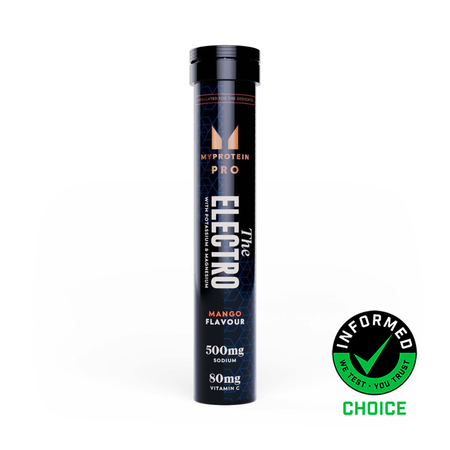
Impact Pre-Workout
Need a boost before your session? Impact Pre-Workout contains caffeine, taurine, beta-alanine and essential vitamins to help you take your training to the next level. It's easy to mix and carry, so you can have it just before you start.
Caffeine to help increase alertness during your workout. Vitamin C and niacin, which contribute to the reduction of tiredness and fatigue.
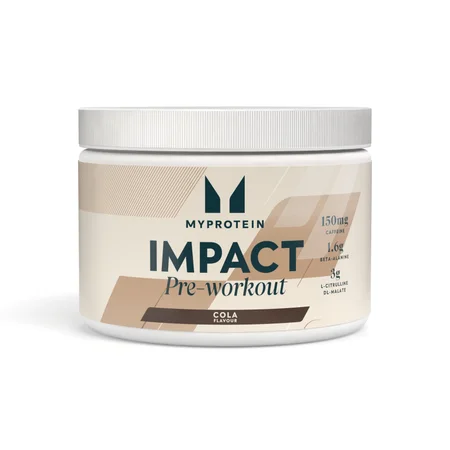
THE Energy Gel
For longer runs, rides or hikes, a quick energy source is a must. THE Energy Gel delivers fuel when you need it. It comes in a single-serve pack, making it easy to slip into a pocket or running belt.
30g of carbohydrates per serving. 2:1 maltodextrin to fructose ratio to support energy delivery. - Electrolytes, including magnesium, to help replace what's lost in sweat.
B vitamins, which help to reduce tiredness and fatigue.
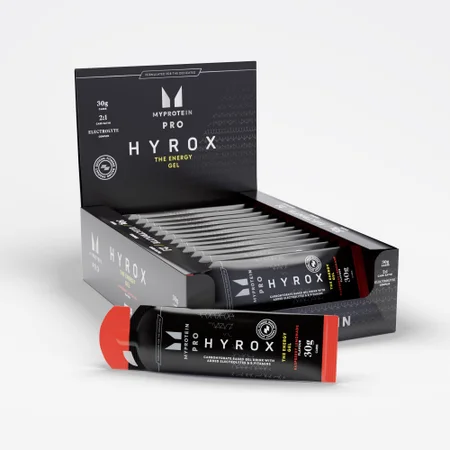
THE Electro Tablets
When you sweat, you lose more than just water, and that's true under winter layers too. THE Electro Tablets are fast-dissolving effervescent tablets for replacing what you lose through sweat. Simply drop one into your water bottle for a fizzy, electrolyte-rich drink you can sip while you train.
Helps replenish what you sweat with an electrolyte-rich blend. 500mg of sodium per tablet. - Zero added sugar and vegan-friendly.
Oat Protein Flapjack
Oat Protein Flapjack is a great option for a post-workout snack or a convenient fuelling option on a long hike.
Packed with protein and carbs to fuel your training. - Made with oats.
- Suitable for vegetarians.

Baked Brownie
Looking for a tasty, high-protein treat? The Baked Brownie is a great choice. It's high in protein and low in sugar, making it a perfect reward after a tough session.
High in protein for an indulgent everyday treat. - Low in sugar.

Peanut Butter Protein Bar
A plant-based snack that's easy to carry. The Peanut Butter Protein Bar is a convenient way to get a protein boost on the go.
Peanut butter enriched with added pea protein. - Wrapped in a dark chocolate-flavour coating.
- Plant-based.

Frequently asked questions
Is it safe to train outside in winter?
For most people, yes, as long as you dress in layers, warm up properly, stay visible in the dark and watch out for ice and slippery surfaces. If you have a heart or breathing condition, check with your GP first.
What should I wear to train outside in the cold?
Wear thin layers you can take off as you warm up: a sweat-wicking base layer, a warmer mid-layer and a windproof or waterproof outer layer, plus a hat and gloves. If you're training in the dark, add something bright or reflective.
Do I need to drink water when training in the cold?
Yes. You might feel less thirsty in the cold, but you still lose fluid through sweat and breathing, so drink before, during and after your workout.
What's the best time of day to train outside?
In summer, early morning or evening avoids the hottest part of the day. In winter, training in daylight makes it easier to stay warm and be seen.
What outdoor workouts can I do without equipment?
Running, bodyweight circuits, HIIT and hill sprints all need little or no equipment, and many parks have free outdoor gyms with pull-up and parallel bars.
Take home message
Outdoor training is a refreshing and effective way to work towards your fitness goals, whatever the season. From a simple park workout to a winter hike, there's an option for everyone.
Remember to dress for the conditions, stay visible and hydrated, and choose the right nutrition to support your performance.
So, what are you waiting for? Get outside and start moving!

Staying Hydrated: What to Drink, How Much and Why It Matters
The best drinks for staying hydrated might surprise you...