Staying hydrated matters more than you might think, especially when you're training. This article covers what hydration actually means, how to know if you're getting it right, and which drinks are best for keeping you in that hydration sweet spot.
Jump to:
Why hydration matters
Around 70% of your body is made up of water. It's found inside your cells, in the fluid surrounding them, and in the various liquids that keep your body running, like blood and lymph.
We lose water constantly through urine, sweat and breath. When you exercise, that loss accelerates because you sweat more and breathe harder. Even slight dehydration can impair your body's ability to function. The evidence shows it can cause problems with temperature regulation, excess cardiovascular strain, and changes in blood pressure, blood flow and heart rate. It can also make it harder for your muscles to work properly.
Here's a simple way to understand why. When you exercise and don't take in enough fluids to replace what you lose, your body has to get water from somewhere, so it takes it from your blood. Less blood volume means your heart has to work harder to pump blood around your body. The result is that your performance drops and exercise feels significantly harder than it should.
Being properly hydrated is essential if you want to train hard. And harder, higher-volume training can lead to greater gains in muscle size and strength.

How to check your hydration
The easiest way to check whether you're properly hydrated is to look at the colour of your urine.
When you're dehydrated, there's less water in your urine and a higher concentration of waste products, which makes it darker. You can compare the colour against a standard urine colour chart, typically a seven or eight-point scale, to get a clear sense of where you stand.
Pale or straw coloured: You're well hydrated. Yellow or orange: You're dehydrated and need to drink more. Dark orange or brown: You're significantly dehydrated. Drink something now.
Spending most of the day producing pale urine is a good sign that you're taking care of your hydration.
This is also why it's more useful to base your fluid intake on urine colour than on a fixed daily target. The right amount varies from person to person depending on body size, genetics, sweat rate and activity level. Urine colour tells you what your body actually needs.
One more thing: if your urine is consistently completely clear, you may be over-hydrating, which can lead to a loss of important salts and electrolytes. It's always possible to have too much of a good thing.
The best drinks for hydration
Water is considered the standard when it comes to hydration. Scientists have developed a Beverage Hydration Index (BHI), which measures how hydrating different drinks are relative to still water, based on the volume of urine produced after drinking.
Here's how common drinks compare:
Sparkling water: Virtually identical to still water. Cola: Appears slightly more hydrating, though the difference is not statistically significant. Diet cola and sports drinks: Virtually the same as water. Oral rehydration solution: Significantly more hydrating than water. Orange juice: More hydrating than water, likely due to its sugar content. Tea and coffee: Roughly as hydrating as water. Skimmed milk: The most hydrating drink tested. Whole milk: Slightly less hydrating than skimmed, but still more hydrating than water.
Oral rehydration solution
Oral rehydration solution is a drink specifically designed to replace fluids and prevent or treat dehydration in cases of severe fluid loss. It is significantly more hydrating than water because it contains small amounts of sugar and electrolyte salts, including potassium and sodium. These help the gut absorb fluids much more effectively than water alone.
This is also the reason many sports drinks contain sugar and electrolytes: to improve water absorption and keep athletes well hydrated during competition.
Tea and coffee
There's a common belief that tea and coffee don't count towards your hydration, but this isn't accurate. While both do have very slight diuretic effects, meaning they make you urinate a little more, the amount of water they contain is more than enough to keep you hydrated.
The one exception is espresso, where the volume of water is so small that it wouldn't make a meaningful contribution. But regular brewed tea and coffee are perfectly fine as part of your daily fluid intake.
Milk
Milk ranks at the top of the Beverage Hydration Index, with skimmed milk being the most hydrating drink of all those tested. This is likely due to its content of sugars, electrolyte salts, and possibly protein, all of which help improve fluid absorption in the gut.
Whole milk is slightly less hydrating than skimmed, possibly because fat can slow down how quickly the stomach empties. Even so, it is still more hydrating than plain water.
Getting water from food
Drinks aren't your only source of water. Many fresh fruits and salad vegetables have a high water content and can contribute meaningfully to your daily fluid intake. Including plenty of these in your diet is worth factoring in when thinking about overall hydration.
Hydration for training and sport
For everyday hydration, a range of drinks and foods can keep you well hydrated throughout the day, and monitoring urine colour is a practical way to stay on top of it.
However, if you're training for a long time or competing in a sport where you sweat heavily, or in high temperatures, you may benefit from drinks that contain added sugar and salt. Options like orange juice or skimmed milk (if you tolerate it) may be optimal for replacing lost fluids as quickly as possible. You can also find plenty of isotonic sports drinks designed to do the same thing.
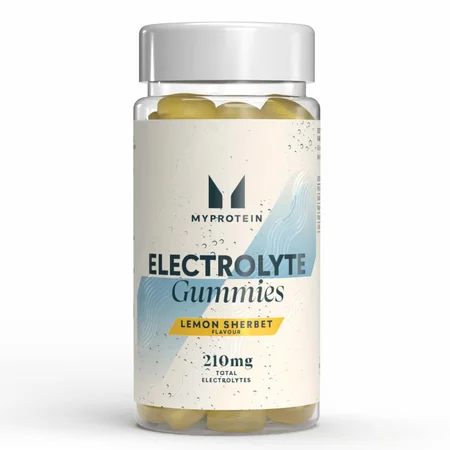
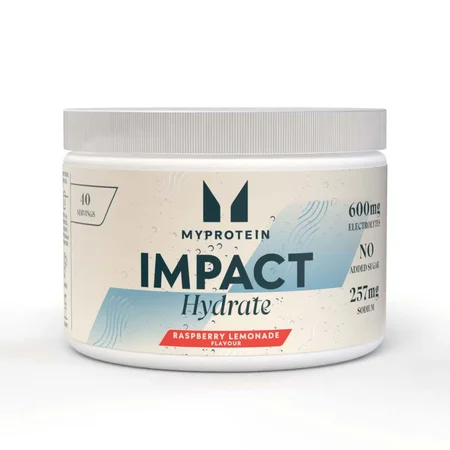
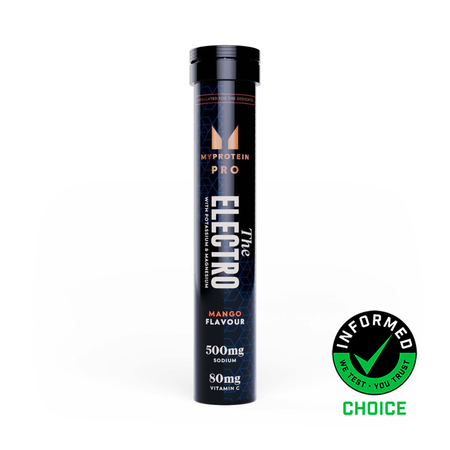
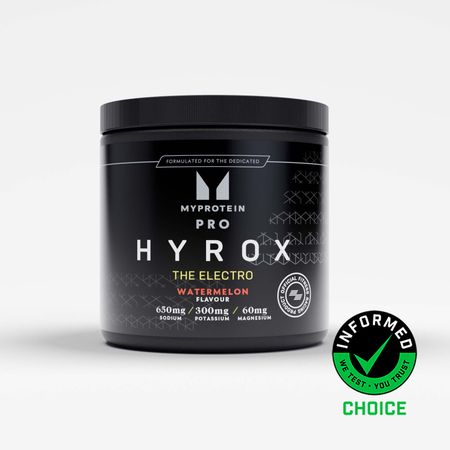
Explore our full range of electrolyte supplements.
Frequently asked questions
How do I know if I'm hydrated enough?
Check the colour of your urine. Pale or straw coloured means you're well hydrated. If it's yellow or darker, drink more. Consistently clear urine may mean you're drinking too much, which can deplete electrolytes.
How much water should I drink per day?
There's no single answer. The right amount depends on your body size, genetics, sweat rate and activity level. Rather than aiming for a fixed daily target, use urine colour as your guide.
Do tea and coffee count towards hydration?
Yes. Despite their mild diuretic effect, the water content in tea and coffee is more than enough to contribute to your hydration. Regular brewed tea and coffee are a perfectly good source of fluids.
Is milk good for hydration?
Yes. Skimmed milk is actually the most hydrating drink on the Beverage Hydration Index, outperforming plain water. Whole milk is also more hydrating than water, though slightly less so than skimmed.
What is an oral rehydration solution?
It is a drink specifically designed to replace fluids and treat dehydration. It is significantly more hydrating than water because it contains small amounts of sugar and electrolyte salts, which improve fluid absorption in the gut.
What should I drink when training?
For most training sessions, water is fine. If you're training for a long time or sweating heavily, drinks containing sugar and electrolytes, such as sports drinks, orange juice or milk, can help you replace fluids more quickly.
Take home message
Hydration matters more than many people realise, particularly for training and sport. The good news is that you have plenty of options beyond plain water, and keeping an eye on the colour of your urine is one of the most practical ways to stay on top of it. For everyday hydration, a mix of drinks and water-rich foods will do the job. For harder training sessions or hot conditions, reaching for something with added sugar and electrolytes is the smarter choice.
READ MORE HERE:

How to Stay Hydrated: Electrolytes, Tips and Supplements
Don't let dehydration hold back your training....
How Much Water Should I Drink A Day?

Outdoor Training Guide: Everything You Need to Know
Ditch the gym and step outside, whatever the weather....


- Belval, L. N., Hosokawa, Y., Casa, D. J., Adams, W. M., Armstrong, L. E., Baker, L. B., et al. (2019). Practical hydration solutions for sports. Nutrients, 11(7), 1550.
- Sawka, M. N. (1990). Effects of body water loss on physiological function and exercise performance. https://ci.nii.ac.jp/naid/10020792095/
- Montain, S. J., & Coyle, E. F. (1992). Influence of graded dehydration on hyperthermia and cardiovascular drift during exercise. Journal of Applied Physiology, 73(4), 1340-1350.
- Sawka, M. N., Young, A. J., Francesconi, R., Muza, S., & Pandolf, K. B. (1985). Thermoregulatory and blood responses during exercise at graded hypohydration levels. Journal of Applied Physiology, 59(5), 1394-1401.
- Adams, W. M., Ferraro, E. M., Huggins, R. A., & Casa, D. J. (2014). Influence of body mass loss on changes in heart rate during exercise in the heat: A systematic review. Journal of Strength and Conditioning Research, 28(8), 2380-2389.
- Trangmar, S. J., & González-Alonso, J. (2017). New insights into the impact of dehydration on blood flow and metabolism during exercise. Exercise and Sport Sciences Reviews, 45(3), 146-153.
- Trangmar, S. J., & González-Alonso, J. (2019). Heat, hydration and the human brain, heart and skeletal muscles. Sports Medicine, 49(1), 69-85.
- Wardenaar, F. C., Thompsett, D., Vento, K. A., Pesek, K., & Bacalzo, D. (2021). Athletes’ self-assessment of urine color using two color charts to determine urine concentration. International Journal of Environmental Research and Public Health, 18(8), 4126.
- Murray, B., & Eichner, E. R. (2004). Hyponatremia of exercise. Current Sports Medicine Reports, 3(3), 117-118.
- Maughan, R. J., Watson, P., Cordery, P. A., Walsh, N. P., Oliver, S. J., Dolci, A., et al. (2015). A randomized trial to assess the potential of different beverages to affect hydration status: Development of a beverage hydration index. American Journal of Clinical Nutrition, 103(3), 717-723.
- Grandjean, A. C., Reimers, K. J., Bannick, K. E., & Haven, M. C. (2000). The effect of caffeinated, non-caffeinated, caloric and non-caloric beverages on hydration. Journal of the American College of Nutrition, 19(5), 591-600.