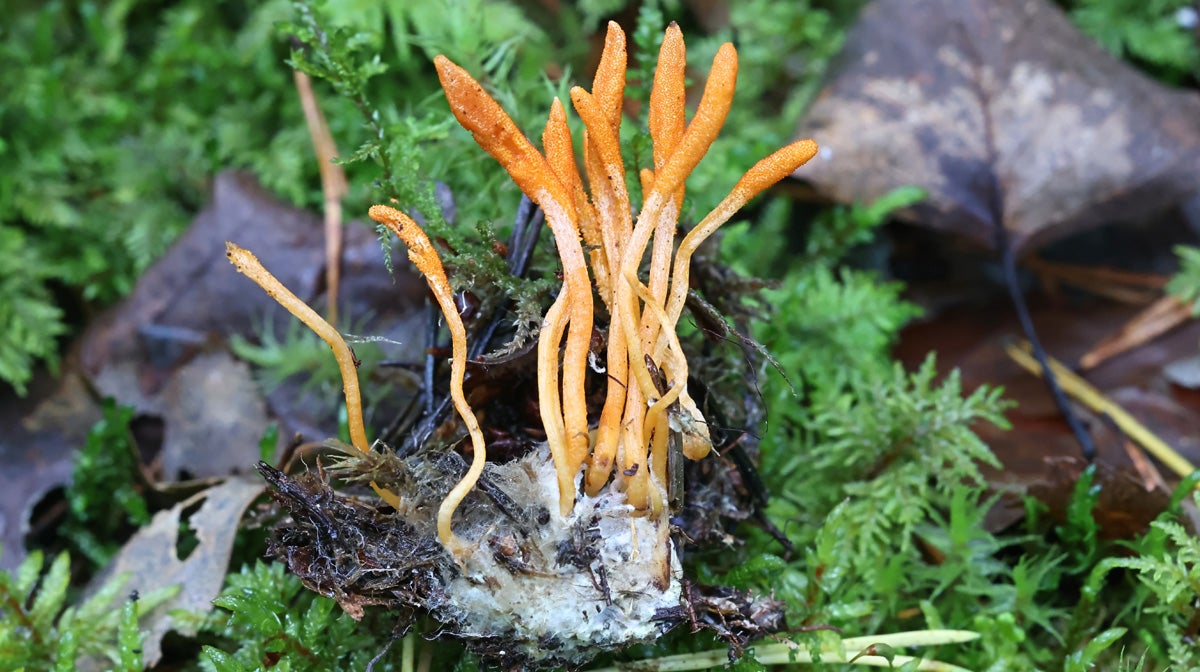
Cordyceps might have reached mainstream fame as the "zombie mushroom" in The Last of Us, but there is a lot more to this fungus than post-apocalyptic fiction. Used for centuries in traditional wellness, this functional mushroom is now a staple for those looking to support their energy and performance.
Jump to:
- What are cordyceps?
- Benefits of cordyceps
- Is it healthy to eat cordyceps?
- How to take cordyceps?
- Dosage and safety
- Frequently asked questions
What are cordyceps?
Cordyceps mushrooms are a rare and highly valued type of fungus that includes around 750 species.1
The popular culture references are somewhat accurate as these fungi are parasitic, often surviving on insect tissues. This process eventually leads to the growth of fruiting bodies that emerge from the host.1
The most common species used today, cordyceps sinensis and cordyceps militaris, have a long history in traditional Chinese and Tibetan medicine. They have historically been used as health tonics with potential anti-inflammatory and antifatigue properties.1
Beyond their traditional use, these mushrooms provide a range of nutrients, including protein, vitamins E, K, B1, B2, and B12, and various minerals.2
Modern research has begun to investigate these medicinal properties more closely, and some evidence suggests that cordyceps may offer wide-ranging health benefits for the general consumer.3

Benefits of cordyceps
Cordyceps mushrooms have gained popularity as supplements because they are thought to help increase energy levels and support immune function. While much of the evidence is still in the early stages, the potential for supporting daily wellness is promising.
Athletic performance
Cordyceps are often linked to improved athletic performance because they may help support oxygen usage and blood flow during exercise.4
One study suggested that young adults taking a mushroom blend containing cordyceps militaris for three weeks saw a gradual increase in their VO2 max.4
While some short-term studies show promise, other research involving different blends has not yet confirmed a significant difference in performance compared to control groups.5, 6

Cholesterol and heart health
Some animal studies suggest that cordyceps may help maintain healthy cholesterol levels, which is a key factor in cardiovascular health.
Research using cordyceps militaris suggested a decrease in the formation of plaques that narrow arteries, alongside lower levels of total cholesterol and triglycerides in the blood.7
Inflammation
While inflammation is a natural bodily response, long-term or chronic inflammation is linked to many different health concerns.3
Studies in mice have linked cordyceps supplementation to reduced airway inflammation and potential protection against certain neurodegenerative conditions.3, 8
Immunity
The bioactive compounds found in these fungi are thought to help regulate the immune system, supporting the body’s natural defences. Evidence from lab settings suggests that cordyceps sinensis may help regulate human immune cell function.9
A human study found that the activity of Natural Killer (NK) cells, which help the body deal with infections, increased in men four weeks after taking cordyceps militaris.2

7 Easy Ways To Supercharge Your Immune System
Stay feeling your best with nutritionist-approved advice....
Ageing
Because they are rich in antioxidants, cordyceps may help protect cells from oxidative stress and damage, which is a major factor in the ageing process.
In animal studies, cordyceps militaris has been linked to protected mitochondrial function and boosted antioxidant enzyme activity in the liver.10
Menopause
You may see cordyceps linked to anti-obesity effects during menopause, though current evidence is limited to specific animal models.11 More human research is required to fully understand these potential effects.

This Is What Happens To Your Body During Menopause
Richie discusses symptoms and ways to potentially ease them....
Can I eat cordyceps?
Cordyceps mushrooms are considered edible and contain various beneficial compounds, including essential amino acids, sterols and specific carbohydrates.12, 13
They were officially recognised as a "Novel Food" by the Chinese Ministry of Health in 2009 and remain a common ingredient in many Asian cuisines.12
However, they may not be suitable for everyone. If you have an autoimmune disorder, a bleeding disorder, or are taking immunosuppressive medication, you should consult a healthcare professional before use.
How to take cordyceps
There are several ways to incorporate cordyceps into your routine, depending on your preference for taste and convenience:
Capsules or tablets: Ideal for those who want a quick, tasteless supplement. Powders: These can be easily stirred into morning coffee, smoothies, or tea. Tinctures: Liquid extracts that are often used for quick absorption. Dried whole form: Traditionally used in soups and broths for an authentic experience.
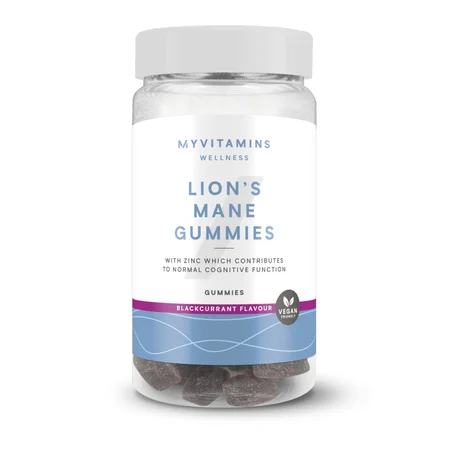
Myprotein Mushroom Gummies
Functional mushrooms are more popular than ever, and Myprotein Mushroom Gummies provide a convenient way to enjoy these benefits without the earthy taste of dried fungi. These mixed-fruit flavoured gummies are designed to fit seamlessly into a busy lifestyle.
Myprotein Mushroom Gummies (Cordyceps) are specifically formulated to support performance. Each gummy contains potent cordyceps extract paired with thiamine (vitamin B1) to provide targeted support.
Thiamine is a vital nutrient that contributes to:
- Normal energy-yielding metabolism, helping you feel powered throughout the day.
- The healthy functioning of the nervous system.
- Normal psychological function and heart function.
Dosage and safety
Cordyceps sinensis is generally considered safe for most people, and reviews suggest that moderate intake does not cause harm.14
Human studies have observed that doses of 2.85g of cordyceps militaris for eight weeks showed no issues regarding liver or kidney toxicity.2,15 For those looking to support athletic performance, some studies have utilised daily doses of up to 4g.4
There are currently no official universal dosage guidelines, but most research suggests not exceeding 4g per day.16 As with any supplement, it is important to read the label and check with a professional if you are pregnant or breastfeeding, as research in these areas is limited.
Frequently asked questions
When is the best time to take cordyceps? While you can take them at any time, many people prefer taking cordyceps gummies in the morning or before a workout to make the most of their energy-supporting properties.
Do cordyceps have side effects? Cordyceps are generally well tolerated, but some people may experience mild digestive upset. It is always best to start with a lower dose to see how your body responds.
Can I take cordyceps every day? Most studies involving cordyceps look at daily supplementation over a few weeks or months. Many consumers use them as part of their daily wellness stack, but it is always wise to follow the specific instructions on your product's packaging.
Are cordyceps gummies vegan friendly? Yes, Myprotein Mushroom Gummies are suitable for vegetarians and vegans.
Take home message
Cordyceps is a unique functional mushroom that has transitioned from traditional medicine to a modern wellness essential. Whether you are looking to support your energy levels, boost your athletic performance, or simply protect your body with antioxidants, these mushrooms offer a range of potential benefits.
For a tasty and effective way to try them, cordyceps gummies are a perfect place to start your journey into the world of functional fungi.
FIND MORE ON MUSHROOMS HERE:
Reishi Mushroom Benefits: The "Mushroom of Immortality" Explained
A natural way to boost your immune system....
What Is Lion’s Mane? Health Benefits, Uses & Best Supplements
Mushrooms can do what?...

- Sharma, H., Sharma, N., & An, S. S. A. (2024). Unique Bioactives from Zombie Fungus (Cordyceps) as Promising Multitargeted Neuroprotective Agents. Nutrients, 16(1), 102.
- Ontawong, A., et al. (2024). A randomized controlled clinical trial examining the effects of Cordyceps militaris beverage on the immune response in healthy adults. Scientific Reports, 14(1), 7994.
- Ashraf, S. A., et al. (2020). Cordycepin for Health and Wellbeing: A Potent Bioactive Metabolite of an Entomopathogenic Medicinal Fungus Cordyceps. Molecules, 25(12), 2735.
- Hirsch, K. R., et al. (2016). Cordyceps militaris improves tolerance to high-intensity exercise after acute and chronic supplementation. Journal of Dietary Supplements, 14(1), 42–53.
- Colson, S. N., et al. (2005). Cordyceps sinensis- and Rhodiola rosea-Based Supplementation in Male Cyclists. The Journal of Strength and Conditioning Research, 19(2), 358.
- Earnest, C. P., et al. (2004). Effects of a Commercial Herbal-Based Formula on Exercise Performance in Cyclists. Medicine & Science in Sports & Exercise, 36(3), 504–509.
- Yin, F., et al. (2021). The Cordyceps militaris-Derived Polysaccharide CM1 Alleviates Atherosclerosis in LDLR(-/-) Mice. Frontiers in Molecular Biosciences, 8.
- He, M. T., et al. (2018). Protective role of Cordyceps militaris in Aβ1–42-induced Alzheimer’s disease in vivo. Food Science and Biotechnology, 28(3), 865–872.
- Zhou, X., et al. (2008). Cordycepin is an Immunoregulatory Active Ingredient of Cordyceps sinensis. The American Journal of Chinese Medicine, 36(05), 967–980.
- Li, X.-T., et al. (2010). Protective Effects on Mitochondria and Anti-Aging Activity of Polysaccharides from Cordyceps militaris. The American Journal of Chinese Medicine, 38(06), 1093–1106.
- Jang, D., et al. (2022). System-level investigation of anti-obesity effects of Cordyceps militaris in ovariectomized rats. BMC Complementary Medicine and Therapies, 22(1).
- Phull, A.-R., et al. (2022). Cordyceps Militaris As A Bioactive Food. Microorganisms, 10(2).
- Shashidhar, M. G., et al. (2013). Bioactive principles from Cordyceps sinensis: A potent food supplement. Journal of Functional Foods, 5(3), 1013–1030.
- Liu, W., et al. (2022). Mechanism of Cordyceps sinensis and its Extracts in the Treatment of Diabetic Kidney Disease. Frontiers in Pharmacology, 13, 881835.
- Lin, B., & Li, S. (2011). Cordyceps as an Herbal Drug. PubMed; CRC Press/Taylor & Francis.
- Dubhashi, S. P., et al. (2023). Early Trends to Show the Efficacy of Cordyceps militaris in Mild to Moderate COVID Inflammation. Cureus.