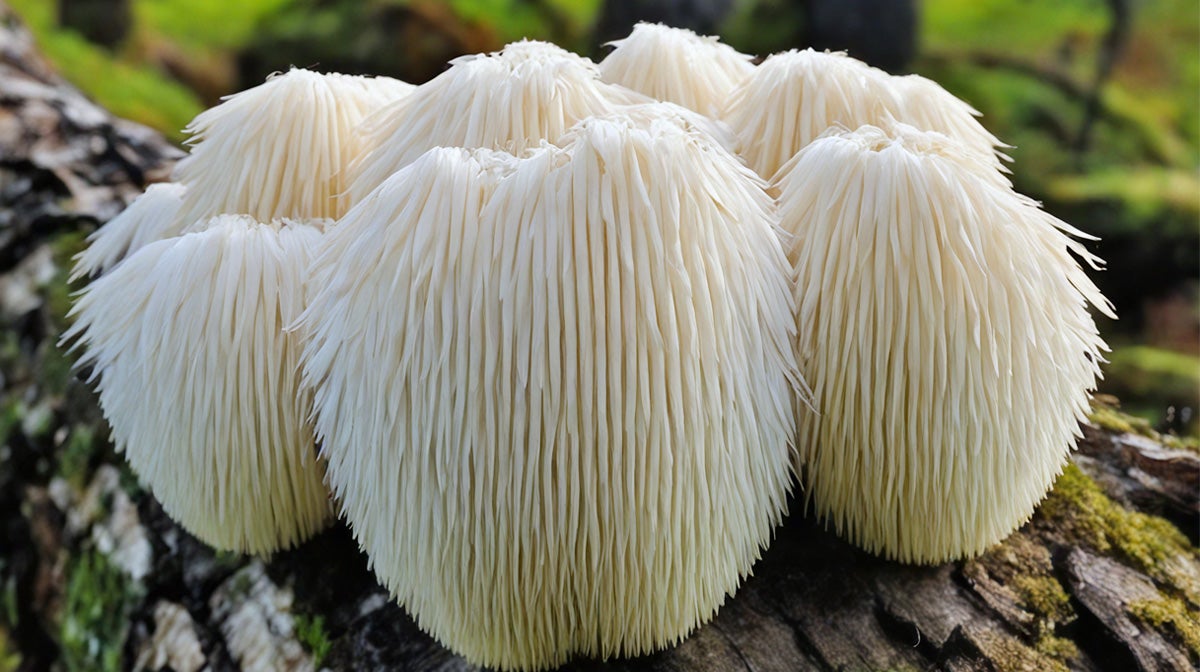
Shaggy, white, and dare we say, almost cute — Lion’s Mane looks more like a marshmallow with a grown-out fringe than a traditional mushroom. But beyond its unique appearance, this functional fungus is a powerhouse for anyone looking to sharpen their focus or clear away midday brain fog. Used for centuries in traditional wellness, it has quickly become a modern essential for supporting cognitive health and mental clarity.
Jump to:
- What is Lion's Mane?
- Is Lion's Mane an adaptogen?
- What is Lion's Mane good for?
- Benefits of Lion's Mane
- When is the best time to take Lion's Mane?
- How to take Lion's Mane mushrooms
- FAQs

What is Lion’s Mane?
Lion’s mane, or Hericium erinaceus to use its scientific name, is a species of mushroom widely used in cooking and supplements. Abundant in East Asia, it has been a staple in traditional Chinese and Japanese medicine for centuries.1
The name comes from its distinctive appearance, which looks a bit like a marshmallow with a long, shaggy fringe. While it was once hard to find outside of specialist markets, it has now become one of the most popular functional mushrooms globally.
Is Lion’s Mane an adaptogen?
Yes, lion’s mane is often classified as an adaptogen. Adaptogens are natural substances that help the body adapt to stress and restore internal balance.2
This makes the mushroom a popular choice for those looking to manage daily stress levels and combat feelings of fatigue. Because it supports the body’s natural resilience, many people use it to maintain a sense of calm during a busy work week.
What is Lion’s Mane good for?
Lion’s mane is considered a functional mushroom because it offers health benefits that go beyond simple nutrition. It is particularly well-regarded for its potential impact on the brain and nervous system.
The mushroom is rich in antioxidants and anti-inflammatory properties. Research suggests that these compounds may help enhance focus, improve memory, and support both cognitive health and overall wellness.3

Benefits of Lion’s Mane
Cognitive function
Lion’s mane has been shown to enhance cognitive functions, particularly memory and concentration. Studies suggest its bioactive compounds may improve mental clarity and support complex learning processes.4
Another major benefit may be protection against cognitive decline as we age. A standout feature of lion’s mane is its apparent ability to stimulate the production of nerve growth factor (NGF).5
NGF is a protein that is essential for the survival and growth of neurons in the brain. Higher levels of NGF may contribute to long-term brain health and potentially lower the risk of degenerative conditions.6
Mood
Early research suggests that lion’s mane may help reduce symptoms of anxiety and low mood. This is possibly due to its anti-inflammatory effects and its influence on brain-derived neurotrophic factor (BDNF).7
Digestion
With its prebiotic properties, lion’s mane helps support the growth of beneficial gut bacteria. A healthy gut microbiome is linked to better digestion and improved nutrient absorption.8
Because the gut and brain are closely connected via the "gut-brain axis," supporting your digestion can also have a positive impact on your mood and energy levels.

The 7 Best Supplements For Gut Health & Why Fibre Matters
Nutritionist-approved supplements that can help you build a healthier gut...
Immune health
Lion’s mane is rich in antioxidants, which help support the immune system by neutralising free radicals in the body. This helps protect your cells from oxidative stress and damage.9
Its bioactive compounds are also believed to enhance the body's natural immune response and reduce chronic inflammation. This contributes to better resistance against common illnesses and overall physical health.

When is the best time to take Lion’s Mane?
To get the most out of its cognitive benefits, consider taking lion’s mane in the morning as part of your daily routine. This can help set you up for a day of focus and mental clarity.
Alternatively, taking it in the early afternoon may help reduce brain fog and prevent that dreaded post-lunch energy slump. Consistency is key, so try to take it at the same time every day to see the best results.
How to take Lion’s Mane mushrooms
While you can cook and eat the fresh mushroom, it can be difficult to source regularly. This is why many people turn to supplements like capsules, powders, and tinctures to get their daily dose.
Powders are great for stirring into your morning coffee or smoothies, while capsules are perfect for a quick, tasteless option. However, if you want something that tastes great and fits a busy lifestyle, mushroom gummies have become the go-to.
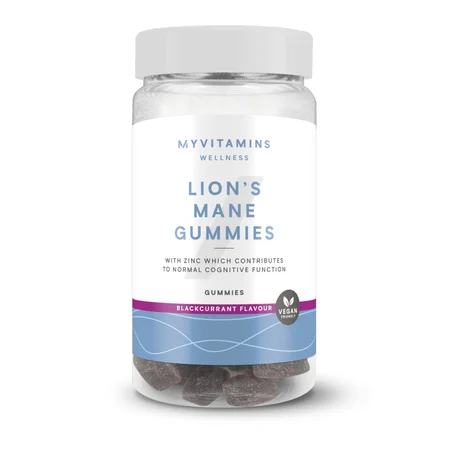
Myprotein Mushroom Gummies
Myprotein Mushroom Gummies (Lion’s Mane) are specifically formulated for supporting focus.
Each blackcurrant flavoured gummy contains 500mg of lion’s mane extract. They also include zinc to support your cognitive health.
Zinc is a vital mineral that contributes to:
- Normal cognitive function and mental performance.
- The protection of cells from oxidative stress.
- The normal function of the immune system.
FAQs
What are mushroom supplements? These are concentrated extracts from mushrooms like lion’s mane, reishi, and cordyceps. They are designed to provide a high dose of active compounds that you wouldn't typically get from culinary mushrooms.
Is lion’s mane safe? Generally, lion’s mane is considered safe for most people. However, if you have a mushroom allergy or an underlying health condition, it is always a good idea to consult a healthcare professional before starting a new supplement.
Is lion’s mane legal? Yes, lion’s mane is completely legal to buy and consume in the UK. It is widely available as a dietary supplement in many different forms.
Does lion’s mane contain caffeine? No, lion's mane is naturally caffeine free. While it is used to support focus and energy, it does so without the jitters or crashes often associated with stimulants.
Take home message
Containing key compounds for brain function and overall health, lion’s mane is a popular choice for anyone looking to reduce stress and sharpen their focus. If you want to boost your brain power, support your mood, or improve your immune health, it is certainly worth making room in your supplement stack for this unique mushroom.
Find more on mushrooms here:


What Is Creatine? Benefits, Types and How To Take It
The world's most researched supplement isn't just for the gym...

Myprotein's Best Whey Protein Flavours According To You
If you’ve ever found yourself in a protein-picking dilemma, a good place to star...

- Friedman, M. (2015). Chemistry, Nutrition, and Health-Promoting Properties of Hericium erinaceus (Lion’s Mane) Mushroom Fruiting Bodies and Mycelia and Their Bioactive Compounds. Journal of Agricultural and Food Chemistry, 63(32), 7108–7123.
- Panossian, A., & Wikman, G. (2010). Effects of Adaptogens on the Central Nervous System and the Molecular Mechanisms Associated with Their Stress-Protective Activity. Pharmaceuticals, 3(1), 188–224.
- Mori, K., et al. (2009). Improving effects of the mushroom Yamabushitake (Hericium erinaceus) on mild cognitive impairment: a double-blind placebo-controlled clinical trial. Phytotherapy Research, 23(3), 367–372.
- Saitsu, Y., et al. (2019). Improvement of cognitive functions by oral intake of Hericium erinaceus. Biomedical Research, 40(4), 125–131.
- Lai, P. L., et al. (2013). Neurotrophic properties of the Lion’s mane medicinal mushroom, Hericium erinaceus (Higher Basidiomycetes) from Malaysia. International Journal of Medicinal Mushrooms, 15(6).
- Kawagishi, H., et al. (1991). Hericenones C, D and E, stimulators of nerve growth factor (NGF)-synthesis, from the mushroom Hericium erinaceum. Tetrahedron Letters, 32(35), 4561–4564.
- Nagano, M., et al. (2010). Reduction of depression and anxiety by 4 weeks Hericium erinaceus intake. Biomedical Research, 31(4), 231–237.
- Diling, C., et al. (2017). Immunomodulatory activities of a polysaccharide from Hericium erinaceus in mice with antibiotic-associated diarrhea. Food & Function, 8(12).
- Sheng, X., et al. (2017). Immunomodulatory effects of Hericium erinaceus derived polysaccharides are mediated by intestinal immunology. Food & Function, 8(3), 1020–1027.