Instant overview
- Post-workout recovery is essential for tissue repair, joint health, injury prevention, and muscle adaptation.
- A high-quality protein powder is critical for triggering muscle protein synthesis immediately after physical exercise.
- Supplements such as creatine, L-carnitine, BCAAs, and L-glutamine help replenish energy and shorten muscle soreness duration.
- Electrolytes restore hydration balance by replenishing minerals lost through heavy sweating.
The best recovery supplements include high-quality protein powder (such as whey or a whey and collagen blend), L-carnitine, creatine, BCAAs, L-glutamine, and electrolytes. These formulas accelerate muscle repair, restore depleted glycogen energy stores, and help manage the body's natural post-training inflammatory response. For optimal efficiency, consume these supplements within 30-60 minutes of finishing a session.
The 6 best recovery supplements: at a glance
- Supplement | Primary benefit | Key function
- Protein powder | Muscle protein synthesis | Delivers rapidly absorbed amino acids to initiate muscle repair and rebuild connective tissues.
- L-Carnitine | Energy metabolism | Transports fatty acids into cells for fuel while reducing post-workout muscle damage.
- Creatine | ATP replenishment | Restores cellular energy stores and enhances the recovery of muscle force-generating capacity.
- BCAAs | Tissue preservation | Supplies leucine, isoleucine, and valine to minimize soreness and prevent tissue breakdown.
- L-Glutamine | Amino acid restoration | Replenishes the body's most abundant amino acid to shorten the duration of muscle soreness.
- Electrolytes | Hydration and function | Restores essential minerals (sodium, potassium, magnesium) to maintain healthy nerve and muscle action.
Jump to:
- Why is recovery important?
- Why nutrition matters for recovery
- The 6 best recovery supplements
- How to use recovery supplements
- Frequently asked questions
After a great workout, it's easy to get distracted by the endorphin rush. But if you want to ensure your body recovers efficiently and effectively, you must refuel with specific macro and micronutrients.
Here's why recovery is vital for your progress and which supplements can help you bounce back faster for your next session.

Why is recovery important?
Recovery is the period where your body adapts to the stress of exercise and begins the process of tissue repair.
Skipping recovery can lead to overtraining, which may decrease your performance and increase the risk of injury over time. A real lose-lose situation.
- Muscle repair: Intense exercise causes micro-tears in muscle fibres that need time and nutrients to heal.
- Performance: Your muscles don't grow during the workout; they grow during the rest period that follows.
- Injury prevention: Giving your joints and connective tissue a break helps them stay strong against high-impact movements. Nutritional support — including adequate protein and collagen — plays a role here too, helping to maintain the health of tendons, ligaments and cartilage over time.
Why nutrition matters for recovery
What you eat after a session provides the raw materials your body needs to rebuild and replenish energy stores.
Without adequate nutrition, the recovery process stalls, leaving you feeling sluggish and sore for longer than necessary.
- Glycogen replenishment: Carbohydrates help refill the energy stores in your muscles used during exercise.
- Protein synthesis: Amino acids from protein sources trigger the repair of damaged muscle tissues.
- Inflammation management: Certain micronutrients help manage the natural inflammatory response caused by training.
The 6 best recovery supplements
Recovery supplements are designed to provide concentrated doses of nutrients that support your body's natural healing processes.
While a balanced diet is the foundation, these supplements offer a convenient way to meet your increased nutritional demands.
1. Protein powder
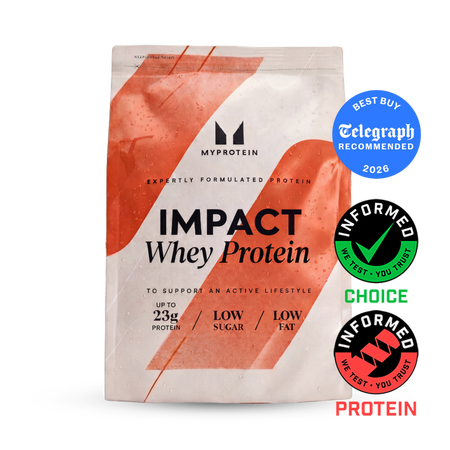
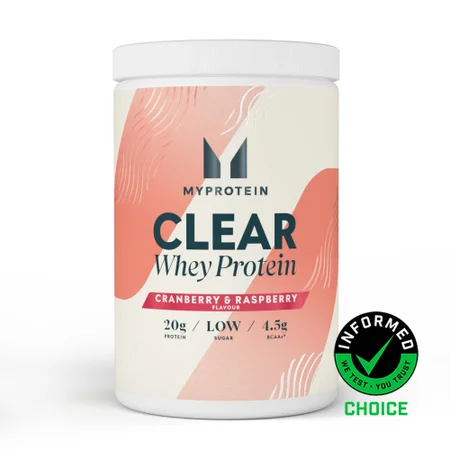
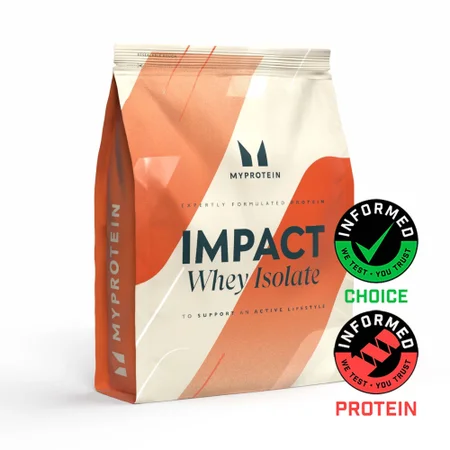
A high-quality protein powder is considered one of the best recovery supplements because the amino acids it delivers are rapidly absorbed and used to initiate muscle protein synthesis almost immediately after consumption.1
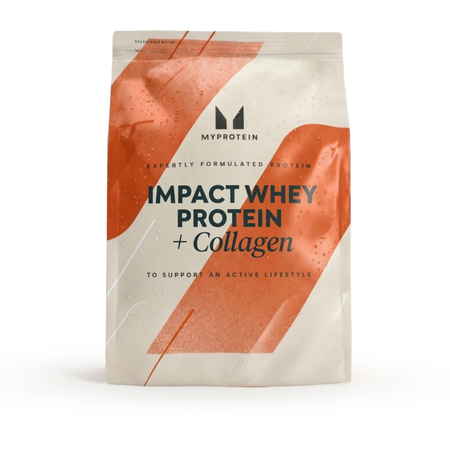
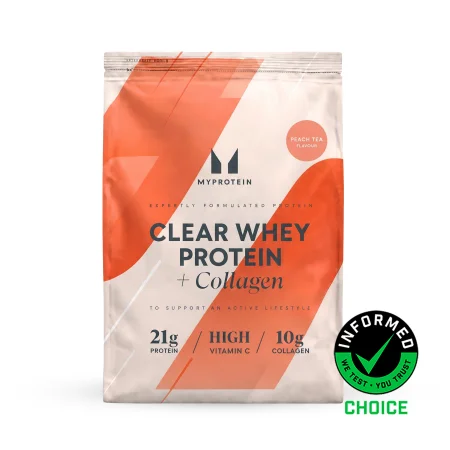
Whey protein is the most widely used option, valued for its complete amino acid profile and fast digestion rate. For those who also want to support connective tissue recovery — joints, tendons, and ligaments all undergo stress during training — a whey and collagen blend provides both muscle-supporting protein and collagen peptides in a single post-workout serving.
2. L-Carnitine
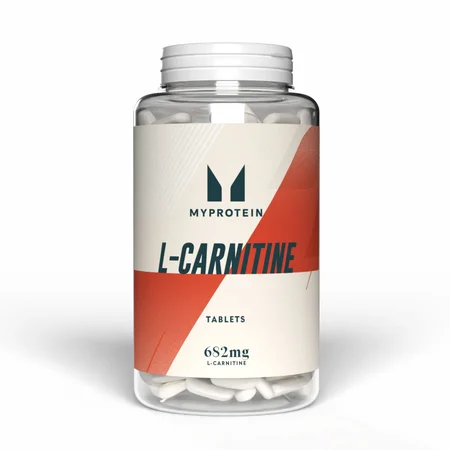
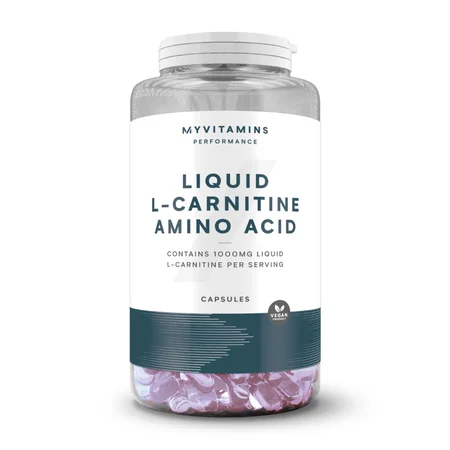
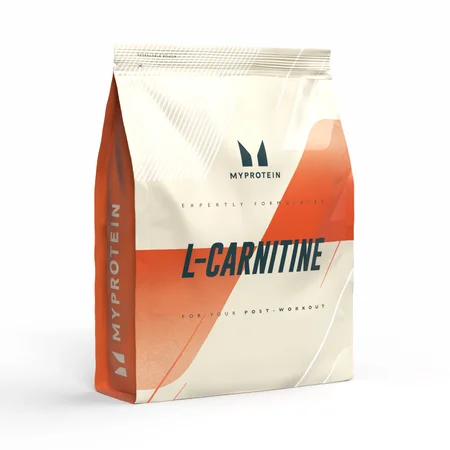
L-carnitine plays a vital role in energy metabolism by transporting fatty acids into the cells to be burned for fuel.
Research suggests that L-carnitine supplementation can reduce muscle damage and markers of oxidative stress following intense exercise.2
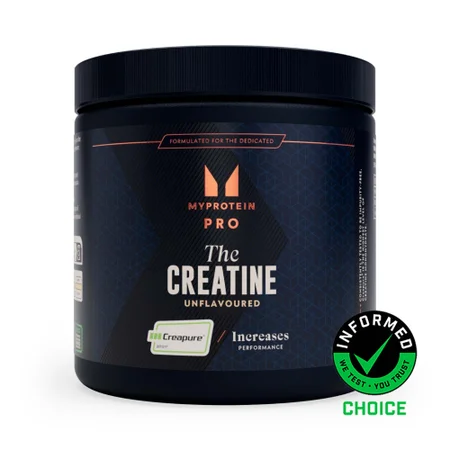
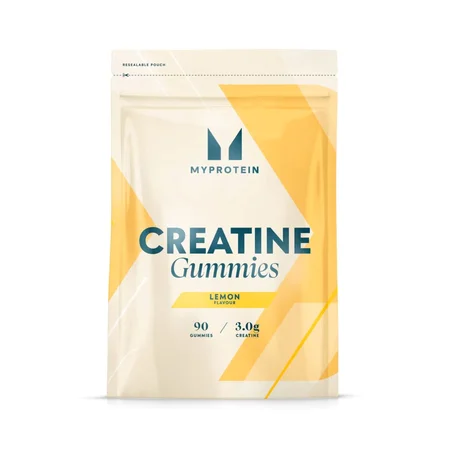
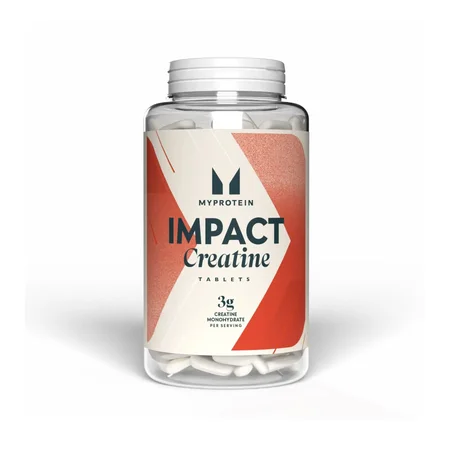
3. Creatine
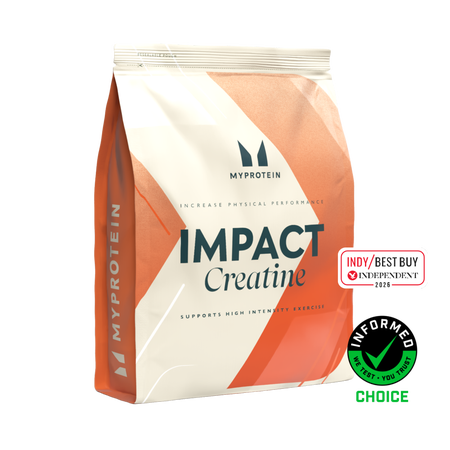
Creatine is well-known for boosting strength, but it is also an excellent tool for post-workout recovery.
It helps replenish ATP stores and has been shown to enhance the recovery of muscle force-generating capacity after eccentric exercise.3
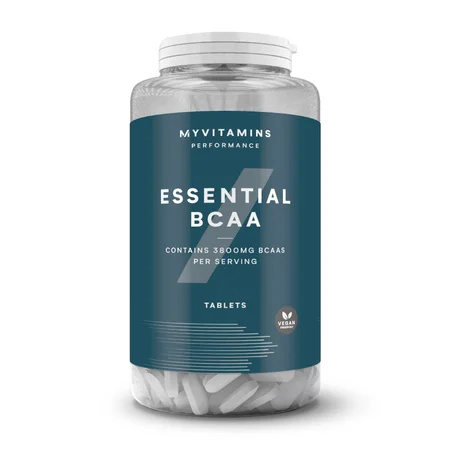
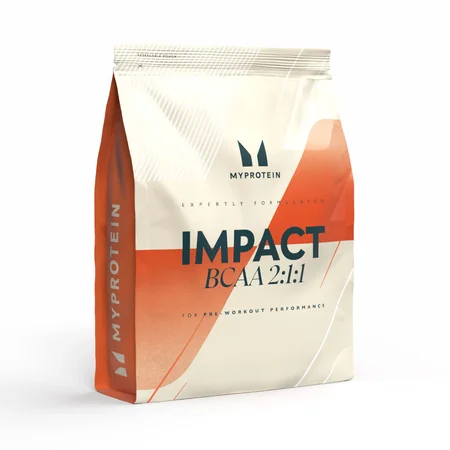
4. BCAAs
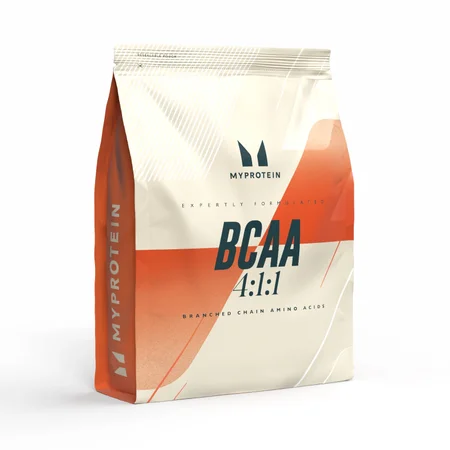
Branched-chain amino acids (BCAAs) include leucine, isoleucine and valine, which are critical for muscle health.
BCAAs can help reduce the feeling of muscle soreness and prevent the breakdown of muscle tissue during and after training.4
5. L-Glutamine
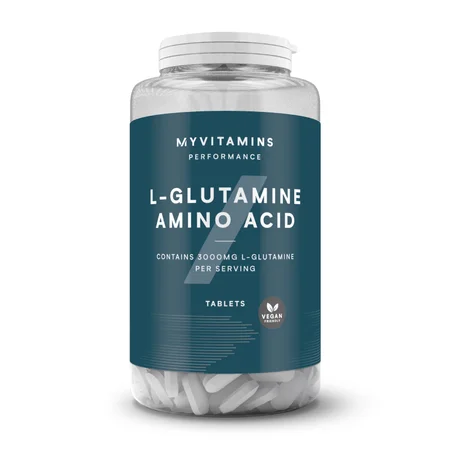
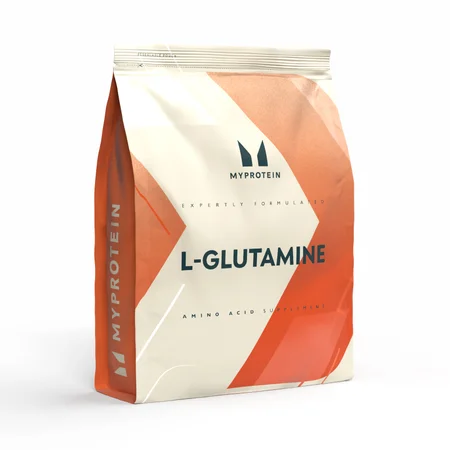
L-glutamine is the most abundant amino acid in the body and is heavily depleted during strenuous physical activity.
Supplementing with glutamine can help reduce the duration of muscle soreness.5
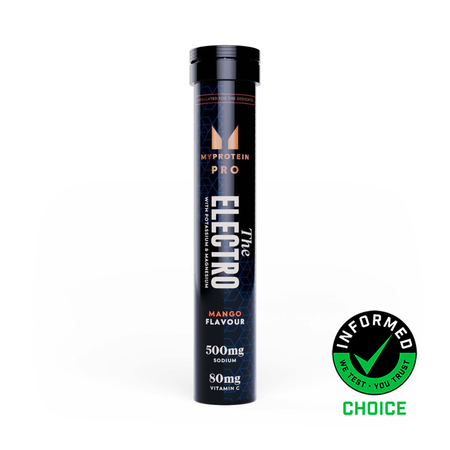
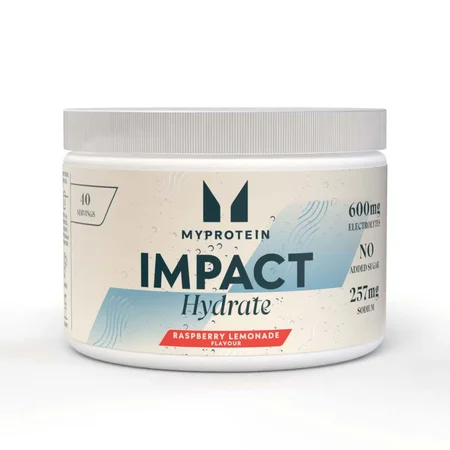
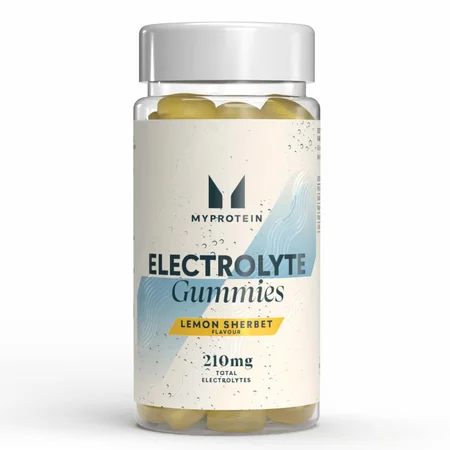
6. Electrolytes
Proper hydration involves more than just water; it requires a balance of essential minerals like sodium, potassium, and magnesium.
Electrolytes are crucial for maintaining nerve function and muscle contractions, especially if you sweat heavily during your sessions.
How to use recovery supplements
The effectiveness of these supplements often depends on the timing and consistency of your intake.
Most athletes find the best results by consuming a recovery blend or shake within 30-60 minutes of finishing their workout.
- Consistency is key: Supplements like creatine work best when taken daily to maintain muscle saturation levels.
- Stacking: You can combine protein, creatine and BCAAs into a single post-workout shake for maximum convenience.
- Hydration: Always consume your recovery supplements with plenty of water to aid absorption and rehydration.
Frequently asked questions
What is the most important supplement for recovery?
While it depends on your goals, protein is generally considered the most critical for repairing muscle tissue after training.
Can I take recovery supplements on rest days?
Yes, taking supplements like protein and creatine on rest days helps maintain the repair process and keeps nutrient stores full.
Do recovery supplements replace food?
No, supplements should be used to enhance a diet rich in whole foods, not as a total replacement for meals.
Take home message
Although supplements aren't strictly required for recovery, they can significantly speed up the process and help you return to the gym with more power.
By prioritising your post-workout nutrition, you ensure that every hour spent training leads to the best possible results.
Looking for more supplement advice?
READ THESE NEXT:


Looking for more ways to hit your nutrition goals? Browse our whey protein supplements and collagen blends:


Claire is a registered dietitian and a certified health and wellness coach. She holds a master's degree in Clinical Dietetics and Nutrition from the University of Pittsburgh. With a strong background in both nutrition and coaching, Claire is passionate about using her expertise to help others achieve their health goals. In addition to her professional work, she is a certified indoor cycling instructor who enjoys running and yoga. When she’s not keeping active, she loves to cook for her family and cheer on her favourite sports teams from her hometown of Pittsburgh.
References
Peake, J. M. (2019). Recovery after exercise: what is the current state of play? Current Opinion in Physiology, 10, 17-26.
Buckley, J. D., Thomson, R. L., Coates, A. M., Howe, P. R., DeNichilo, M. O., & Rowney, M. K. (2010). Supplementation with a whey protein hydrolysate enhances recovery of muscle force-generating capacity following eccentric exercise. Journal of Science and Medicine in Sport, 13(1), 178-181.
Fielding, R., Riede, L., Lugo, J. P., & Bellamine, A. (2018). L-carnitine supplementation in recovery after exercise. Nutrients, 10(3), 349.
Cooke, M. B., Rybalka, E., Williams, A. D., Cribb, P. J., & Hayes, A. (2009). Creatine supplementation enhances muscle force recovery after eccentrically-induced muscle damage in healthy individuals. Journal of the International Society of Sports Nutrition, 6(1), 1-11.
Jackman, S. R., Witard, O. C., Philp, A., Wallis, G. A., Baar, K., & Tipton, K. D. (2017). Branched-chain amino acid ingestion stimulates muscle myofibrillar protein synthesis following resistance exercise in humans. Frontiers in Physiology, 8, 390.
Legault, Z., Bagnall, N., & Kimmerly, D. S. (2015). The influence of oral L-glutamine supplementation on muscle strength recovery and soreness following eccentric exercise. International Journal of Sport Nutrition and Exercise Metabolism, 25(5), 417-426.