Instant overview
- To lose fat and gain muscle at the same time, you need a moderate calorie deficit — not an extreme one. Start by cutting just 200-300 calories from your maintenance level and adjust gradually.
- A high-protein diet is essential. It helps maintain muscle mass during a deficit, keeps you feeling fuller for longer, and reduces cravings for higher-calorie snacks.
- Healthy fats — especially omega-3 fatty acids from oily fish, flaxseeds, and chia seeds — support hormone production and have been linked to both muscle gain and fat reduction.
- Strength training with compound exercises like squats, deadlifts, and bench presses at least two to three times a week is the most effective way to burn calories while building muscle.
To lose fat and gain muscle at the same time, you need to create a moderate calorie deficit while eating enough protein and healthy fats to support muscle repair and growth. Combine this with a regular strength training programme focused on compound exercises, make sure you're getting enough vitamin D, and give your body proper rest days to recover.
Lose fat, gain muscle: at a glance
- Strategy | What to do | Why it matters
- Calorie deficit | Cut 200-300 calories from maintenance, adjust gradually | Too extreme a deficit burns muscle as well as fat
- Protein intake | Fill your plate with fish, lean meat, eggs, tofu, beans, and dairy | Maintains lean body mass and keeps you feeling full
- Healthy fats | Focus on omega-3 sources like salmon, chia seeds, and flaxseeds | Supports hormone production including testosterone for muscle growth
- Vitamin D | Get from oily fish, egg yolks, fortified foods, or supplements | A lack of vitamin D is linked to reduced muscle repair and lean mass loss
- Strength training | Compound exercises 2-3 times per week with rest days | Burns more calories while challenging multiple muscle groups at once
Jump to:
- Lose fat, gain muscle: at a glance
- How to build muscle and lose fat
- 1. Eat healthy fats
- 2. Follow a high-protein diet
- 3. Don't make your calorie deficit too extreme
- 4. Get a dose of vitamin D
- 5. Do strength training
- Frequently asked questions
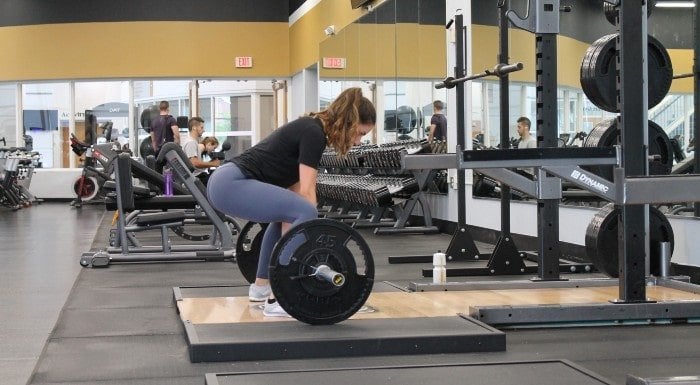
How to build muscle and lose fat
1. Eat healthy fats
Hold off on that huge scoop of full-fat ice cream — it's the healthy fats we're after here. Dietary fats are really useful for gaining muscle, as they can help boost your energy intake and provide extra fuel for those tougher workouts. They also help promote the production of hormones in our bodies, including testosterone, which can help increase muscle mass.
Before you grab the chocolate spread or add more butter to your toast in the morning, opt for some omega-3s instead. This way, you'll be able to lose fat and gain muscle at the same time.
Omega-3 fatty acids are fats found in oily fish, olive oil, and nuts. They have many purposes, including improved heart health and muscle gain. In fact, research shows that supplementing with omega-3 fatty acids for six weeks resulted in a 0.5kg gain in muscle and a 0.5kg reduction in fat mass.
Rich food sources of omega-3 include:
- Salmon
- Tuna
- Mackerel
- Sardines
- Chia seeds
- Flaxseeds
- Rapeseed oil
Learn more about all the benefits of fish oil like improved vision and cognition here...
2. Follow a high-protein diet
If you want to build muscle, you need to eat enough protein. Muscles require protein for their growth and repair. So, fill your plate with fish, lean meat, eggs, tofu, beans and pulses, and low-fat dairy. A lot of low-calorie diets result in a low intake of protein, which can lead to poor growth and loss of muscle mass, even if you're shifting fat.
Increasing your protein intake can be helpful to minimise the loss of lean body mass. Out of a group of young, healthy, elite athletes, those given a high-protein diet lost more weight while maintaining muscle in comparison to those with a standard amount of protein in their diets.
Protein also takes longer than carbs to digest, keeping you feeling fuller for longer. When you're satisfied thanks to higher protein intake, you're less likely to crave higher-calorie snacks, excess fats, or refined carbs. Reducing overall calorie intake while keeping protein high helps you lose fat and gain muscle simultaneously.
Good sources of protein include:
- Greek yoghurt and other dairy products
- Chicken breast
- Turkey breast
- Cottage cheese
- Quinoa
- Chickpeas
- Milk
- Almonds
Start hitting your protein target early with these high-protein breakfasts...
3. Don't make your calorie deficit too extreme
Want a sure-fire way to feel miserable and trigger a binge? Try eating practically nothing. Severely restricting your calorie intake is not beneficial for sustainable weight loss. The drastic weight loss you experience initially is more likely due to losing water and muscle rather than fat.
Very low-calorie diets lead to a large initial drop in total weight, especially lean body mass (muscle), as your body uses everything it can to produce energy. Very low-calorie diets aren't sustainable in the long run. Have a bit of patience and gradually reduce your calories so you can keep the muscle and your energy levels up.
In order to maintain as much muscle as possible while losing fat, start off by deducting 200–300 calories from your estimated daily maintenance intake, and gradually adjust according to your progress.
Calculate a healthy calorie deficit for yourself with these three steps...
4. Get a dose of vitamin D
Spending all your time between the office and the gym means you probably aren't soaking up too many rays of sunshine.
Vitamin D is responsible for the absorption of key minerals including calcium, magnesium, and phosphate, alongside supporting other essential biological functions. This makes vitamin D one of the most important nutrients for overall health and muscle function. If your levels are low, it could be hindering your training progress.
A lack of vitamin D has been associated with reduced muscle repair and increased loss of lean body mass. While research continues into its precise mechanisms for muscle growth, ensuring optimal levels is vital. Unless you're exercising somewhere sunny every day, make sure you're getting enough vitamin D in your system.
Vitamin D can be found in foods including:
- Tuna
- Mackerel
- Salmon
- Egg yolks
- Cheese
- Fortified foods (e.g., soya milk and cereals)
If you're living in the UK, chances are you're not getting nearly enough sunlight year-round. As the sun is our primary source of vitamin D, you may want to take a daily supplement to boost your intake. Some of us need more than others, so check with your doctor or healthcare provider for personalised advice. And if you are heading out into the sunshine, remember to wear sunscreen!
5. Do strength training
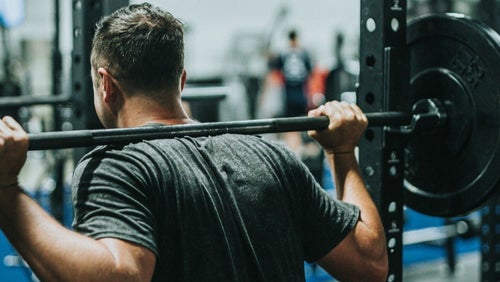
To build muscle and preserve lean tissue, you'll need to lift weights. The best way to burn calories while stimulating muscle growth is to add a structured strength training programme to your routine.
Aim to work your whole body at least two to three times a week. Focus on exercises that work more than one muscle group at a time, such as squats, bench presses, deadlifts, overhead presses, and barbell rows.
Compound movements boost calorie burn while challenging multiple muscles simultaneously. Because they require more energy to perform, they are the single best exercise choice for targeting fat loss and muscle building at the same time. This will help you get stronger, lift heavier, and retain muscle as you drop body fat.
Aim for two to three gym sessions featuring compound exercises. Don't forget to schedule at least one full rest day a week to give your body adequate time to recover and prevent injury. Check out our 6 top recovery supplements to support your training.
Take home message
To lose fat and build muscle, you need to maintain a moderate calorie deficit while providing enough nutritional support for muscle repair. Focus on sufficient protein, healthy fats, and vitamin D, and pair your diet with a structured strength training programme and rest days. This approach ensures you retain as much lean mass as possible throughout your fat loss journey.
Frequently asked questions
Can you lose fat and gain muscle at the same time?
Yes, but it takes patience. You need a moderate calorie deficit combined with high protein intake and regular strength training. Unless you're brand new to training or returning from a long break, it's a gradual process — but completely achievable with consistency.
How big should my calorie deficit be if I want to keep muscle?
Start by cutting 200–300 calories from your daily maintenance level. Going too extreme will cause your body to burn muscle alongside fat, as very low-calorie diets lead to a drop in lean body mass. Adjust gradually every couple of weeks based on how your body responds.
Why is protein important for losing fat and building muscle?
Protein is essential for muscle growth and repair. A high-protein diet helps minimise the loss of lean body mass during a calorie deficit, and it also keeps you feeling fuller for longer — meaning you're less likely to reach for higher-calorie snacks. Fill your plate with fish, lean meat, eggs, beans, and low-fat dairy.
Do I need to take vitamin D supplements to build muscle?
Not necessarily, but if you're not getting enough sunlight — which is common in the UK — it's worth considering. A lack of vitamin D has been linked to reduced muscle repair and loss of lean body mass. You can get vitamin D from oily fish, egg yolks, and fortified foods, or take a supplement after checking with your doctor.
Does this advice apply to people on GLP-1 medications?
Yes. The core principles here — eating enough protein, including healthy fats, keeping your calorie deficit moderate rather than extreme, and doing regular strength training — apply whether you're on GLP-1 medications or not.
The goal is the same: lose fat while holding on to as much muscle as possible. If you're taking any medication, it's always worth checking in with your doctor to make sure your nutrition and training plan works alongside your treatment.
Enjoyed this article?
READ THESE NEXT:

Claire is a registered dietitian and a certified health and wellness coach. She holds a master's degree in Clinical Dietetics and Nutrition from the University of Pittsburgh. With a strong background in both nutrition and coaching, Claire is passionate about using her expertise to help others achieve their health goals. In addition to her professional work, she is a certified indoor cycling instructor who enjoys running and yoga. When she’s not keeping active, she loves to cook for her family and cheer on her favourite sports teams from her hometown of Pittsburgh.
References
1. Griggs, R., Kingston, W., Jozefowicz, R., Herr, B., Forbes, G., & Halliday, D. (1989). Effect of testosterone on muscle mass and muscle protein synthesis. Journal Of Applied Physiology, 66(1), 498-503. doi: 10.1152/jappl.1989.66.1.498
2. Molfino, A., Gioia, G., Fanelli, F., & Muscaritoli, M. (2014). The Role for Dietary Omega-3 Fatty Acids Supplementation in Older Adults. Nutrients, 6(10), 4058-4072. doi: 10.3390/nu6104058
3. Noreen, E., Sass, M., Crowe, M., Pabon, V., Brandauer, J., & Averill, L. (2010). Effects of supplemental fish oil on resting metabolic rate, body composition, and salivary cortisol in healthy adults. Journal Of The International Society Of Sports Nutrition, 7(1). doi: 10.1186/1550-2783-7-31
4. Mettler, S., Mitchell, N., & Tipton, K. (2010). Increased Protein Intake Reduces Lean Body Mass Loss during Weight Loss in Athletes. Medicine & Science In Sports & Exercise, 42(2), 326-337. doi: 10.1249/mss.0b013e3181b2ef8e
5. Kerksick, C., Rasmussen, C., Lancaster, S., Magu, B., Smith, P., & Melton, C. et al. (2006). The Effects of Protein and Amino Acid Supplementation on Performance and Training Adaptations During Ten Weeks of Resistance Training. The Journal Of Strength And Conditioning Research, 20(3), 643. doi: 10.1519/r-17695.1
6. Willoughby, D., Hewlings, S., & Kalman, D. (2018). Body Composition Changes in Weight Loss: Strategies and Supplementation for Maintaining Lean Body Mass, a Brief Review. Nutrients, 10(12), 1876. doi: 10.3390/nu10121876
7. Dzik, K., & Kaczor, J. (2019). Mechanisms of vitamin D on skeletal muscle function: oxidative stress, energy metabolism and anabolic state. European Journal Of Applied Physiology, 119(4), 825-839. doi: 10.1007/s00421-019-04104-x