Protein is one of the three essential macronutrients, and is vital for repairing muscle and supporting overall body function.
While general guidelines suggest around 50-60 grams per day, active people who work hard in the gym will need significantly more to help their muscles grow and recover.
Consistently hitting these higher protein targets can be challenging, but simple changes to your daily routine can make a huge difference. Here are 12 of the most effective and easy ways to increase your protein intake.

Jump to:
- Spread protein intake evenly
- Have a protein shake for a snack
- Start your day with protein
- Fortify carb-heavy meals with extra protein
- Prioritise protein in snacks
- Choose lean, protein-dense foods
- Incorporate dairy foods
- Make smart plant-based swaps
- Increase protein portions at meals
- Carry high-protein snacks on the go
- Choose fats that contain protein
- Choose veggies high in protein
Easy Ways to Eat More Protein
1. Spread Your Protein Intake Evenly Across the Day
The most effective way to hit your daily protein goal is to include a quality source of protein in every meal and snack.
Recent nutritional advice highlights that spreading your protein intake throughout the day—aiming for roughly 20-40g per sitting—is more effective for muscle protein synthesis than simply front-loading it or eating it all at once.
- Aim for three main meals and two to three protein-rich snacks.
- A source of protein makes any meal or snack more satiating than quick-digesting carbohydrates alone, helping to manage appetite.
2. Have a Protein Shake for a Snack
Protein shakes are one of the easiest and most effective ways to significantly boost your daily protein intake without adding bulk or many calories.
They are highly convenient and provide a rapid source of protein, which is ideal post-workout to speed recovery and support muscle rebuilding.
Mix protein powder with water or milk for a quick, high-protein snack between meals. - Ready-to-drink shakes offer ultimate convenience when you are on a tight schedule.
3. Start Your Day with Protein
Front-loading your protein intake at breakfast is a simple way to set yourself up for success and feel fuller for longer throughout the morning.
Switching from a low-protein breakfast (like cereal or toast) to a high-protein option can drastically shift your daily macro balance.
Focus on options like eggs, cottage cheese, Greek yoghurt, or a protein shake mixed into oats. - This habit ensures you are meeting that crucial morning protein target often missed in typical Western diets.
4. Fortify Carb-Heavy Meals with Extra Protein
Carbohydrates are essential, but carb-heavy meals like pasta, stir fries, or jacket potatoes can become much more macro-friendly by increasing the protein.
This approach transforms a meal that might leave you hungry soon after eating into a balanced, filling powerhouse.
- Increase the portion of grilled chicken, fish, steak or tofu in your favourite rice or noodle dish, and reduce the carb quantity as needed.
- Keep prepped sources like shredded chicken or extra beans ready to quickly add to lunches and dinners throughout the week.
5. Prioritise Protein in Snacks
Switching out low-protein snacks for options rich in protein is one of the quickest and easiest ways to increase protein intake without adding another main meal.
Snacks should ideally contain at least 10 grams of protein to be truly effective in supporting your goals and bridging the gap between meals.
- Pair a piece of fruit with a small handful of nuts or some cheese.
Swap crisps or biscuits for Greek yoghurt, hummus with veggie sticks, or a protein bar.
6. Choose Lean, Protein-Dense Foods
When selecting your protein sources, focus on options that provide the highest amount of protein relative to their fat content.
Choosing lean sources ensures you are maximising your protein intake while being mindful of saturated fat and overall calorie goals.
- Opt for lean poultry (chicken or turkey breast), fish, lean beef cuts or pork loin.
Preparation matters: choose to have your proteins grilled, baked, or air fried instead of deep fried.
7. Incorporate Dairy
If your diet allows, whole dairy products are naturally excellent sources of high-quality protein, including both whey and casein.
Even better, modern strained dairy products like Greek yoghurt and cottage cheese have significantly higher protein content than traditional varieties.
- Add cottage cheese to scrambled eggs or use it as a creamy, high-protein dip.
- Swap lower-protein milk alternatives (like rice or almond milk) for soy milk or high-protein cow’s milk in your cereals and smoothies.
8. Make Smart Plant-Based Swaps
You can significantly boost the protein content of side dishes and bases by choosing smarter plant-based alternatives to traditional white grains.
Nutritionally dense whole grains like quinoa offer more protein, fibre, and micronutrients than traditional white rice or pasta.
- While pasta and rice contain some protein, swap them out for quinoa, which is a complete protein and higher in overall nutrition.
- Use protein pasta or lentil/bean-based pasta, which are now widely available and much higher in protein and fibre than standard white pasta.
9. Increase Protein Portions at Meals
If you typically have a small portion of protein, simply increasing the amount you serve yourself at lunch and dinner can easily add an extra 10-20g of protein per day.
Instead of aiming for the typical 85-115g portion of a protein source, bump it up to 140-170g and monitor how quickly your daily total increases.
- This is best done with lower-fat protein sources to keep a balanced nutritional profile.
10. Carry High-Protein Snacks on the Go
Preparation is key to consistency; having high-protein options readily available prevents you from reaching for low-protein, high-sugar alternatives when hunger hits.
Keep a mix of options ready for maximum convenience.
- Pre-prep options include hard-boiled eggs (chilled), canned tuna or salmon, or jerky.
Keep non-perishable protein bars or trail mix in your bag, desk, or car for emergency protein boosts.
11. Choose Fats that Contain Protein
Not all sources of fat are created equal ... some heart-healthy fats can also provide a decent boost of protein.
Incorporating nuts, seeds, and nut butters is a fantastic way to add healthy fats, fibre and essential protein into your diet.
- A standard serving of peanut butter (two tablespoons) contains around 8g of protein.
- Include options like almonds, walnuts, or cashews, which all offer a good protein return for their serving size.
12. Choose Veggies High in Protein
You can even find a significant protein boost in certain vegetables and plant-based staples, making them ideal for vegetarians or those seeking a mixed diet.
Switching from low-protein vegetables to legumes is a powerful, simple swap.
- Beans like black beans, chickpeas, soybeans, and lentils contain an average of 15–20g of protein per cooked cup, which is far higher than most other vegetables.
- Include chia seeds and hemp seeds in your meals for additional plant-based protein, fibre, and healthy fats—add them to smoothies, salads, or soup toppings.
Supplements to Support Your Goals
Myprotein offers a range of high-quality, convenient products that can help you easily achieve your daily protein goals.
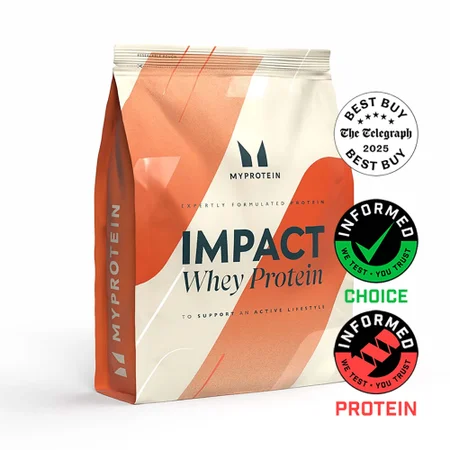
Impact Whey Protein
Impact Whey Protein contains 23g of protein per serving to support muscle growth and maintenance. - Widely regarded for its high quality and excellent value, making it a staple for daily protein intake.
- Fast-absorbing, making it ideal for a quick protein boost any time of the day or post-workout.
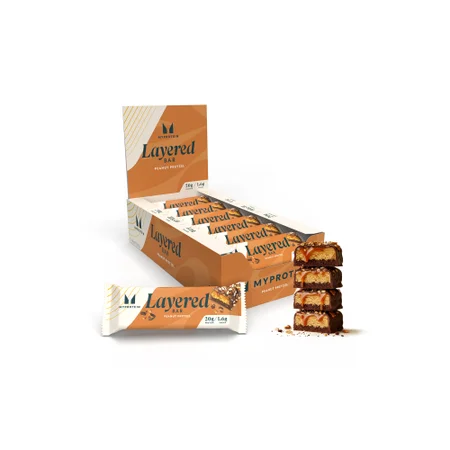
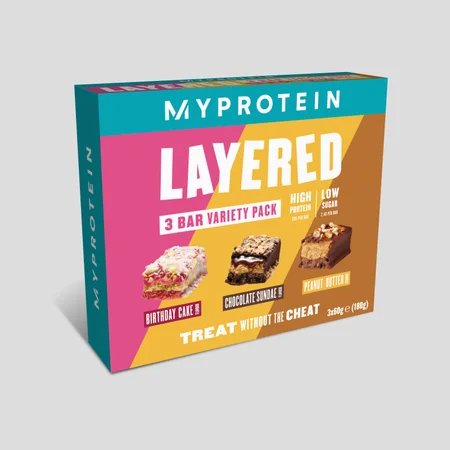
Layered Protein Bar
Layered Protein Bar delivers 20g of protein and is low in sugar, offering a convenient, indulgent snack. - A perfect on-the-go snack to stop you reaching for low-protein alternatives.
- Provides multiple delicious layers for texture and flavour, satisfying cravings while hitting your protein target.
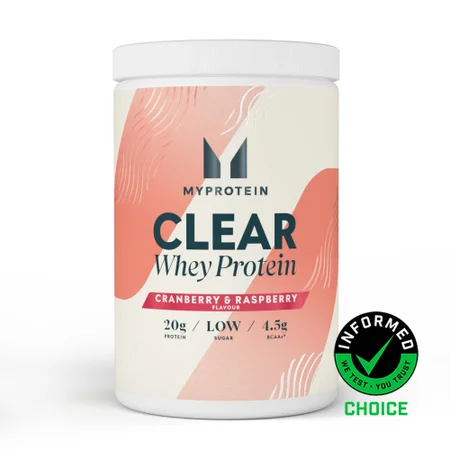
Clear Whey Isolate
Clear Whey Isolate is a light and refreshing alternative to traditional milky shakes. - Made with hydrolysed whey protein isolate, it offers a high protein content (20g) with virtually no fat or sugar.
- Perfect for increasing protein intake without the heavy texture, especially during warmer weather or after intense training.
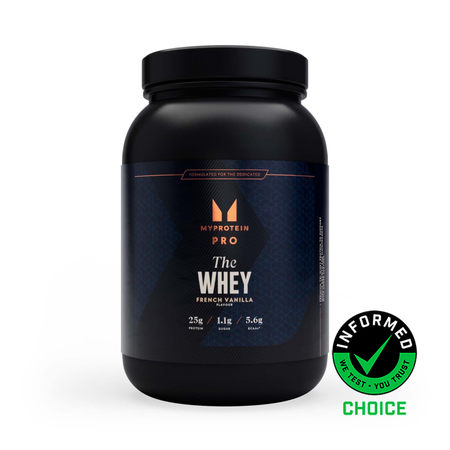
THE Whey
The WHEY is a premium blend of whey protein isolate, concentrate, and hydrolysate for rapid and sustained absorption. - Contains 25g of protein per serving to support muscle repair and growth.
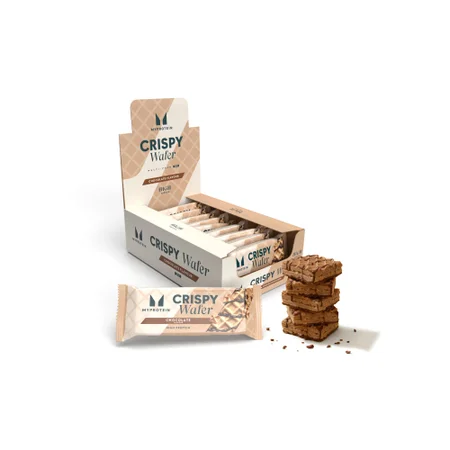
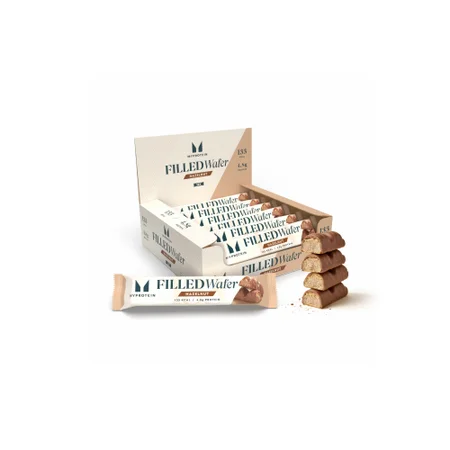
Protein Wafers
Crispy Protein Wafer and Filled Protein Wafer are delicious, light and crispy snacks providing up to 15g of protein per bar. - A great alternative to standard snack bars, helping you increase protein intake without compromising on taste.
- Ideal for a quick post-lunch boost or with an afternoon cup of tea.
Take Home Message
Increasing your protein intake is a highly effective way to support your fitness, muscle-building, and weight management goals.
By implementing simple strategies like spreading your protein evenly throughout the day, prioritising high-protein breakfasts, and using convenient supplements like protein powder and protein bars, you can effortlessly hit your daily targets.
Start with the easiest and most effective swaps first, and you’ll quickly find that consistently eating more protein is simple and rewarding.
READ THESE NEXT:


Best Bulking Foods: What To Eat if You Want To Put On Mass
Nutritionist-picked foods to fuel big gains....

9 Foods High In Leucine
Not all proteins are equal. Here are nine protein sources which will deliver the...