Instant overview
- For muscle growth, aim for 1.2-2.0g of protein per kg of body weight daily, significantly more than the 0.75g/kg baseline for general health.
- Spread your protein intake every 3-4 hours throughout the day to keep muscle protein synthesis topped up. Your total daily intake matters more than post-workout timing.
- Proteins with a high proportion of essential amino acids and adequate leucine, such as whey, dairy, meat and eggs, are most effective for stimulating muscle protein synthesis.
- Building muscle requires a modest calorie surplus, consistent resistance training with progressive overload, and patience. A realistic aim is to gain around 0.25-0.5% of your body weight a week.
Protein intake between 1.2-2.0 grams per kilogram of body weight per day is essential for muscle growth when combined with resistance training. This range supports the repair of microtears in muscle fibres created during exercise, providing the amino acids your body needs to build new, stronger tissue. Your exact requirement depends on factors including body weight, activity level, age and sex, with higher intakes proving more beneficial when calories and training volume are sufficient.
Jump to:
- How much protein do you need to build muscle?
- How much protein to build muscle: at a glance
- When should you eat protein to build muscle?
- High-protein foods to help you build muscle
- Supplements to build muscle
- Common muscle-building mistakes
- Frequently asked questions
What is protein?
Protein is one of the three macronutrients, alongside carbohydrates and fats. It's made up of amino acids, often called the "building blocks" of the body.
Protein is vital for building and repairing body tissues, including muscle. It can be found in both animal and plant sources, such as meat, eggs, dairy, beans, and peas. Additionally, protein supplements are a great option.
How does protein contribute to muscle growth?
Our bodies are constantly in a state of protein turnover, where some proteins are broken down (catabolism) and others are built up (anabolism).
When you exercise, particularly with resistance training, you create tiny tears in your muscle fibres. To repair this damage and make the muscles stronger, your body needs an adequate supply of amino acids from protein.
By consuming enough protein, you provide the building blocks your body needs to repair these microtears, leading to an increase in muscle mass over time.
How much protein do you need per day?
The daily recommended amount of protein for a healthy adult in the UK is 0.75g per kg of body weight.1 So if you weigh 85kg (about 13.5 st), this is around 64g of protein per day.
But if you want to gain muscle, you'll need to eat a fair bit more...
How much protein do you need to build muscle?
General guidelines suggest you need between 1.2-2.0 grams of protein per kilogram of body weight daily to encourage muscle growth.1 Your specific needs can vary based on your age, sex, weight, and activity level.
How to calculate your protein requirements for muscle growth
There are a few ways to calculate your protein needs. The simplest method uses a straightforward grams-per-kilogram calculation. First, find your body weight in kilograms, then multiply it by the recommended range.
Example: A person weighing 70kg would need between 84g (70 x 1.2) and 140g (70 x 2.0) of protein per day.
For a more tailored approach, a macro calculator can provide a complete breakdown of your protein, carb, and fat needs based on your specific goals. You can also calculate your intake as a percentage of your total daily calories. A range of 10-35% of your total calories coming from protein is considered reasonable.2
Example: On a 2,500-calorie diet, if you aim for 25% of your calories from protein, you would need 156g of protein (2500 x 0.25 = 625 calories from protein. 625 / 4 = 156g).
For more on calculating your macros, use this calculator:

Which factors could affect your calculations?
Certain factors can influence your protein requirements. Men typically have more lean mass than women, which often means they require more protein. However, individual needs always depend on body composition.
Your needs can also be higher if you're pregnant, breastfeeding, or recovering from an injury. While protein is important for weight loss to preserve muscle, you might need to adjust your total calorie intake to create a deficit. Protein contributes to the maintenance of muscle mass, so staying within the recommended protein range matters during a calorie-restricted diet.
If you are looking to lose weight, here's how to calculate a calorie deficit in just three steps:

How much protein to build muscle: at a glance
- Daily protein for muscle growth: 1.2-2.0g per kg of body weight. This gives your body enough amino acids to repair and build muscle, beyond its baseline needs.
- Baseline intake for general health: 0.75g per kg of body weight. This covers maintenance, but muscle building needs more.
- Target for muscle gain: around 1.6g per kg of body weight a day. Research suggests gains level off above this for most people.3
- Protein as a share of your calories: 10-35%. This leaves room for carbs (fuel) and fats.2
- How often to eat protein: every 3-4 hours, to keep muscle protein synthesis topped up through the day.2
- Calorie surplus for muscle gain: a modest surplus of around 10-20% above maintenance, enough to fuel growth without too much fat gain.4
- Realistic weight gain while building: around 0.25-0.5% of your body weight a week. Gaining faster than this is more likely to add body fat.4
- Upper limits: up to 2g per kg of body weight a day is considered safe long term for healthy adults, and the tolerable upper limit is 3.5g per kg for people who are well adapted to high intakes. Going above your needs won't build extra muscle.5
When should you eat protein to build muscle?
For muscle growth, it's best to spread your protein intake throughout the day. Your body is in a constant state of muscle protein synthesis, and providing regular doses of protein, roughly every 3-4 hours, helps maintain this anabolic state.
The idea of a narrow two-hour 'anabolic window' after a workout is no longer thought to be as important as once believed, because the anabolic effect of exercise lasts at least 24 hours.2 While a post-workout shake is convenient, it's your total daily protein intake that truly matters for muscle growth.
For more on protein timing, check out this article:

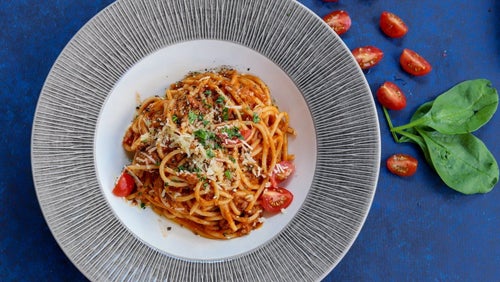
High-protein foods to help you build muscle
High-protein food sources
A balanced diet with varied protein sources is key to getting all the essential amino acids. Here are some excellent high-protein foods to include in your diet:
- Meat: Chicken breast, turkey, lean beef, and pork chops are rich in protein.
- Fish: Salmon, tuna, mackerel, and sardines are not only high in protein but also contain healthy fats.
- Dairy: Greek yoghurt, cottage cheese, and skimmed milk are versatile and protein-packed.
- Eggs: A complete protein source, whole eggs are an easy and effective option.
- Legumes and plant-based: Tofu, lentils, chickpeas, and edamame are great for plant-based diets.
- Nuts and seeds: Almonds, peanuts, and chia seeds can boost your protein intake in snacks or meals.
And that's not all. Find out how carbs fit in alongside your protein here:
Supplements for muscle-building
Whey protein
Whey protein is a high-quality protein source that is digested quickly, making it a convenient way to boost your daily intake. It's particularly rich in essential amino acids, which are crucial for muscle protein synthesis.
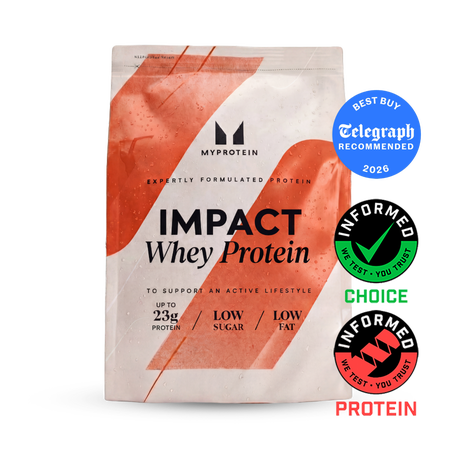
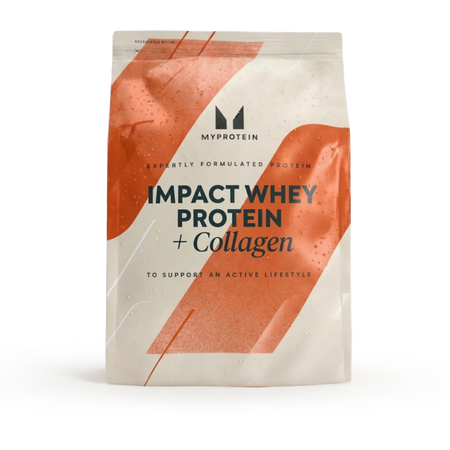
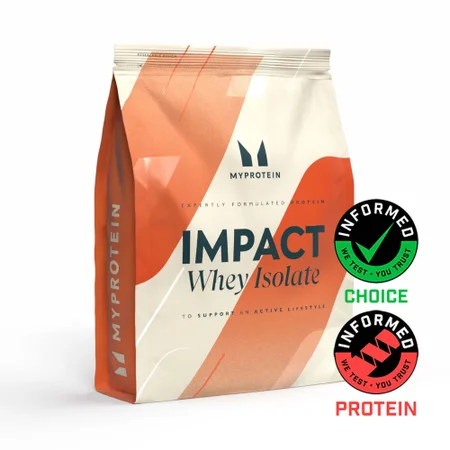
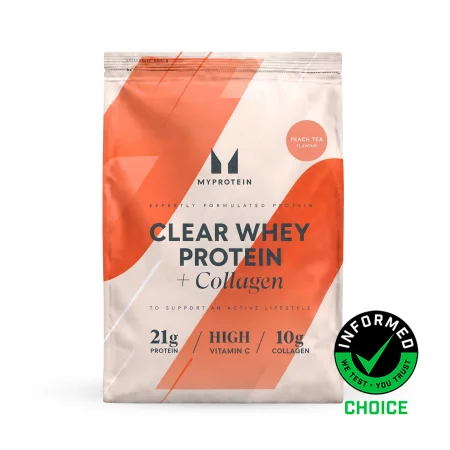
Our Impact Whey Isolate delivers up to 26g of protein per serving, with higher protein content and lower fat and sugar than standard whey. If you'd like collagen in the same shake, Impact Whey Protein + Collagen combines whey with collagen peptides in a single serving.

If you're following a plant-based diet, Impact Soy Protein is a great alternative.
Casein protein
Casein protein is digested much more slowly than whey. This slow-release property makes it a popular choice before bed. Try Impact Micellar Casein.
Creatine
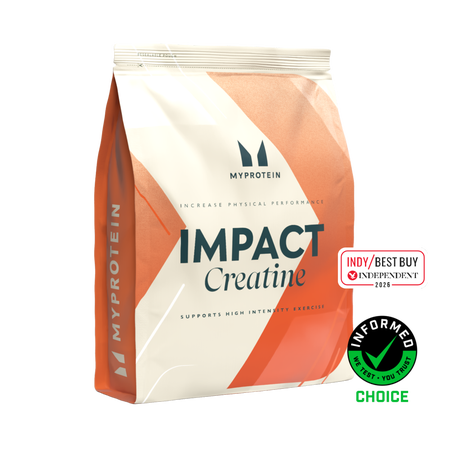
Creatine increases physical performance in successive bursts of short-term, high-intensity exercise. The beneficial effect is obtained with a daily intake of 3g of creatine, and it's suitable for adults doing high-intensity exercise. Try Impact Creatine.
Amino acids
Leucine is one of the essential amino acids, found in protein-rich foods such as dairy, meat, eggs and soy. The International Society of Sports Nutrition recommends protein servings that contain a balanced array of essential amino acids, including adequate leucine.2
For more supplements to aid with muscle building, check out this article:
Training for muscle-building
Exercise selection
For muscle growth, a combination of multi-joint (compound) and single-joint (isolation) exercises is best. Compound exercises like squats and bench press work multiple muscles at once, while isolation exercises allow you to focus on specific muscles.
Get your rep ranges right
To build muscle, you need to lift with enough intensity. Muscle can be built across a wide range of rep ranges, but moderate loads of around 6-12 reps per set are an efficient choice, as lighter weights mean far more reps and heavier ones need more sets. Use a weight that makes the final reps challenging to complete.6
Train with enough volume
Training volume refers to the total number of sets and reps you perform. Evidence shows that doing more sets per muscle group each week tends to produce greater muscle gains, so build up gradually.7 Aim for a sufficient number of sets for each muscle group per week to stimulate growth.
Progression
To keep building muscle, you must progressively increase your training volume over time. This can mean lifting heavier weights, doing more reps, or adding more sets. Progressive overload is a fundamental principle of muscle growth, but remember to increase gradually to avoid injury.
Common muscle-building mistakes
1. You're not eating enough
Building muscle requires a calorie surplus. If you are not eating enough calories, your body won't have the energy it needs to build new muscle tissue. A surplus of roughly 10-20% above your maintenance calories is typically recommended for muscle gain. If you eat 2,500kcal a day to maintain your weight, that's around 250-500kcal extra.4
2. You're not getting the amount of protein you need
Protein is the building block of muscle, and not consuming enough can hinder your progress. If you're not in a calorie deficit, the optimal protein intake for muscle gain is around 1.6g per kg of body weight a day.3 Eating too much protein can also be a mistake, as it can make it harder to get enough carbohydrates and fats to meet your total calorie needs.
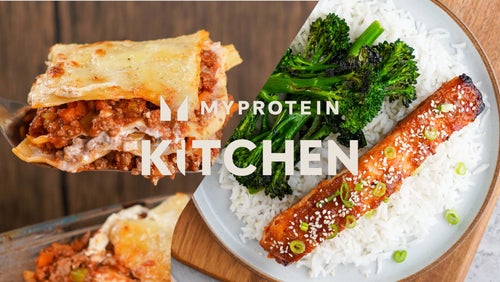
Add some of these recipes into your rotation to make sure you're hitting your daily protein goal:
3. You are not eating protein regularly enough
Spreading your protein intake throughout the day is crucial. When you go for long periods without protein, your body's muscle protein breakdown can exceed synthesis. Aim for protein every 3-4 hours to support muscle growth.

4. You're not eating enough carbs
Carbohydrates are the main fuel source for high-intensity resistance training. Without enough carbs, your performance in the gym can suffer, making it difficult to complete the sets and reps needed for muscle growth. Post-workout carbs also help replenish your glycogen stores, aiding in recovery.
5. You're not giving it enough time
Building muscle is a slow process that requires patience and consistency. The rate of muscle gain varies, but a sensible goal is to gain around 0.25-0.5% of your body weight a week, which is about 175-350g a week for someone weighing 70kg. More experienced lifters should gain more slowly. Stay focused on your training and nutrition plan, and you will see results over time.
6. You're not sticking to a plan
Consistency is key. A well-designed, progressive resistance training programme and a supportive nutrition plan are essential. Sticking to a plan ensures you are consistently applying the principles of progressive overload, which is vital for long-term muscle gain.
Frequently asked questions
Do men need more protein than women?
Generally, males have more muscle mass than females and therefore require more protein for maintenance and growth. However, individual protein needs are based on factors like weight, muscle mass, and activity level. A very active female could require more protein than a less active male.
If you're unsure, there's more on protein intake for women here:

Will protein make me gain weight?
Yes, consuming too many calories from any source, including protein, can lead to weight gain. However, if your goal is to build muscle, an increase in scale weight is expected, as muscle tissue is denser than fat and also holds water, which contributes to weight gain.
What is the best protein to build muscle?
The best proteins for muscle growth are 'complete' proteins, which contain all nine essential amino acids. The International Society of Sports Nutrition says proteins with a high proportion of essential amino acids and adequate leucine are most effective for stimulating muscle protein synthesis. Whey, dairy, meat and eggs all fit.2 Varying your protein sources ensures you get a wide range of amino acids.
What is the best vegan protein for muscle growth?
Plant-based protein supplements like soy, rice, and pea protein are great options. A blend of these can help you get a full spectrum of amino acids. Look for products, such as Impact Plant Protein, with higher levels of protein per serving.
Is it possible to consume too much protein?
Yes, it's possible to consume too much of any nutrient. Extra protein won't automatically turn into muscle.1 Long-term intakes of up to 2g/kg of body weight a day are considered safe for healthy adults, and the tolerable upper limit is 3.5g/kg for people who are well adapted to high intakes. Chronic intakes above 2g/kg may cause digestive, kidney and vascular problems, so are best avoided.5 If you have a pre-existing kidney condition, it's best to consult with a medical professional.
Take home message
Protein is a key nutrient for muscle growth. When combined with challenging resistance exercise, it provides the essential building blocks your body needs to repair and build muscle tissue. By understanding your daily protein needs, choosing the right food sources, and using supplements when necessary, you can effectively fuel your body to achieve your strength and muscle-building goals.
Looking for more ways to hit your nutrition goals? Browse our protein powders:
Enjoyed this article?



Claire is a registered dietitian and a certified health and wellness coach. She holds a master's degree in Clinical Dietetics and Nutrition from the University of Pittsburgh. With a strong background in both nutrition and coaching, Claire is passionate about using her expertise to help others achieve their health goals. In addition to her professional work, she is a certified indoor cycling instructor who enjoys running and yoga. When she’s not keeping active, she loves to cook for her family and cheer on her favourite sports teams from her hometown of Pittsburgh.
References
- British Nutrition Foundation. Protein (reporting American College of Sports Medicine guidance of 1.2-2.0g/kg/day for athletes). https://www.nutrition.org.uk/nutritional-information/protein/
- Jäger, R., Kerksick, C. M., Campbell, B. I., et al. (2017). International Society of Sports Nutrition position stand: protein and exercise. Journal of the International Society of Sports Nutrition, 14, 20.
- Morton, R. W., Murphy, K. T., McKellar, S. R., et al. (2018). A systematic review, meta-analysis and meta-regression of the effect of protein supplementation on resistance training-induced gains in muscle mass and strength in healthy adults. British Journal of Sports Medicine, 52(6), 376-384.
- Iraki, J., Fitschen, P., Espinar, S., & Helms, E. (2019). Nutrition recommendations for bodybuilders in the off-season: a narrative review. Sports, 7(7), 154.
- Wu, G. (2016). Dietary protein intake and human health. Food & Function, 7(3), 1251-1265.
- Schoenfeld, B. J., Grgic, J., Van Every, D. W., & Plotkin, D. L. (2021). Loading recommendations for muscle strength, hypertrophy, and local endurance: a re-examination of the repetition continuum. Sports, 9(2), 32.
- Schoenfeld, B. J., Ogborn, D., & Krieger, J. W. (2017). Dose-response relationship between weekly resistance training volume and increases in muscle mass: a systematic review and meta-analysis. Journal of Sports Sciences, 35(11), 1073-1082.