Instant overview
Creatine loading involves taking 20g daily (split into 4 doses) for 5–7 days to rapidly saturate muscle stores. - Loading accelerates results from 3–4 weeks down to approximately one week.
- After loading, a maintenance dose of 3–5g daily preserves saturation levels.
- Loading is optional — steady 5g daily dosing achieves the same saturation over time.
Creatine loading is a strategic supplementation phase using 20g daily for 5–7 days to saturate muscle phosphocreatine stores rapidly, enabling faster strength and performance improvements compared to standard maintenance dosing. This guide covers the complete protocol, benefits, safety considerations, and whether loading is necessary for your training goals.
Creatine loading: at a glance
| Feature | Specification | Why it matters |
|---|---|---|
| Loading dose | 20g daily (4 × 5g servings) | Saturates muscles to 100% capacity in 5–7 days |
| Loading duration | 5–7 days | Achieves full saturation 3× faster than maintenance dosing |
| Maintenance dose | 3–5g daily | Preserves saturation after loading phase completes |
| Time to saturation (no loading) | 3–4 weeks at 5g daily | Alternative approach without loading phase |
| Performance increase | 5–15% strength gains | Enables more reps, heavier lifts, better training volume |
What does creatine do?
Creatine is a natural compound that combines with phosphagen in your body to create phosphocreatine (PCr).1
Your muscles rely on a molecule called ATP for energy during explosive movements like heavy squats or sprints.1 PCr helps your body regenerate ATP rapidly, allowing you to maintain high-intensity performance for longer durations.1
By increasing your PCr stores, you can push through extra reps and handle higher training volumes.2
Benefits of creatine
1. Increased muscle mass
Creatine is one of the most researched supplements for increasing lean body mass when paired with resistance training.3 Studies show that those using creatine can gain significantly more muscle mass compared to those who do not.2 Higher creatine levels allow for more total work during a session, leading to better long-term muscle growth.4
2. Athletic performance
Supplementing with creatine can boost strength performance by 5% to 15% across various exercises.2 It is particularly effective for upper body lifts, with some studies showing bench press strength increases up to 45%.5 Athletes in team sports also benefit from faster recovery during repeated high-intensity sprints.6
3. Enhanced recovery
Creatine helps your body replenish glycogen stores more efficiently after intense exercise.7 Restoring glycogen is vital for maintaining performance across multiple training sessions in a week.8 It can also reduce markers of muscle fatigue following long-duration endurance events, such as marathons.9
What is creatine loading?
Creatine loading involves taking a higher dose of creatine for a short period to saturate your muscle stores rapidly.10
A typical diet usually keeps your creatine stores at about 60–80% of their total capacity. The loading phase bridges that gap quickly, moving you to 100% saturation in just a few days.10
Daily dose: 20g of creatine. Frequency: Divided into four 5g servings throughout the day. Duration: 5 to 7 days.10
Pros of creatine loading
1. Faster results
The primary benefit of loading is that you see the performance perks in about one week rather than three.11 By saturating the muscles quickly, you can start lifting heavier or performing more reps almost immediately.2
2. Long-term sustainability
Once your stores are full, you only need a small daily maintenance dose to keep them that way.2 A maintenance dose of 3–5g per day is usually enough to replace the creatine your body uses naturally.2
3. Muscle cell hydration
Creatine has osmotic properties, meaning it draws water into your muscle cells.12 This creates a "pump" effect, making muscles look fuller and potentially triggering muscle protein synthesis.13
When to take creatine and is loading necessary?
A loading phase is not strictly necessary but simply a way to accelerate the process.2 If you choose to skip loading, taking 3–5g daily will still saturate your muscles, but it will take about 3 to 4 weeks.2
If you have an upcoming competition or want to maximise your training block immediately, loading might be the better option.

When Is The Best Time To Take Creatine?
Before working out, or after? Does it even matter?...
Types of creatine supplements
While many forms of creatine exist, creatine monohydrate remains the gold standard for research and value.2
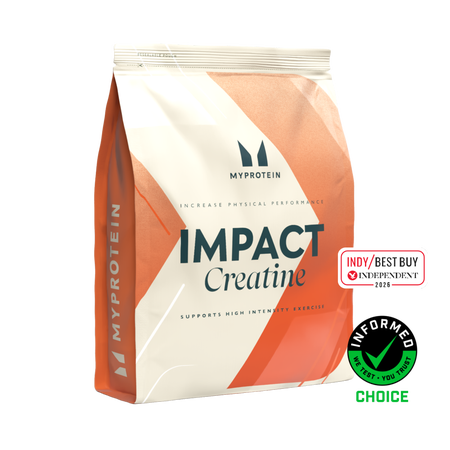
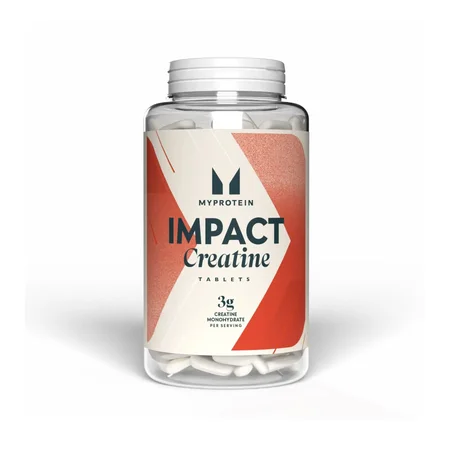
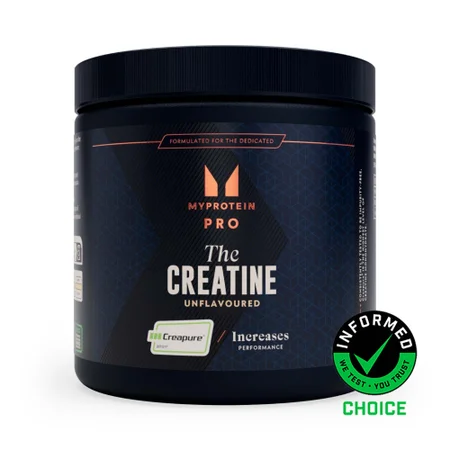
Creatine monohydrate: The most studied and cost-effective form available. Micronised creatine: Monohydrate that has been processed for better solubility in water. Creatine tablets: A convenient, portable option for those who do not like powders. Creatine gluconate: A version where creatine is bound to a glucose molecule.
Whether you choose powder or tablets, the effectiveness remains the same, so choose the one that fits your routine.
Frequently asked questions
How do I load creatine?
Take 20g daily for 5–7 days, split into four 5g doses, then move to a 3–5g maintenance dose.
Is creatine loading safe?
Yes, it is considered safe for healthy individuals with very few side effects, though some may experience minor digestive discomfort.3
How long should the loading phase be?
5–7 days. A typical phase lasts between 5 and 7 days to ensure full muscle saturation.
Is loading necessary for vegans?
No, but it is highly beneficial for vegans as plant-based diets are typically lower in natural creatine.
Do I need to load again if I miss a few days?
No. If you miss a day or two, just resume your maintenance dose. There is no need to restart the full loading phase.
Take home message
Creatine is a powerful tool for anyone looking to improve strength, recovery, and muscle volume. While a loading phase of 20g for 7 days is the fastest way to see results, a steady dose of 5g daily will eventually get you there.
For best results, pair creatine with a quality protein supplement to give your muscles both the energy and the building blocks they need. Whey protein is the most popular choice, and a whey and collagen blend is worth considering alongside creatine if supporting joints and connective tissue is also a priority — both take on significant load during the heavy training that creatine enables.
Check out our best creatine supplements here.
Enjoyed this expert article? READ THESE NEXT:

How to Build a Bulking Diet That Actually Works
Get over a gaining slump with these tips and tricks for the hardgainer diet....

Does Creatine Cause Weight Gain? Can it Support Weight Loss? Your Questions Answered
Get to know this muscle building supplement....

L-Carnitine Supplements: Benefits, Dosage and Food Sources
Everything you need to know about L-carnitine...

- Antonio, J., Kalman, D. S., Stout, J. R., Greenwood, M., Willoughby, D. S., & Haff, G. G. (2014). Essentials of Sports Nutrition and Supplements. Humana Press.
- Buford, T. W., Kreider, R. B., Stout, J. R., Greenwood, M., Campbell, B., Spano, M., … & Antonio, J. (2007). International Society of Sports Nutrition position stand: creatine supplementation and exercise. Journal of the International Society of Sports Nutrition, 4(1), 6.
- Kreider, R. B., Kalman, D. S., Antonio, J., Ziegenfuss, T. N., Wildman, R., Collins, R., … & Lopez, H. L. (2017). International Society of Sports Nutrition position stand: safety and efficacy of creatine supplementation in exercise, sport, and medicine. Journal of the International Society of Sports Nutrition, 14(1), 18.
- Nunes, J. P., Ribeiro, A. S., Schoenfeld, B. J., Tomeleri, C. M., Avelar, A., Trindade, M. C., … & Cyrino, E. S. (2017). Creatine supplementation elicits greater muscle hypertrophy in upper than lower limbs and trunk in resistance-trained men. Nutrition and Health, 23(4), 223-229.
- Rawson, E. S., & Volek, J. S. (2003). Effects of creatine supplementation and resistance training on muscle strength and weightlifting performance. The Journal of Strength & Conditioning Research, 17(4), 822-831.
- Mujika, I., Padilla, S., Ibañez, J., Izquierdo, M., & Gorostiaga, E. (2000). Creatine supplementation and sprint performance in soccer players. Medicine and Science in Sports and Exercise, 32(2), 518-525.
- Vandenberghe, K., Goris, M., Van Hecke, P., Van Leemputte, M., Vangerven, L., & Hespel, P. (1997). Long-term creatine intake is beneficial to muscle performance during resistance training. Journal of Applied Physiology, 83(6), 2055-2063.
- MacDougall, J. D., Ray, S., Sale, D. G., McCartney, N., Lee, P., & Garner, S. (1999). Muscle substrate utilization and lactate production during weightlifting. Canadian Journal of Applied Physiology, 24(3), 209-215.
- Santos, R. V., Bassit, R. A., Caperuto, E. C., & Rosa, L. C. (2004). The effect of creatine supplementation upon inflammatory and muscle soreness markers after a 30km race. Life Sciences, 75(16), 1917-1924.
- Hultman, E., Soderlund, K., Timmons, J. A., Cederblad, G., & Greenhaff, P. L. (1996). Muscle creatine loading in men. Journal of Applied Physiology, 81(1), 232-237.
- Volek, J. S., Kraemer, W. J., Bush, J. A., Boetes, M., Incledon, T., Clark, K. L., & Lynch, J. M. (1997). Creatine supplementation enhances muscular performance during high-intensity resistance exercise. Journal of the American Dietetic Association, 97(7), 765-770.
- Bird, S. P. (2003). Creatine supplementation and exercise performance: a brief review. Journal of Sports Science & Medicine, 2(4), 123.
- Kreider, R. B. (2003). Effects of creatine supplementation on performance and training adaptations. Molecular and Cellular Biochemistry, 244, 89-94.