Testosterone is widely considered the most important hormone for muscle building. Raise your levels, and the gains will follow... or so the thinking goes. But how much control do you actually have over your testosterone, and would a natural boost make the difference you're expecting?
- What is testosterone?
- How does your body produce testosterone?
- Does resistance exercise increase testosterone?
- How does body fat affect testosterone levels?
- Can dieting lower testosterone?
- Micronutrients that affect testosterone
- Do testosterone supplements only work if you're deficient?
- What are realistic expectations for natural testosterone?
- Frequently asked questions
What is testosterone?
Testosterone is the main anabolic steroid produced naturally in the human body. It is made in the testicles in men and, to a smaller degree, in the ovaries in women. Beyond its role in male sexual characteristics like deeper voice and facial and body hair, its main effects are to increase protein synthesis and promote anabolism (building-up reactions) while reducing catabolism (breaking-down reactions). The result is increased muscle mass, strength and performance.
Testosterone can also be converted to dihydrotestosterone (DHT), which is almost five times more potent than regular testosterone.
In the UK, the normal range for total testosterone in men is roughly 9-29 nanomoles per litre, a wide range within which men can be perfectly healthy. Testosterone levels in men tend to start declining from around 30 years of age onwards.
How does your body produce testosterone?
To produce testosterone, the pituitary gland in the brain first releases luteinising hormone (LH). This signals the testicles to produce testosterone, which then travels around the body in the blood in two forms: free testosterone, which is active, and bound testosterone, which is attached to a protein and is inactive.2 Testosterone exerts its effects by binding to androgen receptors in cells, activating a range of genes involved in muscle growth and strength.2
Does resistance exercise increase testosterone?
Resistance exercise increases testosterone levels both immediately after training and over time.2 Regular lifters tend to have higher testosterone levels than non-lifters in general.2
The most effective movements for stimulating testosterone release are big compound exercises that use the most muscle mass, such as those involving the legs, chest and lats.2 Isolation movements are not a problem, but the more overall muscle worked, the better for increasing testosterone.

How and When to Take Creatine for Muscle Growth
Your complete guide to creatine timing...
How does body fat affect testosterone levels?
Higher levels of body fat are associated with lower levels of testosterone.3 One explanation is that body fat contains higher levels of enzymes known as aromatases, which convert testosterone to oestradiol (a type of oestrogen).1 This conversion reduces the amount of available testosterone, which is the opposite of what you want if you are trying to keep levels high.
Can dieting lower testosterone?
Calorie restriction, especially with large deficits maintained over a long period, can significantly reduce testosterone.1 This is why testosterone levels tend to drop sharply in natural bodybuilders towards the end of a long cut before a show. The diet required to get that lean is not good for testosterone.
A related issue is low energy availability, which can affect athletes, particularly those in endurance sports. Energy availability is the difference between energy intake and energy burned during exercise, relative to fat-free mass. Chronically low energy availability can lead to relative energy deficiency in sport (RED-S), which carries a number of health consequences, one of which is reduced testosterone production in men.
The takeaway is a balancing act: avoid excessively high body fat, but also avoid overly restrictive diets and prolonged calorie deficits.
Does dietary fat intake affect testosterone?
Very low-fat diets (around 20% of calories from fat or below) can lead to slightly lower testosterone levels compared to higher-fat diets (around 40% of calories from fat).1 This is likely because cholesterol, which comes from dietary fat, is used to form the basic structure of steroid hormones including testosterone.1
Micronutrients that affect testosterone
Vitamin D
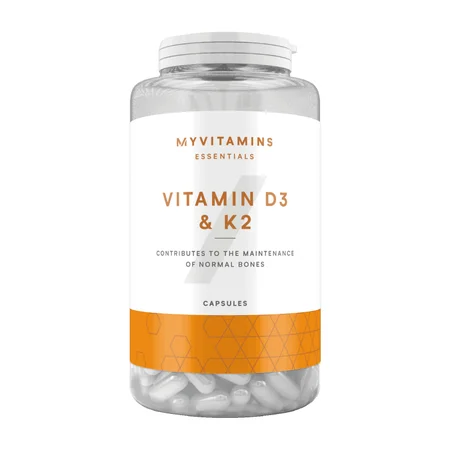
Higher blood levels of vitamin D are regularly associated with higher testosterone levels.1 Supplementing people who have low vitamin D levels for around 12 months can lead to increases in both total and free testosterone compared to placebo groups.1
Men have vitamin D receptors in the cells in their testicles that produce testosterone, which may explain why vitamin D influences production of this hormone.
Zinc
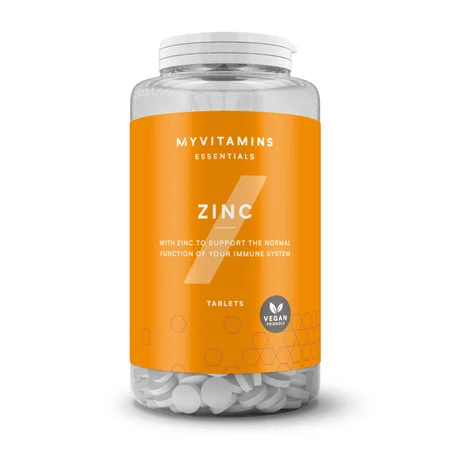
Zinc plays an important role in the production of luteinising hormone, which in turn signals the testicles to produce testosterone.1 Zinc also assists with the conversion of testosterone to DHT, which has an even greater anabolic effect. Zinc deficiency is associated with lower testosterone levels, and supplementing with zinc can restore testosterone concentrations back to their normal physiological range.
Magnesium
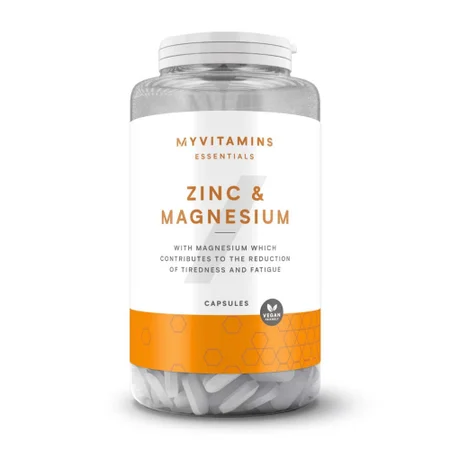
There is an association between low magnesium levels and low testosterone, which may return to normal with supplementation.1 Magnesium is an essential mineral needed in relatively high amounts (roughly 400mg per day for men and 300mg per day for women).
The mechanism is not fully understood, but magnesium may work by reducing oxidative stress in the body, allowing for normal testosterone production. Magnesium also appears to reduce testosterone binding to sex hormone-binding globulin (SHBG), leaving more free, active testosterone available.
Do testosterone supplements only work if you're deficient?
Taking vitamin D, zinc or magnesium only has an effect on testosterone levels if you are already deficient in that specific nutrient. If your levels are sufficient, taking more will not raise your testosterone further. A good, balanced diet or an existing supplement routine may already have your levels covered.
This applies to supplements in general: there is an optimum dose, and taking more may offer no additional benefit or could even be harmful. Getting blood levels tested is worthwhile if you are concerned about a deficiency.
What are realistic expectations for natural testosterone?
Natural strategies like resistance training, diet and supplementation can optimise testosterone within the normal range of 9-29 nanomoles per litre, but cannot produce the supraphysiological levels needed for dramatic muscle-building effects.4 All the strategies covered above are standard healthy lifestyle practices that most regular gym-goers are probably already following. If you are, you're doing what you need to do to optimise your natural testosterone production.
When people talk about the huge muscle-building and performance benefits of testosterone, they are usually referring to exogenous testosterone (injections), not testosterone produced naturally in the body. Supraphysiological means greater than the normal amount the body produces. In one study, men with healthy testosterone levels (around 26 nanomoles per litre) who were supplemented with 600mg of testosterone per week saw their blood levels rise to over 120 nanomoles per litre.4 That kind of increase is simply not achievable through diet, exercise and common supplements.
That said, it is still perfectly possible to build muscle and strength without exogenous testosterone. The results may not match the physiques often seen on social media, but natural training and nutrition remain effective.
Frequently asked questions
What is the normal testosterone range for men?
In the UK, the normal range for total testosterone in men is approximately 9-29 nanomoles per litre. This is a wide range, and men can be perfectly healthy anywhere within it. Levels tend to start declining from around 30 years of age.
Does lifting weights increase testosterone?
Yes. Resistance exercise increases testosterone both acutely (immediately after a session) and chronically (regular lifters tend to have higher baseline levels). Compound movements that recruit the most muscle mass, such as those involving the legs, chest and lats, appear to be the most effective for stimulating testosterone release.
Can being too lean lower testosterone?
It can. Extreme calorie restriction and very low body fat, especially when maintained for extended periods, can significantly reduce testosterone levels. This is commonly seen in natural bodybuilders during competition prep. Low energy availability can also lead to RED-S, which affects testosterone production among other health markers.
Should I take a testosterone booster supplement?
The micronutrients most clearly linked to testosterone, including vitamin D, zinc and magnesium, only raise levels if you are already deficient. If your intake is adequate, additional supplementation will not push testosterone higher. Rather than buying a specific testosterone booster, getting your blood levels tested to check for deficiencies would be a more targeted approach.
Take home message
Resistance exercise, maintaining a healthy body-fat level, avoiding prolonged severe calorie deficits, and ensuring adequate intake of dietary fat, vitamin D, zinc and magnesium can all help optimise your natural testosterone production. These strategies keep you within the normal physiological range, not at the supraphysiological levels associated with exogenous testosterone use. Building muscle and strength naturally is absolutely possible, but understanding what natural testosterone levels can and cannot achieve helps set realistic expectations.



- Zamir, A., Ben-Zeev, T., & Hoffman, J. R. (2021). Manipulation of dietary intake on changes in circulating testosterone concentrations. Nutrients, 13(10), 3375.
- Vingren, J. L., Kraemer, W. J., Ratamess, N. A., Anderson, J. M., Volek, J. S., & Maresh, C. M. (2010). Testosterone physiology in resistance exercise and training: The up-stream regulatory elements. Sports Medicine, 40(12), 1037-1053.
- Ye, J., Zhai, X., Yang, J., & Zhu, Z. (2021). Association between serum testosterone levels and body composition among men 20-59 years of age. International Journal of Endocrinology, 2021, 7523996.
- Bhasin, S., Travison, T. G., Storer, T. W., Lakshman, K., Kaushik, M., Mazer, N. A., et al. (2012). Effect of testosterone supplementation with and without a dual 5α-reductase inhibitor on fat-free mass in men with suppressed testosterone production: A randomized controlled trial. JAMA, 307(9), 931-939.