The human gut is a complex ecosystem affected by numerous factors such as age, genetics, stress and diet. The gut is made up of 10-100 trillion symbiotic microbial cells, which are predominantly bacterial cells, often referred to as the gut microbiome.
Research shows that the better the composition and diversity of your gut microbiome, the healthier your gut will be.
A healthy gut is vital for overall wellbeing as it increases the absorption of nutrients, reduces the risk of gastrointestinal issues, and improves immunity. This article discusses the different types of supplements that can help maintain a healthy gut environment.
What is the Gut?
When people use the term “gut,” they are generally referring to more than just the stomach; they mean the entire digestive system, which begins at the mouth and ends at the anus.
The digestion of food begins as we chew. Each step in the process—the oesophagus, stomach, small intestine, and large intestine—plays a specific role in breaking down food into absorbable nutrients.
A healthy digestive system is home to beneficial bacteria that assist with nutrient absorption and overall health. A healthy gut supports:
Optimal digestion and regular bowel movements. Immune system function, helping to prevent illness. Mental health via the gut-brain axis. Reduced inflammation levels. Bone health and nutrient density.

A Quick Word on Whole Foods & Fibre
Before looking at supplements, it's important to remember that they are designed to
While targeted supplements can provide a significant boost, your gut thrives best on the variety of nutrients found in unprocessed plants, grains, and lean proteins.
Among these, fibre is widely considered one of the best nutrients for gut health. It acts as the primary source of energy for your beneficial bacteria and ensures that your digestive "transit time" remains efficient.
By prioritising whole-food fibre first, you create a stable environment that allows your supplements to work even more effectively.
Best supplements for gut health
Probiotics
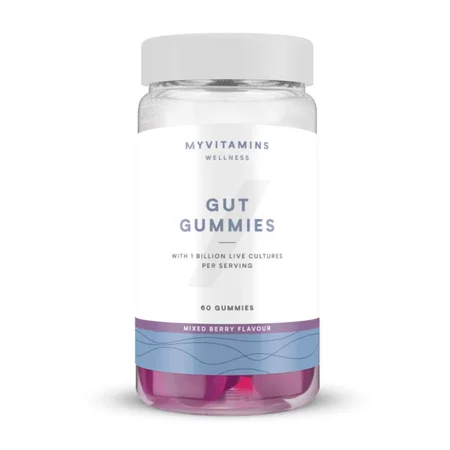
Supplementing with probiotics can help improve both the composition and diversity of your gut microbiome. Your gut contains both harmful ("bad") and health-promoting ("good") bacteria. Choosing a probiotic with multiple strains of bacteria or live cultures increases the diversity of your microbiome.
Probiotic supplementation also has a positive impact on immunity. It is reported that 70% of the body’s immune system is located in the gut. Furthermore, four weeks of probiotic supplementation in athletes has been shown to reduce gastrointestinal symptoms (such as bloating, gas, and nausea) during high-intensity exercise.
Prebiotics (the fibre fuel)
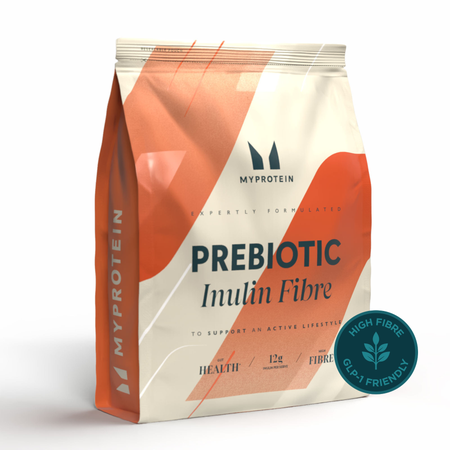
A primary example is Inulin, a prebiotic fibre that supports the growth of beneficial bacteria. The International Scientific Association for Probiotics and Prebiotics (ISAPP) recommends a dosage of 5g a day of prebiotics to support microbiome health.
Psyllium Husk
Glutamine
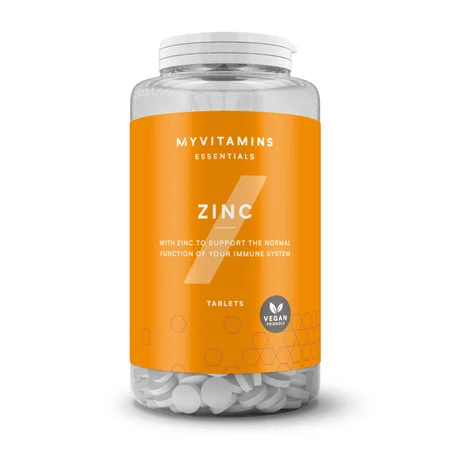
Zinc
Fish Oil & Phytonutrients
Omega-3s: Research supports how polyunsaturated fatty acids in fish oil support optimal microbiome health. Phytonutrients: Taking a "greens" supplement provides plant-powered nutrients that support the gut even beyond the benefits of dietary fibre.
FAQs
Fibre acts as the primary food source for your "good" gut bacteria. When they digest fibre, they produce short-chain fatty acids that protect your gut lining and reduce inflammation.
The fibre gap is the difference between the recommended 30g of fibre per day and the actual amount most people consume (which is usually only 18g). Closing this gap is vital for long-term metabolic and digestive health.
While supplements like Inulin and Psyllium Husk are excellent tools to help you reach your 30g target, they should be used alongside a varied diet rich in whole grains, fruits, and vegetables for the best results.
Take home message
Maintaining a diverse, well-balanced microbiome can help maintain the health of your gut. A healthy gut has been linked to a number of reported health benefits, including reduced gastrointestinal symptoms and improved immunity.
READ THESE NEXT:

- Ursell LK, Metcalf JL, Parfrey LW, Knight R. Defining the human microbiome. Nutr Rev. 2012;70 Suppl 1(Suppl 1):S38-S44. doi:10.1111/j.1753-4887.2012.00493.x
- Jäger, R., Mohr, A.E., Carpenter, K.C. et al. International Society of Sports Nutrition Position Stand: Probiotics. J Int Soc Sports Nutr 16, 62 (2019)
- Pugh, J.N., Sparks, A.S., Doran, D.A. et al. Four weeks of probiotic supplementation reduces GI symptoms during a marathon race. Eur J Appl Physiol 119, 1491–1501 (2019). https://doi.org/10.1007/s00421-019-04136-3
- Holscher HD. Dietary fiber and prebiotics and the gastrointestinal microbiota. Gut Microbes. 2017;8(2):172-184. doi:10.1080/19490976.2017.1290756
- Scientists, F., 2021. Prebiotics – International Scientific Association for Probiotics and Prebiotics (ISAPP). [online] International Scientific Association for Probiotics and Prebiotics (ISAPP). Available at: <https://isappscience.org/for-scientists/resources/prebiotics/> [Accessed 3 September 2021].
- Kim MH, Kim H. The Roles of Glutamine in the Intestine and Its Implication in Intestinal Diseases. Int J Mol Sci. 2017;18(5):1051. Published 2017 May 12. doi:10.3390/ijms18051051
- Pugh JN, Sage S, Hutson M, et al. Glutamine supplementation reduces markers of intestinal permeability during running in the heat in a dose-dependent manner. Eur J Appl Physiol. 2017;117(12):2569-2577. doi:10.1007/s00421-017-3744-4
- Suzuki, T., 2020. Regulation of the intestinal barrier by nutrients: The role of tight junctions. Animal Science Journal, 91(1).
- Institute of Medicine, Food and Nutrition Board. Dietary Reference Intakes for Vitamin A, Vitamin K, Arsenic, Boron, Chromium, Copper, Iodine, Iron, Manganese, Molybdenum, Nickel, Silicon, Vanadium, and Zinc. Washington, DC: National Academy Press, 2001.
- Ods.od.nih.gov. 2021. Office of Dietary Supplements – Zinc. [online] Available at: <https://ods.od.nih.gov/factsheets/Zinc-HealthProfessional/> [Accessed 3 September 2021].