GLP-1 receptor agonists like Mounjaro, Ozempic, or Wegovy are a powerful tool for weight management, but long-term success depends on more than just taking the medication.
This GLP-1 nutrition guide explores the best foods for GLP-1 support, highlights what to avoid, and provides the essential roadmap you need to fuel your body effectively.

- The importance of diet for GLP-1 support
- Impact on weight loss and energy levels
- What to eat on GLP-1
- Foods to avoid on GLP-1
- Practical tips for a GLP-1 diet
- Frequently asked questions
The importance of diet for GLP-1 support
When using GLP-1 receptor agonists, food choices are key to maximising weight loss, preserving muscle, and maintaining overall health. These medications work by reducing appetite, slowing gastric emptying, and improving blood sugar regulation, leading to decreased food intake.1
While appetite suppression can facilitate weight loss, it can also increase the risk of nutrient deficiencies, potential muscle loss, and low energy levels if dietary choices are not carefully considered.1
Since these medications make it easier to eat less, prioritising nutrient-dense, high-protein, and fibre-rich foods that support GLP-1 ensures every meal supports long-term health and sustainable weight management.
Additionally, the slowed digestion caused by GLP-1 medications means certain foods, if chosen poorly, may cause digestive discomfort, bloating, or nausea.
Ultra-processed foods high in refined or added sugars can lead to blood sugar fluctuations and increased cravings, potentially negating the effects of the medications.2 This issue has been found in other weight loss interventions, including bariatric surgeries.3
How proper nutrition impacts weight loss and energy levels
While GLP-1 medications significantly reduce appetite, it’s crucial to ensure adequate food intake to prevent unintended health consequences.
Consuming too few calories can lead to muscle loss, reduced bone mineral density, and disruptions in hormonal health. Severe caloric restriction increases the risk of losing lean muscle, which not only slows metabolism but also makes long-term weight maintenance more difficult.4
Additionally, inadequate intake of key nutrients like calcium, vitamin D, and magnesium can weaken bones. For women, extreme calorie deficits may also lead to menstrual irregularities (hypothalamic amenorrhea), signalling hormonal imbalance.
It’s also important to highlight that eating too little for an extended period can contribute to disordered eating patterns and increased food anxiety.5
Ensuring balanced GLP-1 nutrition supports muscle retention and metabolic health. Protein is the next most important consideration; it helps preserve muscle mass and has been linked to feeling "full".6 Research suggests consuming 1.2 to 1.6 grams per kilogram of body weight per day supports muscle retention during weight loss.6
14 Foods High In Protein: Sources And Vegan Alternatives
The underdogs of the protein world have entered the chat......
A diet rich in vitamins and minerals is crucial for preventing deficiencies due to reduced food intake. - Nutrients like B vitamins, iron, and magnesium are essential for energy, while calcium and vitamin D support bone health.
- Eating a variety of colourful fruits, vegetables, nuts, and seeds ensures the body gets essential micronutrients.
GLP-1 support also involves gut health. Since these drugs slow digestion, high-fibre foods like leafy greens and oats can support regular bowel movements.7 Fermented foods like yoghurt and kefir promote a healthy gut microbiome, which is linked to better nutrient absorption and weight regulation.8
What to eat on GLP-1
When considering what to eat on GLP-1, focus on a predominantly nutritious diet rich in protein, fibre, and healthy fats.
Protein
Prioritising high-protein foods is essential to preserve muscle mass and promote satiety.6 Protein also takes longer to digest than carbohydrates, helping you feel fuller for longer.
- Lean meats and fish such as chicken breast, turkey, salmon, and cod.
- Eggs, tofu, tempeh, edamame, lentils, and chickpeas.
- Low-fat dairy products like Greek yoghurt, cottage cheese, and kefir.
- Protein powders (whey, casein, or plant-based) for smoothies or porridge.
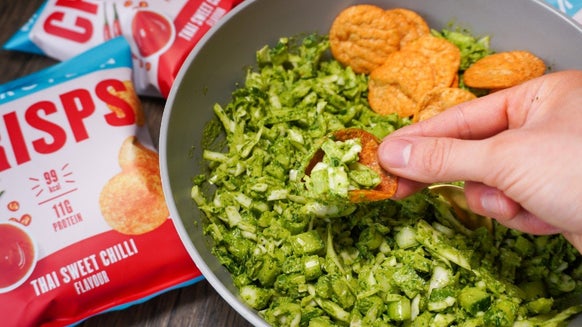
- High-protein snacks like beef jerky, hard-boiled eggs, or protein bars.

Fibre
Fibre is vital for digestive health, especially as these drugs can cause constipation or bloating. Fibre-rich foods add bulk to meals and stabilise blood sugar levels.7
- Vegetables like leafy greens, broccoli, and Brussels sprouts.
- Whole grains such as quinoa, oats, and brown rice.
- Legumes like lentils and black beans.
- Fruits like berries, apples, and pears.

Why Fibre is So Good For You + 28 High-Fibre Foods
Good news: Popcorn made the list...
Healthy fats
Healthy fats support hormone production and brain function.9 Choose nutrient-dense sources that promote feelings of fullness without spiking blood sugar.
- Avocados and nuts (almonds, walnuts, cashews).
- Seeds such as chia, flax, and hemp (rich in omega-3s).
- Olive oil for dressings and cooking.
- Fatty fish like salmon and mackerel.
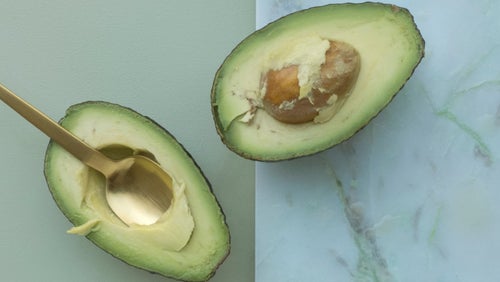
14 Healthy Fat Foods You Should Eat
Here’s what to include and what to avoid when it comes to fats. ...
Vitamins and minerals
Reduced food intake increases the risk of nutrient deficiencies. Focus on:
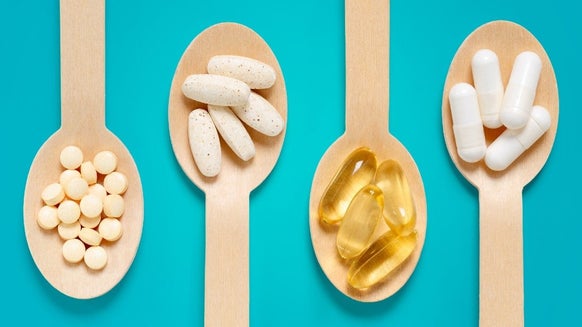
Vitamin D: Essential for bone health and immunity; often requires supplementation.10 B vitamins & magnesium: For energy production and muscle function. Iron: To prevent fatigue and support oxygen transport.
Foods to avoid on GLP-1
Certain foods can hinder progress or worsen side effects while using GLP-1 medications.
Processed foods: Items like chips, sugary cereals, and fast food are high in refined carbs and added sugars, leading to blood sugar fluctuations and hunger.2
High-fat or fried foods: Because these medications slow digestion, greasy foods can worsen bloating, nausea, and gastrointestinal discomfort.
Sugary drinks and alcohol: Beverages like fizzy drinks provide empty calories and cause blood sugar spikes.11 Alcohol can impair metabolism, disrupt sleep, and irritate the stomach lining, potentially worsening medication side effects and increasing obesity risk.12
GLP-1 nutrition support: practical tips for your diet
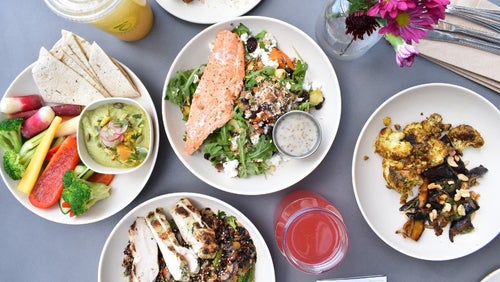
Meal Prepping: Set aside one or two days a week to batch-cook lean proteins and vegetables. Using portioned containers ensures you have GLP-1 support meals ready when hunger strikes.
Portion control: To avoid discomfort, use your hand as a guide:
Protein: Size of your palm. Fruit/Veg: Size of your palm. Carbohydrates: Size of your clenched fist. Fats: Size of your thumb.
Mindful eating: Chew food thoroughly (20-30 times per bite) and eat without distractions to help your body register fullness cues.
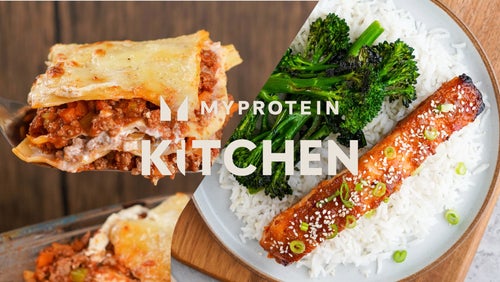
57 Meal Prep Recipes For Muscle Building & Fat Loss
Your next favourite prep is in here......
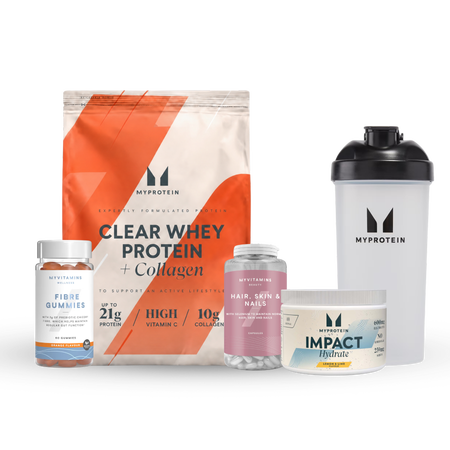
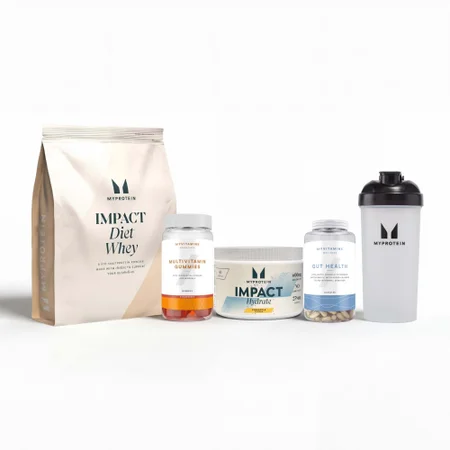
Looking for supplements to help support your weight loss? Shop our complete GLP-1 nutrition support range.
Frequently asked questions
Focus on lean proteins (chicken, fish, tofu), high-fibre vegetables, and whole grains. These help maintain muscle mass and aid digestion while the medication slows your gastric emptying.
Rapid weight loss can lead to muscle loss. Consuming 1.2-1.6g of protein per kg of body weight helps preserve lean tissue and keeps you feeling satiated.
It is best to limit or avoid alcohol. It can worsen nausea, provide empty calories, and trigger cravings that may override the medication's effects.
Avoid high-fat, fried, and heavily processed foods. Eat smaller portions more slowly and stay hydrated with water or herbal teas instead of sugary drinks.
Take home message
Focus on establishing healthy dietary habits now. Eat enough to avoid deficiency-related issues and prioritise protein, fibre, and healthy fats to support your muscle mass and metabolic health. Minimise ultra-processed foods and alcohol to maximise your results. Finding the right balance today sets the foundation for life beyond medication.



- Zheng, Z., et al. (2024). Glucagon-like peptide-1 receptor: Mechanisms and advances in therapy. Signal Transduction and Targeted Therapy.
- Tobias, D. K., & Hall, K. D. (2021). Eliminate or reformulate ultra-processed foods? Biological mechanisms matter. Cell Metabolism.
- Aylward, L., et al. (2022). Binge eating before and after bariatric surgery. Current Obesity Reports.
- Areta, J. L., et al. (2021). Low energy availability: History, definition and evidence of its endocrine, metabolic and physiological effects. European Journal of Applied Physiology.
- Stewart, T. M., et al. (2022). The complicated relationship between dieting, dietary restraint, caloric restriction, and eating disorders. International Journal of Environmental Research and Public Health.
- Leidy, H. J., et al. (2015). The role of protein in weight loss and maintenance. The American Journal of Clinical Nutrition.
- Deehan, E. C., et al. (2024). Effects of dietary fibre on metabolic health and obesity. Nature Reviews Gastroenterology & Hepatology.
- Valdes, A. M., et al. (2018). Role of the gut microbiota in nutrition and health. BMJ.
- Bray, G. A., et al. (2004). Dietary fat and obesity: A review of animal, clinical and epidemiological studies. Physiology & Behavior.
- Bouillon, R., et al. (2022). The health effects of vitamin D supplementation: Evidence from human studies. Nature Reviews Endocrinology.
- Tobiassen, P. A., & Køster-Rasmussen, R. (2024). Substitution of sugar-sweetened beverages with non-caloric alternatives and weight change. Obesity Reviews.
- Traversy, G., & Chaput, J. P. (2015). Alcohol consumption and obesity: An update. Current Obesity Reports.