Making sure you eat some of your favourite foods is probably a good idea if you're trying to lose weight, even if they're foods people don't typically associate with dieting.
I will state up front, this article doesn't recommend any particular diet. It's an explanation of why including certain foods can actually benefit people trying to stick to a weight loss plan long term.
Jump to:
- The problem with restrictive diets
- The Bobby experiment: calories and macros
- What a balanced diet actually looks like
- Why consistency matters most
- The case for flexible dieting
- Frequently asked questions
The problem with restrictive diets
Ice cream, pizza, chocolate: some of the most delicious foods known to humankind. And none of them are things people would expect to see regularly on a diet. Probably because they contain the two ingredients that modern dieters tend to fear most: fat and sugar.
In many people's minds, fat and sugar don't belong anywhere near a weight loss plan. If you want to lose weight, you should only be eating whole, clean foods, whatever that actually means.
This is where a big problem in nutrition starts. People feel the only way they can lose weight is by being super strict and sticking rigidly to what they consider to be diet foods. This often makes people feel severely restricted, and they eventually give in to cravings, eating large amounts of the foods they'd been avoiding, and then feeling bad about themselves afterwards.
But there's a better way to approach it.

The Bobby experiment: calories and macros
To understand why, it helps to look at this through a scientific lens. Consider a pair of identical twins, both trying to lose weight. To maintain their body weight, both need to eat 2,500 calories a day, the recommended daily intake for the average adult man.
Let's call them Bobby 1 and Bobby 2.
To lose weight, both Bobbies need to be in a calorie deficit. We'll put them both at 200 calories below their maintenance intake: 2,300 calories per day, which leads to steady, manageable weight loss, the way it should be done.
Now here's where it gets interesting.
Bobby 1: the ice cream diet
Bobby 1 eats all of his 2,300 calories as ice cream. He loves it, so he follows the plan diligently. That works out at roughly two pint tubs of ice cream per day.
Bobby 2: the banana and avocado diet
Bobby 2 eats nothing but bananas and avocados, considered by many to be super healthy, clean foods. That works out at around five avocados and just over eight bananas a day.
From the outside, these two diets look completely different. One seems obviously unhealthy, the other apparently virtuous. But when you look at the macronutrient breakdown of both diets, they are surprisingly similar in terms of calories, fat, carbohydrate and protein content.
So after two weeks, who loses more weight?
Neither. On identical calories and macros over that time period, the amount of weight lost would be pretty similar. We have plenty of good evidence showing that diets matched for calories or macronutrients result in similar levels of weight loss, regardless of the specific foods consumed.
What a balanced diet actually looks like
This doesn't mean anyone should follow the ice cream diet. If it needs clarifying: You absolutely shouldn't eat nothing but ice cream. And you shouldn't follow the banana and avocado diet either. Neither is well balanced, and both would eventually lead to some form of nutrient deficiency. The protein content of both is also very low, which would compromise muscle mass over time.
What it does mean is that you can create a well-balanced diet that:
- Has a calorie deficit that allows for steady weight loss.
- Contains adequate protein to support muscle maintenance.
- Includes a wide variety of nutrient-dense foods: fruit, vegetables, whole grains and legumes, providing a broad range of vitamins, minerals and fibre.
- Allows for a greater volume of food and greater satiety.
- Uses some of the remaining calories to include foods you actually enjoy, like ice cream.
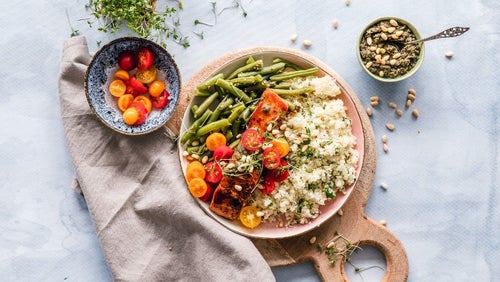
A Healthy Shopping List For Muscle Gain & Weight Loss
These are the foods that need to be on your list....
Why consistency matters most
The biggest driver of weight loss is a calorie deficit. But the single most important factor for long-term weight loss success is consistency, the ability to maintain a diet over time.
You can lose weight on a huge variety of different diets. But if you can't maintain that diet, you'll simply regain the weight. This is why so many extreme or fad diets appear to work well initially: people lose weight quickly due to the calorie deficit, but eventually give up because the food choices are so limited. And then the weight comes back.
Neither of the Bobby diets is sustainable, no matter how clean one of them might appear. If you're stuck eating the same limited range of foods every day, you'll get bored, feel restricted, and eventually give in to cravings.
However, if your diet allows you to eat a wide variety of foods, including all the nutritious ones you need to stay healthy, and also lets you enjoy some of your favourites in moderation, that diet becomes far more sustainable in the long term.
The case for flexible dieting
This is why flexible dieting approaches, which allow people to eat a wide variety of foods, have been shown to lead to both an improved relationship with food, where you don't fear certain foods because you think they'll make you gain weight, and more successful, sustainable diets over the long term.
Bobby One loves ice cream. No matter how healthy or well balanced the diet, if he can't eat some of his favourite foods, he'll be miserable, and that makes the diet pointless. But if he can include some ice cream alongside everything else he needs, the diet becomes far more sustainable.
This isn't an argument that ice cream is essential or that you have to include it. It's an argument that if you want some, you can have some, especially if it helps you stick to an otherwise healthy eating plan overall.
You don't have to think about your diet in black and white terms. It doesn't have to be all or nothing, perfect or a failure. If eating a little of the foods you love makes your otherwise well-structured diet more sustainable, then do it. The consistency you gain will make you more successful in the long run than any fad diet.
Frequently asked questions
Can you really eat ice cream and lose weight?
Yes, provided you're in a calorie deficit overall. Research consistently shows that diets matched for calories and macronutrients lead to similar weight loss outcomes regardless of the specific foods included. The key is that the overall diet remains balanced and nutritious.
What is flexible dieting?
Flexible dieting is an approach that allows you to eat a wide variety of foods, including foods you enjoy, rather than restricting yourself to a narrow list of approved options. It has been shown to support a healthier relationship with food and more sustainable long-term results.
Why do strict diets fail?
Strict diets that heavily limit food choices often fail because people feel restricted, get bored and eventually give in to cravings. Without consistency, even a well-designed diet won't produce lasting results.
Is a calorie deficit the most important thing for weight loss?
A calorie deficit is the primary driver of weight loss, but consistency, the ability to maintain your diet over time, is the single most important factor for long-term success.
Do I need to eat clean to lose weight?
No. The evidence shows that what matters most for weight loss is total calorie and macronutrient intake, not whether individual foods are considered clean or not. A balanced diet that you can sustain is far more effective than a strict one that you can't.
Take home message
You don't need to restrict yourself to a narrow list of approved foods to lose weight. The evidence is clear: calories and macros matter more than the specific foods you eat. Build a diet that's rich in nutritious whole foods, supports your health and includes some of the things you actually enjoy. The consistency that comes from a sustainable, flexible approach will always outperform a strict diet that you eventually give up on.
READ MORE HERE:

How to Lose Weight: Safe & Effective Tips
Achieving your goals just got easier. ...
Calorie Deficit Explained: Simple Steps to Sustainable Weight Loss
The science of weight loss explained in simple terms....
57 Meal Prep Recipes For Muscle Building & Fat Loss
Your next favourite prep is in here......