Instant overview
The best cutting foods are nutrient-dense, high-volume options that keep you full while maintaining a calorie deficit — think lean proteins, leafy greens, berries, and whole grains. - Protein is the priority: evidence suggests 2.3–3.1g per kg of fat-free mass to maximise muscle retention during a cut, with lean sources like chicken, white fish, and egg whites keeping calories low.
- High-volume eating is the key to managing hunger — foods with high water and fibre content let you eat substantial portions while staying within your calorie limits.
- Healthy fats from avocado, oily fish, nuts, and olive oil are essential for hormonal health, but portion control matters as fat contains nine calories per gram.
The best cutting foods are those that help you hit your protein targets, manage hunger, and maintain energy for training — all while staying in a calorie deficit. Lean proteins like chicken, white fish, and egg whites protect muscle mass, complex carbohydrates from oats and sweet potatoes fuel your workouts, and controlled portions of healthy fats keep your hormones functioning properly.
Best cutting foods: at a glance
| Category | Top foods | Why they make the cut |
|---|---|---|
| Lean protein | Chicken, turkey, white fish, egg whites, Greek yoghurt, tofu | High satiety, low calorie, protects muscle mass during a deficit |
| Complex carbohydrates | Leafy greens, oats, berries, sweet potatoes, quinoa | High fibre slows digestion, sustains energy, and keeps you full |
| Healthy fats | Avocado, salmon, nuts and seeds, olive oil | Supports hormones and vitamin absorption — portion control essential |
| Protein target | 2.3–3.1g per kg of fat-free mass | Higher intakes maximise muscle retention in trained individuals |
| Weight loss rate | 0.5–1% of bodyweight per week | Slower rates preserve more lean mass as you get leaner |
Jump to:
- How to cut
- How many calories for cutting?
- Dietary macronutrient composition
- The power of high-volume eating
- Best protein foods for cutting
- Best carbohydrate foods for cutting
- Best healthy fats for cutting
- Lifestyle factors matter
- Frequently asked questions
How to cut
Research consistently shows that reducing your calorie intake and maintaining consistency is the primary driver of weight loss. While individual results vary, the fundamental principle remains a sustained energy deficit where calories consumed are fewer than calories burned.
Restricting calories without considering food quality can lead to losing both fat and muscle mass. To avoid undermining your gym progress, you must prioritise nutrient-dense options that support recovery and hormonal health.
The macronutrient composition of your diet — the balance of protein, carbohydrates, and fats — determines whether you simply lose weight or specifically lose fat. High-quality nutrition ensures your body has the tools it needs to maintain lean tissue during a deficit.
A "cut" is effectively a fat-loss phase designed to reveal the muscle definition built during a "bulk." By choosing the best cutting foods, you can ensure that the weight lost comes predominantly from adipose tissue (fat) rather than lean muscle.

How many calories for cutting?
A calorie deficit is required for fat loss, meaning your energy expenditure must exceed your energy intake. Your deficit should be tailored to your starting body fat percentage, as those with higher levels can often handle a more aggressive deficit.
To calculate your needs, first determine your basal metabolic rate (BMR), which is the energy required for basic survival at rest. This figure is influenced by your age, gender, height, and weight, providing a baseline for your daily energy needs.
Once you have your BMR, calculate your total daily energy expenditure (TDEE). This includes your BMR plus the energy used for daily movement (NEAT), work, and structured exercise (EAT).
Calorie Deficit Explained: Simple Steps to Sustainable Weight Loss
The science of weight loss explained in simple terms....
Slower rates of weight loss are often more effective at preserving lean mass, especially as you become leaner. Aiming for a loss of 0.5% to 1% of body weight per week is generally considered a sustainable and safe approach.
Focusing on high-volume, lower-calorie foods is the most effective way to maintain a deficit without constant hunger. Plant-based fibre and lean proteins increase satiety, helping you feel full while consuming fewer total calories over the course of the day.
Dietary macronutrient composition
When you consume fewer calories than you expend, your body enters a catabolic state where it breaks down tissue for energy. Choosing the right foods ensures your body targets fat stores rather than muscle tissue.
Achieving your daily protein goals while maintaining a negative calorie balance is the most important factor for muscle preservation. This distinction between "fat loss" and "weight loss" is what helps create a defined, athletic physique.
Macro Calculator | How To Calculate Your Macros For Flexible Dieting & IIFYM
Use our calculator to work out your macros....
The role of protein in muscle retention
The rate of muscle breakdown during a cut is linked to the amount of protein available in your body. Maintaining a positive net protein balance is essential for protecting your gains while your energy intake is low.
Evidence suggests that higher protein intakes, ranging from 2.3g to 3.1g per kg of fat-free mass, may be required to maximise muscle retention in lean, resistance-trained individuals. This is significantly higher than standard recommendations but potentially crucial for athletes in a deficit.
Very high protein diets also benefit from a higher thermic effect of food (TEF). This means your body burns more energy to digest protein than it does to digest fats or carbohydrates, effectively giving your metabolism a slight boost.
Carbohydrates and training intensity
Carbohydrates are often unfairly criticised in some circles, yet they remain the most efficient fuel source for high-intensity training. Maintaining performance in the gym is vital for providing the stimulus needed to keep your muscle mass.
Both low-fat and low-carbohydrate diets can be effective for fat loss, provided a calorie deficit is maintained. There is no "magic" macronutrient ratio; the best approach is the one that allows you to train hard and stay consistent.
Total daily energy balance is more important than specific carb-to-fat ratios for most people. Finding a balance that allows you to manage hunger levels while still having enough energy for your workouts is the hallmark of a good cutting plan.
Essential fats for hormonal health
Fats are essential for hormone production, including testosterone, and the absorption of fat-soluble vitamins such as A, D, E, and K. A diet too low in fat can lead to hormonal imbalances and poor recovery.
However, because fat is calorie-dense (nine calories per gram), it is often the macronutrient that is reduced to make room for higher protein levels during a cut. You must find a "floor" for your fat intake, usually around 0.5g to 1g per kg of body weight, to ensure health.
Ensure you continue to consume essential fatty acids from high-quality sources like omega-3s.
The power of high-volume eating
One of the biggest hurdles during a cut is physical hunger. High-volume eating involves choosing foods that have a large physical size but a low calorie count, making your stomach feel full.
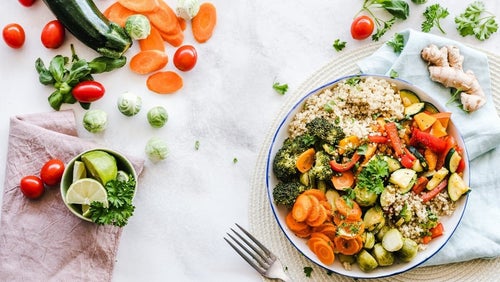
Foods with high water and fibre content are the champions of high-volume eating. By filling your plate with these options, you can eat substantial meals that satisfy your appetite while remaining well within your calorie limits.
- Adding leafy greens to every meal to increase bulk without calories.
- Choosing whole fruits over fruit juices to benefit from fibre and chewing time.
- Swapping calorie-dense sides like fries for roasted root vegetables or steamed greens.
Best protein foods for cutting
Protein provides four calories per gram and has the highest satiety rating of all macronutrients. Prioritise lean sources to keep total calories low while hitting your protein targets to protect your hard-earned muscle.
1. Chicken and turkey breast
Poultry is a staple for a reason. These lean meats are high protein with very little fat, making them some of the best cutting foods for hitting high protein targets without overshooting your calories.
2. White fish
Cod, haddock, and pollock are incredibly low in calories but high in protein. This allows you to eat a much larger volume of food compared to fattier meats, which is a massive win for hunger management.
3. Egg whites
While whole eggs are nutritious, the calories are mostly in the yolk. Using egg whites allows you to create high-protein breakfasts, like omelettes or pancakes, for a fraction of the calories found in the whole egg versions.
4. Greek yoghurt and cottage cheese
Low-fat dairy options are excellent sources of casein protein. Casein is slow-digesting, making these foods perfect for an evening snack to provide a steady stream of amino acids to your muscles while you sleep.
5. Tofu and tempeh
For those following a plant-based diet, tofu and tempeh are versatile, high-protein options. They are also rich in micronutrients and can be seasoned to fit almost any flavour profile, ensuring your diet never gets boring.

6. Protein supplements
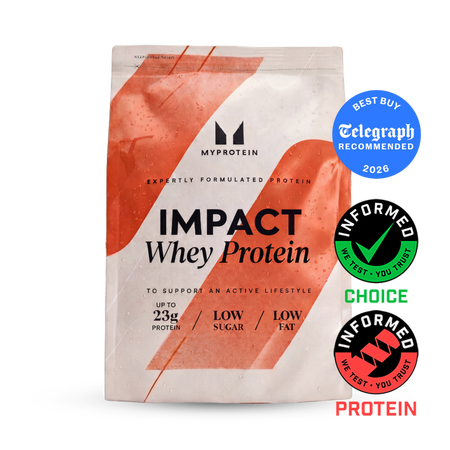
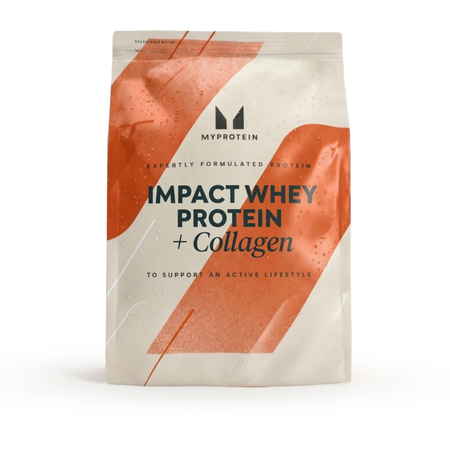
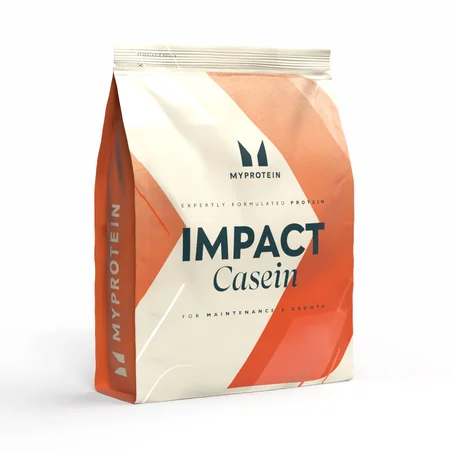
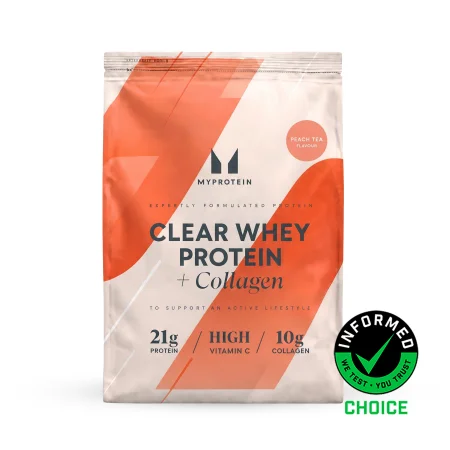
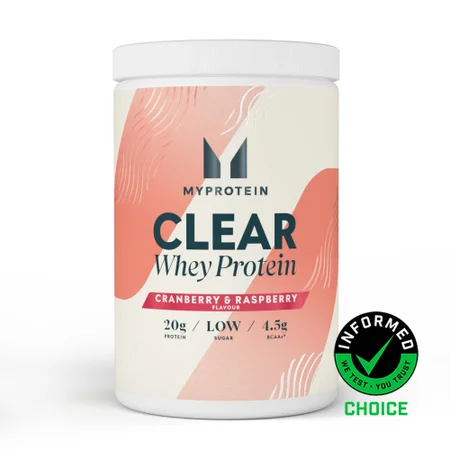
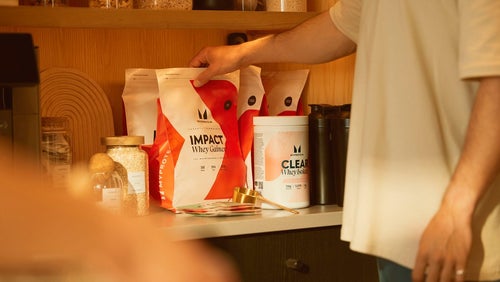
Protein supplements are a cost-effective and convenient way to reach higher protein targets without excess fats or carbs. Whey protein is excellent for rapid post-workout recovery, while casein provides a sustained release of amino acids during longer periods without food. For those who want to support joints and connective tissue alongside muscle — which is worth considering when training intensely through a cut — a whey and collagen blend is also a practical option.
How Many Protein Shakes A Day is Healthy?
An experts advice on what you need, depending on your goals....
Best carbohydrate foods for cutting
During a cut, you should prioritise complex carbohydrates that are high in fibre to slow digestion and keep you full. One gram of carbohydrate provides four calories, but the source of those calories matters for your energy levels.
1. Leafy greens and cruciferous vegetables
Broccoli, cauliflower, kale, and spinach are the ultimate cutting foods. They are so low in calories that they are often referred to as "free foods," allowing you to eat massive portions that keep you physically full for hours.
2. Oats and porridge
Oats are rich in beta-glucan, a type of soluble fibre that has been shown to increase feelings of fullness. A bowl of oats in the morning can provide the steady energy needed to power through a midday workout.
3. Berries
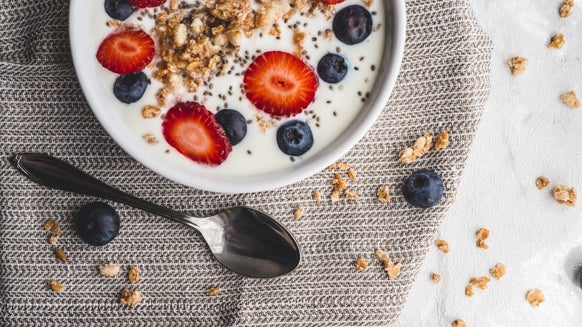
Strawberries, blueberries, and raspberries are some of the best cutting foods for those with a sweet tooth. They are lower in sugar and higher in fibre and antioxidants than most other fruits, meaning you can eat more of them for fewer calories.
4. Sweet potatoes
Sweet potatoes provide a great source of complex energy and are packed with vitamin A. Their slow-release nature makes them an ideal carbohydrate source for your pre-workout meal to sustain performance.
5. Quinoa and brown rice
Whole grains provide more fibre and micronutrients than their refined counterparts. This extra fibre is essential during a cut for maintaining digestive health and ensuring you stay satisfied between meals.

Best healthy fats for cutting
Fats are energy-dense at nine calories per gram, so portion control is vital when cutting. Focus on monounsaturated and polyunsaturated fats, which support heart health and reduce inflammation.
1. Avocado
Avocados are rich in monounsaturated fats and fibre. While calorie dense, adding a small amount to a meal can significantly increase how satisfied you feel, preventing the urge to snack later on.
2. Fatty fish
Salmon, mackerel, and sardines provide essential omega-3 fatty acids. These fats are crucial for heart health and can help manage inflammation caused by intense training during a calorie-restricted phase.
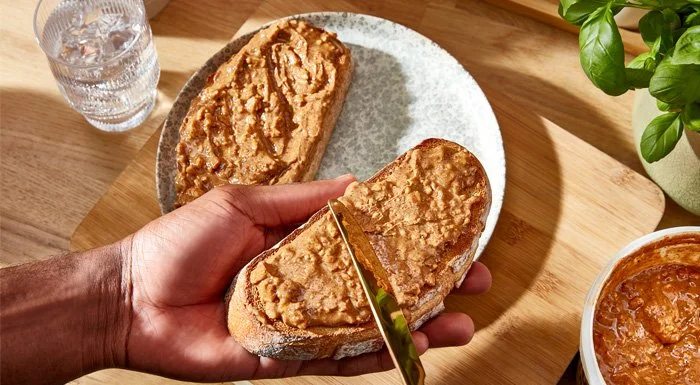
3. Raw nuts and seeds
Almonds, walnuts, and chia seeds are nutritional powerhouses. Because they are so calorie dense, it is best to weigh them out rather than eating them straight from the bag to avoid accidentally over-consuming calories.
4. Extra virgin olive oil
Olive oil is a staple of the Mediterranean diet and a great source of healthy fats. Use it sparingly as a dressing for salads to help your body absorb the fat-soluble vitamins found in your vegetables.
Lifestyle factors matter
The long-term success of any diet depends on your ability to stick to it. Research suggests that the specific type of diet (low carb vs low fat) is less important than your overall commitment.
Prioritise sleep: Lack of sleep increases hunger hormones like ghrelin, making it much harder to stick to your calorie goals. Stay hydrated: Often, the body confuses thirst with hunger. Drinking water before a meal can help you feel full faster. Keep training heavy: To signal to your body that it needs to keep its muscle, you must continue lifting challenging weights throughout your cut. Be patient: Significant body composition changes take time. Avoid the temptation to crash diet, which often leads to muscle loss and weight regain.
Take home message
Successful cutting relies on three pillars: a modest calorie deficit, high protein intake, and consistent resistance training to preserve lean mass. The best cutting foods are those that help you reach your macro targets while keeping hunger at bay.
While high-volume, nutrient-dense foods should form the bulk of your diet, flexibility is key. Occasional treats can improve long-term adherence by preventing feelings of restriction. Remember that fat-loss phases should be temporary; once you reach your goal, transition back to maintenance.
Always listen to your body and consult a healthcare professional before starting a restrictive eating plan. If tracking calories becomes stressful or triggers negative behaviours, focus instead on whole foods, lean proteins, and plenty of vegetables.
Frequently asked questions
What are the best cutting foods for losing fat?
Lean proteins (chicken, turkey, white fish, egg whites, Greek yoghurt, tofu), high-fibre carbohydrates (leafy greens, oats, berries, sweet potatoes), and controlled portions of healthy fats (avocado, oily fish, nuts, olive oil). The best cutting foods are those that keep you full while staying within your calorie deficit.
What foods should I avoid when cutting?
There are no strictly "off limits" foods — the article emphasises that occasional treats can improve long-term adherence. However, calorie-dense foods with low nutritional value (fried foods, sugary drinks, heavily processed snacks) make it much harder to stay in a deficit while getting the nutrients your body needs.
How much protein do I need when cutting?
2.3–3.1g per kg of fat-free mass for lean, resistance-trained individuals. This is higher than standard recommendations, but essential for maximising muscle retention during a deficit. Protein also has a higher thermic effect, meaning your body burns more energy digesting it than it does fats or carbs.
Are leafy greens really "free foods" during a cut?
Practically, yes. Broccoli, cauliflower, kale, and spinach are so low in calories that you can eat massive portions without meaningfully affecting your daily total. Their high fibre and water content keeps you physically full for hours, making them some of the most effective cutting foods for managing hunger.
Can I still eat fats during a cut?
Yes — you must. Fats are essential for hormone production (including testosterone) and the absorption of fat-soluble vitamins A, D, E, and K. The key is portion control, since fat contains nine calories per gram. Aim for a floor of 0.5–1g per kg of bodyweight from quality sources like avocado, oily fish, and olive oil.

Aragon, A. A., Schoenfeld, B. J., Wildman, R., Kleiner, S., VanDusseldorp, T., Taylor, L., … & Antonio, J. (2017). International society of sports nutrition position stand: diets and body composition. Journal of the International Society of Sports Nutrition, 14(1), 16. https://doi.org/10.1186/s12970-017-0174-y