
There’s very rarely such a thing as a quick fix when it comes to looking after your mental health, but figuring out ways to manage, no matter how small, is a vital part of wellbeing.
Nearly everyone will experience anxiety and stress at some point in life. One particularly effective strategy for dealing with symptoms of stress is breathing techniques.
If you’re feeling stressed or overwhelmed, taking a few minutes to consciously regulate your breathing can help to keep a lid on things. The best thing is it’s so easy, takes so little time, and requires absolutely no equipment.
Jump to:
- Pursed lip breathing
- Box breathing
- 4-7-8 technique
- Alternate nostril breathing
- Diaphragmatic breathing
- Other ways to relieve stress
- Supplements to help relieve stress
Essential Breathing Techniques for Stress Relief
Pursed Lip Breathing
Pursed lip breathing is an easy technique that slows down your breathing, which helps to calm your nervous system and relieve stress. It’s particularly useful when you're feeling short of breath or overwhelmed.
- Inhale through the nose for two seconds.
- Hold your breath for one second.
- Exhale through pursed lips for four to six seconds.
Benefits: This breathing technique keeps your airways open longer, moving old, trapped air out of your lungs and making room for fresh air, which promotes relaxation.
Box Breathing (4x4)
Box breathing, also known as four-square breathing, is a simple, effective breathing technique used to regulate breathing and achieve deep relaxation. It’s a favourite among high-stress professionals and athletes for boosting focus.
- Inhale for four seconds.
- Hold your breath for four seconds.
- Exhale for four seconds.
- Hold for four seconds.
- Repeat the cycle.
Benefits: The equal-length phases of box breathing can balance your nervous system, immediately lowering your heart rate and reducing stress.
4-7-8 Technique
The 4-7-8 breathing technique is often called "relaxing breath" and is known for its powerful sedative effect, helping to calm a racing mind before sleep or during a moment of high anxiety.
- Inhale deeply for four seconds.
- Hold your breath for seven seconds.
- Exhale slowly for eight seconds.
- Repeat the sequence.
Benefits: This specific rhythm helps the body enter a state of deep rest, as the prolonged exhalation signals your body to calm down, slowing your heart rate and reducing blood pressure.
Alternate Nostril Breathing (Nadi Shodhana)
Originating from yoga, Alternate nostril breathing is designed to balance the left and right hemispheres of the brain, promoting a feeling of focus and calm energy.
- Close the right nostril with your thumb and inhale through the left nostril for four seconds.
- Close the left nostril with your finger, briefly holding your breath.
- Open the right nostril and exhale for six seconds.
- Inhale through the right nostril for four seconds.
- Close the right nostril and hold briefly.
- Open the left nostril and exhale for six seconds.
- Repeat the cycle once or twice.
Benefits: It is believed to cleanse the energy channels, reducing stress and anxiety while improving concentration.
Diaphragmatic Breathing (Belly Breathing)
Diaphragmatic breathing is the foundation of most breathwork, engaging the diaphragm muscle to pull air deep into the lungs. This type of deep breathing is proven to reduce the physical symptoms of stress.
- Lie down or sit comfortably with one hand on your chest and one on your stomach.
- Inhale slowly and deeply through your nose, letting your stomach rise (the hand on your stomach should rise).
- Exhale slowly through pursed lips, allowing your stomach to flatten.
Benefits: Consistent practice strengthens the diaphragm, reducing oxygen demand and slowing the heart rate, promoting deep relaxation and stress management.

50 Healthy Habits To Make Your Life Easier
All to make your life easier....
Other Ways to Relieve Stress and Boost Wellbeing
While breathing techniques are incredibly effective, managing stress is often a multi-faceted approach that incorporates other healthy lifestyle choices. Prioritising activities that promote mental wellbeing is highlighted as crucial by experts like Martin Wikfalk.
Meditation and Mindfulness
Meditation involves focusing your mind on a specific object, thought, or activity to achieve a mentally clear and emotionally calm state. This practice is a powerful tool for reducing stress.
Mindfulness: This is a type of meditation where you focus on being intensely aware of what you're sensing and feeling in the present moment, without interpretation or judgment. Digital Tools: Apps like the Mindfulness App can help you get your routine in place by offering guided sessions, making it easy to incorporate into a busy schedule.
Exercise and Movement
Physical activity is a huge contributor to mental health, working as a natural stress reliever. Even a short burst of movement can make a difference.
Endorphins: Exercise releases endorphins, natural mood boosters that can help reduce tension and uplift your mood. Time Blocking: Implementing "time blocking" by carving out specific, non-negotiable blocks of time for exercise or breathwork in your day ensures these practices are prioritised.

'Catch It, Challenge It, Change It' | Wellbeing Expert Answers Your Mental Health Questions
You asked, Erin answered....
Supplements to Help Relieve Stress
While a healthy lifestyle is key, certain supplements can help manage stress by supporting relaxation and mental function. Here are a few supplements for stress and relaxation that may offer support for better mental wellbeing.
Ashwagandha KSM-66
Ashwagandha is a traditional Ayurvedic herb used for centuries to support wellbeing.
Key Benefits:
- 500mg of ashwagandha root extract per capsule
- Full-spectrum KSM-66® branded extract
- Super-convenient capsule format
5-HTP
5-HTP (5-Hydroxytryptophan), a naturally occurring amino acid that helps to increase serotonin levels.
Key Benefits:
- 50mg 5-HTP per capsule
- L-Tryptophan is a precursor to the neurotransmitter serotonin
- Convenient everyday supplement
Zinc & Magnesium Capsules
A simple yet effective combination of essential minerals that support key bodily functions.
Key Benefits:
- Zinc, vitamin B6, and copper support the immune system.
- Magnesium and vitamin B6 reduce tiredness and fatigue.
- Zinc and magnesium help to maintain normal bones.
- Magnesium supports normal muscle function.
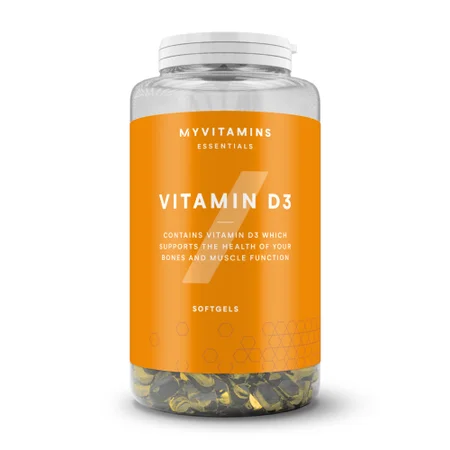
Vitamin D3
Often called the "sunshine vitamin", vitamin D is crucial for overall health.
Key Benefits:
- Helps your immune system.
- Supports normal bones and muscles.
Take Home Message
These simple breathing techniques are incredibly useful tools for managing your mental wellbeing and can be performed anywhere. Next time you’re feeling a little overwhelmed, take a few minutes to help restore yourself to calm with deep, conscious breathing.
Remember that a combination of breathwork, exercise, and supportive supplements can provide the most comprehensive strategy for managing stress and achieving mental clarity in 2025.
If you’d like to learn more about how you can manage the various demands of life, explore some more of our wellness advice.


FIND MORE HERE:
50 Healthy Habits To Make Your Life Easier
All to make your life easier....
'Catch It, Challenge It, Change It' | Wellbeing Expert Answers Your Mental Health Questions
You asked, Erin answered....

Mental Health Toolkit Featuring The Bottled Up Blokes
Tips for starting important conversations....