Instant overview
- A morning protein shake can provide 20–40g of protein in under three minutes, helping you avoid the energy crashes and hunger pangs typical of high-carb breakfasts like cereal or toast.
- Protein is more satiating than carbs or fats, keeping you fuller for longer and supporting muscle repair after an overnight fast when muscle breakdown naturally exceeds muscle building.
- Adding fibre (oats, chia seeds, berries) and healthy fats (nut butter, flaxseeds) transforms a basic shake into a balanced, meal-replacement-level breakfast that sustains energy until lunch.
- Whether your goal is fat loss (mix with water, keep calories low) or muscle gain (add oats, whole milk, nut butter for a calorie surplus), a protein shake is easily customised to support your specific needs.
A morning protein shake is a quick, convenient breakfast option that delivers a concentrated dose of high-quality protein — up to 40g per serving — in a matter of minutes. Unlike traditional high-carb breakfasts such as cereal or toast, a protein shake keeps you fuller for longer, prevents mid-morning energy crashes, and supports muscle repair after an overnight fast.
It's easily customised with added fibre, healthy fats, and whole food ingredients to create a balanced, nutrient-dense meal that fits any goal, from fat loss to muscle gain.
Morning protein shakes: at a glance
| Feature | Specification | Why it matters |
|---|---|---|
| Protein per serving | Approx 20–40g (1–2 scoops of powder) | Stimulates muscle protein synthesis and keeps you full for 3–4 hours, far longer than high-carb breakfasts |
| Prep time | Under 3 minutes | Ideal for busy mornings when cooking a full breakfast isn't practical |
| Typical calories | 150–600 kcal (depending on mix-ins) | Easily adjusted for fat loss (water, minimal add-ins) or muscle gain (whole milk, oats, nut butter) |
| Key add-ins for balance | Oats, chia/flaxseeds, frozen fruit, spinach, nut butter | Adds fibre (for sustained fullness), healthy fats, and micronutrients, turning a basic shake into a complete meal |
| Satiety vs cereal/toast | Significantly higher (protein is the most satiating macronutrient) | Reduces mid-morning snacking and helps you manage overall calorie intake throughout the day |
- Why protein is a breakfast game changer
- Benefits of a morning protein shake
- Tips for the perfect morning shake
- Fibre: an underrated breakfast ingredient
- Protein shakes for fat loss and muscle gain
- Breakfast protein shake recipes
- Frequently asked questions
Why protein at breakfast is a game-changer
Typically, breakfast is the most protein-deficient meal of the day. Many popular choices, like cereal, toast, or pastries, are high in refined carbohydrates but low in protein, which can lead to energy crashes and mid-morning hunger pangs.
By prioritising protein first thing in the morning, you could mitigate these issues while enjoying some big advantages...
The benefits of protein over carbs in the morning
Unlike carbs, protein requires more energy to digest and keeps you feeling fuller for longer. This high satiety value makes it a critical part of any successful nutrition plan.
Satiety and fullness: Protein has a greater effect on satiety than both fats and carbohydrates, making you less likely to overeat later in the day. Steady energy release: Protein digests slowly, promoting a gradual and sustained release of energy throughout the morning. This prevents the sharp spike and subsequent crash often associated with high-sugar or high-carb breakfasts. Muscle support: After an overnight fast, your body is in a state where muscle protein breakdown is higher than muscle protein synthesis. Consuming a protein shake immediately shifts this balance, supporting muscle repair and growth.
A high-protein breakfast helps regulate appetite, manage calories, and provides the essential amino acids needed to kickstart muscle repair after fasting. A morning protein shake is a quick, convenient way to ensure you don't miss out on a vital macronutrient.
Fibre: an underrated breakfast ingredient
While protein builds muscle and keeps you full, fibre is an important but often overlooked piece of the nutrition puzzle. Adding a source of fibre to your breakfast helps keep you full until lunch and supports your long-term gut health.
Why fibre is good for breakfast
Extended satiety: Fibre slows the rate at which food leaves your stomach. When paired with protein, it creates a combination that keeps you going until lunch. Digestive health: Starting your day with a hit of fibre helps meet the NHS recommended 30g daily target, supporting a healthy microbiome from the moment you wake up.
High-fibre ingredients to add to your morning shake
Adding fibre to a shake doesn't have to be complicated. The most practical ingredients include:
Oats: The gold standard for shake-friendly fibre. They blend easily and thicken the shake.Chia and flaxseeds: A single tablespoon adds a significant hit of fibre and healthy omega-3s.Frozen berries: Raspberries and blackberries are among the highest-fibre fruits you can use.
The benefits of a breakfast protein shake
Incorporating a protein shake into your morning routine offers multiple benefits that support various health and fitness goals. Protein shakes are convenient, versatile, and an easy way to significantly boost your daily intake.
Convenience and time saving
One of the biggest advantages of a morning protein shake is the minimal prep. On a busy morning, a shake can be made and drunk in a matter of minutes, saving valuable time.
- Minimal prep compared to traditional cooked breakfasts.
- Ingredients like fruit can be portioned and frozen in advance for even quicker blending.
- The ultimate grab-and-go option for those busy commute mornings.

High Protein Shakes To Boost Your Daily Intake & How To Make Them
Your daily protein shake will never be boring again....
Supporting daily goals
Hitting your protein target can be challenging, especially if you have high training demands or are actively trying to manage your weight. A protein shake provides a concentrated dose of high-quality protein efficiently.
- A shake sets you up for success by contributing a large portion of your required daily protein early on.
- When aiming for a calorie deficit, a high-protein shake can provide essential protein with a low overall calorie count.
It ensures you consistently get the necessary amino acids to maintain and build lean muscle mass.
Muscle maintenance and growth
Whether you're bulking up or maintaining muscle while cutting, consuming protein at breakfast is key to keeping your muscles fuelled. This is particularly important if you're a consistent trainer.
- Protein consumption at breakfast stimulates muscle protein synthesis.
This supports muscle repair and recovery post-workout. - Consuming adequate protein helps retain lean muscle mass when you are in a calorie deficit.
Tips for your morning protein shake
Extra ingredients are an easy way to boost the flavour, texture, and nutritional value of your breakfast protein shake. This way, you can quickly turn a basic shake into a complete, balanced meal replacement.
Ingredients to boost your shake
Throwing a few extra whole food ingredients into the blender can add valuable fibre, healthy fats, and micronutrients to your morning meal:
Spinach or kale: High in vitamins K, A, and C, as well as essential minerals. Adds a micronutrient boost for overall health with minimal flavour change. Oats: An excellent source of slow-release complex carbohydrates and fibre, supporting sustained energy and acting as a great ingredient for bulking. Chia seeds or flaxseeds: High in omega-3 fatty acids and dietary fibre. Great for adding healthy fats and supporting digestive health and satiety. Nut butter (eg, peanut or almond): A source of healthy monounsaturated fats and extra protein. Adds a higher calorie load, which is useful if you're trying to gain weight. Frozen banana: A good source of potassium, a key electrolyte, and natural sweetness. Creates a thick texture and aids in post-workout recovery. Frozen mixed berries: An excellent source of antioxidants and fibre, offering natural sweetness and a cold, thick texture. Ice cubes: A zero-calorie way to increase the shake volume and thickness, leading to an improved texture and hydration.
Protein shakes for fat loss and muscle retention
Protein shakes are an excellent tool for supporting fat loss because they help manage your calorie intake and preserve metabolically active tissue. The most important factor for weight loss is maintaining a consistent calorie deficit (ie, burning more calories than you consume).
Appetite control and calorie management
Starting your day with a protein shake can help keep your appetite in check throughout the day. This sustained feeling of fullness makes it easier to manage your overall calorie intake.
- The high satiety of protein makes you less likely to constantly snack or overeat at lunch.
- Many protein shakes offer a high protein dose for a relatively low number of calories, making them ideal for weight management.
- For those aiming for weight loss, choose a shake mixed with water or low-calorie milk alternatives to keep calories down.
Supporting different goals
The versatility of protein shakes means they can be easily adjusted to support various goals. They are an effective tool whether you are aiming for fat loss or muscle gain.
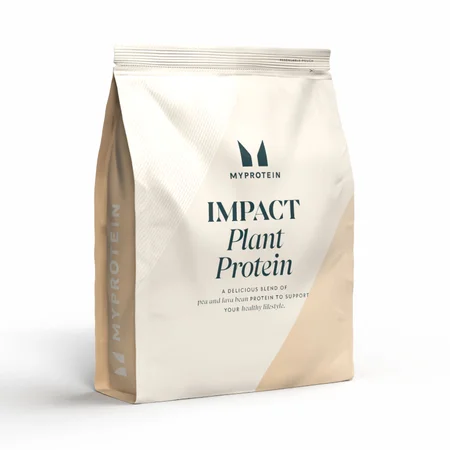
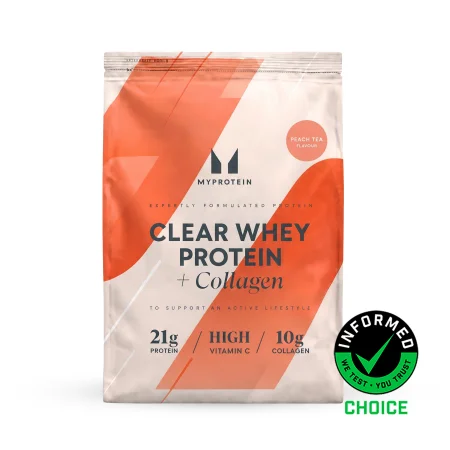
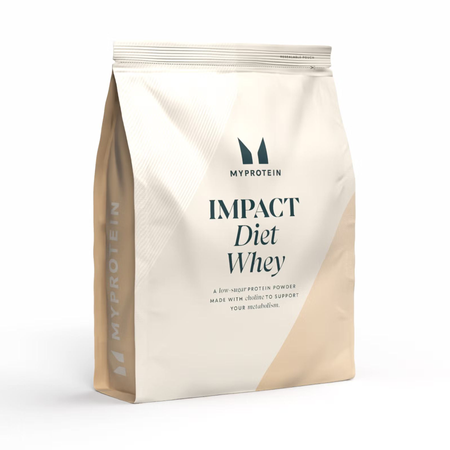
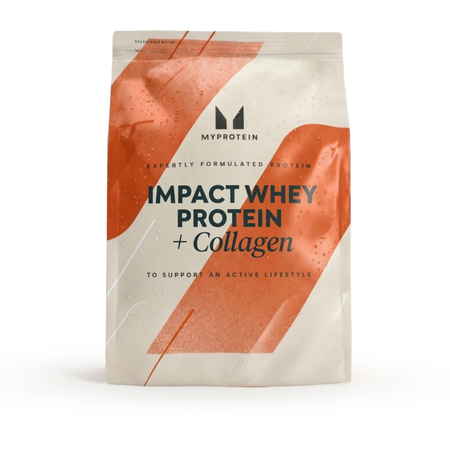
For fat loss: Use water or low-calorie mixers and look for a high-quality protein powder such as whey, isolate, or a whey and collagen blend — the latter also supports joints and connective tissue, which can be useful when increasing exercise intensity. For weight gain/bulking: Mix your powder with high-calorie liquids like whole milk, add nut butter and oats, or use a specific mass gainer blend to increase your total calorie intake and achieve a surplus.
Quick and nutritious breakfast protein shake recipes
Forget bland and watery shakes — these recipes transform your morning protein hit into a satisfying, flavourful start to the day. Experiment with adding leafy greens or fibre sources to boost the nutritional profile of any of these recipes.
1. Energy-boosting coffee and chocolate protein smoothie
Start your day with a caffeine hit and a substantial dose of protein. This creamy shake provides energy and long-lasting fullness, perfect for busy mornings.
- 200ml milk of your choice (dairy or alternative)
- 100ml iced black coffee
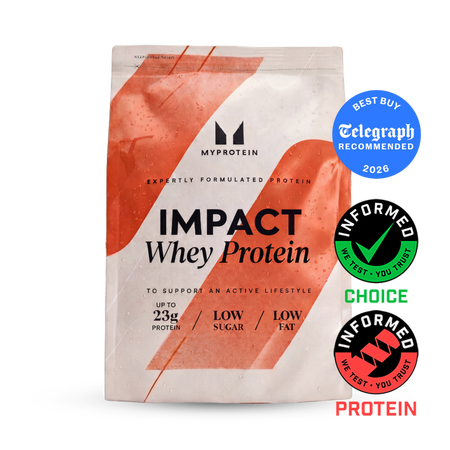
1 scoop Impact Whey Protein - Coffee or Chocolate Smooth - 100g frozen banana
- 1 tsp cocoa powder
1 tbsp Sugar-Free Syrup - Maple
- Add all ingredients to a blender.
- Blend until smooth and creamy.
Protein: approx 26g
2. Fibre-rich vanilla and raspberry shake
A bright, refreshing start packed with protein, fibre, and essential micronutrients. A great choice for supporting gut health and overall wellbeing.
- 250ml milk of your choice (dairy or alternative)
- 250ml water
3 scoops Impact Whey Protein - Vanilla and Raspberry - 50g fresh or frozen raspberries
- Combine all ingredients in a blender.
- Blend thoroughly until the raspberries are fully incorporated.
Protein: approx 39g
3. Refreshing antioxidant matcha smoothie
For a non-coffee-based energy boost, this green tea smoothie offers antioxidants and a vibrant, refreshing flavour profile. It's a great plant-based alternative to your morning brew.
1 scoop Impact Whey Protein - Matcha - 2 medium fresh peaches
- ½ thumb grated fresh ginger
- 75ml milk of your choice (dairy or alternative)
- Add the matcha whey, peaches, grated ginger, and milk to a blender.
- Blitz until the smoothie is completely smooth.
Protein: approx 24g
Frequently asked questions
Why is protein so important, specifically at breakfast?
Protein is essential at breakfast for two main reasons:
Stopping the fast and starting repair: After an overnight fast, your body is in a state where muscle breakdown exceeds muscle building. Consuming protein, rich in essential amino acids, triggers muscle protein synthesis (MPS), effectively shifting your body into a state of growth and repair. Satiety and energy: Protein is the most satiating macronutrient. A high-protein breakfast keeps you feeling fuller for longer, helping to prevent the mid-morning hunger and energy crash often caused by high-carb breakfasts.
Will a protein shake make me gain weight?
No, not by itself. Weight gain or loss is determined by your overall calorie intake versus your energy expenditure (calorie deficit is the most important factor for weight loss).
- If you use a shake to help you stay in a calorie deficit (eg, mixing with water), it will support fat loss.
If you use a shake to help you achieve a calorie surplus (eg, adding oats, nut butter, and whole milk for bulking), it will support weight gain.
Protein's role is to help you manage appetite and ensure you get the nutrients needed to maintain lean muscle mass during either process.
Is it better to have a protein shake or whole food for breakfast?
Both are excellent choices, but they serve different needs.
A protein shake offers convenience, fast absorption, and easy calorie control, making it great for busy mornings or efficiently hitting a protein target.
Whole foods (like eggs or Greek yoghurt with fruit) are naturally higher in fibre and a broader range of micronutrients, but typically require more prep time.
You can get the best of both by adding whole foods (like oats, seeds, and fruit) to your shake.
How many scoops of protein powder should I use?
1–2 scoops. This depends entirely on your goal, your body weight, and the protein content of your chosen powder:
General recommendation: A standard dose is 1–2 scoops to effectively stimulate MPS. Optimal dosing: Research suggests that for muscle support, consuming approximately 0.4g of protein per kilogram of body weight is ideal per major meal (eg, a 75kg person needs 30g).
Aim for at least 20g, but check the label on your specific product, as scoop size and protein concentration vary.
Can I use a protein shake as a meal replacement?
Yes, but only if you fortify it. A basic shake (powder and water or milk) is often just a high-protein supplement.
To make it a balanced meal replacement, ensure you add a source of:
Carbohydrates: Oats, banana, or frozen fruit. Healthy fats: Chia seeds, flaxseeds, or nut butter. Fibre and micronutrients: Spinach, kale, or a fibre supplement.
The goal is to provide a comprehensive mix of nutrients for sustained energy, not just protein.
Take home message
Choosing a protein shake for breakfast is a simple, effective, and convenient way to ensure you start your day correctly. It's far better for your goals than skipping the meal altogether or relying on worse alternatives like pastries or high-sugar cereals.
A high-protein breakfast supports appetite control, muscle maintenance, and provides sustained energy throughout the day. With a vast range of protein powders available — from classic whey and isolate to whey and collagen blends and vegan alternatives — it's easy to find the right option for your needs. Try experimenting with added fruits, spinach, or seeds to create your perfect morning shake.


References:
1. Megson, M., Wing, R., &Leahey, T. (2017). Effects of breakfast eating and eating frequency on body mass index and weight loss outcomes in adults enrolled in an obesity treatment program. Journal Of Behavioral Medicine, 40(4), 595-601. doi: 10.1007/s10865-017-9828-0
2. Zipp, A., &Eissing, G. (2018). Studies on the influence of breakfast on the mental performance of school children and adolescents. Journal Of Public Health, 27(1), 103-110. doi: 10.1007/s10389-018-0926-4
3.Kochman, J., Jakubczyk, K., Antoniewicz, J., Mruk, H., & Janda, K. (2021). Health benefits and chemical composition of matcha green tea: A review. Molecules, 26(1), 85.
3. Blom, W.,Lluch, A., Stafleu, A., Vinoy, S., Holst, J., Schaafsma, G., & Hendriks, H. (2006). Effect of a high-protein breakfast on the postprandial ghrelin response. The American Journal Of Clinical Nutrition, 83(2), 211-220. doi: 10.1093/ajcn/83.2.211
4. Salmon, J. (1991). Dietary Reference Values A Guide [Ebook] (1st ed., p. 15). London: HMSO: Crown. Retrieved fromhttps://assets.publishing.service.gov.uk/government/uploads/system/uploads/attachment_data/file/743790/Dietary_Reference_Values_-_A_Guide__1991_.pdf.
5. METTLER, S., MITCHELL, N., & TIPTON, K. (2010). Increased Protein Intake Reduces Lean Body Mass Loss during Weight Loss in Athletes. Medicine & ScienceIn Sports & Exercise, 42(2), 326-337. doi: 10.1249/mss.0b013e3181b2ef8e.
6. Mangano, K.,Sahni, S., Kiel, D., Tucker, K., Dufour, A., & Hannan, M. (2017). Dietary protein is associated with musculoskeletal health independently of dietary pattern: the Framingham Third Generation Study. The American Journal Of Clinical Nutrition, 105(3), 714-722. doi: 10.3945/ajcn.116.136762.
7. Aragon AA, Schoenfeld BJ, Wildman R, Kleiner S, VanDusseldorp T, Taylor L, Earnest CP, Arciero PJ, Wilborn C, Kalman DS, Stout JR, Willoughby DS, Campbell B, Arent SM, Bannock L, Smith-Ryan AE, Antonio J. International society of sports nutrition position stand: diets and body composition. J Int Soc Sports Nutr. 2017 Jun 14;14:16. doi: 10.1186/s12970-017-0174-y. PMID: 28630601; PMCID: PMC5470183.
8. Scientific Advisory Committeeon Nutrition(2015) Carbohydrates and Health.The Stationery Office. London. https://www.gov.uk/government/publications/sacn- carbohydrates-and-health-report