Iron is a mineral found naturally in many foods, added to some other foods and is also widely available in supplements. It is important we consume enough iron in our diets as it is involved in the production of haemoglobin and supports the transfer of oxygen through the body.1 It is also important for muscle metabolism and maintenance of healthy connective tissue. Healthy adult men need about 8.7mg of iron per day, while women of childbearing age need about 14.8mg.
Iron is found widely in both plant and animal foods. However, the types of iron contained in each differ. Plant- based foods contain only non-heme iron while animal foods contain both heme and non-heme iron.2 Of the two types, heme iron is more easily absorbed by the body. Here are 13 iron-rich foods you can include in your diet if you want to increase your iron consumption.
13 Foods High in Iron
Fortified Cereal
Breakfast cereals are popular foods that often have nutrients added to them through fortification. Because iron is such an essential nutrient, many breakfast cereals contain enough iron to reach the recommended daily intake, with corn flakes containing up to 19.4mg of iron per 100g.
Oysters
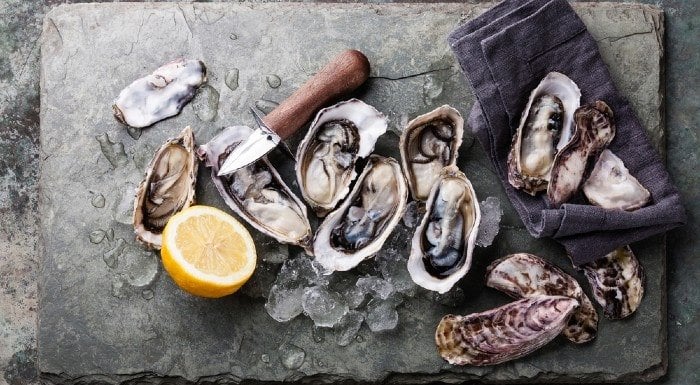
Oysters are very high in iron, containing 5.11mg per 100g. They are also high in vitamin B12, containing more than twice your daily needs. B12 is crucial for a healthy metabolism, and it can be difficult to get enough from common food sources.
Haricot Beans
Haricot beans contain up to 4.93mg of iron per 100g when cooked. Also a source of complex carbohydrates, protein and fibre, beans are a nutritional powerhouse and essential in many plant- based diets.
Dark Chocolate
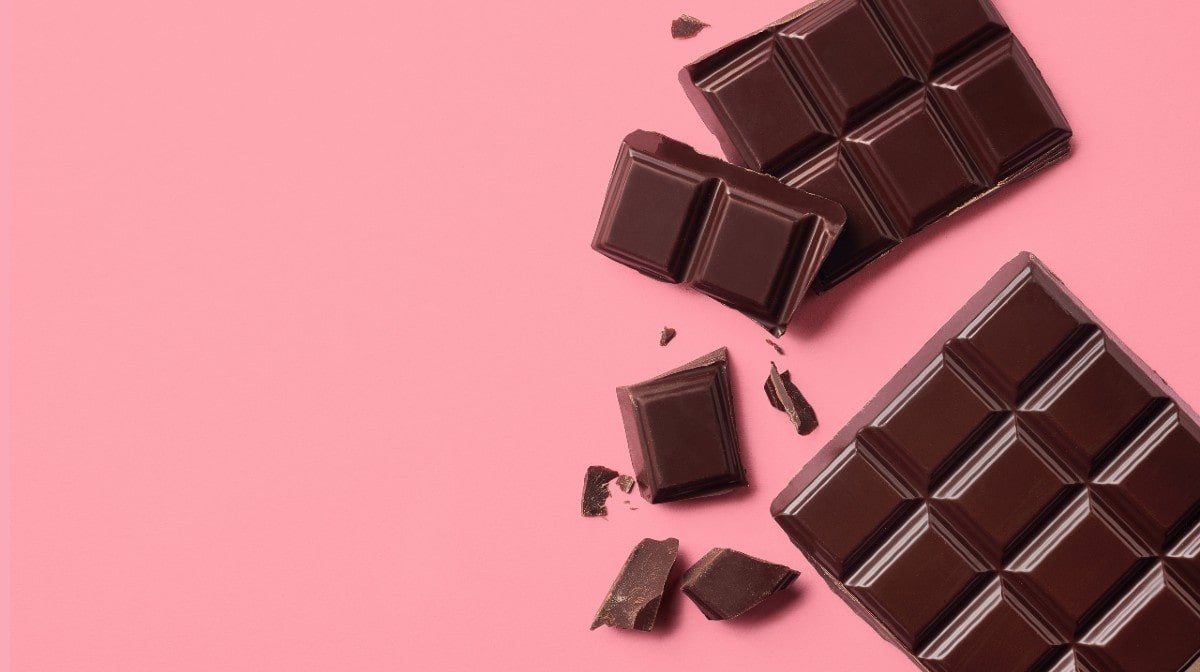
One of the more indulgent options to meet your daily iron intake, 100g of high-cocoa dark chocolate has 11.9mg of iron. Dark chocolate is also lower in fat and sugar than milk chocolate, making it surprisingly nutritious for a sweet treat.
Beef Liver
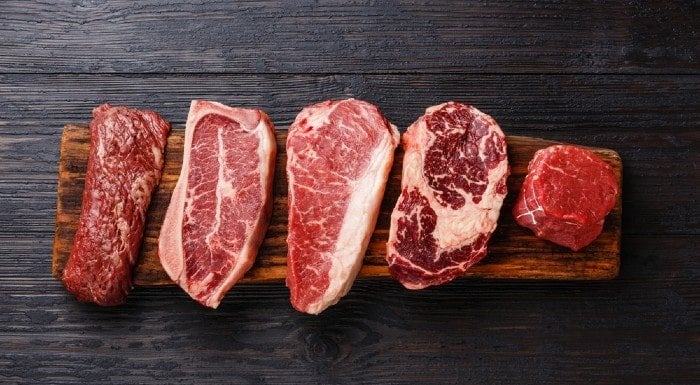
Beef liver is one of the foods highest in iron, with 4.9mg in 100g of beef liver — a significant contribution to the daily intake. With three times the amount of B12 needed in a day, as well as 20.4g of protein and plenty of vitamin A, beef liver is densely nutritious.
Lentils
If you follow a plant- based diet, cooked lentils are another iron-rich option with 3.3mg of iron per 100g serving. Lentils are also high in fibre, protein and potassium, as well as B6 to help support metabolism.
Spinach
The leafy greens of spinach are higher in iron than other greens like kale, contributing 3.6mg of iron in 100g of cooked spinach, and 100g of raw spinach contains about 2.7mg of iron. Spinach contains a lot of water, so it becomes more nutrient dense when this water evaporates during cooking. It is also a good source of antioxidants as well as many other vitamins.
Tofu
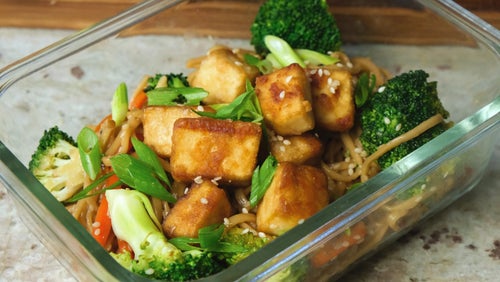
Tofu is a popular plant-based protein source, and it also contains 6mg of iron per 100g. With 10g of protein and only 85 calories, tofu is a good meat alternative to help hit your macros even if you aren’t a vegetarian or vegan.
Kidney Beans
Like haricot beans, kidney beans are another good source of iron for people following plant-based diets. With 2.9mg iron in 100g of kidney beans, you’ll also

Claire is a registered dietitian and a certified health and wellness coach. She holds a master's degree in Clinical Dietetics and Nutrition from the University of Pittsburgh. With a strong background in both nutrition and coaching, Claire is passionate about using her expertise to help others achieve their health goals. In addition to her professional work, she is a certified indoor cycling instructor who enjoys running and yoga. When she’s not keeping active, she loves to cook for her family and cheer on her favourite sports teams from her hometown of Pittsburgh.
References
- Abbaspour, N., Hurrell, R., & Kelishadi, R. (2014). Review on iron and its importance for human health. Journal of research in medical sciences: the official journal of Isfahan University of Medical Sciences, 19(2), 164.
- FAIRWEATHER-TAIT, S. J. (1989). Iron in food and its availability. Acta Paediatrica, 78, 12-20