
We've all been told to eat more fibre — but few of us actually hit the recommended 30g a day. In reality, dietary fibre is one of the most powerful tools we have for steady energy, easier weight management, and a resilient gut and immune system.
Put simply, dietary fibre is a type of carbohydrate found in plants that your body can't fully break down. Because it passes through you relatively untouched, it doesn't add calories — instead, it acts as a "workout" for your digestive system and a feast for your gut microbiome. Here's everything you need to know — including 28 high-fibre foods to help you close the fibre gap.
- What is dietary fibre?
- What are the benefits of dietary fibre?
- How much fibre do I need?
- 28 high-fibre foods
- FAQs

What exactly is dietary fibre?
Think of fibre as the structural "skeleton" of plants. You’ll find it in fruits, vegetables, whole grains, beans, and pulses. On a technical level, it's made up of compounds like inulin, lignin, and resistant starches.1
To keep things simple, we usually group fibre into two categories:
Soluble fibre: Dissolves in water to form a gel-like substance. It’s great for slowing down digestion (keeping you full) and managing cholesterol. Insoluble fibre: Doesn’t dissolve, but adds "bulk" to your food and helps everything move through your digestive system regularly.
The real-world benefits of a diet high in fibre
Fibre does a lot more than just "keep things moving." Here is how it impacts your daily health:
Crush cravings: Fibre slows the speed at which food leaves your stomach. This prevents blood sugar spikes and crashes, helping you stay satisfied for hours rather than reaching for a snack at 10am.1 Heart health: High-fibre intake (especially from oats and grains) is linked to better cholesterol levels and lower blood pressure.2,3 Weight management: Because high-fibre foods are often more voluminous but lower in calories, they help you feel physically full on less food.1,4 Immune support: Around 70% of your immune system lives in your gut. Soluble fibre feeds the "good" bacteria (bifidobacteria) that help your body fight off illness.5 Gut microbiome diversity: Fibre acts as the primary food source for your gut bacteria. A diet consistently high in fibre has been associated with a more diverse microbiome — which is linked to better digestion, stronger immunity, and improved mood.5
How much fibre do I need?
In the UK, the goal for most adults is 30g per day, though many of us currently only manage about 18g. This gap between recommended and actual intake — sometimes called the "fibre gap" — is exactly what the fibremaxxing trend is about: deliberately and consistently prioritising fibre across every meal to hit that 30g target.
Tip: If you're planning to increase your intake, do it gradually over two weeks and drink plenty of water. Jumping from 10g to 30g overnight can lead to some temporary bloating!
28 high-fibre foods to add to your shop
You don’t need fancy supplements to hit your goals. Here are 28 everyday staples that pack a punch: The Staples The Veg Drawer The Fruit Bowl Snacks & Seeds Oats & barley Broccoli & cauliflower Apples & pears Almonds & walnuts Brown rice Potatoes (keep the skins on!) Raspberries & blackberries Chia & flaxseeds Quinoa Brussels sprouts Bananas Popcorn (plain) Lentils & chickpeas Artichokes Oranges Pumpkin seeds Kidney beans Cabbage & celery Avocado Peanut butter

Common questions about fibre
Does cooking vegetables reduce their fibre content?
Generally, no. While cooking can change the type of fibre or make it softer, the total amount of fibre usually stays the same. Some vegetables (like carrots) actually provide more accessible nutrients when cooked.
Can I get enough fibre on a low-carb diet?
Yes, but make it a priority. Focus on leafy greens, cauliflower, chia seeds, and avocados, which provide high fibre with very few net carbs.
What is "resistant starch"?
This is a type of fibre that forms when foods like potatoes or rice are cooked and then cooled. It’s incredibly beneficial for gut health as it "resists" digestion and ferments in the large intestine.
What is fibremaxxing?
Fibremaxxing is the practice of deliberately prioritising high-fibre foods across every meal to consistently hit — or exceed — the recommended 30g daily target. It's less of a diet and more of a mindset shift: choosing wholegrain bread over white, leaving the skin on your potatoes, and adding beans or lentils wherever you can.
The science behind it is well established — the benefits of a high-fibre diet for gut health, weight management and a strong immune system are among the most consistently supported findings in nutritional research.
How does fibre support gut health?
A consistently high-fibre diet is associated with greater microbiome diversity, which is linked to better digestion, stronger immunity and improved mood.5
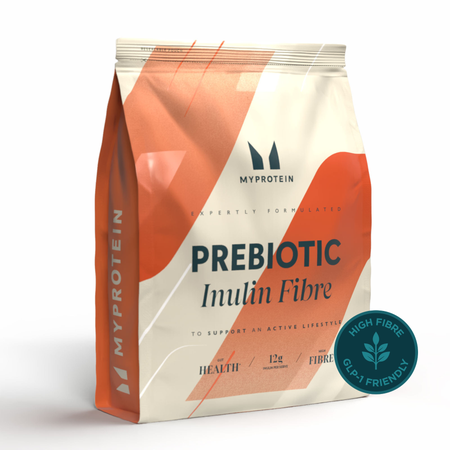
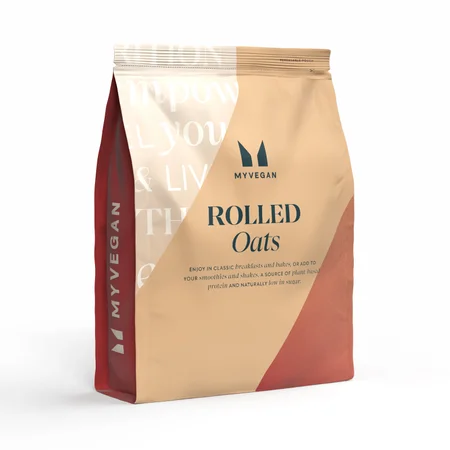
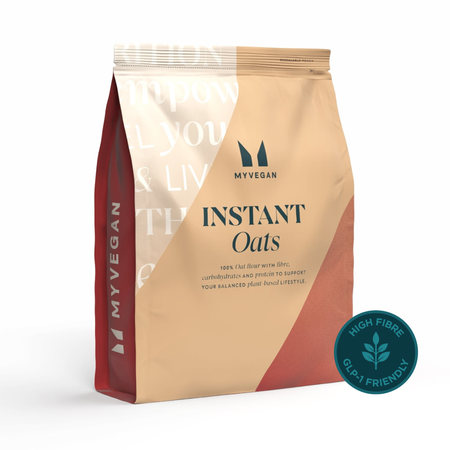
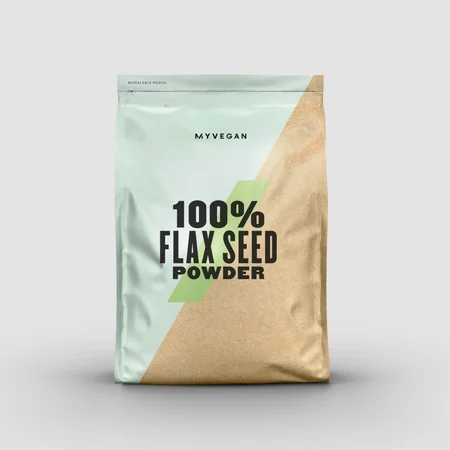
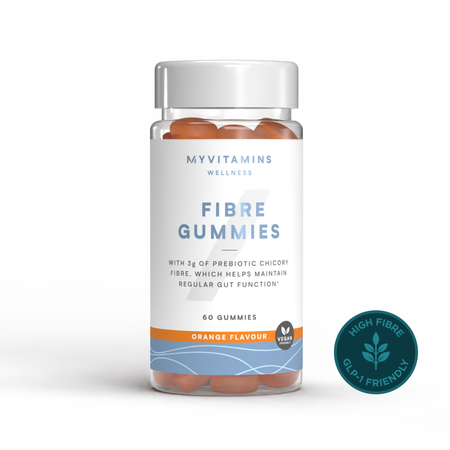
Can I use supplements to hit my 30g fibre target?
Take home message
Fibre isn't just a dietary "extra" — it’s a foundational part of feeling good. By swapping refined grains for whole versions and adding an extra handful of berries or beans to your meals, you can bridge the fibre gap and support your gut health with very little effort. Win, win.
READ THESE NEXT:

- Anderson, J. W., Baird, P., Davis, R. H., Ferreri, S., Knudtson, M., Koraym, A., … & Williams, C. L. (2009). Health benefits of dietary fiber. Nutrition reviews, 67(4), 188-205.
- Liu, S., Stampfer, M. J., Hu, F. B., Giovannucci, E., Rimm, E., Manson, J. E., … & Willett, W. C. (1999). Whole-grain consumption and risk of coronary heart disease: results from the Nurses’ Health Study. The American journal of clinical nutrition, 70(3), 412-419.
- Brown, L., Rosner, B., Willett, W. W., & Sacks, F. M. (1999). Cholesterol-lowering effects of dietary fiber: a meta-analysis. The American journal of clinical nutrition, 69(1), 30-42.
- Anderson JW . Dietary fiber and associated phytochemicals in prevention and reversal of diabetes. In: Pasupuleti VK Anderson JW, eds. Nutraceuticals, Glycemic Health and Type 2 Diabetes. Ames, Iowa: Blackwell Publishing Professional; 2008:111–142.
- Vos, A. P., M’rabet, L., Stahl, B., Boehm, G., & Garssen, J. (2007). Immune-modulatory effects and potential working mechanisms of orally applied nondigestible carbohydrates. Critical Reviews™ in Immunology, 27(2).
References: