If you have been prescribed a GLP-1 medication, you will already know how effectively it reduces appetite — but eating less creates its own nutritional challenge.
When your food intake drops, getting enough protein, vitamins and minerals from what remains on your plate becomes both harder and more important.
This guide is built around that challenge: how to fuel your body well on fewer calories, maintain muscle mass through smart food choices and exercise, and use supplements to fill the gaps.
Jump to:
The science of GLP-1 and appetite
To build an effective GLP-1 nutrition plan, it helps to understand how these medications interact with your body. Glucagon-like peptide-1 (GLP-1) is an incretin hormone naturally produced in the gut after eating, signalling to the brain that you are full and slowing down gastric emptying.1
How the medication works
GLP-1 receptor agonists mimic this natural hormone.1 They act on the GLP-1 receptors in the brain to process signals that reduce hunger.1
Delayed gastric emptying
One of the primary functions of these medications is slowing the rate at which food leaves your stomach,1 focusing on the "quality" of your intake becomes more important.
Prioritising nutrient-dense foods helps ensure your diet provides the essential nutrients your body requires to function optimally on fewer calories.
What is GLP-1 nutrition support?
Your GLP-1 nutrition plan should take a targeted approach to eating that accounts for a significantly reduced appetite.
While nutrient density is the priority, it is important to remember that flexibility is also fine; one single meal doesn't make or break your progress. The goal is a sustainable pattern that works for you.
Prioritising nutrient density
Nutrient density refers to the amount of vitamins, minerals, protein, fibre, healthy fats and complex carbohydrates relative to the calorie count of a food.
On a GLP-1 nutrition plan, you should aim for foods that offer the "most bang for your buck" to help support your overall health and wellbeing.
Small, frequent meals
Because your stomach empties more slowly, large traditional meals may cause discomfort or nausea. Some people may find success by grazing on four or five smaller, nutrient-packed portions throughout the day rather than sitting down to three large plates.
How to prevent muscle loss on GLP-1
A common concern for those on this journey is whether GLP-1 causes muscle loss. Research suggests that GLP-1 medications do not cause a disproportionate loss of muscle mass or function compared with other forms of weight loss.2
However, any rapid weight loss associated with a large calorie deficit can lead to some reduction in lean mass alongside fat loss, so it is worth actively taking steps to preserve it.
Why muscle mass matters
Beyond weight management, muscle is vital for structural support, protecting joints and maintaining bone density. Preserving it ensures you retain the mobility and physical independence essential for a high quality of life.3
Muscle is also metabolically active tissue, which means it requires more energy to maintain than fat.4 If you lose significant muscle mass, your body's daily calorie needs could decrease, potentially making long-term weight maintenance more challenging.5
The role of protein and amino acids
To protect your muscle mass, you need a steady supply of high-quality protein. This includes essential amino acids, particularly leucine, which triggers muscle protein synthesis.6
Ensuring your GLP-1 nutrition includes quality protein sources at every meal is the best way to protect your lean mass while weight loss occurs.
How much protein do I need on GLP-1?
The answer is likely more than you think. Because your total food intake is lower, the percentage of your calories coming from protein needs to increase to compensate.
Calculating your targets: A general recommendation for those undergoing significant weight loss is 1.2 to 2.0 grams of protein per kilogram of body weight per day.7 For someone weighing 80kg, this equates to roughly 96g to 160g of protein per day.
Why a protein shake is helpful
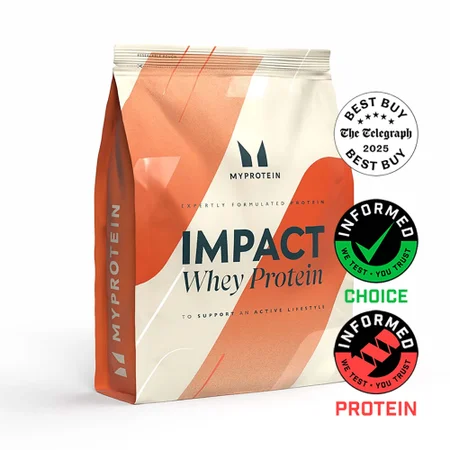
If solid food feels like a struggle, a protein shake is one of the simplest ways to keep your intake on track. Whey is the established choice — a fast-digesting, complete protein with the leucine content your muscles need.
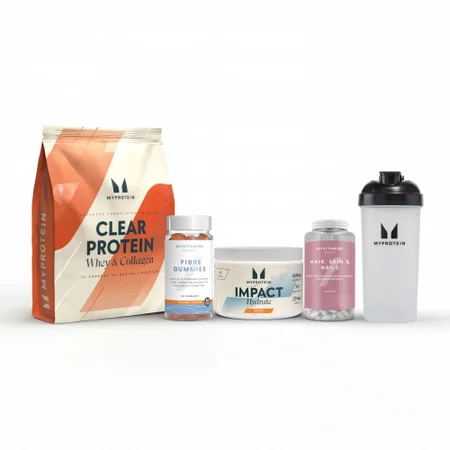
If you want broader benefits, a whey and collagen blend can also help support joints and connective tissue during a period of significant body change.
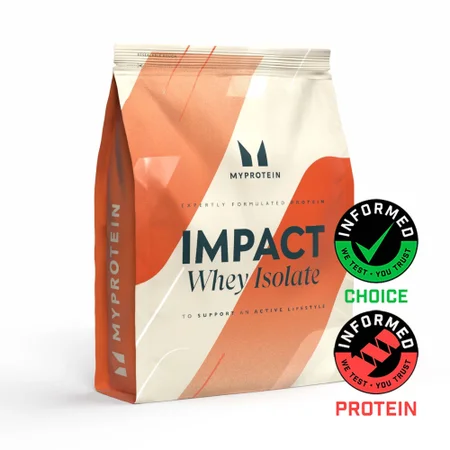
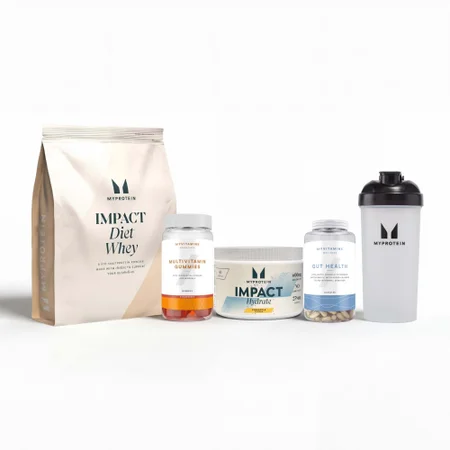
For those finding heavier shakes hard to stomach, try whey isolate or clear protein. Isolate is processed to strip out most fat and lactose, making it gentler on digestion.
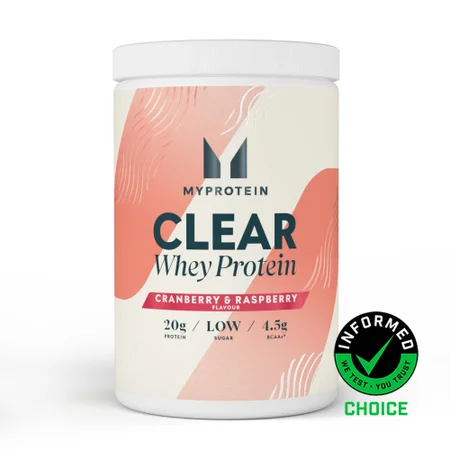
Clear protein takes a different approach altogether — a light, refreshing, juice-style drink that barely resembles a traditional shake, and possibly the easiest to stomach if nausea is a factor.


Foods that support GLP-1
Your food choices can determine how you feel throughout the day. Opting for nutrient-dense, whole foods helps prevent energy crashes that can sometimes occur when calories or carbohydrate intakes are low.
Lean proteins: Focus on sources that are low in saturated fat to support satiety and steady energy without digestive heaviness. Chicken, turkey, tuna, prawns, eggs and tofu are excellent choices. Complex carbohydrates: Your brain and muscles require glucose to function at their best. Choose slow-burning carbs like brown rice, lentils and berries, which provide fibre to help with digestion. Healthy fats: Fats are calorie-dense, but they are essential for hormone production and the absorption of fat-soluble vitamins A, D, E and K.8 A small serving of walnuts or a drizzle of extra virgin olive oil can provide essential fatty acids.
Example GLP-1 meal plan
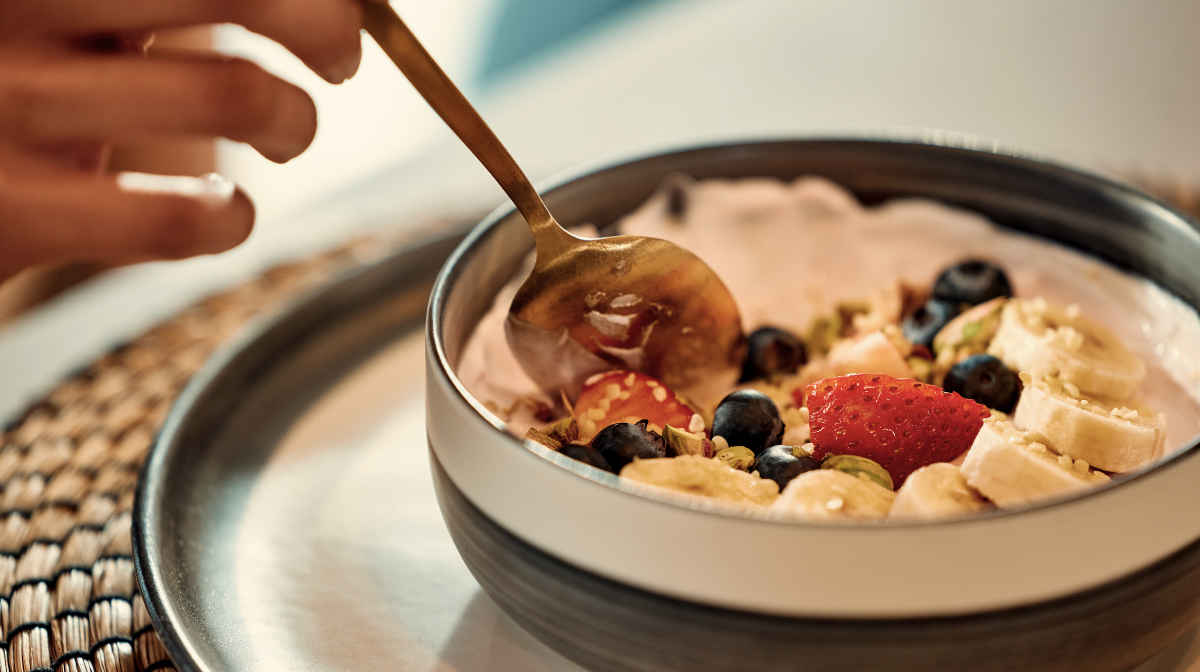
Breakfast: A small bowl of Greek yoghurt with blueberries and chia seeds, or an oat porridge with fruit for fibre and carbs. Mid-morning: A light protein shake to keep amino acid levels elevated. Lunch: A tuna or chickpea salad with a small portion of brown rice, leafy greens and a light lemon and olive oil dressing. Mid-afternoon: An apple with a teaspoon of peanut butter. Dinner: Grilled salmon with steamed asparagus and a small portion of quinoa.
Managing side effects through diet
Many users experience mild nausea or digestive changes when starting or increasing their dose. Your nutrition plan is your first line of defence; choosing the right textures and temperatures can help reduce discomfort.
Combatting nausea: If you feel nauseous, blander, "cold" foods with less aroma might help.9 Ginger tea, peppermint, and staying upright after eating can also help manage the sensation of slow digestion. Avoiding trigger foods: High-fat, greasy, or sugary foods are the most likely to cause issues. Because these foods take even longer to digest, they can sit in the stomach and cause reflux or bloating.
Strength training and exercise on GLP-1
Can you exercise on GLP-1? Not only can you, but you should. It is a powerful tool, alongside consuming enough protein, to help your body remain strong and functional as you lose weight.
The power of weight training
Weight training provides the "stress" required to tell your body that its muscle tissue is still needed. Even two full-body sessions a week using dumbbells or resistance bands can make a big difference in your body composition.
Progressive overload
Try to gradually increase the weight or repetitions you perform. Resistance training on GLP-1 means challenging your muscles enough to maintain their strength.
NEAT: non-exercise activity thermogenesis
Don't underestimate the power of keeping busy. NEAT includes all the daily activities you do outside of structured exercise, eating and sleeping — like housework, gardening, or taking the stairs.10
Increasing your daily activity levels is a low-stress way to burn extra energy without significantly increasing hunger.
Best supplements and vitamins for GLP-1
While a food-first approach is always the priority, GLP-1 support supplements can be helpful when food volume decreases.
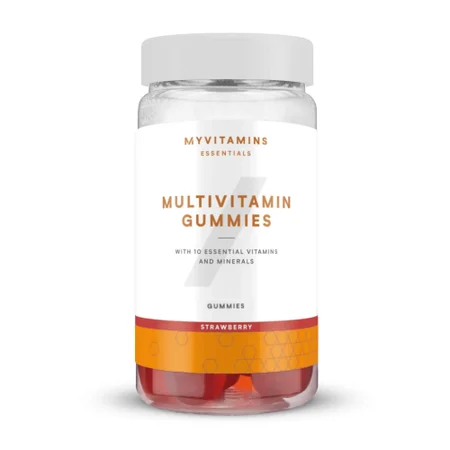
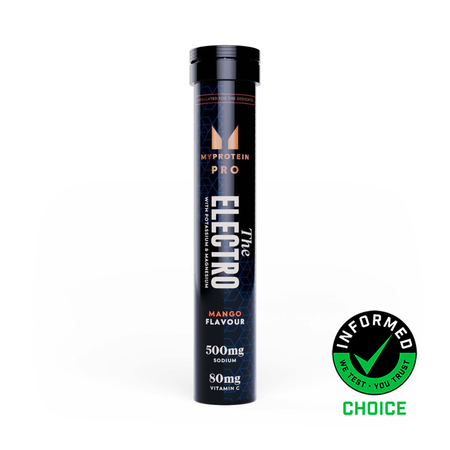
Micronutrients: A high-quality multivitamin supplement can help cover nutrient gaps. Pay particular attention to vitamin B12, as it plays a key role in energy production.11 Digestive support: Fibre is essential for gut health. A gentle fibre supplement could help maintain regularity, which is a common concern with slowed gastric emptying. Electrolytes: Your thirst cues may be affected, so you should actively hydrate to meet the NHS's recommendation of 6 to 8 cups of fluid a day.12,13 A reduced water intake may also mean an electrolyte supplement may be helpful to prevent headaches, muscle cramps and "brain fog" potentially caused by mineral imbalances.14
Deciphering UK food labels on GLP-1
When you are out shopping in the UK, the "traffic light" labelling system is your best friend. Being a savvy label reader can help you avoid hidden ingredients that might trigger digestive upset.
Understanding the traffic lights
For those on GLP-1, you should generally aim for "green" or "amber" in the saturates and sugars columns. High-fat (red) foods can stay in your stomach longer due to the medication, which might lead to nausea or reflux.
Long-term success and maintenance
The ultimate goal on GLP-1 medications is to achieve a healthier weight and maintain it by transitioning to a "lifestyle" mindset.
Transitioning your nutrition: As you reach your target weight, your plan may shift toward weight maintenance by slowly increasing calories to match your energy needs, while keeping the focus on high protein and whole foods. Building sustainable habits: The habits you build now — prioritising balanced nutrition, resistance training and staying hydrated — are what will keep you successful for the months to come, even if you do not remain on the medication indefinitely.
FAQs
Can you build muscle while on GLP-1? Yes. Provided you consume enough protein and engage in progressive weight training, it is possible. While in a large deficit, you are primarily "preserving" muscle, but beginners or those returning to exercise may see muscle growth.
Why does GLP-1 cause muscle loss? It is a misconception that the medication directly attacks muscle. However, any rapid weight loss — whether supported by GLP-1 or not — can result in some loss of lean mass along with fat. You can help to counteract this by prioritising protein and resistance exercise.
What is the best protein shake for GLP-1 users? Usually, a whey isolate or clear whey. These are processed to remove most lactose and fat, making them easier on a stomach that is digesting slowly.
Can I drink alcohol on GLP-1? Many report reduced cravings for alcohol.15 If you do drink, opt for lower-sugar options, or try having a non-alcoholic drink between every alcoholic one, or simply reduce your total intake.
Take home message
Navigating your journey with GLP-1 is a marathon, not a sprint. By focusing on a nutrient-dense, high-protein nutrition plan, incorporating resistance training, and taking a food-first approach to vitamins, you are setting yourself up for sustainable success.

Strength Training on GLP-1: Why It’s Essential
Maintain your muscle and health while losing body fat...
GLP-1 Side Effects: Nutritionist Tips for Managing Discomfort
A few proactive changes can really make the difference...


- Collins, L., & Costello, R. A. (2024). Glucagon-Like Peptide-1 Receptor Agonists. In StatPearls. StatPearls Publishing.
- Langer, H. T., Gilmore, N. K., Hayden, C. M. T., Roux, J., Bariohay, B., Rouquet, T., Awada, M., Marcotorchino, J., Bournot, L., Nunn, E., Titchenell, P. M., Liskiewicz, D., Müller, T. D., Anyiam, O., Atherton, P. J., Idris, I., Hentschel, A., Roos, A., Haritonow, N., Norman, K., … Baar, K. (2026). Weight loss with GLP-1 medicines does not result in a disproportionate loss of muscle mass or function in obese mice and humans. Cell reports. Medicine, 7(3), 102665. https://doi.org/10.1016/j.xcrm.2026.102665
- Riviati, N., Darma, S., Reagan, M., Iman, M. B., Syafira, F., & Indra, B. (2025). Relationship between Muscle Mass and Muscle Strength with Bone Density in Older Adults: A Systematic Review. Annals of geriatric medicine and research, 29(1), 1–14. https://doi.org/10.4235/agmr.24.0113
- Wang, Z., Ying, Z., Bosy-Westphal, A., Zhang, J., Heller, M., Later, W., Heymsfield, S. B., & Müller, M. J. (2011). Evaluation of specific metabolic rates of major organs and tissues: comparison between men and women. American journal of human biology : the official journal of the Human Biology Council, 23(3), 333–338. https://doi.org/10.1002/ajhb.21137
- Yates, T., Biddle, G. J. H., Henson, J., Edwardson, C. L., Arsenyadis, F., Goff, L. M., Papamargaritis, D., Webb, D. R., Khunti, K., & Davies, M. J. (2024). Impact of weight loss and weight gain trajectories on body composition in a population at high risk of type 2 diabetes: A prospective cohort analysis. Diabetes, obesity & metabolism, 26(3), 1008–1015. https://doi.org/10.1111/dom.15400
- Jäger, R., Kerksick, C. M., Campbell, B. I., Cribb, P. J., Wells, S. D., Skwiat, T. M., Purpura, M., Ziegenfuss, T. N., Ferrando, A. A., Arent, S. M., Smith-Ryan, A. E., Stout, J. R., Arciero, P. J., Ormsbee, M. J., Taylor, L. W., Wilborn, C. D., Kalman, D. S., Kreider, R. B., Willoughby, D. S., Hoffman, J. R., … Antonio, J. (2017). International Society of Sports Nutrition Position Stand: protein and exercise. Journal of the International Society of Sports Nutrition, 14, 20. https://doi.org/10.1186/s12970-017-0177-8
- Johnson, B., Milstead, M., Thomas, O., McGlasson, T., Green, L., Kreider, R., & Jones, R. (2025). Investigating nutrient intake during use of glucagon-like peptide-1 receptor agonist: a cross-sectional study. Frontiers in nutrition, 12, 1566498. https://doi.org/10.3389/fnut.2025.1566498
- Stevens S. L. (2021). Fat-Soluble Vitamins. The Nursing clinics of North America, 56(1), 33–45. https://doi.org/10.1016/j.cnur.2020.10.003
- Rondanelli, M., Perna, S., Cattaneo, C., Gasparri, C., Barrile, G. C., Moroni, A., Minonne, L., Lazzarotti, A., Mansueto, F., & Mazzola, G. (2025). A Food Pyramid and Nutritional Strategies for Managing Nausea and Vomiting During Pregnancy: A Systematic Review. Foods (Basel, Switzerland), 14(3), 373. https://doi.org/10.3390/foods14030373
- Levine J. A. (2002). Non-exercise activity thermogenesis (NEAT). Best practice & research. Clinical endocrinology & metabolism, 16(4), 679–702. https://doi.org/10.1053/beem.2002.0227
- O’Leary, F., & Samman, S. (2010). Vitamin B12 in health and disease. Nutrients, 2(3), 299–316. https://doi.org/10.3390/nu2030299
- McKay, N. J., Kanoski, S. E., Hayes, M. R., & Daniels, D. (2011). Glucagon-like peptide-1 receptor agonists suppress water intake independent of effects on food intake. American journal of physiology. Regulatory, integrative and comparative physiology, 301(6), R1755–R1764. https://doi.org/10.1152/ajpregu.00472.2011
- National Health Service. (n.d.). Water, drinks and hydration. https://www.nhs.uk/live-well/eat-well/food-guidelines-and-food-labels/water-drinks-nutrition/
- Shrimanker, I., & Bhattarai, S. (2023). Electrolytes. In StatPearls. StatPearls Publishing.
- Amorim Moreira Alves, G., Teranishi, M., Teixeira de Castro Gonçalves Ortega, A. C., James, F., & Perera Molligoda Arachchige, A. S. (2025). Mechanisms of GLP-1 in Modulating Craving and Addiction: Neurobiological and Translational Insights. Medical sciences (Basel, Switzerland), 13(3), 136. https://doi.org/10.3390/medsci13030136
References: