
Starting a weight loss journey with medication is a big step, and getting through the initial adjustment period can be challenging.
Here are some practical tips for managing the most common side effects to help you feel your best and on the way to long-term success.
The most common GLP-1 side effects explained
When you begin using GLP-1 medication to support weight loss, your body undergoes a significant shift. These medications work by mimicking a natural hormone that slows gastric emptying and signals fullness to the brain.
Because digestion slows down, it is common to experience gastrointestinal changes during the first few weeks.1,2 Understanding the common side effects of GLP-1 allows you to prepare your kitchen and your routine to manage them effectively.
It’s important to note that the frequency and severity of side effects can vary depending on the specific medication you have been prescribed, as well as the dose you are on.
Some of the most frequently reported experiences include:
Nausea: This often occurs shortly after eating or when a dose is increased, caused by food staying in the stomach longer. Fatigue: A significant drop in calorie intake can lead to tiredness as the body adapts to using fat stores for fuel. Early satiety: You may feel "over-full" after only a few bites, which can make hitting protein targets a challenge. Changes in bowel habits: Some users experience constipation due to slower digestion, while others may face bouts of diarrhoea as the gut adjusts. Heartburn and reflux: Slower gastric emptying can cause stomach acid to back up, especially after eating high-fat meals.

How to reduce GLP-1 side effects through your diet
The way you eat can significantly influence how your body reacts to the medication. Following a specific GLP-1 nutrition plan is often the most effective way to minimise discomfort.
The medication slows down the movement of food through your stomach, so large, heavy meals can linger too long. This often leads to the sensation of nausea or indigestion that many users report.
Eat smaller portions: Break your daily intake into five or six small snacks rather than three large meals. Chew thoroughly: Starting the digestive process in the mouth reduces the workload on your stomach. Stop before you are full: Learn to recognise the "soft full" signal, as the medication delay means your brain takes longer to register satiety.
GLP-1 nutrition support: what to eat for comfort
Choosing the right foods that support GLP-1 therapy can make a world of difference. High-fat, greasy or heavily spicy foods are the most common triggers for digestive upset.
Instead, prioritise foods that are nutrient-dense that won’t overwhelm system. Cold foods, such as smoothies or chilled chicken salads, are often better tolerated if you are experiencing a heightened sensitivity to food smells.
Lean proteins: Chicken, white fish and tofu are excellent choices for GLP-1 nutrition support. Prioritising high-quality proteins like these also helps to preserve muscle during weight loss. Low-aroma foods: Blander choices like rice, oats and bananas can be easier on the stomach during dose adjustments. Ginger and peppermint: Natural aromatics can help settle the stomach and reduce the sensation of nausea.3

The importance of hydration and electrolytes
Dehydration is a sneaky contributor to many common side effects, including headaches and fatigue. Because the medication can dampen your natural thirst cues, you must be active about your fluid intake.4
When you lose weight quickly, your body also loses water and essential minerals. This can lead to an electrolyte imbalance, which may manifest as muscle cramps or a "brain fog" feeling.
Sip throughout the day: Avoid "chugging" large amounts of water, which can contribute to a feeling of bloating. Focus on electrolytes: Adding an electrolyte supplement to your water helps replenish essential minerals such as sodium, potassium and magnesium. Watch for signs: If you feel dizzy or have a dry mouth, increase your fluid intake immediately.
GLP-1 vitamin support: combatting fatigue and brain fog
A common side effect of a reduced calorie intake is a temporary dip in energy. Providing your body with targeted GLP-1 vitamin support ensures your metabolism has the tools it needs to function.
B vitamins, particularly B12, are essential for energy production and neurological health.5 When food volume is low, it can be difficult to get enough of these from diet alone.
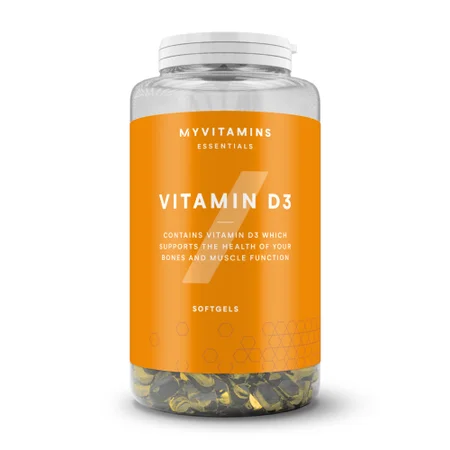
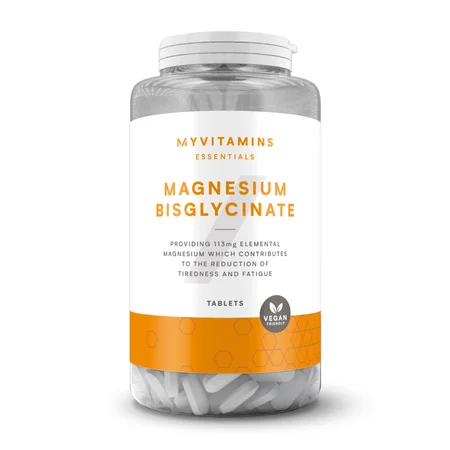
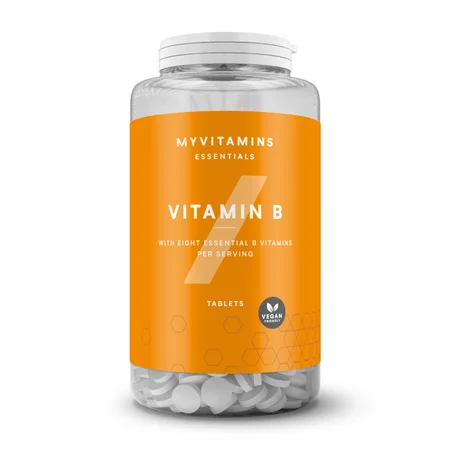
Vitamin B complex: Supports energy levels and reduces feelings of tiredness and fatigue.6 Vitamin D: Essential for immune health and bone density during weight loss.7 Magnesium: Helps with muscle relaxation and supports a better night’s sleep, which is vital for recovery.8
Preventing GLP-1 muscle loss and supporting strength
While the goal is fat loss, a significant side effect of rapid weight reduction can be muscle loss. Protecting your lean mass is essential for keeping your metabolism strong and your body capable.
Muscle loss is a common risk when calories are restricted quickly.9 To counteract this, you must prioritise protein and resistance exercise.
Prioritise protein: Aim for a high-protein intake of somewhere between 20-30g at every meal to signal muscle preservation.10 Resistance training: Lifting weights or using resistance bands tells your body to keep its muscle tissue. Best protein shake for GLP-1: Using a clear whey or isolate provides the amino acids you need without the heaviness of a thick shake.
Best supplements for GLP-1 side effect management
Supplements can act as a safety net while your appetite is low, complementing your whole-food intake to cover nutritional gaps.
Additionally, high-quality protein powders are an efficient way to hit your targets when solid food feel less unappealing.
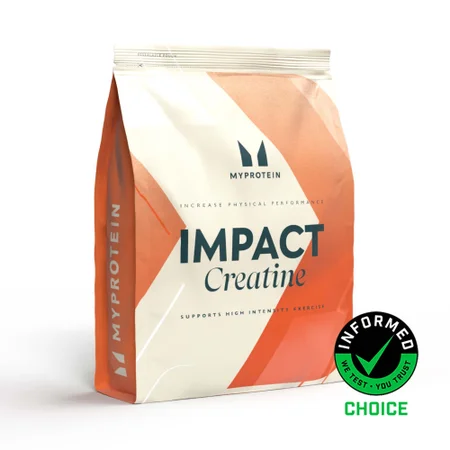
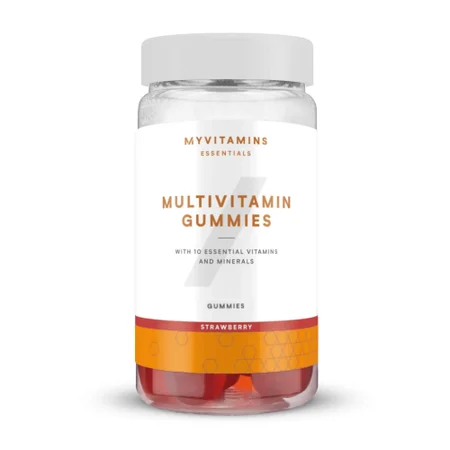
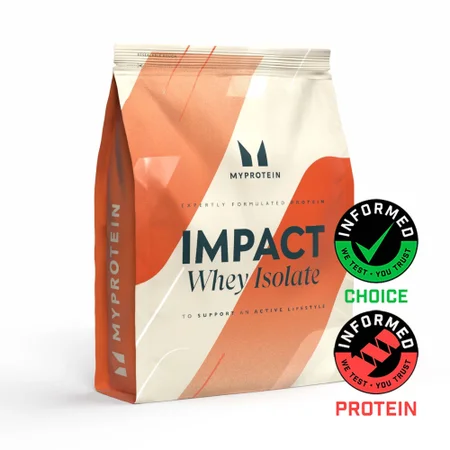
Whey isolate: Provides high-quality protein that is easy to digest and low in lactose.11 Creatine monohydrate: Supports strength and muscle maintenance during a calorie deficit.12 Multivitamins: A daily insurance policy to ensure you meet your micronutrient requirements.
The "food noise" factor: navigating new hunger cues
One of the biggest changes users report is the reduction of "food noise" — the intrusive, constant thoughts about eating. While this is a primary benefit for weight management, it can also become a side effect if it leads to accidental undereating.
When you no longer feel the biological drive to eat, it is easy to skip meals entirely. Sometimes, this can lead to a sudden "crash" in blood sugar, resulting in irritability, dizziness, or intense fatigue later in the day.
Your GLP-1 nutrition plan should rely on a schedule rather than just hunger cues. Setting reminders to eat small, protein-rich snacks ensures your body has a steady stream of amino acids and energy to support your daily activities.
Learning to eat "logically" rather than "emotionally" is a skill that takes time to develop. Use this period to build a new relationship with food where nutrition is viewed as vital fuel for your muscles and brain.
Optimising bone density and joint health
A less discussed side effect of rapid weight loss is the potential impact on bone mineral density. When the body loses weight quickly, the mechanical load on the bones changes, and the body may reduce bone-building activity if nutrients are scarce.
Ensuring your diet includes plenty of calcium and vitamin K2 is vital.13 These nutrients work alongside vitamin D to ensure that your bones remain strong even as your body mass decreases.14
Furthermore, as you lose weight, your joints will experience less stress, but they still require nutritional support to maintain cartilage health. Omega-3 fatty acids are excellent for reducing systemic inflammation and supporting joint mobility during your new exercise routine.15
The psychological shift: redefining your relationship with food
The side effects of GLP-1 medications are not just physical; there is a significant psychological component to losing your appetite. For many, food is a source of comfort and a social focal point, and its sudden absence can feel jarring.
You might experience "social side effects," such as feeling out of place at dinner parties or struggling to enjoy a meal when you aren't hungry. Managing this requires a shift in focus from the quantity of food to the quality of the company and the experience.
Focus on victories such as improved energy levels, better sleep, or the ability to walk further. These mental milestones help reinforce the positive aspects of the medication while you manage the physical adjustments.
When to adjust your GLP-1 nutrition plan
Your nutritional needs will change as you progress through different dosages and stages of weight loss. It is important to stay flexible and listen to your body’s signals.
If you find that your energy is consistently low, you may need to slightly increase your intake of complex carbohydrates. If digestive issues persist, look at the timing of your meals and the fibre content of your diet.
Track your protein: Ensure you aren't accidentally dipping below your requirements as your appetite changes. Monitor your energy: Note down when you feel most tired to see if it correlates with your meal timing. Stay patient: Most side effects are temporary and subside as your body reaches a steady state with the medication.
FAQs: managing your GLP-1 journey
How to reduce GLP-1 side effects quickly?
The fastest way to manage nausea is to reduce meal sizes and avoid high-fat or sugary foods. Staying hydrated with electrolytes also helps reduce headaches and fatigue associated with the medication.
Can you exercise on GLP-1?
Yes, you can and should exercise. Strength training on GLP-1 is one of the best ways to protect against GLP-1 muscle loss and keep your metabolism healthy.
What is the best protein shake for GLP-1?
A whey isolate or clear whey is generally the best protein shake for GLP-1 because they are light, easy to digest, and provide a high concentration of essential amino acids.
Why does GLP-1 cause muscle loss?
The medication itself doesn't cause muscle loss, but a rapid calorie deficit can do. Without enough protein and resistance training, the body may break down muscle for energy.
How much protein do I need on GLP-1?
Aiming for 1.2g to 1.5g of protein per kilogram of body weight should be enough to preserve lean mass during weight loss.16
Does GLP-1 cause muscle loss in everyone?
Not necessarily. Muscle loss can be minimised or prevented by following a structured GLP-1 nutrition plan that prioritises protein and includes regular weight training.
Take home message
Managing the side effects of GLP-1 medications doesn’t have to be complicated. With a few smart nutrition choices, like eating smaller, protein-focused meals and staying on top of hydration, many people find they can feel more comfortable and energised as their body adapts.
Remember to prioritise hydration, keep up with your strength training, and choose nutrient-dense foods. Protecting your muscle and your energy levels today ensures a healthier, more sustainable transformation for the future.

GLP-1 Nutrition Guide: What to Eat on Mounjaro, Ozempic & Wegovy
Food choices are key to maximising weight loss, preserving muscle, and maintaini...



- Osei, S. P., Akomaning, E., Florut, T. F., Sodhi, M., Lacy, B. E., Aldhaleei, W. A., … & others. (2024). Gastrointestinal safety assessment of GLP-1 receptor agonists in the US: A real-world adverse events analysis from the FAERS database. Diagnostics, 14(24), 2829. https://doi.org/10.3390/diagnostics14242829
- Ghusn, W., De la Rosa, A., Sacoto, D., Cifuentes, L., Campos, A., Feris, F., … & others. (2022). Weight loss outcomes associated with semaglutide treatment for patients with overweight or obesity. JAMA Network Open, 5(9), e2231982. https://doi.org/10.1001/jamanetworkopen.2022.31982
- Schulz, R. M., Ahuja, N. K., & Slavin, J. L. (2022). Effectiveness of nutritional ingredients on upper gastrointestinal conditions and symptoms: A narrative review. Nutrients, 14(3), 672. https://doi.org/10.3390/nu14030672
- He, L., Li, Q., Yang, Y., Li, J., Luo, W., Huang, Y., & Zhong, X. (2024). Pharmacovigilance study of GLP-1 receptor agonists for metabolic and nutritional adverse events. Frontiers in Pharmacology, 15, 1416985. https://doi.org/10.3389/fphar.2024.1416985
- Kennedy, D. O. (2016). B vitamins and the brain: Mechanisms, dose and efficacy—A review. Nutrients, 8(2), 68. https://doi.org/10.3390/nu8020068
- Schellack, G., Harirari, P., & Schellack, N. (2019). Vitamin B-complex deficiency, supplementation and management. SA Pharmaceutical Journal, 86(3), 23-29.
- Hossein-nezhad, A., & Holick, M. F. (2013). Vitamin D for health: A global perspective. Mayo Clinic Proceedings, 88(7), 720-755. https://doi.org/10.1016/j.mayocp.2013.05.011
- De Baaij, J. H., Hoenderop, J. G., & Bindels, R. J. (2015). Magnesium in man: Implications for health and disease. Physiological Reviews, 95(1), 1-46. https://doi.org/10.1152/physrev.00012.2014
- Anyiam, A., Ardavani, A., Rashid, M., Panesar, K., & Idris, I. (2025). How do glucagon-like peptide-1 receptor agonists affect measures of muscle mass in individuals with, and without, type 2 diabetes: A systematic review and meta-analysis. Obesity Reviews. https://doi.org/10.1111/obr.13824
- Schoenfeld, B. J., & Aragon, A. A. (2018). How much protein can the body use in a single meal for muscle-building? Implications for daily protein distribution. Journal of the International Society of Sports Nutrition, 15(1), 10. https://doi.org/10.1186/s12970-018-0215-1
- Solak, B. B., & Akin, N. (2012). Health benefits of whey protein: A review. Journal of Food Science and Engineering, 2(3), 129-137.
- Kreider, R. B., & Stout, J. R. (2021). Creatine in health and disease. Nutrients, 13(2), 447. https://doi.org/10.3390/nu13020447
- Thomas, S., Browne, H., Mobasheri, A., & Rayman, M. P. (2018). What is the evidence for a role for diet and nutrition in osteoarthritis? Rheumatology, 57(suppl_4), iv61–iv74. https://doi.org/10.1093/rheumatology/key011
- Burns-Whitmore, B., Froyen, E. B., & Isom, K. A. (2024). Vitamin D and calcium—Review of metabolism and co-supplementation. Dietetics, 3(4), 588–608. https://doi.org/10.3390/dietetics3040041
- Dou, Y., Wu, M., Lu, S., Xu, S., Liu, S., & Li, C. (2022). Effect of n-3 polyunsaturated fatty acid on bone health. Food Science & Nutrition, 10(1), 145–154. https://doi.org/10.1002/fsn3.2656
- Jäger, R., Kerksick, C. M., Campbell, B. I., Cribb, P. J., Wells, S. D., Skwiat, T. M., … & Antonio, J. (2017). International Society of Sports Nutrition Position Stand: Protein and exercise. Journal of the International Society of Sports Nutrition, 14(1), 20. https://doi.org/10.1186/s12970-017-0177-8
References: