There's a lot of confusing information out there about how to take creatine: how much to take, when to take it, whether to load, and how long you can keep taking it. Let's get into it with some straightforward, evidence-based answers.
Jump to:
How much creatine should you take?
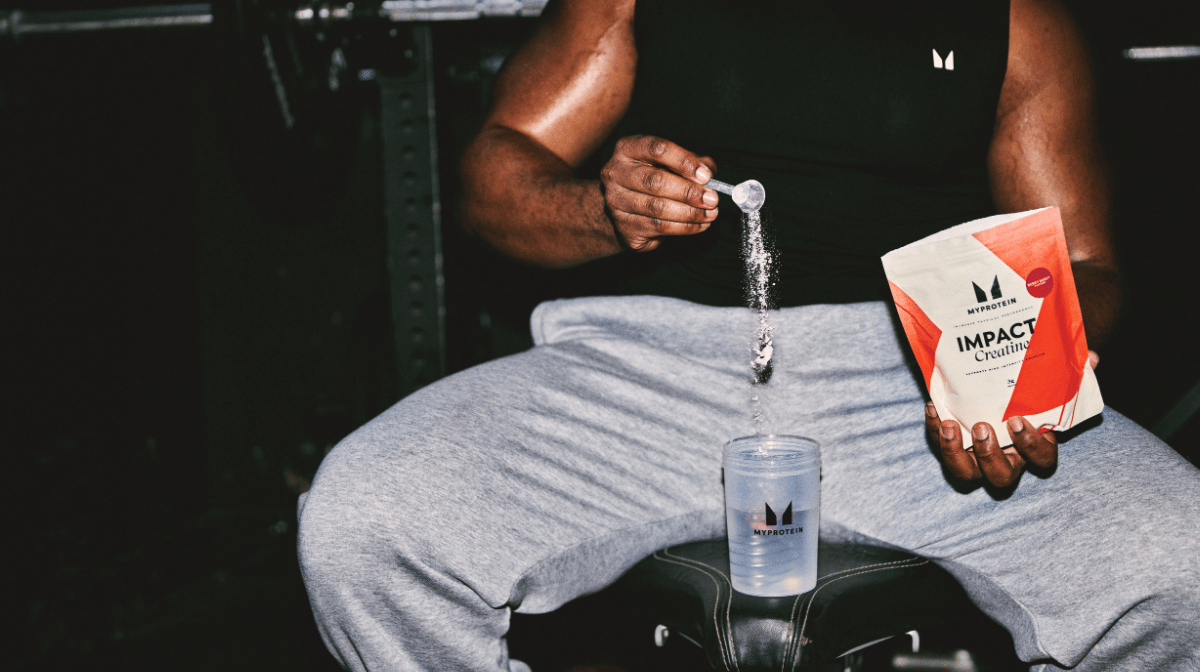
The straightforward answer is 3-5g per day. Most packs of creatine powder come with a mini scoop that measures out around 5g, and one scoop a day is all most people need.
That said, bigger and more muscular individuals who are also very active may benefit from a slightly higher dose, up to 10g a day. This is perfectly safe, and your body will excrete whatever it doesn't need, so there's no cause for concern about taking too much.
The goal of supplementing with creatine is to build up the amount stored in your muscles until they're fully saturated, and then maintain that level. That's the point at which you'll get the most performance-enhancing effects.
The creatine loading phase
At 3-5g per day, it can take up to four weeks to fully saturate your muscles. If you want to speed that up, you can do a loading phase.
Loading simply means taking a higher dose, typically 20g per day for one week, to fill your muscle stores quickly before dropping back down to 3-5g per day to maintain that level.
You don't need to load. But if you want to start seeing performance results sooner, it's an effective way to get there faster.
- Loading dose: 20g per day (typically split into four 5g doses) for 5-7 days.
- Maintenance dose: 3-5g per day.
- Without loading: 3-5g per day, with full saturation taking up to four weeks.

Creatine Loading Or Cycling? And How Much Per Day?
There are more approaches to creatine loading and cycling than you think....
When should you take creatine?
Timing doesn't matter much. The most important thing is that you take creatine consistently, every day, as that's what keeps your muscles saturated.
It doesn't matter whether you take it before or after a workout, and it won't give you any kind of pre-workout boost. Just take it at whatever time of day works best for you and stick to it.
Creatine side effects
Creatine is an incredibly safe supplement, but a couple of things are worth knowing about.
Digestive discomfort
Some people report digestive discomfort when taking creatine, though there isn't much clinical evidence to support this as a common effect. If you do notice it, two things may help:
- Take creatine with a meal rather than on an empty stomach.
- Split your dose into smaller amounts throughout the day rather than taking it all at once.
Weight gain
People who take creatine often notice an increase in body weight, sometimes as much as 2.5kg or more. This tends to stabilise once you're using it consistently.
It's worth being clear about what's causing this: it's not fat. Creatine attracts water, mostly into the muscles, which means your muscles can look bigger and you may actually look leaner overall.
For most people, this isn't a problem. The exception is athletes in weight-sensitive sports that involve weigh-ins, or sports where being lighter directly improves performance. In those cases, it's worth considering whether the performance benefits of creatine outweigh the additional weight.
How long can you take creatine?
You don't need to stop taking creatine. It is safe for long-term use.
Some people suggest cycling on and off creatine, but this idea comes from mistakenly associating creatine with steroids. The two are very different things. There are studies involving doses as high as 30g per day for up to five years with no problems, and concerns about long-term safety are not supported by the research.
Which type of creatine should you take?
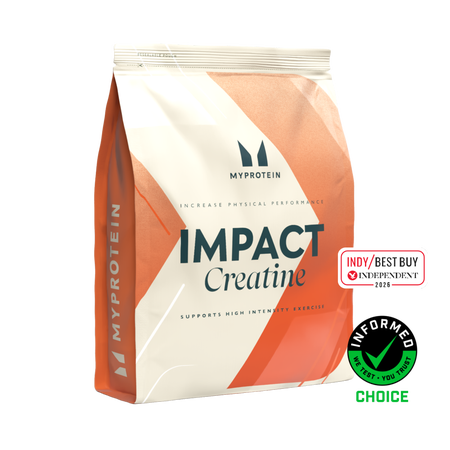
Creatine monohydrate. The vast majority of the research supporting creatine's benefits is based on this form, and it is the most common and most affordable option available.
There's no need to concern yourself with claims about different forms offering better absorption or bioavailability. Creatine monohydrate does exactly what it says, and has more research behind it than any other form.
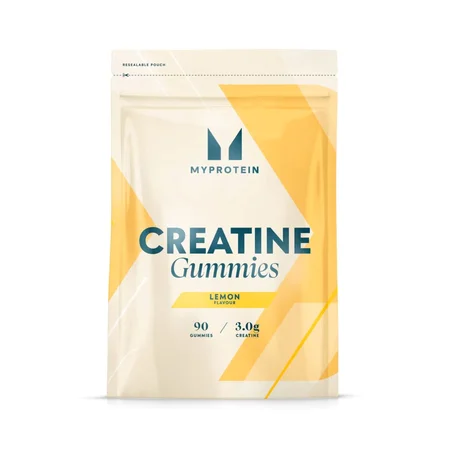
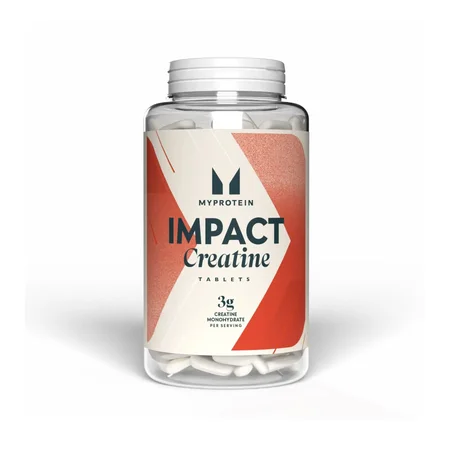
Creatine supplements don't only come in powder form. You can also get them as gummies or tablets, all delivering the same benefits provided the daily dose is consistent.
Frequently asked questions
Do I need to do a loading phase?
No. Loading is optional. It simply helps you reach full muscle saturation faster, in around a week rather than up to four weeks. If you're happy to wait, taking 3-5g daily without loading will get you to the same place.
Does it matter when I take creatine?
No. Consistency matters far more than timing. Take it at whatever point in the day you'll reliably remember it: before a meal, after a workout, or first thing in the morning. The goal is daily intake, not precise timing.
Will creatine make me gain weight?
You may notice an increase in body weight, but this is due to water being drawn into the muscles, not fat gain. For most people, this is either a neutral or positive effect, as it can make muscles appear larger and fuller.
Do I need to cycle on and off creatine?
No. There is no need to cycle creatine. This idea stems from a mistaken association with steroids. Creatine is safe for continuous long-term use.
Is creatine monohydrate the best form?
Yes. It is the most researched, most widely used, and most cost-effective form of creatine available. There is no need to pay more for alternative forms claiming superior absorption or bioavailability.
Take home message
Taking creatine doesn't need to be complicated. Take 3-5g a day, consistently, and you'll get the benefits regardless of timing, format, or whether you choose to load. Creatine monohydrate is the form to choose, it's safe for long-term use, and most of the concerns you might have heard about it don't hold up to scrutiny.

What Is Creatine? Benefits, Types and How To Take It
The world's most researched supplement isn't just for the gym...

Does Creatine Cause Weight Gain? Can it Support Weight Loss? Your Questions Answered
Get to know this muscle building supplement....

How Creatine Is Made: From The Lab To Your Shaker
The process behind this popular supplement....




- Kreider, R. B., Kalman, D. S., Antonio, J., Ziegenfuss, T. N., Wildman, R., Collins, R., et al. (2017). International Society of Sports Nutrition position stand: Safety and efficacy of creatine supplementation in exercise, sport, and medicine. Journal of the International Society of Sports Nutrition, 14, 18.
- Ostojic, S. M., & Ahmetovic, Z. (2008). Gastrointestinal distress after creatine supplementation in athletes: Are side effects dose dependent? Research in Sports Medicine, 16(1), 15–22.
- Juhn, M. S., & Tarnopolsky, M. (1998). Potential side effects of oral creatine supplementation: A critical review. Clinical Journal of Sport Medicine, 8(4), 298–304.
- Kreider, R. B., Ferreira, M., Wilson, M., Grindstaff, P., Plisk, S., Reinardy, J., et al. (1998). Effects of creatine supplementation on body composition, strength, and sprint performance. Medicine & Science in Sports & Exercise, 30(1), 73–82.
- Vannas-Sulonen, K., Sipilä, I., Vannas, A., Simell, O., & Rapola, J. (1985). Gyrate atrophy of the choroid and retina: A five-year follow-up of creatine supplementation. Ophthalmology, 92(12), 1719–1727.
- Bender, A., Samtleben, W., Elstner, M., & Klopstock, T. (2008). Long-term creatine supplementation is safe in aged patients with Parkinson disease. Nutrition Research, 28(3), 172–178.
- Kreider, R. B., Melton, C., Rasmussen, C. J., Greenwood, M., Lancaster, S., Cantler, E. C., et al. (2003). Long-term creatine supplementation does not significantly affect clinical markers of health in athletes. Molecular and Cellular Biochemistry, 244(1–2), 95–104.
- Yoshizumi, W. M., & Tsourounis, C. (2004). Effects of creatine supplementation on renal function. Journal of Herbal Pharmacotherapy, 4(1), 1–7.
References: