If you've ever spent much time in a gym, you've likely heard people talking about creatine. It is one of the most popular supplements in the world, but few know what it actually is. Here's the story of how it gets from a specialist lab into your gym bag.
Jump to:
- What is creatine?
- Step 1: The specialist lab
- Step 2: Purification and milling
- Step 3: Factory arrival and storage
- Step 4: Packaging and safety checks
- Quality control: Informed Choice certification
What is creatine?
Creatine monohydrate is a naturally occurring molecule that is created by our kidneys and stored within our muscle tissues. While it can be sourced through the diet, mainly through animal products, it is very difficult to consume enough to obtain the benefits that supplementation can offer.
It remains one of the most well-researched supplements available on the market today. Currently, there are well over 1,000 peer-reviewed articles available online looking into its impact.
Research suggests that consistent use can improve performance, increase muscle mass, and reduce the time it takes to fatigue.
Step 1: The specialist lab
The journey of our creatine begins long before the powder reaches our warehouse. Two primary ingredients must first go to a specialist lab to begin their transformation: sodium sarcosinate and cyanamide.
Sodium sarcosinate is quite similar to salt in its physical structure. However, it does not have a salty taste and is actually quite sweet.
Cyanamide is a white solid that you likely encounter every single morning. It is a common ingredient found in the tubes of toothpaste kept in bathroom cabinets at home.
These two ingredients hold the key to the final supplement. They are placed into a large reaction vessel where they are heated and pressurised to trigger a chemical reaction.
This process creates a liquid that is then taken out and cooled. As it cools, the liquid sets into crystalline creatine, which is the first time it takes on a solid form.
Step 2: Purification and milling
Once the crystals have formed, they must be purified to ensure the end product meets our high standards. We use a centrifuge to spin the material at high speeds, which separates and removes any unwanted impurities.
This pure liquid is then subjected to a vacuum-drying process. This removes all remaining moisture, leaving behind the raw creatine in its final chemical state.
The final step in the lab involves milling the crystals into an incredibly fine powder. This makes the supplement much easier for you to dissolve in water or a post-workout shake.
Before the powder leaves for our factory, it is tested one last time in the lab. This ensures it is as pure as we require before it is cleared for delivery.
Step 3: Factory arrival and storage
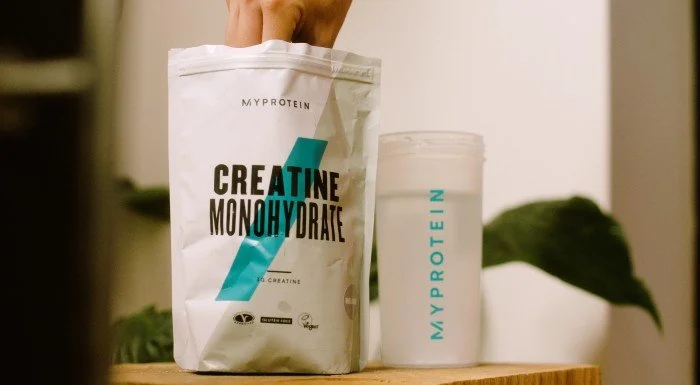
Once the fine powder arrives at the Myprotein factory, it is recorded by its date of arrival and stored in our raw material warehouse. We go through roughly two and a half tonnes of creatine every single day, so the stock moves through the building very quickly.
The production of unflavoured creatine is a relatively simple and efficient process compared to other supplements. Because it is a pure product, it does not require the complex flavour blending that our whey proteins undergo.
Every batch we produce uses several hundred kilos of raw material, which is equivalent to several full pallets. We pride ourselves on efficiency, and next to no raw material goes to waste during this stage.
The raw material is deposited directly into our Intermediate Bulk Containers (IBCs). These containers act as a temporary vessel before the product is moved to the filling line.
Step 4: Packaging and safety checks
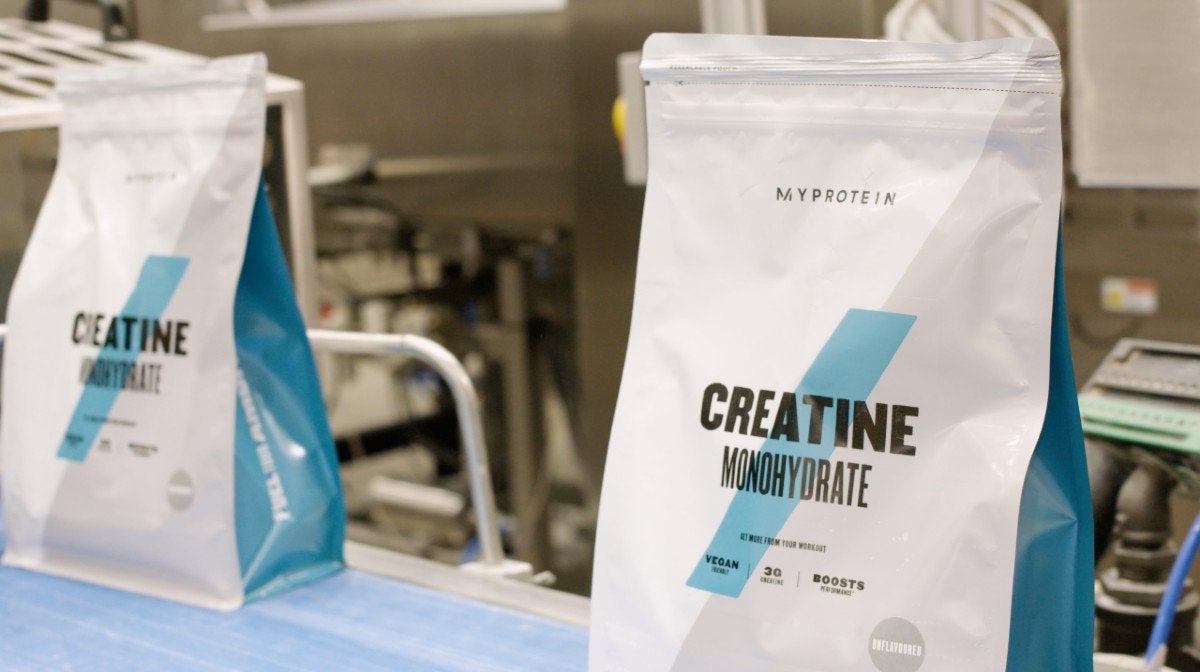
The IBCs are transferred over to the packaging line, where the final steps of the journey take place. The creatine is passed through a fine sieve as it is deposited into our signature pouches, ensuring a consistent and smooth texture.
Each pouch is then carefully heat-sealed to secure the contents. We also pass every bag through an X-ray machine and a scanner to guarantee that there is nothing but pure creatine and a scoop inside your purchase.
Once these final quality assurance checks are complete, the pouches are moved to the warehouse for distribution. Our system ensures that every batch has been tracked from the initial lab reaction to the final sealed bag.
From the moment you click "order" online, our factory works like clockwork to get the product shipped. This ensures you have your supplement ready ahead of your next workout.
Quality control: Informed Choice certification
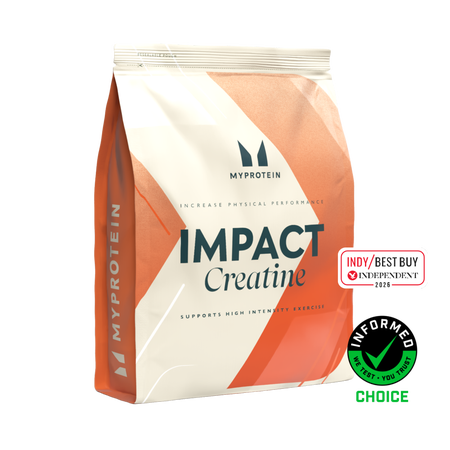
At Myprotein, we believe that transparency is vital for consumer trust, which is why we invest heavily in third-party testing. Many of our creatine products carry the Informed Choice certification, which means they are regularly tested for banned substances and impurities.
The Informed Choice programme involves a rigorous retail monitoring process. This means products are purchased from shops or websites and then tested blindly in an accredited laboratory.
This certification is particularly important for those who want an extra layer of confidence that the supplement they are taking is exactly what it says on the label.
To learn more about our commitment to quality, you can read about our Informed Choice testing.

Take home message
How creatine is made might seem like a complex mystery, but it is actually a highly efficient and streamlined process. By starting with high-quality ingredients and using rigorous purification techniques, we ensure that every scoop of creatine monohydrate helps you get the most out of your training.
For best results, pair creatine with a quality protein supplement to give your muscles the fuel they need alongside the performance benefits creatine provides. Whey protein is the most popular choice, and a whey and collagen blend is worth considering if supporting joints and connective tissue is also a priority.
FIND MORE ABOUT CREATINE HERE:

Does Creatine Really Make You Gain Fat?
It's time for some myth-busting......
Creatine Isn't Just For Bulking
Yet more about our most talked about supplement....
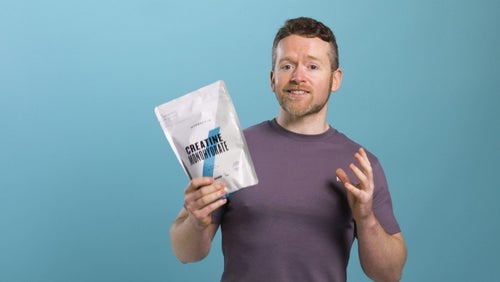
Your Creatine Questions Answered By Nutritionist
Richie answers all of your burning questions....