Instant overview
Your total daily protein intake — around 1.8-2.2g per kg of bodyweight — matters far more than whether you have your protein before or after working out. - A pre-workout shake provides a circulating pool of amino acids to protect muscles during training, and is especially useful if you train fasted or early in the morning.
- A post-workout shake kickstarts recovery by delivering protein to repair the microscopic damage caused by training — though the "anabolic window" is much wider than the 30 minutes often claimed.
- Research shows both timings produce similar muscular adaptations when total protein intake is matched, so the best time is whichever fits your lifestyle and keeps you consistent.
Whether to have protein before or after working out is one of the most common questions in fitness nutrition. The short answer is that both work — studies show similar results when daily protein intake is matched. A pre-workout shake ensures amino acids are available from the moment you start training, while a post-workout shake helps kickstart muscle repair. The real priority is hitting 1.8-2.2g of protein per kg of bodyweight each day.
Protein before or after working out: at a glance
| Factor | Detail | Why it matters |
|---|---|---|
| Daily protein target | 1.8-2.2g per kg of bodyweight | Total intake is the single most significant factor for progress |
| Pre-workout benefit | Amino acids available during training | Supports muscle protein synthesis and protects against breakdown |
| Post-workout benefit | Kickstarts repair of micro-tears | Convenient way to begin recovery immediately after your last set |
| Anabolic window | Much wider than 30 minutes | You don't need to rush — but post-workout nutrition is still valuable |
| Best protein type | Fast-digesting, high-bioavailability options such as whey | Delivers amino acids quickly for both pre- and post-workout use |
Jump to:
- Total intake vs timing
- Pre-workout protein shakes
- Post-workout protein shakes
- Before vs after: what matters most?
- Which type of protein is best for your workout?
- Your protein options before and after working out
- Frequently asked questions
Total intake vs timing
Before getting into the debate of protein timing, it is vital to understand that your total daily protein intake is the most significant factor for progress. If you aren't hitting your overall protein and calorie requirements, the specific timing of a single shake is unlikely to change your results significantly.
For most people with body composition goals, studies suggest a range of 1.8g to 2.2g of protein per kg of bodyweight is ideal. Whether you are in a calorie surplus to gain muscle or a deficit to lose fat, this daily total remains the foundation of your nutrition plan.
Pre-workout protein shakes
When you train, you place your body under physical stress to encourage adaptation. Having protein in your system before you start can provide a circulating pool of amino acids to help protect your muscles during the session.
This availability of amino acids can support muscle protein synthesis (MPS), which is the signal that tells your body to grow and repair. While a whole-food meal like steak can take hours to digest, a whey protein shake can make amino acids available in your bloodstream in much less time.
- You prefer not to train on a stomach full of solid food.
- You train early in the morning and don't have time for breakfast.
- You want to ensure amino acids are available the moment you start your session.
Post-workout protein shakes
The "anabolic window" is a common term in fitness circles, suggesting you must consume protein within 30 minutes of training or lose your gains. While research suggests this window is much wider than originally thought, post-workout nutrition is still highly valuable.
Training causes microscopic damage to muscle fibres, and your body requires high-quality protein to repair this damage. A fast-acting shake is a convenient way to start the recovery process immediately after you finish your last set.
- High bioavailability ensures the protein is used efficiently for repair.
- Shakes mixed with water or milk help with rehydration after a sweaty session.
- They offer a convenient option for those who have a busy schedule and can't eat a full meal immediately.
Before vs after: what matters most?
The choice between a pre- or post-workout shake depends largely on your personal preference. One study investigated these two timings and found that both groups saw similar muscular adaptations when total protein was matched.
Ultimately, your consistency with exercise, your calorie balance, and your total protein intake are the levers that drive change. You can choose a pre-workout shake, a post-workout shake, or even both if it helps you reach your daily targets.
Which type of protein is best for your workout?
When it comes to workout nutrition, whey protein is widely considered the gold standard due to its rapid digestion. It typically has a bioavailability of 90% to 100%, making it more efficient than many other protein sources.
If you prefer a sustained release of amino acids, you might consider casein protein, which breaks down much more slowly. For the best of both worlds, some people choose to mix their whey protein with dairy milk to combine fast and slow-digesting proteins.
Your protein options before and after working out
The type of protein you choose depends on how quickly you need those amino acids to reach your muscles. You can generally split your options into fast-digesting and slow-digesting categories.
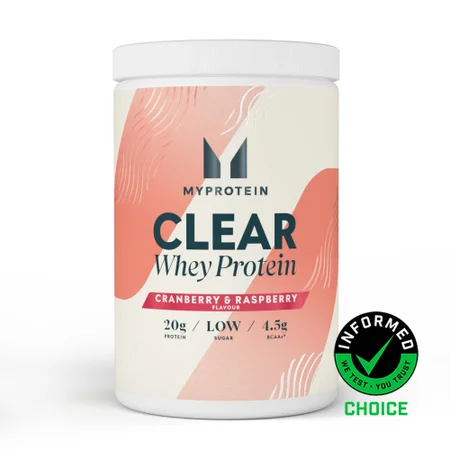
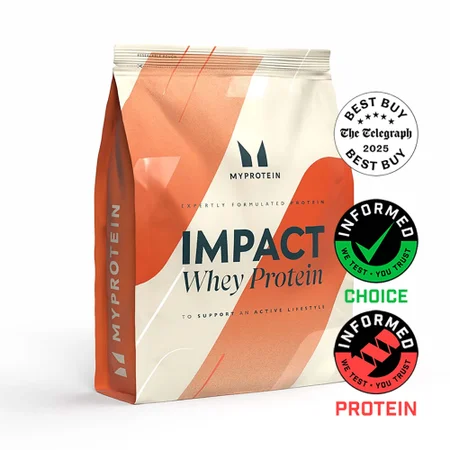
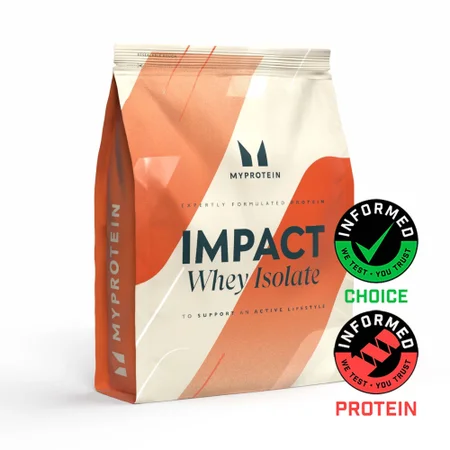
Fast-digesting proteins
Pre-workout benefit: If you are training first thing in the morning or haven't eaten for several hours, a fast-digesting shake 30–60 minutes before a session ensures amino acids are available from the moment you start. Post-workout benefit: These are ideal for recovery. Because they digest rapidly, they deliver the building blocks your muscles need to begin repairing micro-tears and starting the growth process immediately after exercise.
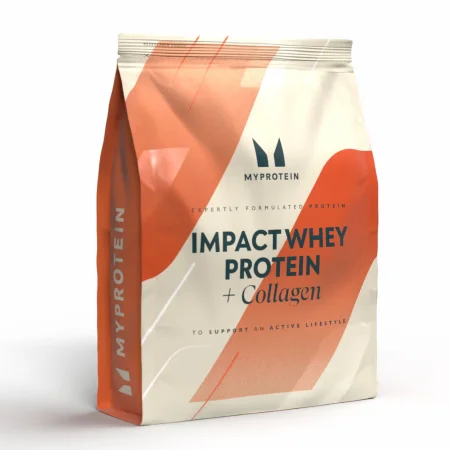
If supporting joints and connective tissue alongside muscle is a priority, a whey and collagen blend is worth considering post-workout. It delivers fast-absorbing protein from the whey alongside collagen peptides, which contribute to the normal function of cartilage and connective tissue — structures that take on considerable load during training.

Slow-digesting protein
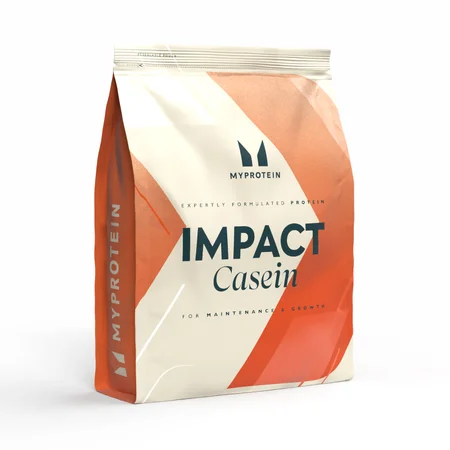
Casein is the "drip-feed" protein that stays in your system longer than whey.
Pre-workout benefit: An excellent choice if you have a long training session ahead or if you won't be able to eat a meal for several hours. It provides a sustained release of amino acids to protect your muscles from breakdown while you train. Post-workout benefit: While less common than whey for immediate recovery, taking casein after a workout (especially in the evening) provides a steady supply of protein to support muscle repair throughout the night while you sleep.
Take home message
Focus on hitting your total daily protein goal of roughly 2g per kg of bodyweight before worrying about the specific minutes of timing. Whether you choose a shake before or after your workout, ensure it fits your lifestyle and helps you stay consistent with your training and nutrition.
Frequently asked questions
Should I drink a protein shake before or after a workout?
Either works. The most important thing is hitting your total daily protein target of 1.8–2.2g per kg of bodyweight. A post-workout shake is a popular choice because it kickstarts recovery, but a pre-workout shake is equally effective — especially if you train fasted. Research shows both timings produce similar results when total intake is matched.
Should I have a protein shake before or after a workout for muscle gain?
To gain muscle, you need adequate protein throughout the day. A post-workout shake is a great way to ensure your muscles have the building blocks they need to grow, but it's your overall daily intake — not the timing of a single shake — that drives results.
Is the anabolic window real?
Not in the way it's often described. The idea that you must consume protein within 30 minutes of training or "lose your gains" is outdated. Research shows the post-exercise window for protein intake is much wider than originally thought. Post-workout nutrition is still valuable, but there's no need to panic if you can't drink a shake the moment you finish your last set.
What's the best protein shake before a workout?
Whey protein is a strong choice if you need a fast-digesting option — it has a bioavailability of 90–100% and makes amino acids available in your bloodstream quickly. If you have a long session ahead or a big gap before your next meal, a slower-digesting protein like casein might be a better fit.
Can I have a protein shake both before and after a workout?
Yes. If it helps you reach your daily protein target, having a shake at both times is absolutely fine. Some people find this especially useful on heavy training days or if their whole-food meals don't contain enough protein on their own.

- Helms, E. R., Aragon, A. A., & Fitschen, P. J. (2014). Evidence-based recommendations for natural bodybuilding contest preparation: nutrition and supplementation. Journal of the International Society of Sports Nutrition, 11, 20. https://doi.org/10.1186/1550-2783-11-20
- Hoffman, J. R., & Falvo, M. J. (2004). Protein – Which is Best? Journal of Sports Science & Medicine, 3(3), 118–130.
- Schoenfeld, B. J., Aragon, A., Wilborn, C., Urbina, S. L., Hayward, S. E., & Krieger, J. (2017). Pre- versus post-exercise protein intake has similar effects on muscular adaptations. PeerJ, 5. https://doi.org/10.7717/peerj.2825
- Aragon, A. A., & Schoenfeld, B. J. (2013). Nutrient timing revisited: is there a post-exercise anabolic window? Journal of the International Society of Sports Nutrition, 10(1), 5. https://doi.org/10.1186/1550-2783-10-5
- Boirie, Y., Dangin, M., Gachon, P., Vasson, M.-P., Maubois, J.-L., & Beaufrère, B. (1997). Slow and fast dietary proteins differently modulate postprandial protein accretion. Proceedings of the National Academy of Sciences, 94(26), 14930–14935.