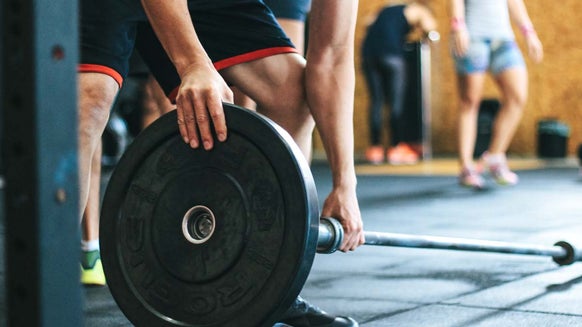
Recovery is a cornerstone of performance — essential for repairing muscles, replenishing energy stores, preventing injuries, and maintaining overall wellbeing — but it's often overlooked compared to other aspects of training and nutrition. Here's how you can use it to optimise your performance.
- The science behind muscle repair
- Personalising your recovery plan
- Sleep: the ultimate recovery tool
- Nutrition for optimal recovery
- Active recovery techniques
- Why rest is essential for optimal performance
- Advanced recovery methods
- Massage and manual therapies
- Mental recovery: the overlooked aspect
- Technology and tools for recovery
- The role of supplements in recovery
- Injury prevention and recovery
- Creating a recovery routine

The science behind muscle repair
Muscle fibre damage and inflammation
High-intensity exercise creates microscopic damage to muscle fibres. This triggers an inflammatory response, sending blood, oxygen, and nutrients to the damaged area to begin the process of repair.
Protein synthesis
The body synthesises proteins to repair and rebuild the muscle fibres following muscle damage.
Hormonal response
Growth hormone, released during sleep and recovery, helps stimulate tissue repair, while cortisol regulates the body's stress response.
Satellite cell activation
Satellite cells are activated in response to muscle damage. They multiply and fuse to the damaged fibres, supporting muscle regeneration.
Personalising your recovery plan
Assessing your body's needs
Exercise intensity: High-intensity workouts require longer recovery, including light activities like stretching or yoga. Sleep and nutrition: Sleep is crucial for muscle repair, and nutrition supports recovery. Age and fitness level: Younger people and seasoned athletes may recover faster than older adults or beginners.
Listening to your body: signs of overtraining and fatigue
Persistent muscle soreness: If soreness lasts longer than three days, this may be a sign of inadequate recovery and potential for injury. Decreased performance: A sudden drop in strength or endurance can indicate your body needs more rest. Sleep disturbances and mood changes: Trouble sleeping, irritability, and anxiety are signs your body might be overwhelmed. Increased resting heart rate: An elevated resting heart rate may suggest your body hasn't fully recovered from previous workouts.
How sleep can improve athletic performance
Muscle recovery: During deep sleep, the body repairs muscle tissue and releases growth hormones critical for recovery. Cognitive function: Sleep sharpens focus, reaction times, and decision making. Injury prevention: Not getting enough sleep could hamper tissue repair and cognitive function, increasing the risk of injury. Immune support: Consistent good sleep supports the immune system, reducing the chance of illness.
Sleep strategies for athletes
Sleep environment: Maintain a cool, dark, and quiet bedroom. Invest in comfortable pillows and a supportive mattress to enhance sleep quality.
The 3-2-1 rule
3 hours before bed: Avoid heavy meals, caffeine, and alcohol. 2 hours before bed: Finish any mentally stimulating activities like work to give your mind the chance to unwind. 1 hour before bed: Turn off screens to reduce blue light exposure.
Naps: 20–30 minutes can support recovery, but avoid napping too close to bedtime to prevent disrupting nighttime sleep patterns.

Nutrition for optimal recovery
The role of macronutrients and micronutrients
Carbohydrates: Restore glycogen stores depleted during exercise. Found in foods such as whole grains. Proteins: Vital for muscle repair and growth. Good sources include lean meats, fish, and eggs. Fats: Omega-3 fatty acids reduce inflammation and support recovery. Good sources include fish, flaxseeds, and chia seeds. Vitamin D: Essential for muscle and bone health. Get it from sunlight, fortified foods, or supplements. Vitamin C: Supports collagen formation and immune function. Eat plenty of citrus fruit, berries, and cruciferous vegetables such as oranges, strawberries, and broccoli. Magnesium: Improves muscle function and helps reduce cramps. Found in nuts, seeds, and leafy greens. Zinc: Supports tissue repair and immune health. Good sources include meat, shellfish, and legumes. Hydration: Critical for nutrient transport, waste removal, and muscle function. Drink approximately 700ml of water for every 500g lost during exercise to maintain optimal hydration levels. Electrolytes: Essential for maintaining fluid balance and muscle function. After intense exercise, replenish electrolytes with a banana and an electrolyte drink.
Post-workout nutrition: timing and choices
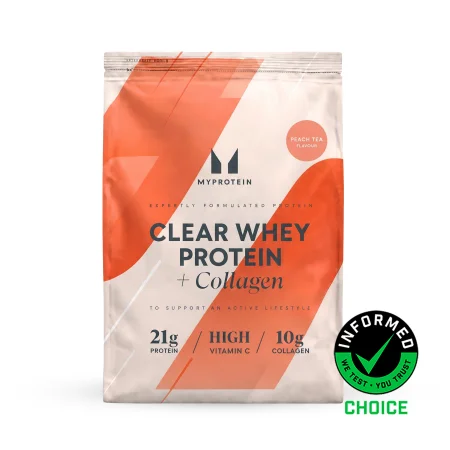
Carbohydrates: Aim for 1.0–1.5g of carbohydrates per kilogram of body weight within 30 minutes post-exercise. Proteins: 30–60 minutes after exercise, consume 20–40g of high-quality protein to promote muscle recovery. A whey and collagen blend is worth considering post-workout for those who also want to support tendons, ligaments, and cartilage — connective structures that undergo their own stress during training — alongside muscle repair.

The 6 Best Recovery Supplements
The supplements that help your body bounce back faster...
Active recovery techniques
Low-intensity exercises for recovery days
Activities like walking, swimming, or light cycling boost blood flow, helping to remove waste products and reduce muscle soreness.
The benefits of stretching and yoga
Stretching: Increases flexibility, reduces muscle tightness, and helps prevent injuries by maintaining a full range of motion.
Yoga: Enhances flexibility and mobility while helping to reduce stress. The combination of stretching and breathing also promotes physical and mental recovery.
Incorporating mobility work into your routine
Exercises like foam rolling and dynamic stretches improve muscle flexibility and reduce the risk of injury.

Yoga Vs. Pilates — What's The Difference?
Both are good for you, but which should you try?...
Why rest is essential for optimal performance
Importance of scheduled rest days
Muscle recovery: Rest days allow muscle fibres to heal and strengthen, leading to muscle growth and improved strength. Preventing burnout: Regular rest days help prevent mental fatigue and keep you motivated. Enhanced performance: You give your body time to fully recover.
Balancing training intensity and rest
Listen to your body: Some weeks might require more rest, depending on how intense your workouts are. Active recovery: Light activities such as walking or yoga on rest days can promote blood flow and support recovery without putting further strain on your muscles. Avoid overtraining: Overtraining occurs when you push your body too hard without proper rest. It can lead to fatigue, decreased performance, and injuries.
Advanced recovery methods
Cryotherapy and ice baths
Exposing the body to extremely cold temperatures can help reduce inflammation and soothe muscle pain.

Cold Water Therapy | Benefits of an Ice Bath
Could this be the key to your recovery?...
Compression gear and techniques
Compression gear: Wearing compression clothing can help improve circulation and reduce muscle vibration during and after exercise, supporting recovery and reducing DOMS.
Heat therapy and saunas
Heat therapy: Increases blood flow, helping repair damaged tissue.
Saunas: Promote relaxation and recovery by increasing circulation and reducing muscle soreness.
Massage and manual therapies
The benefits of sports massage
Sports massage helps relieve muscle tension, improve circulation, and reduce muscle soreness.
Self-myofascial release techniques (SMR)
SMR involves using tools like foam rollers or massage balls to release muscle tension and improve mobility. Regular SMR can enhance muscle function, reduce tightness, and reduce injuries.
When to see a professional
Consult a professional for any chronic pain, recurring injuries, or reduced mobility that doesn't improve with self-care.
Mental recovery: the overlooked aspect
Stress and anxiety are natural responses to challenges or high-pressure situations. While short-term stress can enhance focus and performance, chronic stress and anxiety can have negative long-term effects on mental and physical health.
Stress management for athletes
Time management: Prioritise tasks to reduce overwhelm and maintain a balanced schedule. Progressive muscle relaxation: Relieve stress through exercises that involve tensing and relaxing different muscle groups. Journalling: Express emotions and clarify thoughts to manage stress effectively.
Mindfulness and meditation practices
Body scan meditation: Increases body awareness and releases physical tension. Breathwork: Focus on deep breathing to calm the mind and reduce anxiety. Mindful movement: Engage in yoga or slow movements to combine physical relaxation with mental calmness.

Master Mindfulness & Meditation With Time Blocking
Decompress in a way that suits you....
Technology and tools for recovery
Wearable devices and tracking recovery
Wearable technology can provide valuable insights into recovery, allowing for data-driven adjustments to training and recovery routines.
Sleep tracking: Offers insights to improve recovery, performance, and injury prevention.
Fitness tracking: Wearables help monitor exercise intensity, heart rate, and calories burned, aiding in balanced training during recovery periods.
Apps and gadgets to aid recovery
Personalised recovery plans: Some apps offer tailored rehabilitation exercises, ensuring that recovery protocols are specific to an athlete's needs.
Recovery management apps: These apps provide reminders, track nutrition and hydration, and offer guided relaxation exercises to support overall recovery.
The role of supplements in recovery
Protein supplements
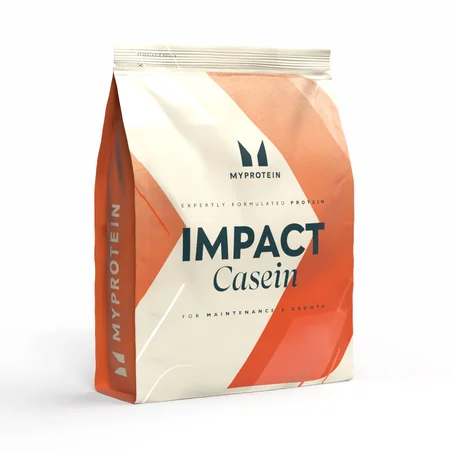
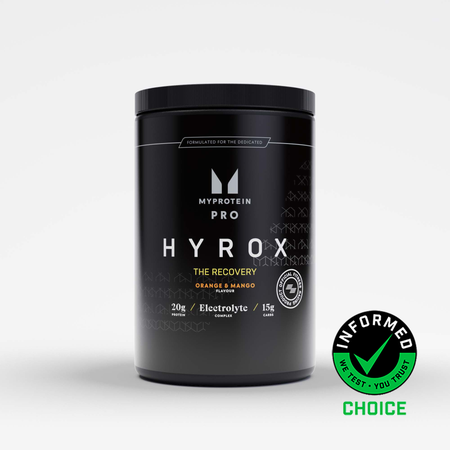
Essential to help rebuild muscle tissue post-exercise. For those who also want to support connective tissue recovery alongside muscle — tendons, ligaments, and cartilage all undergo stress during training — a whey and collagen blend provides both in a single post-workout serving. Collagen forms the building blocks of these structures, complementing the muscle-repair role of the whey protein component.


Omega-3 fatty acids
Reduce muscle soreness and joint inflammation, aiding recovery from injuries.



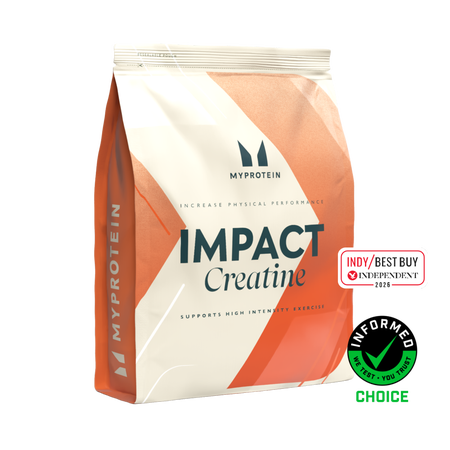
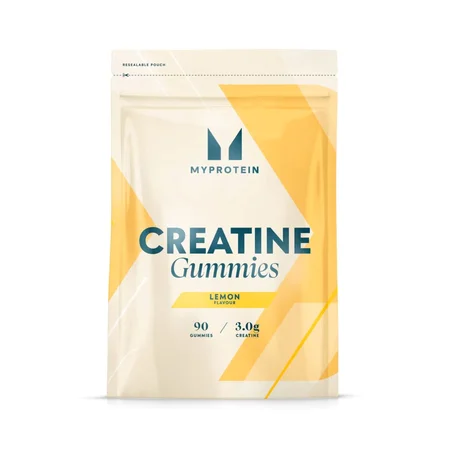
Creatine
Enhances ATP production, aiding energy and muscle recovery, especially for strength training.

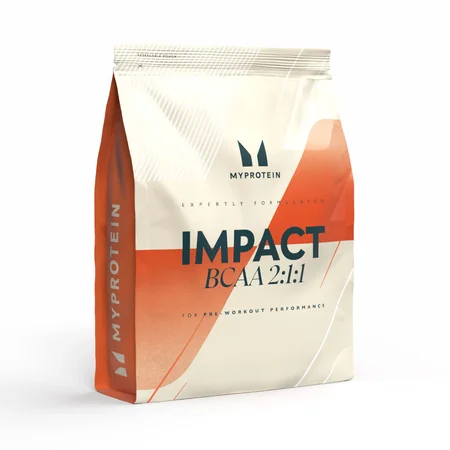
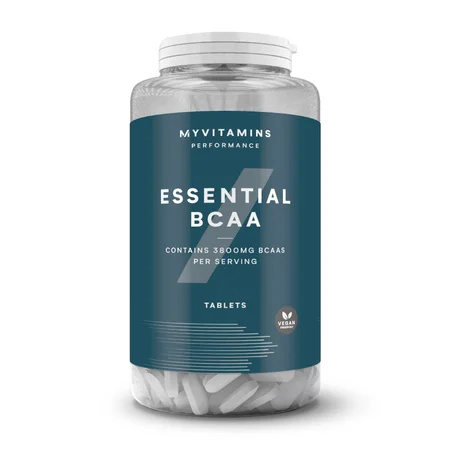
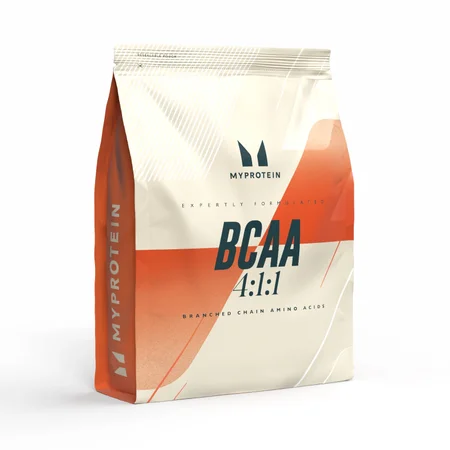
Branched-chain amino acids (BCAAs)
Support muscle repair and reduce soreness.
Vitamin D
Crucial for bone health and muscle function, supporting recovery from fractures or bone injuries.


Injury prevention and recovery
Strategies to avoid common injuries
Strength training and conditioning: Strengthening key muscle groups enhances stability and reduces injury risk. Focus on resistance training three times per week.
Proper warm-up and dynamic stretching: Increases blood flow and flexibility, reducing the likelihood of injuries by preparing the muscles and joints for activity.
Flexibility and mobility training: Prevents overuse injuries and enhances joint stability, ensuring that muscles and joints function optimally.
Rest and recovery: Incorporate rest days and active recovery activities like stretching or swimming to allow the body to heal and adapt.
When to see a physiotherapist: If you experience persistent pain, swelling, or other functional issues, seek professional treatment advice.
Rehabilitation protocols for athletes
Poor biomechanics, such as improper landing techniques or faulty running form, can increase stress on joints and muscles, leading to injuries like ACL tears and shin splints. Proper landing techniques have been shown to reduce ACL injury risk by 66%.
Creating a recovery routine
Customising a routine for your sport
Sleep: Essential for muscle repair and cognitive function. Aim for 7–9 hours every night.
Nutrition and hydration: Consume 20–30 grams of protein post-exercise and replenish glycogen stores with carbohydrates.
Active recovery: Engage in low-intensity activities like jogging or swimming.
Stretching and mobility work: Incorporate dynamic stretching and mobility exercises to maintain flexibility and joint health.
Consistency and adjusting as needed
Increased training load: Add extra recovery days, increase protein and carbohydrate intake, and consider incorporating short naps to aid recovery.
Signs of overtraining: Persistent fatigue, poor performance, irritability, and increased injury risk indicate the need to reduce training intensity, add rest days, and focus on nutrition and sleep.
Persistent soreness or injury: Use cold therapy, foam rolling, or massage.
Lessons learned and best practices
Regular massages or foam rolling: These can prevent stiffness, enhance muscle recovery, and improve mobility.
Gentle, low-impact movements: Activities like yoga and pool workouts keep muscles fresh, improve blood flow, and speed up recovery without overstressing the body.
Take home message
Recovery is an essential part of athletic performance, not just a time to rest but a strategic process that enables the body to heal and get stronger. By understanding the science of muscle repair, replenishing energy stores, and prioritising injury prevention, you can maximise recovery potential to power your progress.
FIND MORE HERE:

Guided Meditation For Beginners

Relaxation Techniques & Exercises