If you have been prescribed a GLP-1 medication, eating less becomes your new normal — but fewer calories means fewer opportunities to get the nutrients your body needs. That's where targeted supplementation comes in.
This guide focuses on the supplements and vitamins best suited to supporting your GLP-1 journey, from protecting muscle mass to maintaining energy levels, alongside the food choices and exercise habits that give them the best chance of working.
Jump to:
Why nutrition matters on GLP-1
GLP-1 medications work by regulating your appetite and slowing gastric emptying.1 While this is highly effective for weight management, it leads to a significantly reduced calorie intake.
This reduction is the primary driver of weight loss, and so it means you have fewer opportunities to consume the nutrients your body needs to function optimally.
If you are eating much less than usual, thoughtful food selection becomes far more important. Following the 80/20 rule (a common lifestyle principle that advises 80% of food from nutrient-dense, whole foods, and the remaining 20% for less nutritious options) still allows for flexibility, but every meal should ideally be nutrient-dense to prevent deficiencies and loss of muscle mass.
A structured GLP-1 nutrition plan can help ensure you are getting the right balance of macronutrients and micronutrients.
Without proper support, you may experience fatigue or other unwanted side effects. While a lack of essential vitamins plays a role, these might be caused by a significant overall calorie deficit or insufficient protein intake. Focusing on quality over quantity is the best way to feel your best while the medication does its work.
Does GLP-1 cause muscle loss?
Weight loss typically involves losing both fat and some lean body mass. Rapid weight loss in general — regardless of the method — can increase the risk of losing muscle and reducing bone density if nutrition intake and resistance exercise are not prioritised.2 GLP-1 medications, which can produce rapid weight loss, therefore make this consideration especially relevant.
It is important to clarify that GLP-1 medications do not directly "attack" muscle tissue.3 Instead, muscle loss is mostly a byproduct of a steep energy deficit. When the body doesn't get enough energy from food, it may break down muscle tissue for fuel. Furthermore, without adequate protein, your body lacks the necessary building blocks to efficiently repair and maintain muscle.4
To preserve your existing muscle mass:
Prioritise protein: Ensure your body has the amino acids required for maintenance. Resistance training: Lifting weights sends a signal to your body to preserve muscle tissue.4 This gives you a better chance of ensuring weight loss comes from body fat rather than muscle.
How much protein do I need on GLP-1?
Protein is the primary macronutrient for preserving muscle mass while on GLP-1 medication. While micronutrients and other macros remain vital for health, protein provides the building blocks for your muscles and helps you feel fuller for longer.
To help preserve lean muscle mass during weight loss, it's recommended you consume between 1.2g and 2.0g of protein per kilogram of body weight daily.5
This means if you weigh 80kg, you should aim for approximately 96g to 160g of protein every day. This can be challenging when your appetite is low, which is why a protein shake can be a convenient tool.
Aim for at least 20-25g of high-quality protein per meal.4 - Prioritise protein at breakfast.
Best supplements for GLP-1 support
While a "food-first" approach is always best, supplements can help fill the gaps when your appetite is significantly suppressed. They offer a practical way to provide nutrients that can help support your goals, without requiring you to eat large volumes of food.
Protein
Protein supplements are one of the most practical tools for GLP-1 users, helping you hit your daily targets when appetite makes solid food a challenge.
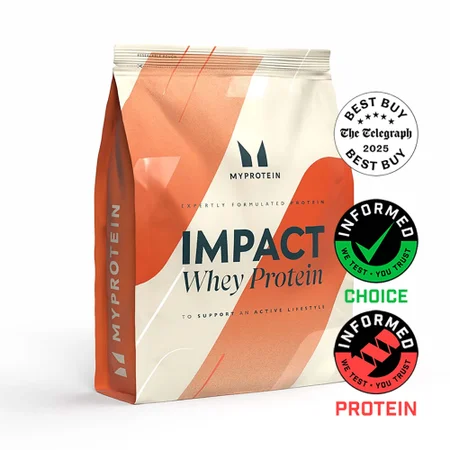
Whey protein is the most well-known option, offering a complete amino acid profile and high leucine content to support muscle preservation.
Blends such as whey with collagen can offer additional benefits, supporting joints and connective tissue as your body changes.
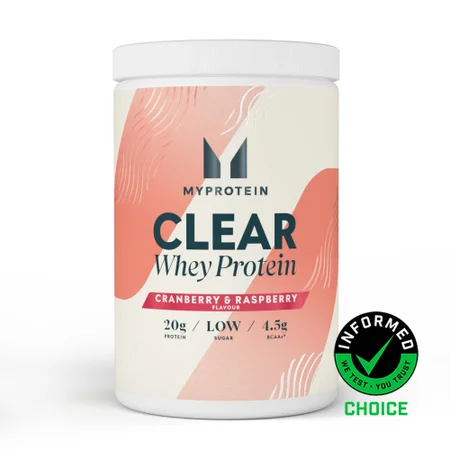
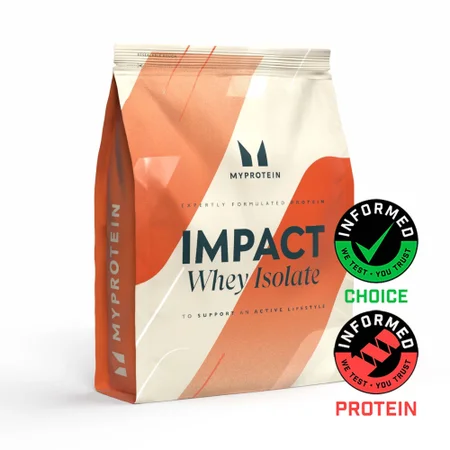
If nausea or heavy textures are an issue, whey isolate or clear protein may suit you better. Isolate is filtered to remove most fats and lactose, while clear protein offers a lighter, juice-style format that is often easier to manage when appetite is low.


Creatine monohydrate
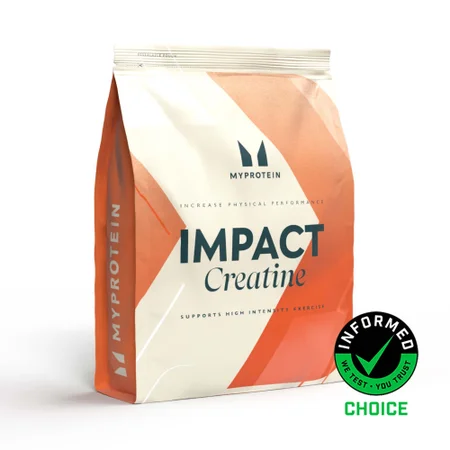
Creatine is one of the most researched tools for muscle preservation. It helps replenish phosphocreatine stores, supporting ATP resynthesis during workouts.6
By maintaining your strength, you can train harder, which further protects your lean body mass while losing weight.
Electrolytes
GLP-1 medications could lead to reduced water intake, making hydration essential.7
Drinking enough water is essential, so ensure you are getting enough of it. The NHS recommends 6 to 8 cups of fluid per day.
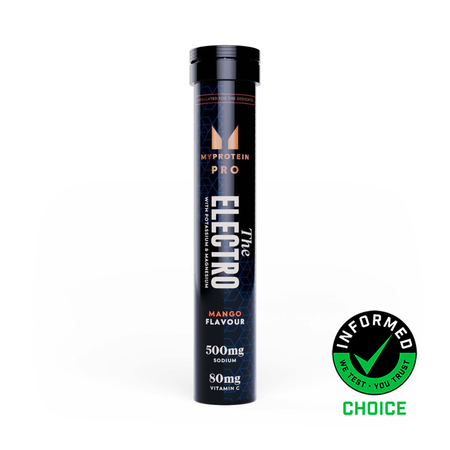
If you have a workout planned, an electrolyte supplement can help boost your intake of minerals needed to preserve electrolyte balance and ward off symptoms such as brain fog, headaches, muscle cramps and fatigue.8
Best vitamins for GLP-1
Studies have found that mineral deficiencies are common among GLP-1 users.9 When you eat less, you naturally consume fewer vitamins, which can impact your general health. A "food-first" approach is ideal, but for many, supplements are a great insurance policy.
B complex vitamins
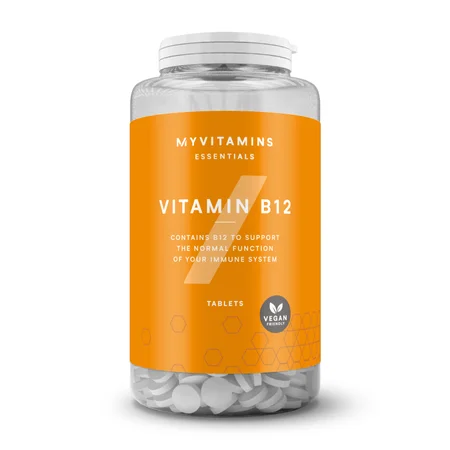
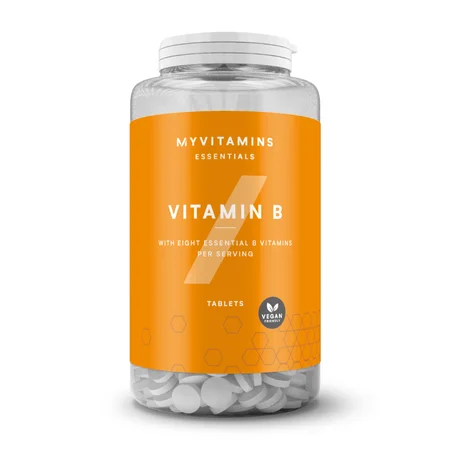
B vitamins, particularly B12 and thiamine, are essential for energy metabolism, meaning they may help prevent feelings of fatigue, a frequently mentioned side effect of GLP-1 medications.10
Vitamin D and calcium
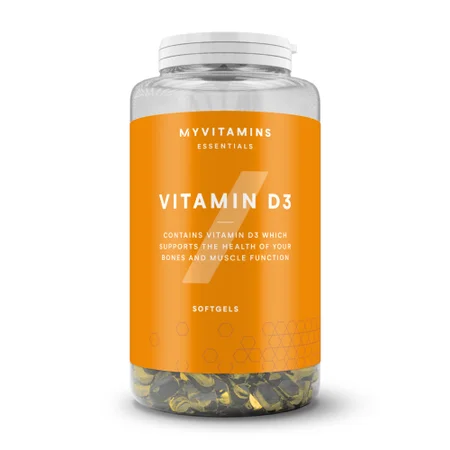
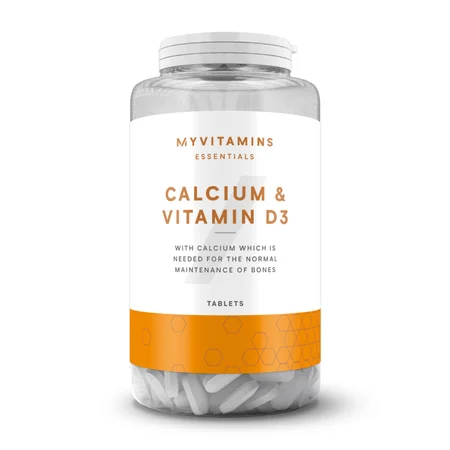
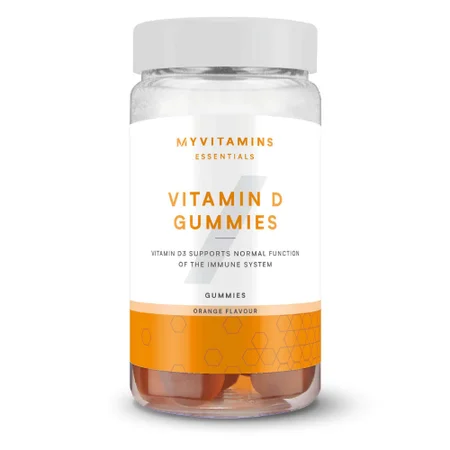
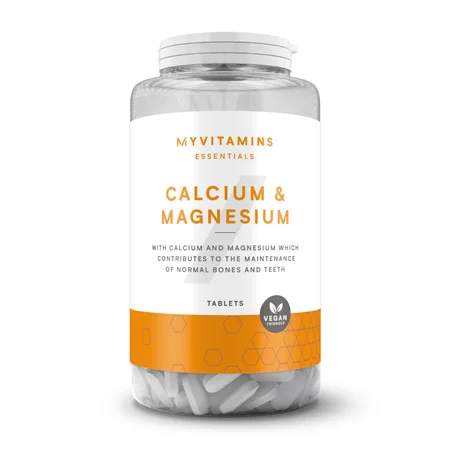
Rapid weight loss can impact bone density.2 Supporting your skeletal system with vitamin D and calcium can help ensure your frame stays strong as you lose weight.
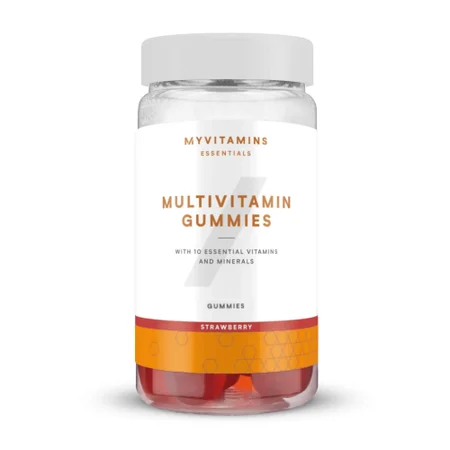
Multivitamins
A high-quality daily multivitamin supplement can help bridge the micronutrient gap as part of a food-first approach. Check the label to ensure it contains the recommended dosage of the minerals you need.
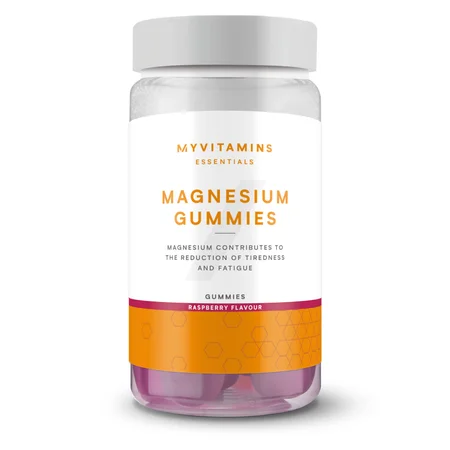
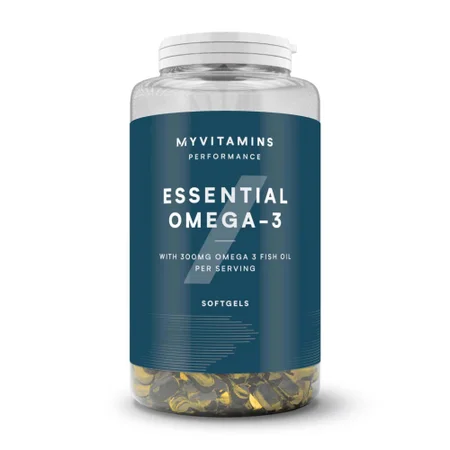
Vitamin B12: Essential for nerve function and energy. Vitamin D: Supports immune health and bone strength. Magnesium: Helps with sleep and muscle relaxation. Omega-3: An essential fatty acid that reduces inflammation and supports heart health.
What to eat on GLP-1: foods that support progress
When your appetite is reduced, choosing foods that are easier to digest while remaining nutritionally balanced is key. Since you will feel full quickly, focus on lean proteins like chicken breast, white fish, tofu or Greek yoghurt. These deliver the essential amino acids your body needs while minimising discomfort.
Fibrous vegetables are also important, but be careful not to overdo it if you experience bloating. Steaming vegetables can make them easier to digest while keeping the vitamins intact.
Lean proteins: Turkey, eggs, white fish, beans and legumes. Healthy fats: Avocado and olive oil in small amounts. Slow-release carbs: Oats and quinoa for sustained energy. Hydrating foods: Cucumber and watermelon. A varied diet: Eat plenty of colourful vegetables and grains for essential minerals and vitamins.
FAQs
What are the best supplements for GLP-1? While whole foods should be your priority, whey protein, a high-quality multivitamin, and electrolytes are excellent tools to support your overall health.
How do I prevent muscle loss on GLP-1? The most effective way is to consume at least 1.2g to 2.0g of protein per kg of body weight per day and engage in regular resistance training.5 This combination helps ensure that the weight lost is primarily fat, while your functional muscle mass is preserved.
Why do I feel so tired on GLP-1? Fatigue is primarily caused by a sharp drop in total energy (calories). However, mineral deficiencies, which can occur as your overall food intake drops, may also contribute to low energy levels. Increasing your protein and ensuring you get enough micronutrients from diet can help.
Can I drink protein shakes on GLP-1? Yes, protein shakes can be very useful. They offer an easy way to hit your protein targets when your appetite is too low to manage a full, solid meal.
Is creatine safe to take with GLP-1? Creatine is generally considered safe and effective for supporting energy production during exercise. However, if you have any pre-existing health conditions, you should speak with your doctor before starting.
Take home message
Success on GLP-1 medication isn't just about the number on the scale; it's about losing weight healthily and sustainably. By combining your medication with a balanced diet, regular exercise, and a nutrition plan rich in protein and vitamins, you can protect your muscle mass and keep your energy levels high.
Supplements like whey isolate and multivitamins are designed to fill the gaps and help provide your body with the tools it needs to thrive during your transformation.

GLP-1 Nutrition Guide: What to Eat on Mounjaro, Ozempic & Wegovy
Food choices are key to maximising weight loss, preserving muscle, and maintaini...

Strength Training on GLP-1: Why It’s Essential
Maintain your muscle and health while losing body fat...
GLP-1 Side Effects: Nutritionist Tips for Managing Discomfort
A few proactive changes can really make the difference...

- Collins, L., & Costello, R. A. (2024). Glucagon-Like Peptide-1 Receptor Agonists. In StatPearls. StatPearls Publishing.
- Hunter, G. R., Plaisance, E. P., & Fisher, G. (2014). Weight loss and bone mineral density. Current opinion in endocrinology, diabetes, and obesity, 21(5), 358–362. https://doi.org/10.1097/MED.0000000000000087
- Gatto, A., Liu, K., Milan, N., & Wong, S. (2025). The Effects of GLP-1 Agonists on Musculoskeletal Health and Orthopedic Care. Current reviews in musculoskeletal medicine, 18(10), 469–480. https://doi.org/10.1007/s12178-025-09978-3
- Jäger, R., Kerksick, C. M., Campbell, B. I., Cribb, P. J., Wells, S. D., Skwiat, T. M., Purpura, M., Ziegenfuss, T. N., Ferrando, A. A., Arent, S. M., Smith-Ryan, A. E., Stout, J. R., Arciero, P. J., Ormsbee, M. J., Taylor, L. W., Wilborn, C. D., Kalman, D. S., Kreider, R. B., Willoughby, D. S., Hoffman, J. R., … Antonio, J. (2017). International Society of Sports Nutrition Position Stand: protein and exercise. Journal of the International Society of Sports Nutrition, 14, 20. https://doi.org/10.1186/s12970-017-0177-8
- Johnson, B., Milstead, M., Thomas, O., McGlasson, T., Green, L., Kreider, R., & Jones, R. (2025). Investigating nutrient intake during use of glucagon-like peptide-1 receptor agonist: a cross-sectional study. Frontiers in nutrition, 12, 1566498. https://doi.org/10.3389/fnut.2025.1566498
- Kreider, R. B., Kalman, D. S., Antonio, J., Ziegenfuss, T. N., Wildman, R., Collins, R., Candow, D. G., Kleiner, S. M., Almada, A. L., & Lopez, H. L. (2017). International Society of Sports Nutrition position stand: safety and efficacy of creatine supplementation in exercise, sport, and medicine. Journal of the International Society of Sports Nutrition, 14, 18. https://doi.org/10.1186/s12970-017-0173-z
- McKay, N. J., Kanoski, S. E., Hayes, M. R., & Daniels, D. (2011). Glucagon-like peptide-1 receptor agonists suppress water intake independent of effects on food intake. American journal of physiology. Regulatory, integrative and comparative physiology, 301(6), R1755–R1764. https://doi.org/10.1152/ajpregu.00472.2011
- Shrimanker, I., & Bhattarai, S. (2023). Electrolytes. In StatPearls. StatPearls Publishing.
- Urbina, J., Salinas-Ruiz, L. E., Valenciano, C., & Clapp, B. (2026). Micronutrient and Nutritional Deficiencies Associated With GLP-1 Receptor Agonist Therapy: A Narrative Review. Clinical obesity, 16(1), e70070. https://doi.org/10.1111/cob.70070
- Arillotta, D., Floresta, G., Guirguis, A., Corkery, J. M., Catalani, V., Martinotti, G., Sensi, S. L., & Schifano, F. (2023). GLP-1 Receptor Agonists and Related Mental Health Issues; Insights from a Range of Social Media Platforms Using a Mixed-Methods Approach. Brain sciences, 13(11), 1503. https://doi.org/10.3390/brainsci13111503
References: