Shop Whey Protein Powders at Myprotein
Whey protein powder is one of the most well-researched and widely used supplements in sport and fitness — and for good reason. Derived from milk during the cheese-making process, whey is a complete protein source containing all nine essential amino acids. Protein contributes to the growth and maintenance of muscle mass1, making whey protein powder a straightforward way to hit your daily protein targets, whether you're training hard or simply looking to top up your intake.
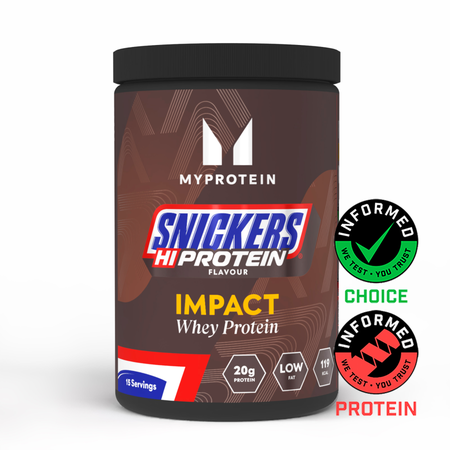
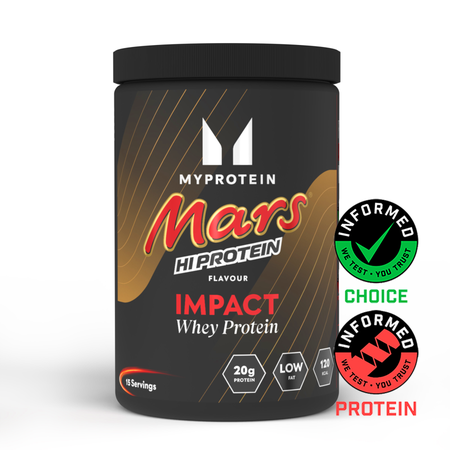
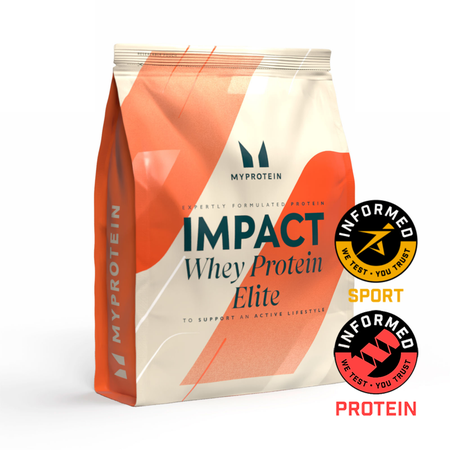
The range here covers everything from classic whey protein powders to clear whey options, collagen-enhanced blends, isolates, mass gainers, and flavoured collaborations — so whatever your goals or taste preferences, there's a format built for it. Each product is developed to deliver real protein content in a convenient, mixable format that fits around your day.
Who Whey Protein Powders Are For
Whey protein powder works for anyone who wants a reliable, convenient way to increase their daily protein intake. Gym-goers, runners, cyclists, and team sport athletes all use whey protein as part of their routine — it's versatile enough to fit into virtually any training programme. If you're training regularly and find it difficult to hit your protein targets through food alone, a whey protein shake is one of the most practical solutions available.
It's not just for competitive athletes, either. People returning to exercise after a break, those changing their body composition, and anyone with an active lifestyle can benefit from keeping protein intake consistent. With options ranging from light, refreshing clear whey formats to richer, milkshake-style powders and high-calorie mass gainers, there's a product in this range to match different preferences and nutritional needs.
When to Use Whey Protein Powders
Whey protein powder is most commonly used after training, when many people find it convenient to get protein in quickly without preparing a full meal. It mixes easily with water or milk and takes just minutes to prepare. That said, whey protein can be taken at any point during the day — between meals, in the morning, or as part of a pre-sleep routine — the key is hitting your overall daily protein target.
Timing matters less than consistency. Using whey protein powder to fill the gaps in your diet — when meals are rushed, when you're on the move, or when cooking isn't an option — makes it a practical tool rather than a rigid protocol. For those targeting muscle gain, spreading protein intake across the day is a common approach used by athletes and everyday gym-goers alike.
Whey Protein Powders Benefits
A Complete Protein Source
Whey is a complete protein, meaning it contains all nine essential amino acids — those the body can't produce on its own. This makes it a high-quality protein source by nutritional standards. Protein contributes to the growth and maintenance of muscle mass1, and whey protein powder provides that in a format that's easy to measure and prepare.
Versatile Formats for Every Preference
This range spans traditional whey protein powders, clear whey options with a lighter, juice-like texture, collagen-enhanced blends, high-protein milkshake styles, and mass gainer formulas. Whether you prefer something creamy and indulgent or clean and refreshing, there's a whey protein format here to match. Flavour choices run wide too — from classic chocolate and vanilla to licensed collaborations.
Straightforward Nutritional Profile
Most whey protein powders in this range deliver around 20–21g of protein per serving, with options sitting under 112 calories per serving in lighter formulas. That makes it easy to track your intake and fit whey protein into your broader nutrition plan without complicated calculations. The nutritional breakdown is always clearly labelled, so you know exactly what you're getting.
Supports Bone Maintenance Alongside Muscle
It's not just about muscle — protein also contributes to the maintenance of normal bones2, making consistent protein intake relevant beyond just training goals. Whey protein powder makes it straightforward to maintain adequate protein levels day to day, across different types of activity and lifestyle demands.
Popular Picks
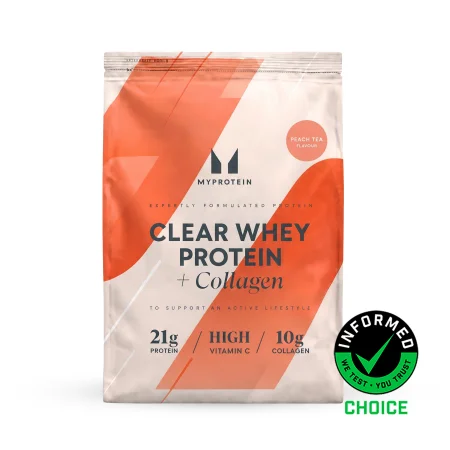
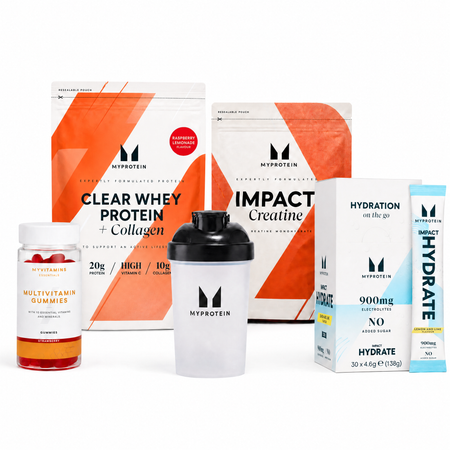
Clear Whey Protein + Collagen — Built for those who want more than standard protein, Clear Whey Protein + Collagen delivers 21g protein and 10g bovine collagen peptides per serving, plus 65% NRV of vitamin C, which contributes to normal collagen formation for cartilage function.
Impact Whey Protein Milkshake — If you want a proper milkshake taste without the guilt, Impact Whey Protein Milkshake packs 20g protein and zero added sugar into under 112 calories per serving.
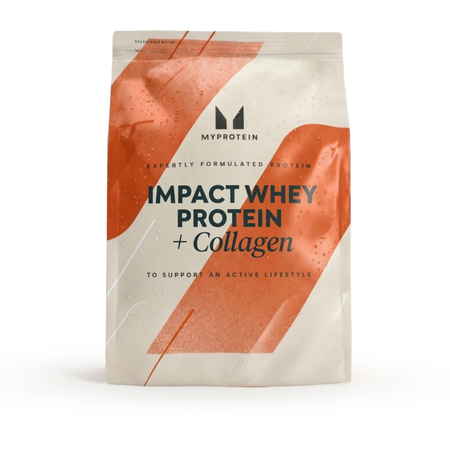
Impact Whey Protein + Collagen — Impact Whey Protein + Collagen combines 20g protein and 10g bovine collagen peptides per serving with 65% NRV of vitamin C, which contributes to normal collagen formation and normal immune system function.
FAQs
What is whey protein powder?
Whey protein powder is a concentrated source of protein derived from milk — specifically, the liquid byproduct of cheese production. It's processed and dried into a powder that mixes with water or milk to create a high-protein shake. Whey is a complete protein, containing all nine essential amino acids, and protein contributes to the growth and maintenance of muscle mass1. It's one of the most researched protein supplements available.
What's the difference between whey protein and clear whey protein?
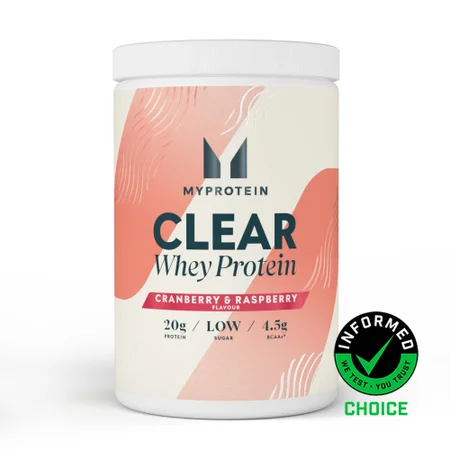
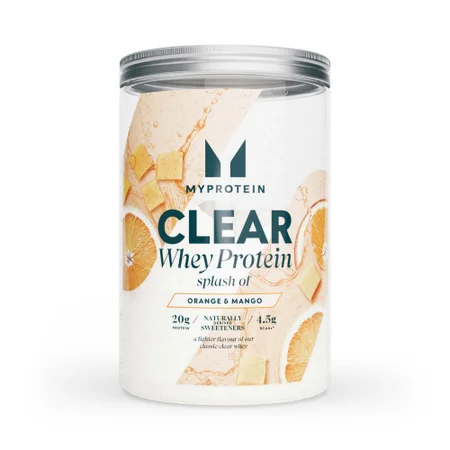
Standard whey protein powders typically use whey concentrate or isolate and mix into a creamy, milkshake-style drink. Clear whey protein uses whey isolate processed differently, resulting in a lighter, juice-like drink that's transparent when mixed — no creaminess, no heaviness. Both deliver meaningful protein per serving; the difference is purely in texture and format. Clear whey tends to suit people who prefer something refreshing rather than thick and filling.
How much protein do whey protein powders contain per serving?
Most whey protein powders in this range deliver around 20–21g of protein per serving. Impact Whey Protein Milkshake, for example, provides 20g protein per serving and comes in under 112 calories. Clear Whey Protein + Collagen delivers 21g protein per serving alongside 10g bovine collagen peptides. The exact amount varies by product, so checking the label on each is the best way to match a powder to your daily targets.
What is whey protein isolate and how does it differ from concentrate?
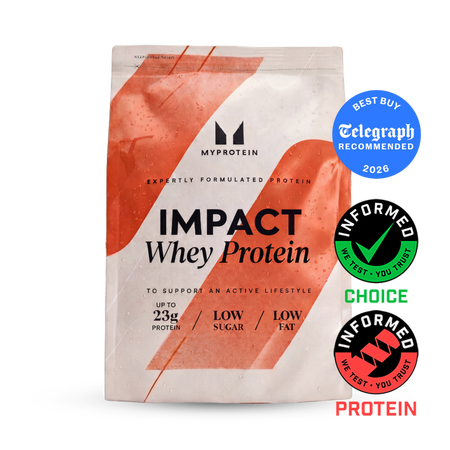
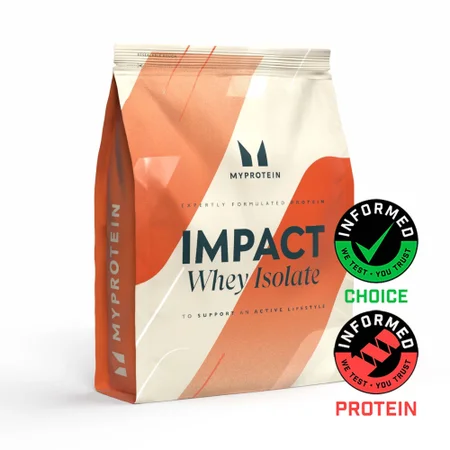
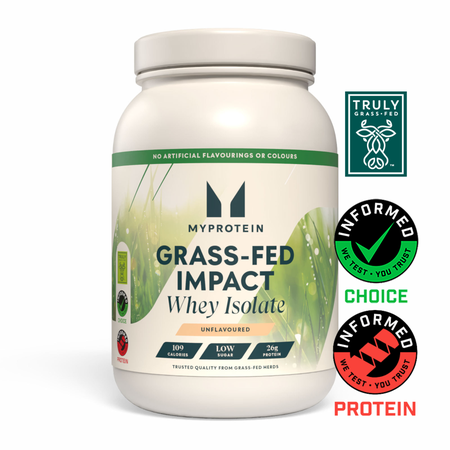
Whey protein isolate undergoes additional filtration compared to whey concentrate, resulting in a higher protein percentage per gram of powder and reduced levels of fat and lactose. Impact Whey Isolate Powder uses this more refined form. Whey concentrate is less processed and typically used in products like Impact Whey Protein Powder — still a high-quality source, just with a slightly different nutritional breakdown. Isolate is often chosen by those who prefer a leaner profile or have sensitivity to lactose.
When is the best time to take whey protein powder?
Whey protein powder can be taken at any point during the day — post-training is popular because it's convenient and quick to prepare when you're already at the gym or just finished a workout. That said, the most important factor is total daily protein intake rather than precise timing. Using whey protein between meals, first thing in the morning, or whenever protein intake from food is low is a completely valid approach.
Can whey protein powder be used as a meal replacement?
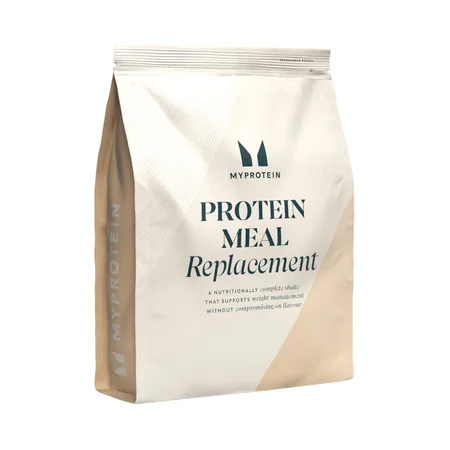
Standard whey protein powders aren't formulated as meal replacements — they're designed to supplement protein intake alongside a balanced diet. Protein Meal Replacement Blend is the product in this range specifically built for that purpose, offering a more complete nutritional profile. For most people, whey protein shakes work best as a convenient top-up to regular meals rather than a substitute for them.
Which whey protein powder should I choose if I want something different from a standard shake?
Clear Whey Protein + Collagen is worth considering if you're after something outside the typical creamy shake format — it delivers 21g protein per serving in a light, refreshing texture, alongside 10g bovine collagen peptides (Type I), making it a distinctly different option to standard milkshake-style powders. If you prefer the classic format but want extra versatility, Impact Whey Protein + Collagen combines 20g protein per serving with the same 10g collagen content in a more traditional shake.
Who developed the whey protein powders in this range?
All whey protein powders in this range are developed by Myprotein's expert nutritionists. Every formula is built around clear nutritional standards — precise protein content, quality ingredients, and formats that work for real training routines. The range is regularly reviewed and updated to reflect the latest thinking in sports nutrition.
Is whey protein powder suitable for different types of training?
Whey protein powder is used across a wide range of training disciplines — weightlifting, running, cycling, team sports, and general fitness. Protein contributes to the growth and maintenance of muscle mass1 regardless of how that muscle is being used, so whey protein fits into strength-focused programmes and endurance-based routines alike. The format you choose — standard powder, isolate, mass gainer, or clear whey — can be matched to your specific training demands and calorie needs.
How many whey protein powders are available and what formats are there?
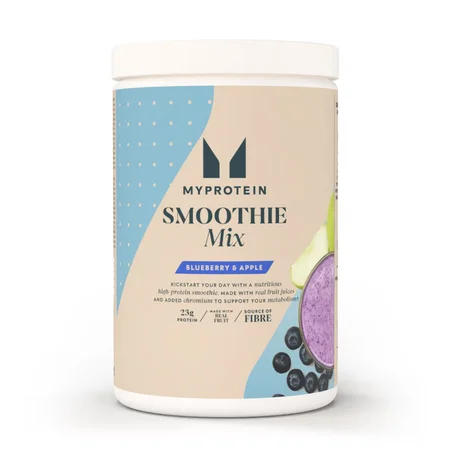
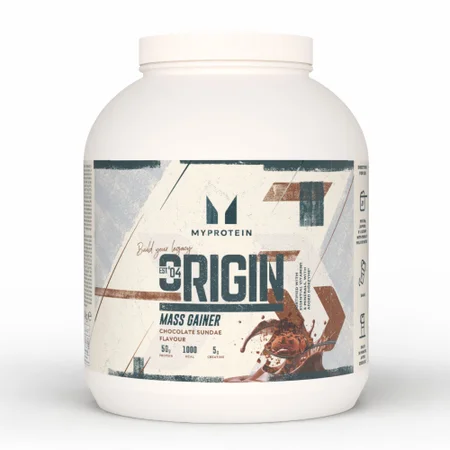
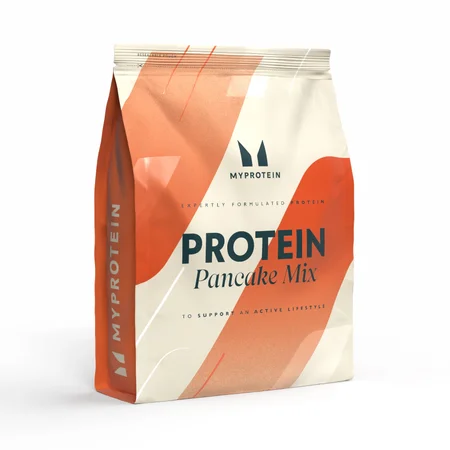
There are 20 products in this range, spanning a broad set of formats: classic whey protein powders, whey isolate, clear whey, collagen-enhanced blends, mass gainers, protein pancake mixes, meal replacement blends, breakfast smoothies, and flavoured collaborations including licensed ranges. That breadth means you can find a whey protein product suited to almost any use case — from lean protein top-ups to higher-calorie options built for mass gaining.
1. Protein contributes to the growth and maintenance of muscle mass.
2. Protein contributes to the maintenance of normal bones.