Shop Vitamins for Skin at Myprotein
Your skin needs more than just what you put on it. The right vitamins work from within, giving your body what it needs to maintain healthy skin naturally. From zinc to vitamin C, these essential nutrients play different roles in keeping your skin in good condition.
Finding the right vitamins matters. Whether you're after specific nutrients like vitamin A, broad-spectrum support, or targeted formulas, you'll find options designed to fit into your daily routine. All developed by nutritionists who understand what your body needs.
Who These Are For
These vitamins suit anyone looking to maintain their nutritional intake for skin health. Athletes training hard might find their dietary needs harder to meet through food alone. Those following specific diets, whether plant-based or restrictive eating patterns, often benefit from targeted vitamin supplementation.
Busy lifestyles mean skin-supporting nutrition sometimes takes a back seat. Convenient capsules and tablets make it straightforward to fill nutritional gaps without overhauling your entire diet.
When to Use Vitamins for Skin
Most skin vitamins work best when taken consistently as part of your daily routine. Many people take them with breakfast or another regular meal, which helps with absorption and makes them easier to remember. Fat-soluble vitamins like A, D, and E absorb better when consumed with food containing some dietary fat.
Timing matters less than consistency. Pick a time that fits your schedule and stick with it. Some prefer morning doses to start the day right, whilst others include them with their evening meal.
Vitamins for Skin Benefits
Essential Nutrient Support
Vitamins like A, C, and E provide nutrients your body needs daily. Vitamin A contributes to the maintenance of normal skin1, whilst vitamin C contributes to normal collagen formation for the normal function of skin2. These aren't optional extras but essential nutrients your body requires.
Antioxidant Protection
Several skin vitamins offer antioxidant properties. Vitamin C contributes to the protection of cells from oxidative stress3, as does vitamin E4 and zinc5. This cellular protection happens naturally when these nutrients are present in adequate amounts.
Collagen Formation Support
Vitamin C plays a specific role in collagen production. It contributes to normal collagen formation for the normal function of skin2, bones6, cartilage7, and blood vessels8. Without adequate vitamin C, this collagen formation process can't function properly.
Immune Function Contribution
Healthy skin relies partly on proper immune function. Vitamin A contributes to the normal function of the immune system9, as do vitamin C10, vitamin D11, and zinc12. These nutrients work together to maintain the body's natural defences.
Popular Picks
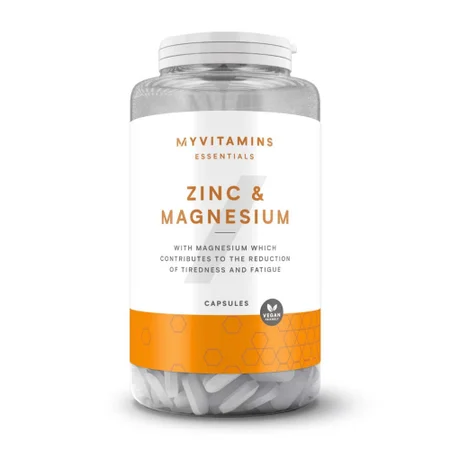
Looking for comprehensive mineral support? Zinc & Magnesium Capsules combine two essential minerals in convenient daily doses. Zinc contributes to the maintenance of normal skin13, whilst magnesium supports multiple body functions including normal muscle function14 and contributes to a reduction of tiredness and fatigue15.
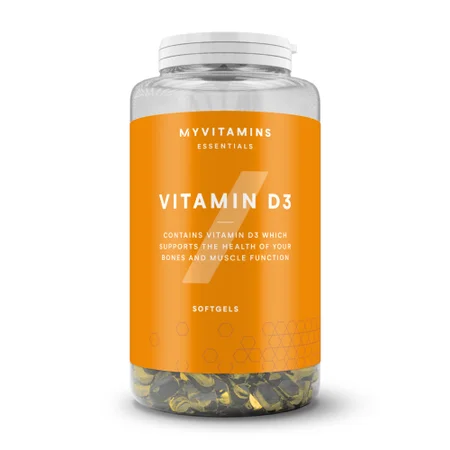
Struggling to get enough sun exposure? Vitamin D3 Softgels provide the sunshine vitamin in easy-to-swallow softgel form. Vitamin D contributes to the normal function of the immune system11 and the maintenance of normal bones16, making it essential year-round.
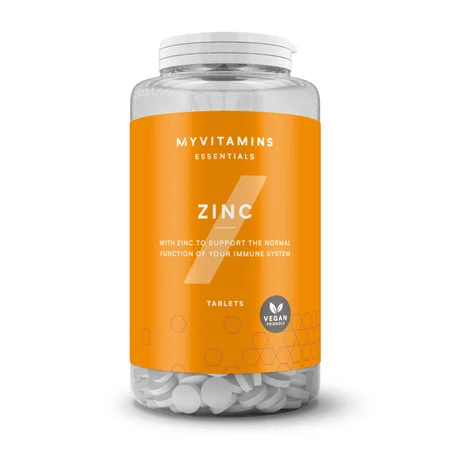
Need targeted zinc supplementation? Zinc Tablets deliver this crucial mineral in tablet form. Beyond skin maintenance13, zinc contributes to normal cognitive function17, supports normal protein synthesis18, and contributes to the maintenance of normal hair and nails19.
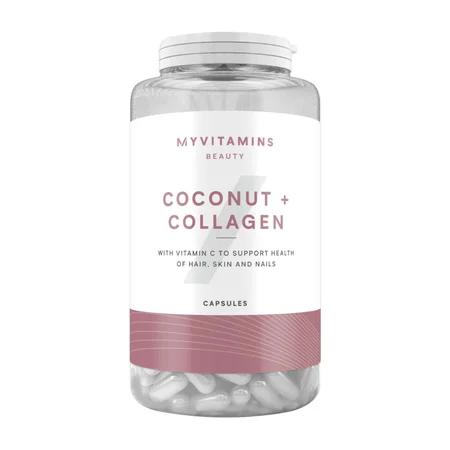
Want a specialist skin formula? Coconut & Collagen Capsules blend collagen with coconut extract in a targeted formulation. These capsules offer a convenient way to include collagen in your daily supplement routine alongside other skin-supporting vitamins.
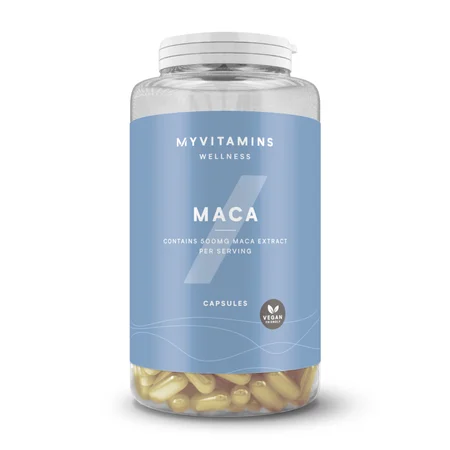
Interested in adaptogenic herbs? Maca Capsules provide this traditional root in concentrated capsule form. Maca has been used for centuries in Peruvian culture and makes a straightforward addition to your supplement stack.
FAQs
What are vitamins for skin?
Vitamins for skin are essential nutrients that contribute to the maintenance and function of healthy skin. These include vitamin A, which contributes to the maintenance of normal skin1, vitamin C, which contributes to normal collagen formation for the normal function of skin2, and minerals like zinc, which also contributes to the maintenance of normal skin13.
These nutrients work through various mechanisms in the body. Some provide antioxidant protection, with vitamins C3 and E4 contributing to the protection of cells from oxidative stress. Others support structural processes or immune function that indirectly affects skin health.
Which vitamins are most important for skin health?
Vitamin A stands out as it directly contributes to the maintenance of normal skin1. Vitamin C plays a dual role, both contributing to normal collagen formation for skin function2 and protecting cells from oxidative stress3. Vitamin E provides additional antioxidant support through its contribution to the protection of cells from oxidative stress4.
Minerals matter too. Zinc contributes to the maintenance of normal skin13, hair19, and nails19. Vitamin D contributes to the normal function of the immune system11, whilst riboflavin contributes to the maintenance of normal skin20 as well. A balanced approach including multiple nutrients often works best.
How do I choose the right skin vitamins?
Start by identifying any gaps in your current diet. Those eating limited fruit and vegetables might need vitamin C or A supplementation. People with restricted sun exposure often benefit from vitamin D. Plant-based eaters sometimes require additional zinc or B vitamins.
Look for products developed by qualified nutritionists with appropriate quality standards. Check the dosage matches your needs without excessive amounts. Consider whether you prefer individual nutrients or comprehensive multivitamin formulas, and choose formats that fit your routine.
Can I take multiple skin vitamins together?
Many skin-supporting vitamins work well together. Vitamin C actually increases iron absorption21, whilst zinc contributes to normal metabolism of vitamin A22. Some nutrients complement each other's functions naturally.
Multivitamin formulas already combine compatible nutrients in balanced ratios. If taking separate supplements, space out fat-soluble vitamins (A, D, E, K) throughout the day. Always follow dosage guidelines on individual products.
When will I notice results from skin vitamins?
Skin cell turnover happens over weeks, not days. Most people take vitamins consistently for at least 8-12 weeks before assessing their routine. These nutrients work gradually as part of normal body processes, not as quick fixes.
Results depend partly on your starting nutritional status. Those with significant deficiencies might notice changes sooner than people with adequate baseline nutrition. Consistency matters more than any single dose.
Do skin vitamins work better with certain diets?
Vitamins work alongside whatever eating pattern you follow. Some diets make certain nutrients harder to obtain naturally. Vegan diets often lack vitamin B12, which contributes to normal skin through its role in cell division23. Low-fat diets might limit fat-soluble vitamin absorption.
Taking fat-soluble vitamins (A, D, E, K) with meals containing some dietary fat improves absorption. Water-soluble vitamins like C and B-complex absorb well regardless of meal composition. Your overall diet quality still matters more than any single supplement.
What's the difference between individual vitamins and multivitamins for skin?
Individual vitamin supplements provide targeted doses of single nutrients. This approach suits people with specific deficiencies or particular requirements. Zinc tablets deliver zinc alone, whilst vitamin C capsules contain only that nutrient.
Multivitamins combine multiple nutrients in one formula, offering broader nutritional support. They're convenient for covering several bases simultaneously. Specialist skin formulas often include complementary nutrients like vitamins A1, C2, and E4 together with minerals like zinc13.
Who develops Myprotein's vitamin supplements?
Myprotein's expert nutritionists develop these vitamin formulas, drawing on scientific research and nutritional science. The team includes qualified professionals who understand nutrient requirements, absorption, and how different vitamins work in the body.
Each formula gets designed with specific nutritional goals in mind, whether that's delivering optimal doses of single nutrients or creating balanced multivitamin blends. Quality standards ensure every batch meets specifications before reaching customers.
How should I store my skin vitamins?
Keep vitamins in their original containers, away from direct sunlight and heat sources. Most remain stable at room temperature in a cool, dry place. Bathroom cabinets aren't ideal due to humidity from showers.
Check expiry dates regularly and use older bottles first. Some vitamins, particularly those in softgel form, degrade faster once opened. Tight-fitting lids prevent moisture getting in and preserve freshness.
Can vitamins replace a good skincare routine?
Vitamins work from within to maintain normal skin function through nutritional support. They provide essential nutrients your body needs for various processes, including those involving skin. However, they serve different purposes to topical skincare products.
A comprehensive approach includes both adequate nutrition and appropriate external care. Think of vitamins as supporting your body's natural processes, whilst skincare products protect and cleanse the skin's outer surface. Both have their place in a complete routine.
1. Vitamin A contributes to the maintenance of normal skin.
2. Vitamin C contributes to normal collagen formation for the normal function of skin.
3. Vitamin C contributes to the protection of cells from oxidative stress.
4. Vitamin E contributes to the protection of cells from oxidative stress.
5. Zinc contributes to the protection of cells from oxidative stress.
6. Vitamin C contributes to normal collagen formation for the normal function of bones.
7. Vitamin C contributes to normal collagen formation for the normal function of cartilage.
8. Vitamin C contributes to normal collagen formation for the normal function of blood vessels.
9. Vitamin A contributes to the normal function of the immune system.
10. Vitamin C contributes to the normal function of the immune system.
11. Vitamin D contributes to the normal function of the immune system.
12. Zinc contributes to the normal function of the immune system.
13. Zinc contributes to the maintenance of normal skin.
14. Magnesium contributes to normal muscle function.
15. Magnesium contributes to a reduction of tiredness and fatigue.
16. Vitamin D contributes to the maintenance of normal bones.
17. Zinc contributes to normal cognitive function.
18. Zinc contributes to normal protein synthesis.
19. Zinc contributes to the maintenance of normal hair and nails.
20. Riboflavin contributes to the maintenance of normal skin.
21. Vitamin C increases iron absorption.
22. Zinc contributes to normal metabolism of vitamin A.
23. Vitamin B12 has a role in the process of cell division.