
Bones & Joint Supplements
26 Results


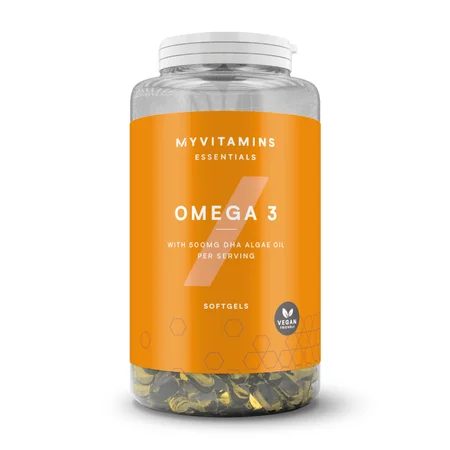
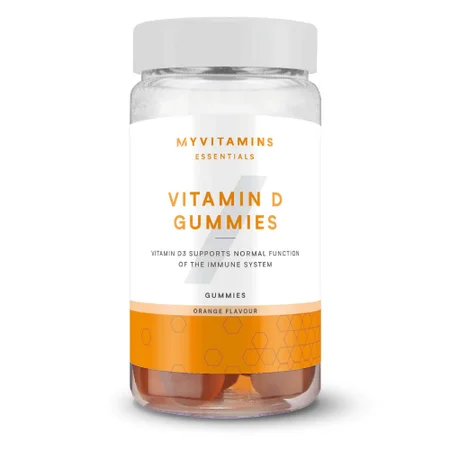




What is the best supplement for bones and joints?
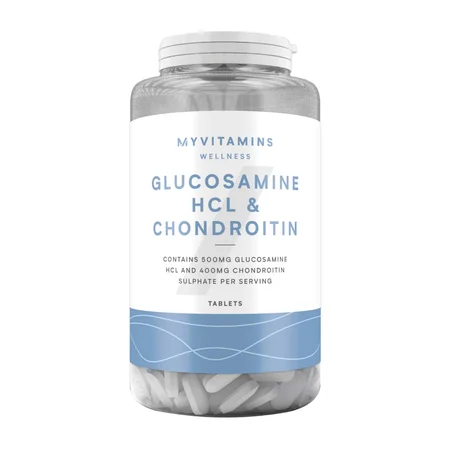
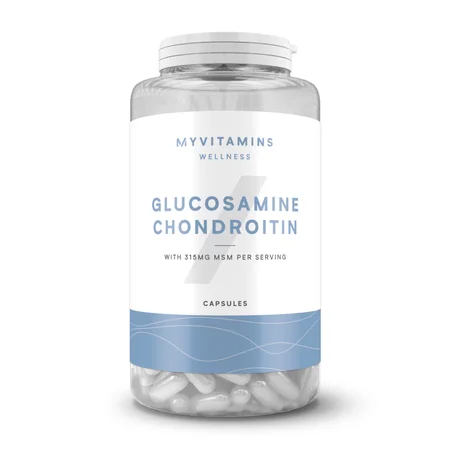
Glucosamine and chondroitin are naturally found in the body and support the joints and cartilage in our body. Overtime, cartilage can deteriorate and joints that take a lot of impact, such as those who lead active lifestyles, may begin to feel the effects of this. There are no major food sources of glucosamine, other than shellfish, so a supplement can be helpful.
What is the best vitamin for bones and joints?
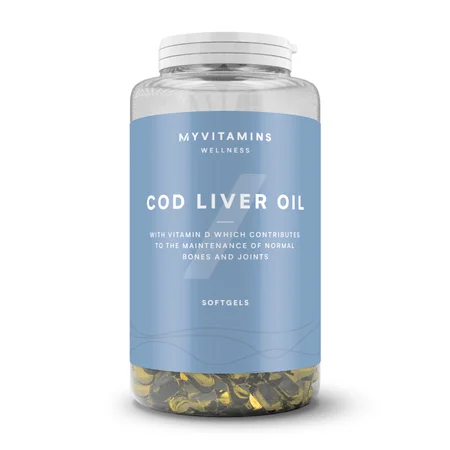
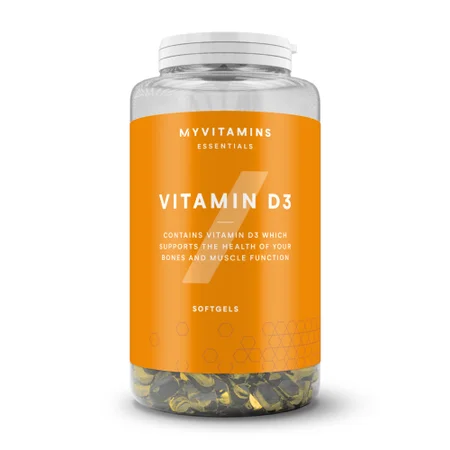
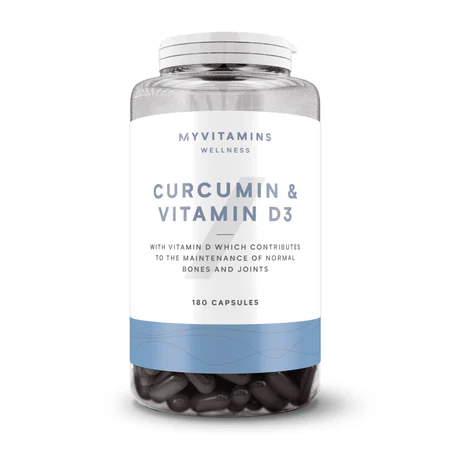
Vitamin D enhances the absorption of calcium, which is vital for bone formation.
What causes pain in the bones and joints?
Injuries can lead to pain in bones and joints and bone diseases like osteopenia and osteoporosis can cause bone pain.
What are bone joints?
A joint is the part of the body where two or more bones meet in order to allow movement.
How can I strengthen my bones and joints?
Weight-bearing exercise can help maintain bone mass and even promote growth. Activities which require increased use of our bones stimulate calcium absorption into the bones and promote bone-formation. Strength and weight training put stress on our bones which can stimulate this process.
Avoiding yo-yo dieting and dramatic changes to your weight can also help to reduce the risk of stress fractures and bone diseases. Bone mineral density loss occurs with weight loss, but it does not return to pre-weight loss levels with weight regain, meaning there is more pressure on our bones.