Joint Supplements & Vitamins
27 Results
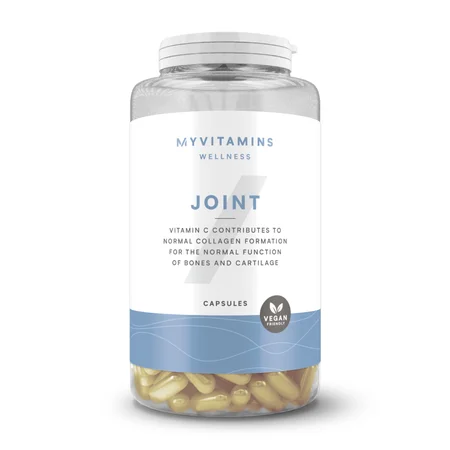
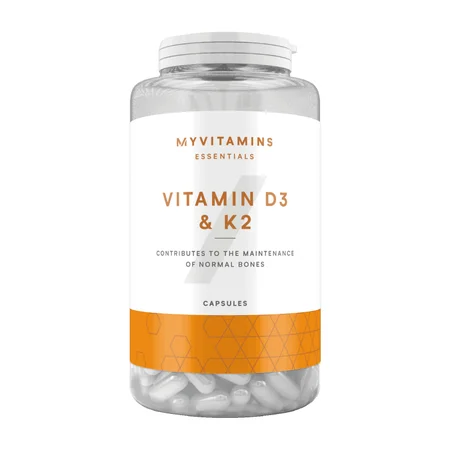

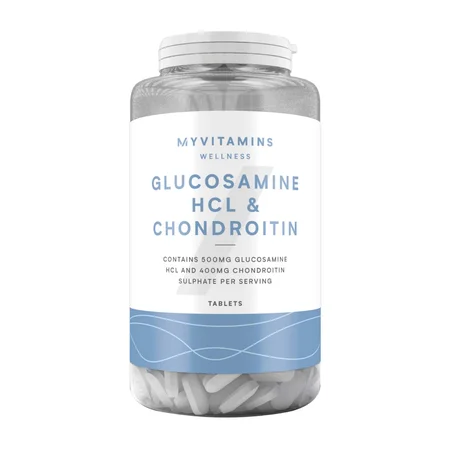
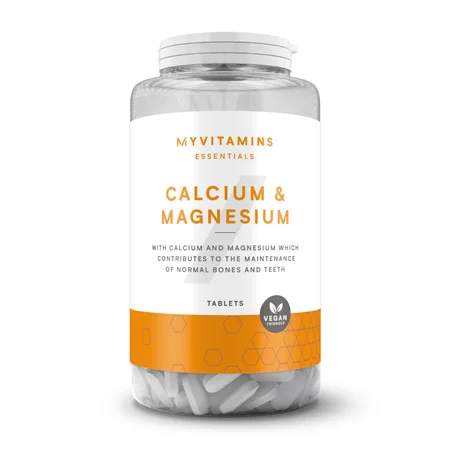

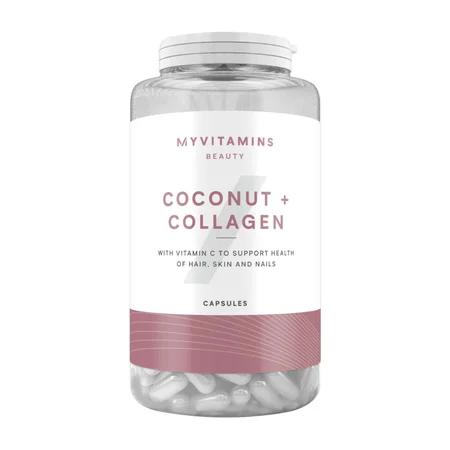
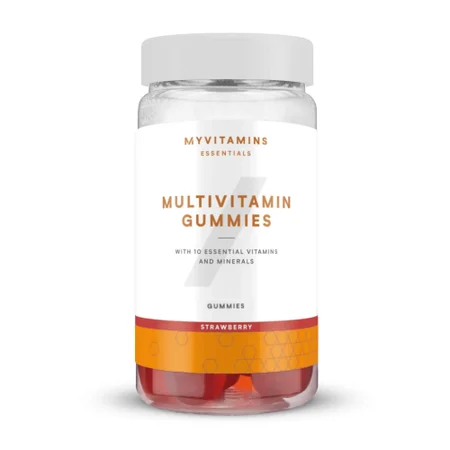

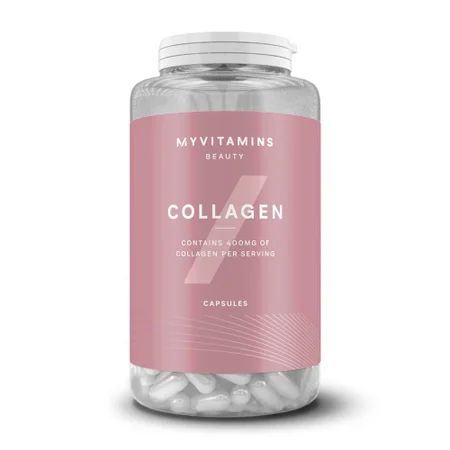

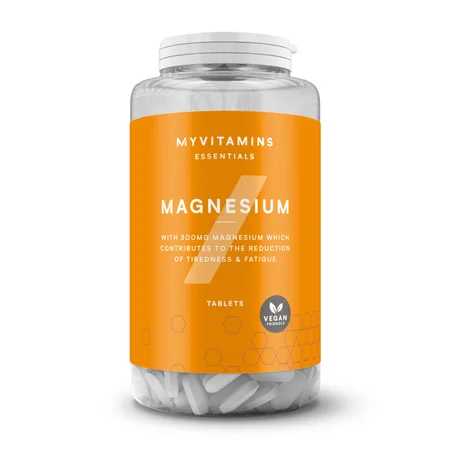

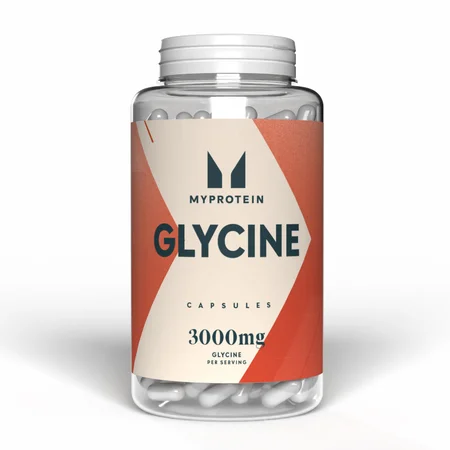


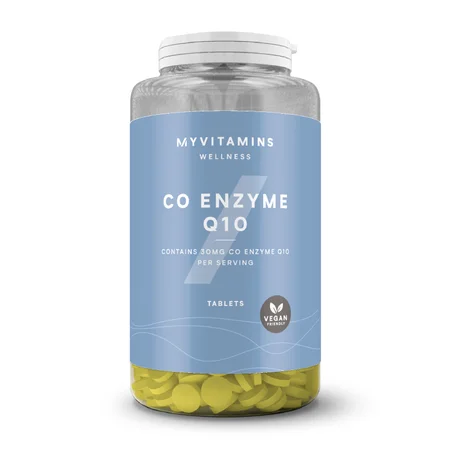
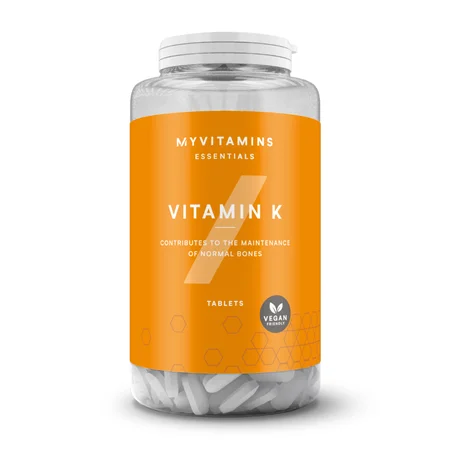



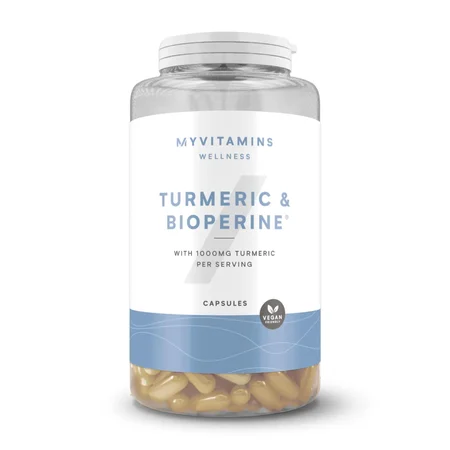
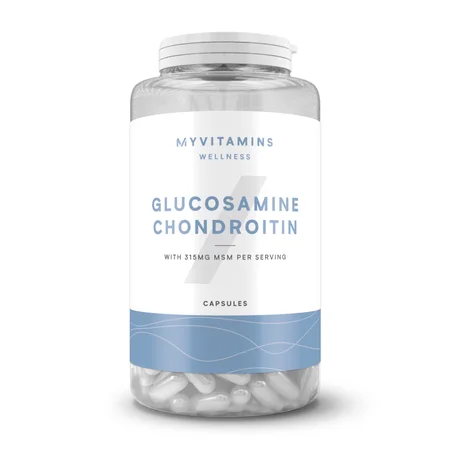
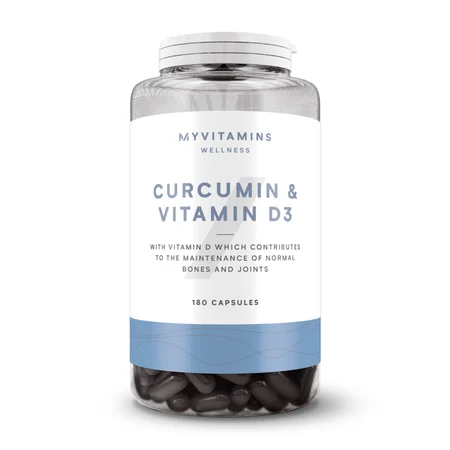
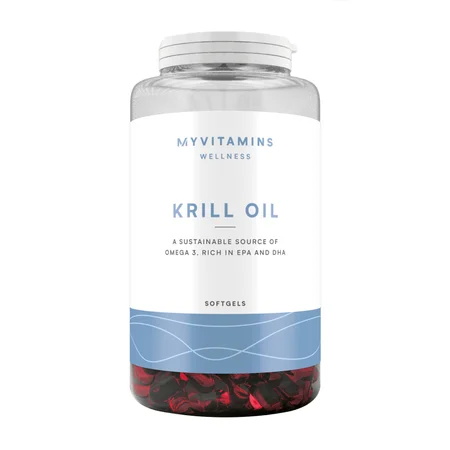
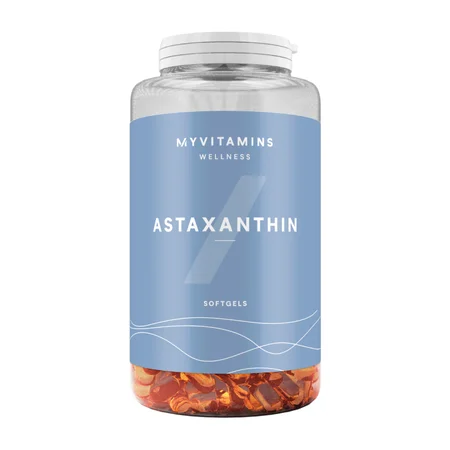

Shop Joint Supplements & Vitamins at Myprotein
Joint supplements bring together targeted nutrients designed to support your active lifestyle. Whether you're training regularly, working physically demanding shifts, or simply staying active as you age, these formulas provide key vitamins and minerals in convenient formats.
Our range includes everything from comprehensive joint capsules to individual nutrients like vitamin D, calcium, and glucosamine. Available in tablets, capsules, and gummies, you can easily find a format that fits your daily routine.
Who These Are For
These supplements suit anyone looking to add joint-focused nutrition to their wellness routine. Gym-goers who put regular stress on their joints through weight training or cardio often choose these formulas. Runners, cyclists, and active individuals appreciate the convenience of targeted daily support.
They're equally popular with people who spend long days on their feet, manual workers, and those maintaining an active lifestyle as they get older. If you're training for events, recovering from intense sessions, or just want to support your skeletal health, these products fit seamlessly into your supplement stack.
When to Use Joint Supplements & Vitamins
Most people take joint supplements as part of their morning routine alongside breakfast. Taking them with food often improves absorption and makes them easier on the stomach. Consistency matters more than timing, so pick a moment you'll remember daily.
Some prefer splitting doses throughout the day if their chosen product allows it. Check the label for specific guidance. Calcium and magnesium tablets work well in the evening for many users. Vitamin D can be taken any time, though morning often makes it easier to establish a habit.
Joint Supplements & Vitamins Benefits
Convenient Daily Nutrition
One capsule or tablet delivers multiple nutrients without measuring powders or preparing drinks. Perfect for busy mornings when you need something quick and portable.
Comprehensive Formulas
Joint capsules combine glucosamine, chondroitin, and other ingredients in research-backed amounts. This saves you buying multiple products separately and simplifies your routine.
Bone and Cartilage Support
Vitamin C contributes to normal collagen formation for the normal function of bones and cartilage1. Calcium is needed for the maintenance of normal bones2, whilst vitamin D contributes to the maintenance of normal bones3 and normal muscle function4.
Flexible Formats
Choose from traditional tablets, easy-to-swallow capsules, or tasty gummies depending on your preference. Each format delivers the same quality nutrition in a way that suits your lifestyle.
Popular Picks
Looking for comprehensive joint nutrition? Joint Capsules provide these essential nutrients together. Calcium is needed for the maintenance of normal bones2, whilst magnesium contributes to the maintenance of normal bones6 and normal muscle function7.
FAQs
What are joint supplements?
Joint supplements are formulas containing vitamins, minerals, and specific compounds commonly associated with skeletal health. They typically include ingredients like glucosamine, chondroitin, calcium, vitamin D, and vitamin C in convenient tablet or capsule form.
These products bring together nutrients that would otherwise require multiple separate supplements. They're designed for people who want a straightforward way to support their nutritional intake as part of an active lifestyle.
How do joint supplements differ from standard multivitamins?
Joint supplements focus specifically on nutrients associated with bones, cartilage, and connective tissue. They contain higher amounts of calcium, vitamin D, and vitamin C than typical multivitamins, plus specialised ingredients like glucosamine and chondroitin that aren't usually found in general formulas.
Multivitamins cast a wider net across overall health, whilst joint supplements concentrate their nutritional profile. Many people take both to cover different bases.
Which joint supplement should I choose?
Start by considering your current diet and activity level. If you're already getting calcium from dairy products, a formula focused on glucosamine and vitamin D might make sense. Athletes putting regular stress on their joints often choose comprehensive capsules with multiple ingredients.
Format matters too. Gummies suit people who struggle with tablets, whilst capsules work well for those who prefer traditional supplements. Check the serving size and daily dose to find something that fits your routine.
When's the best time to take vitamins for joints?
Most people take them with breakfast to establish a consistent habit. Calcium absorbs well when taken with food, making morning meals ideal. Vitamin D can be taken any time but pairing it with breakfast means you're less likely to forget.
If you're taking multiple tablets daily, you can split the dose between morning and evening. Just stay consistent with your timing for best results.
Can I take joint supplements alongside other supplements?
Yes, joint supplements typically combine well with protein powders, creatine, and other sports nutrition products. Just check the labels to avoid accidentally doubling up on nutrients like calcium or vitamin D if you're also taking a multivitamin.
Space out calcium and iron supplements by a few hours if you take both, as they can interfere with each other's absorption when taken simultaneously.
Do joint care supplements contain allergens?
This varies by product. Some glucosamine supplements are derived from shellfish, whilst others use plant-based or synthetic sources. Always check the label and allergen information if you have dietary restrictions.
Our product pages list all allergen information clearly, and most of our range is suitable for vegetarians. Vegan options are available too.
Who developed these joint health supplements?
Myprotein's expert nutritionists formulated these products using research-backed ingredient combinations and dosages. Each formula balances efficacy with convenience, ensuring you get meaningful amounts of key nutrients in formats that fit modern lifestyles.
Our team constantly reviews the latest nutrition science to keep our range current and effective.
What's the difference between glucosamine HCL and glucosamine sulphate?
Both are forms of glucosamine, but glucosamine HCL (hydrochloride) contains a higher concentration of pure glucosamine per gram. This means you need a smaller dose to get the same amount of the active compound.
Glucosamine sulphate contains sulphur alongside the glucosamine. Some people prefer HCL for its higher purity, whilst others choose sulphate. Both appear widely in joint supplements.
How do calcium and vitamin D work together?
Vitamin D contributes to normal absorption and utilisation of calcium8. This makes them natural partners in bone health formulas. Taking them together ensures your body can make the most of the calcium you consume.
Calcium is needed for the maintenance of normal bones2, whilst vitamin D contributes to the maintenance of normal bones3. They complement each other's roles in skeletal health.
What role does vitamin C play in joint supplements?
Vitamin C contributes to normal collagen formation for the normal function of bones1 and cartilage9. Collagen is a structural protein found throughout connective tissue, making vitamin C a key nutrient for active individuals.
Many comprehensive joint formulas include vitamin C alongside minerals and specialised compounds for this reason. It's not just about immune support – it has structural roles too.
1. Vitamin C contributes to normal collagen formation for the normal function of bones.
2. Calcium is needed for the maintenance of normal bones.
3. Vitamin D contributes to the maintenance of normal bones.
4. Vitamin D contributes to the maintenance of normal muscle function.
5. Vitamin K contributes to the maintenance of normal bones.
6. Magnesium contributes to the maintenance of normal bones.
7. Magnesium contributes to normal muscle function.
8. Vitamin D contributes to normal absorption/utilisation of calcium and phosphorus.
9. Vitamin C contributes to normal collagen formation for the normal function of cartilage.