Weight Loss Shakes
Check out our range of diet shakes, offering a variety of blends that combine the ideal ingredients and nutritionals to help you achieve your fitness goal. Our roundup include all of our best weight loss shakes for men and women.
7 Results
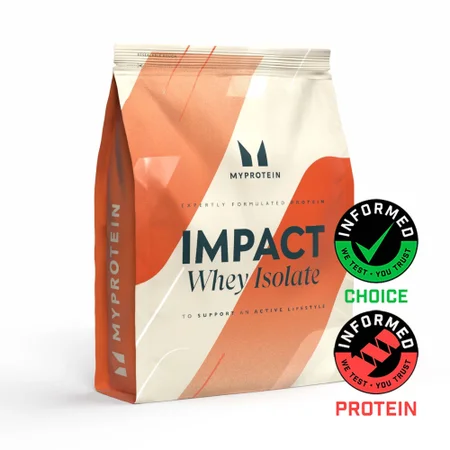
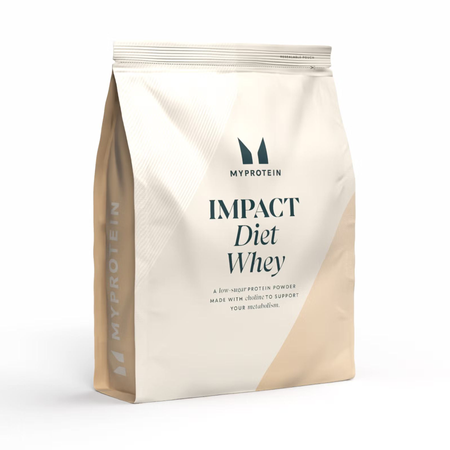
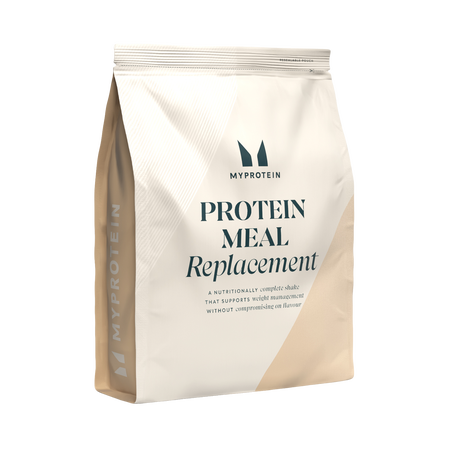
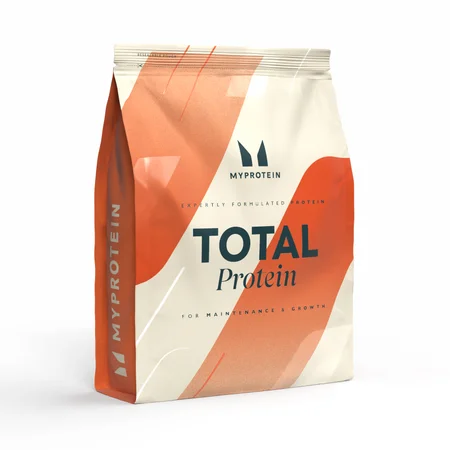
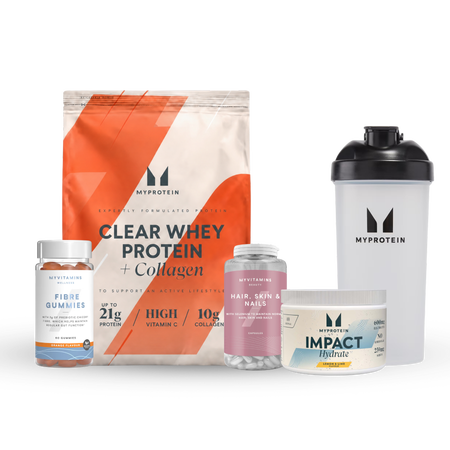
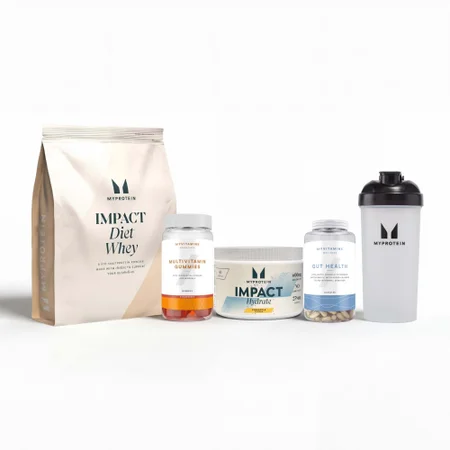
Shop Weight Loss Shakes at Myprotein
Weight loss shakes are one of the most practical tools in a structured diet plan — high in protein, designed for convenience, and built to slot into a calorie-controlled routine without the guesswork. Whether you're looking for meal replacement shakes for weight loss or a lean protein option to complement your existing meals, there's a format here that fits. These aren't one-size-fits-all products — from diet shakes to isolate-based formulas, each one is built around a specific goal and lifestyle.
Protein is the foundation of every weight loss shake in this range. It contributes to the growth and maintenance of muscle mass1 — which matters when you're in a caloric deficit and want to hold on to lean tissue while losing body fat. Pair that with low sugar profiles, high fibre content, and carefully controlled calorie counts, and you've got a range that does the hard work of planning for you.
Who Weight Loss Shakes Are For
These shakes are built for anyone who's serious about losing weight but doesn't want to sacrifice nutrition in the process. If you're calorie counting and finding it hard to hit your protein targets without overshooting your daily intake, a weight loss shake gives you structure — a measured, macro-balanced option that takes the complexity out of meal planning. They're equally at home for desk workers, shift workers, and anyone who struggles to find time to prepare a nutritious low-calorie meal from scratch.
Slimming shakes also suit people returning to a fitness routine after a break, or those who are active but want to see visible fat loss alongside their training. Rather than replacing all food, many people use one shake a day as a controlled meal swap — a practical strategy that keeps overall calorie intake in check while maintaining a high-protein diet. Substituting two daily meals of an energy-restricted diet with meal replacements contributes to weight loss2, and substituting one daily meal contributes to the maintenance of weight after weight loss3.
When to Use Weight Loss Shakes
Timing comes down to your routine and where you're most likely to overeat or under-prepare. For most people, replacing breakfast or lunch with a diet shake works best — it's the meal you're most likely to skip or grab something convenient and calorie-dense for. Having a structured, protein-rich shake at that point keeps your intake on track without requiring any cooking or prep. If you train in the morning, a weight loss protein shake post-workout is another strong option — you get your protein in without a heavy post-training meal.
Evening use works too, particularly if you tend to snack in the evenings. A lower-calorie shake can give you something structured in place of unplanned snacking. The key is consistency — using your shake at the same point each day builds a habit that makes the calorie deficit feel less like restriction and more like routine. Always use these shakes as part of an energy-restricted diet for best results.
Weight Loss Shakes Benefits
High Protein, Controlled Calories
The defining feature of a good weight loss shake is the protein-to-calorie ratio. These shakes are formulated to deliver a significant protein hit — often 20–40g per serving — within a tightly controlled calorie count. Protein contributes to the maintenance of muscle mass1, which is particularly important during a caloric deficit when the body is under pressure to find energy sources.
Structured Meal Replacement
Meal replacement shakes for weight loss remove the decision fatigue from dieting. Instead of weighing and tracking every ingredient of a low-calorie meal, you have a single, precisely formulated shake with known macros. Substituting two daily meals of an energy-restricted diet with meal replacements contributes to weight loss2 — making these shakes a genuinely evidence-backed swap, not just a convenient one.
Flexible Formats for Every Routine
From lean isolate powders to complete meal replacement blends, slimming shakes come in formats that suit different goals. Some are designed to be a full meal swap with added vitamins, minerals, and fibre. Others are leaner protein-focused options that work alongside regular meals. That flexibility means you can adjust your approach as your weight loss progresses without overhauling your entire supplement routine.
Consistent Nutrition Without the Prep
One of the biggest obstacles to sustaining a calorie-controlled diet is time. Preparing multiple low-calorie, high-protein meals every day is demanding. A weight loss shake takes that pressure off — mix with water or milk, and you've got a nutritionally complete or protein-dense meal in under a minute. That consistency is what turns a short-term diet into a long-term habit.
Popular Picks
After a lean, high-protein option with minimal extras? Impact Whey Isolate Powder - a multi-source protein formula combining whey concentrate, isolate, and casein to deliver a sustained amino acid profile, with strong protein content per serving to support a high-protein diet.
FAQs
What are weight loss shakes?
Weight loss shakes are high-protein, calorie-controlled drinks designed to be used as part of an energy-restricted diet. They come in two main formats: protein shakes, which are used alongside regular meals to increase protein intake while keeping calories low, and meal replacement shakes, which are formulated to substitute a full meal with a balanced nutritional profile including protein, carbohydrates, fats, vitamins, and minerals.
The key difference from a standard protein shake is the calorie count and the intention behind the formulation — these products are built with weight management in mind from the ground up.
What's the difference between meal replacement shakes and weight loss protein shakes?
A meal replacement shake is designed to fully substitute a meal — it contains a broader nutritional profile including micronutrients, fibre, and a balanced mix of macros within a controlled calorie count. A weight loss protein shake, on the other hand, is primarily a high-protein, low-calorie option that works alongside your regular meals rather than replacing them entirely.
Both have their place depending on your goal. If you want to reduce overall daily calories by replacing one or two meals, a meal replacement is the more structured option. If you're already eating balanced meals but want to increase protein without adding significant calories, a diet protein shake fits better.
How many weight loss shakes can I have per day?
This depends on the type of shake. For meal replacement shakes used as part of a weight loss plan, substituting two daily meals of an energy-restricted diet with meal replacements contributes to weight loss2. For maintenance after weight loss, substituting one daily meal contributes to the maintenance of weight after weight loss3. Protein-focused diet shakes can generally be used more flexibly — one serving per day is a common starting point, adjusted based on your overall protein intake from food.
Always follow the usage guidance on the product label and use shakes as part of a varied, energy-restricted diet — not as your sole source of nutrition.
Are weight loss shakes the same as diet shakes or slimming shakes?
Yes — diet shakes, slimming shakes, and weight loss shakes are all terms used for the same broad category of product. The terminology varies, but they all refer to calorie-controlled, typically high-protein formulas designed to be used as part of a weight management routine. The specific formulation differs by product — some are purely protein-focused, while others include additional ingredients like glucomannan, green tea extract, or CLA alongside the protein base.
Who developed the weight loss shakes at Myprotein?
All products in the Myprotein range are developed by Myprotein's expert nutritionists, who combine nutritional science with practical formulation to create products that are both effective and realistic to use day-to-day. The team works to ensure that macro profiles, ingredient selection, and serving sizes are built around real dietary goals rather than marketing claims.
Can I use weight loss shakes if I'm also doing regular exercise?
Absolutely — in fact, combining a structured exercise routine with a high-protein diet shake is one of the most practical approaches to weight loss. When training regularly while in a caloric deficit, maintaining protein intake becomes especially important. Protein contributes to the maintenance of muscle mass1, which is a key consideration during any fat loss phase where you want to preserve lean tissue.
For those training hard, a post-workout diet protein shake is a convenient way to hit protein targets without adding excess calories from a heavy meal.
What should I look for in a weight loss shake?
Start with the protein content — aim for at least 20g per serving as a baseline. Then check the calorie count relative to what you're replacing. For a meal replacement, 200–300 kcal is a typical range for a structured weight loss shake. Look at the sugar content (lower is generally better for a diet shake), and check whether the product includes additional ingredients that align with your goals.
Taste and mixability matter too — a shake you enjoy and can make quickly is one you'll actually stick to. A range of flavours and formats makes it easier to find something that fits your routine.
What's the difference between whey isolate and a meal replacement for weight loss?
Whey isolate is a stripped-back protein source — it's filtered to remove most of the fat and lactose, leaving a very high protein content per serving with minimal extras. It's ideal if you want a lean protein top-up alongside your regular meals. A meal replacement shake is a more complete product, formulated with added carbohydrates, fats, fibre, vitamins, and minerals so that it can genuinely stand in for a full meal nutritionally.
Both can play a role in a weight loss plan, depending on how you're structuring your daily intake. Many people use an isolate post-workout and a meal replacement in place of a meal where they'd otherwise struggle to eat well.
Are Myprotein weight loss shakes suitable for vegetarians?
Several products in the weight loss shakes range are suitable for vegetarians, though this varies by product. Whey-based shakes are vegetarian-friendly as whey is derived from milk, but they're not suitable for vegans. Always check the individual product page for full suitability information, ingredient lists, and allergen declarations before purchasing.
Do weight loss shakes need to be taken at a specific time of day?
There's no single rule — the most effective time is the one that fits your routine and helps you maintain your calorie-controlled diet consistently. Common approaches include using a shake in place of breakfast for a quick, low-calorie start to the day, as a post-workout protein source, or as a structured lunch replacement when preparing a meal isn't practical. The most important factor is using them consistently as part of a broader energy-restricted eating plan.
1. Protein contributes to the growth and maintenance of muscle mass.
2. Substituting two daily meals of an energy restricted diet with meal replacements contributes to weight loss.
3. Substituting one daily meal of an energy restricted diet with a meal replacement contributes to the maintenance of weight after weight loss.